Understanding Residential Lighting Needs
Lighting a home isn’t just about installing fixtures and flipping a switch. It’s about creating an atmosphere that complements the lifestyle and enhances the functionality of each space. For lighting contractors, grasping the nuances of residential lighting is essential. Homes demand a balance between aesthetics, energy efficiency, and safety.
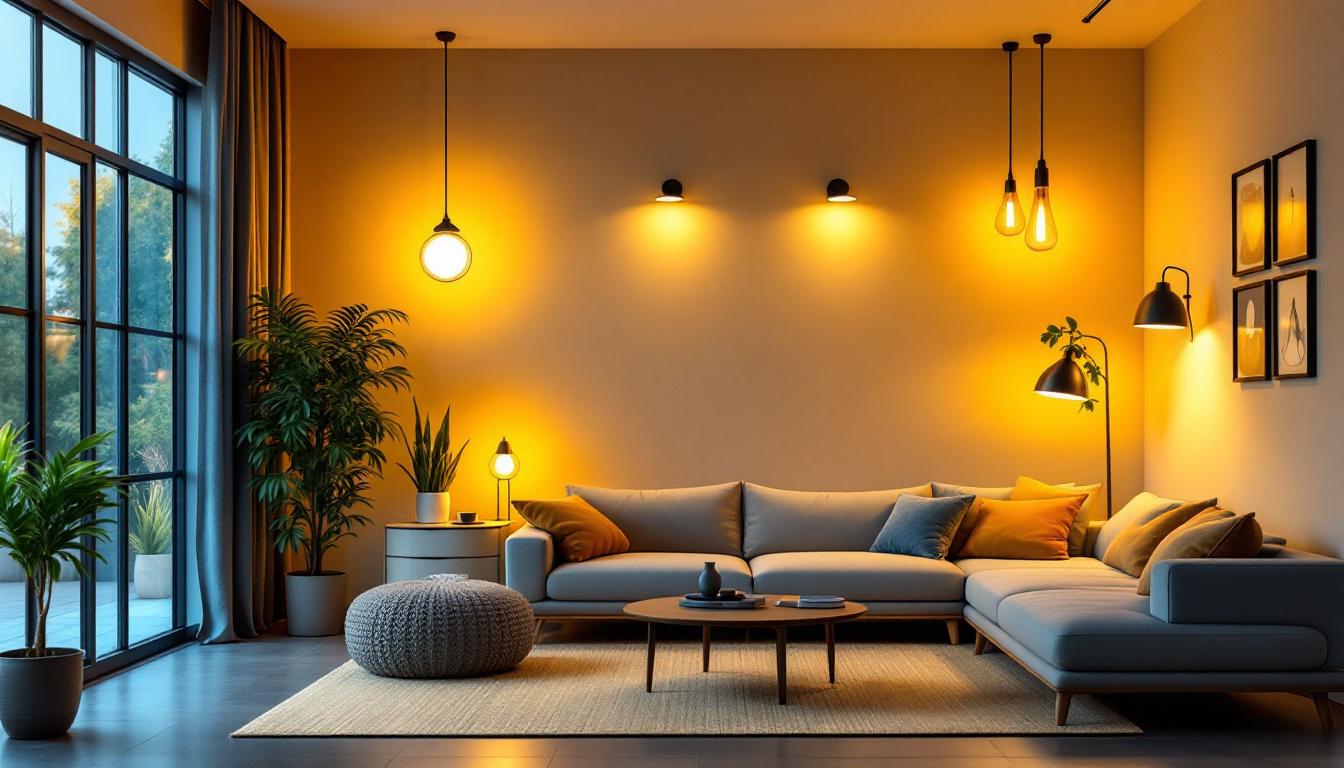
Every room has its own lighting requirements. Living rooms often call for layered lighting—ambient, task, and accent—to accommodate activities ranging from reading to entertaining guests. Kitchens require bright, focused lighting for food preparation, while bedrooms benefit from softer, adjustable lighting that promotes relaxation. The choice of fixtures can also play a significant role; for instance, pendant lights can add a stylish focal point in a dining area, while recessed lighting can create a clean and modern look in a contemporary kitchen.
Understanding these needs helps contractors recommend the right fixtures and lighting controls. It’s not just about brightness; it’s about the quality of light, color temperature, and how it interacts with the room’s design. Additionally, the integration of smart lighting technology has revolutionized residential lighting. Homeowners can now control their lighting remotely or program it to adjust automatically based on the time of day or their activities. This not only enhances convenience but also promotes energy efficiency, allowing homeowners to reduce their electricity bills while still enjoying a well-lit environment.
Moreover, the psychological impact of lighting cannot be overlooked. Studies have shown that different types of lighting can influence mood and productivity. For instance, cooler, brighter lights can enhance alertness and focus in home offices, while warmer tones can create a cozy and inviting atmosphere in social spaces. By understanding the emotional and functional aspects of lighting, contractors can tailor their recommendations to meet the unique needs of each client, ensuring that every home is not only beautifully illuminated but also a true reflection of the inhabitants’ lifestyle and preferences.
Choosing the Right Fixtures and Bulbs
Fixture Types and Their Applications
Lighting fixtures come in a wide variety of styles and functions. Ceiling-mounted fixtures, recessed lights, wall sconces, pendant lights, and chandeliers each serve different purposes. For example, recessed lighting offers a clean, unobtrusive look ideal for modern homes, while pendant lights can add character and focus over kitchen islands or dining tables. Additionally, track lighting provides flexibility in directing light to specific areas, making it a popular choice for art galleries or home offices where adjustable illumination is essential.
Contractors must evaluate the architectural style of the home and the client’s personal taste. A rustic farmhouse might benefit from wrought iron fixtures with warm finishes, whereas a contemporary home may call for sleek, minimalist designs. Matching fixtures to the home’s style enhances both the visual appeal and the homeowner’s satisfaction. Furthermore, outdoor fixtures, such as lanterns and floodlights, not only improve safety and security but also contribute to the overall aesthetic of the property, creating an inviting atmosphere for guests and passersby alike.
Bulb Technology: LED Dominance
LED bulbs have become the standard for residential lighting due to their energy efficiency, longevity, and versatility. They consume up to 80% less energy than incandescent bulbs and can last 25 times longer. This translates into lower utility bills and fewer replacements, a selling point that contractors should emphasize to clients. Moreover, the decreasing cost of LED technology has made it more accessible, allowing homeowners to upgrade their lighting without breaking the bank.
Beyond efficiency, LEDs offer a range of color temperatures—from warm white to daylight—that influence mood and functionality. For example, warmer tones (2700K-3000K) are ideal for living spaces and bedrooms, creating a cozy atmosphere. Cooler tones (4000K-5000K) work well in kitchens and workspaces where clarity is crucial. Additionally, many LED bulbs now come with smart technology features, allowing users to adjust brightness and color temperature via smartphone apps or voice commands, further enhancing the customization of their lighting experience. This innovation not only adds convenience but also allows homeowners to create dynamic environments that can adapt to different activities throughout the day.
Smart Lighting Systems: A Growing Trend
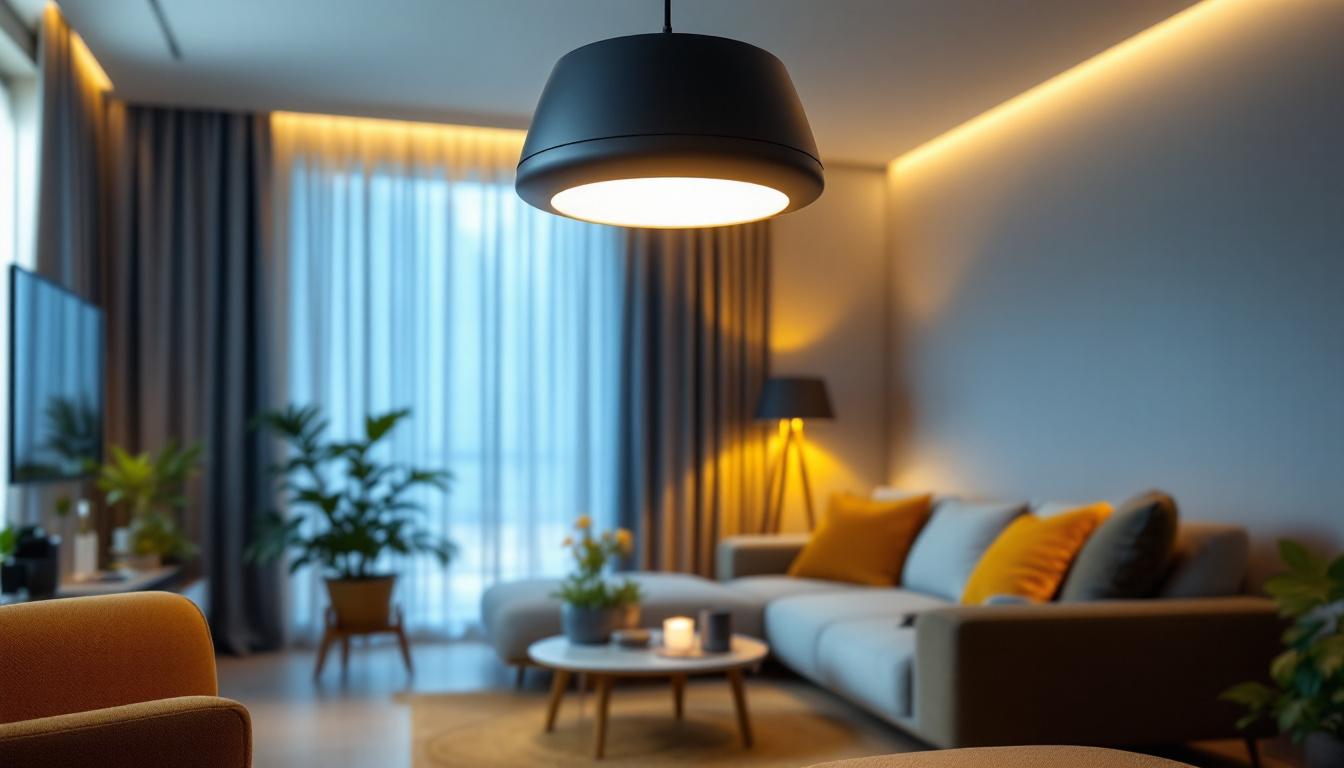
Smart lighting has moved beyond novelty to become a practical feature in many homes. Systems that allow homeowners to control lighting remotely via smartphone apps or voice assistants are increasingly popular. For lighting contractors, understanding these technologies is vital.
Smart bulbs and fixtures offer dimming capabilities, color-changing options, and scheduling features that enhance convenience and energy savings. Integrating smart lighting with home automation systems can also improve security by simulating occupancy when the homeowner is away. This not only deters potential intruders but also provides peace of mind for homeowners who travel frequently or spend long hours at work.
Contractors should be prepared to guide clients through the selection and installation of smart lighting solutions, ensuring compatibility with existing electrical systems and other smart devices. Additionally, they should educate clients about the various ecosystems available, such as Google Home, Amazon Alexa, or Apple HomeKit, as these platforms can significantly influence the functionality and user experience of smart lighting systems. Understanding the nuances of each ecosystem can empower contractors to recommend the most suitable products that align with their clients’ preferences and lifestyles.
Moreover, the energy efficiency of smart lighting systems can lead to substantial cost savings over time. Many smart bulbs use LED technology, which consumes significantly less energy than traditional incandescent bulbs. This not only reduces electricity bills but also contributes to a lower carbon footprint, making smart lighting an environmentally friendly choice. As consumers become more eco-conscious, the demand for energy-efficient solutions is likely to continue growing, further solidifying the role of smart lighting in modern homes.
Energy Codes and Compliance
Residential lighting installations must comply with local energy codes and standards. These regulations often dictate minimum efficiency requirements and may mandate the use of specific technologies such as LEDs or occupancy sensors in certain rooms. For instance, many jurisdictions now require that all new residential lighting fixtures meet certain lumens-per-watt ratios, ensuring that homeowners receive the most light for the least energy consumed. This shift towards higher efficiency not only benefits the environment but also significantly reduces electricity bills over time.
Lighting contractors need to stay current with these codes to avoid costly rework and to ensure client satisfaction. Compliance not only helps homeowners reduce energy consumption but can also qualify them for rebates or incentives offered by utility companies. In addition to financial incentives, adhering to these codes can enhance the overall value of a property, making it more appealing to potential buyers who are increasingly looking for energy-efficient homes. Furthermore, understanding local codes can help contractors build a reputation for reliability and expertise, which can lead to more referrals and repeat business.
Familiarity with certification programs like ENERGY STAR can also help contractors recommend products that meet high efficiency and performance standards. Products bearing the ENERGY STAR label are rigorously tested and verified to ensure they meet strict energy efficiency criteria, which can be a significant selling point for homeowners. Additionally, contractors who are well-versed in these certifications can provide valuable insights into the long-term benefits of investing in high-quality, energy-efficient lighting solutions, such as improved durability and reduced maintenance costs. As the market continues to evolve, staying informed about emerging technologies and trends in energy-efficient lighting will be crucial for contractors aiming to maintain a competitive edge.
Lighting Design and Layout Considerations
Layered Lighting for Function and Ambiance
A well-designed lighting plan incorporates multiple layers: ambient, task, and accent lighting. Ambient lighting provides general illumination, task lighting focuses on specific activities, and accent lighting highlights architectural features or artwork.
For example, in a kitchen, recessed ceiling lights provide ambient light, under-cabinet fixtures serve as task lighting for countertops, and pendant lights add accent and style. Balancing these layers enhances both the usability and the visual appeal of the space.
Light Placement and Spacing
The placement and spacing of fixtures affect how evenly light is distributed. Over-lighting can cause glare and waste energy, while under-lighting creates shadows and discomfort. Contractors should use lighting design principles and tools like photometric software to plan layouts that optimize illumination and minimize issues.
Consideration of ceiling height, room dimensions, and surface reflectivity also plays a role in fixture selection and positioning.
Installation Best Practices
Proper installation is critical to the performance and longevity of residential lighting systems. Contractors must ensure secure mounting, correct wiring, and adherence to electrical codes. Safety is paramount-using the right tools, verifying power is off before working, and double-checking connections can prevent accidents and future failures.
Additionally, integrating dimmers, timers, and sensors requires careful wiring and configuration. Testing all components before project completion helps catch issues early and ensures client satisfaction.
Maintenance and Troubleshooting Tips
Homeowners often rely on contractors for guidance on maintaining their lighting systems. Providing clear instructions on bulb replacement, cleaning fixtures, and resetting smart devices can reduce service calls and build trust.
Common issues include flickering lights, dimmers that don’t work properly with LED bulbs, and connectivity problems with smart lighting. Understanding these problems and their solutions enables contractors to offer quick, effective support.
Building Client Relationships Through Expertise
Lighting contractors who demonstrate deep knowledge and offer tailored solutions stand out in a competitive market. Taking the time to educate clients about options, energy savings, and design possibilities fosters confidence and encourages referrals.
Providing detailed quotes, clear timelines, and professional follow-up further enhances the customer experience. Remember, lighting is a long-term investment in a home’s comfort and value-positioning yourself as a trusted advisor benefits both contractor and client.
Conclusion
Mastering residential lighting requires more than technical skills. It demands an understanding of design principles, emerging technologies, and client needs. By focusing on quality, efficiency, and innovation, lighting contractors can transform homes into beautifully lit, energy-smart spaces that homeowners enjoy for years.
Illuminate Your Projects with LumenWholesale
Ready to elevate your lighting projects with the finest selection of spec-grade products? Look no further than LumenWholesale. We provide lighting contractors with exceptional quality and value, ensuring every home shines with efficiency and style. Our commitment to cutting out the middleman means you enjoy unbeatable wholesale prices, free shipping, and the convenience of bulk buying. Don’t compromise on quality or price. Visit LumenWholesale today and discover the ideal lighting solutions that blend innovation with affordability for all your residential lighting needs.