Understanding the Role of Large Flush Mount Ceiling Lights in Kitchen Design
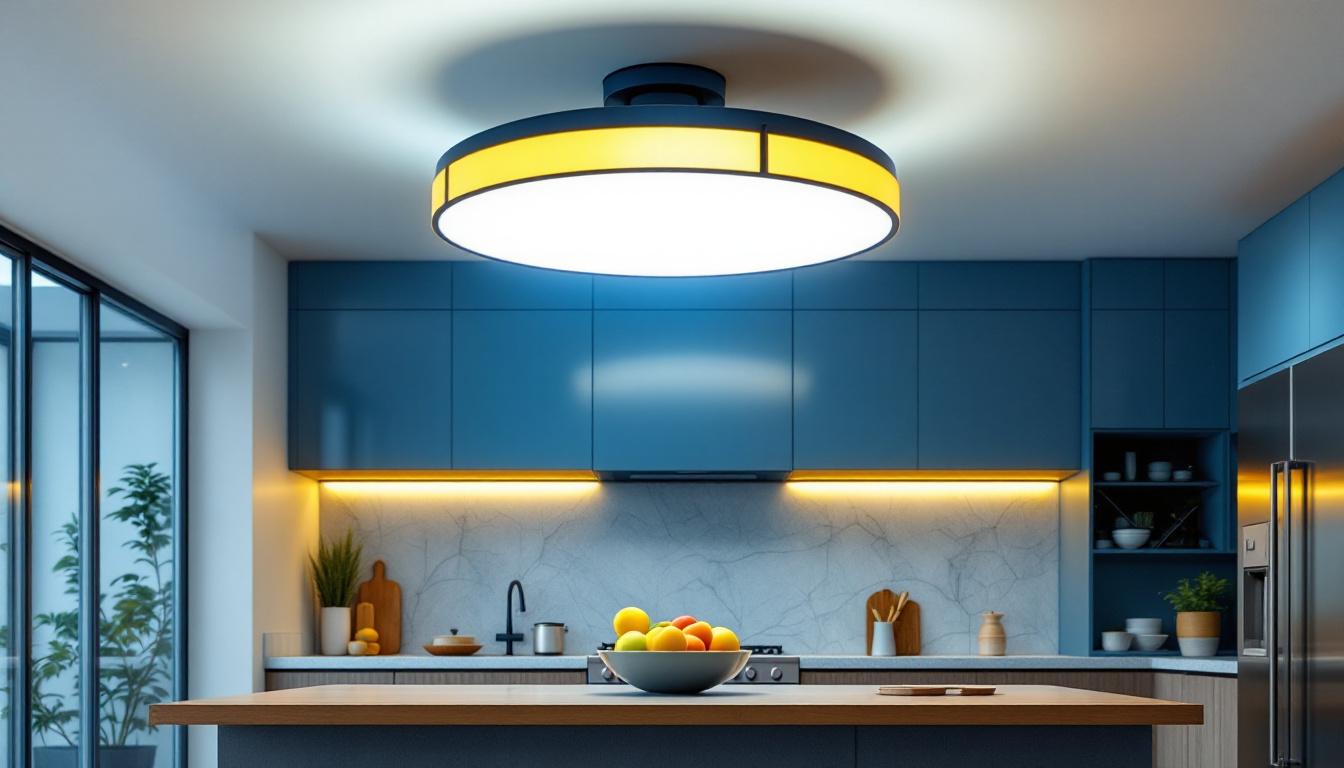
Lighting contractors often encounter kitchens where the ceiling height or architectural constraints limit the use of pendant or chandelier fixtures. In such cases, large flush mount ceiling lights become the go-to solution. These fixtures sit close to the ceiling, providing ample illumination without sacrificing headroom or overwhelming the space.
For kitchens, lighting is not just about visibility; it’s about creating an environment that supports cooking, dining, and socializing. A well-chosen large flush mount light can evenly distribute light, reduce shadows on work surfaces, and complement the kitchen’s aesthetic. Understanding these functional and stylistic roles is crucial for contractors advising clients or selecting fixtures.
Why Choose Large Flush Mount Lights for Kitchens?
Large flush mount lights are particularly advantageous in kitchens with low ceilings or open-plan layouts where a subtle lighting solution is preferred. Unlike recessed lighting, which can create multiple shadows, a single large fixture can provide broad, uniform illumination.
Additionally, these fixtures come in a variety of designs—from sleek, modern styles to more traditional or transitional looks—allowing contractors to match the kitchen’s decor seamlessly. Their size ensures they make a statement while maintaining a low profile.
Moreover, large flush mount lights often incorporate energy-efficient LED technology, which not only reduces electricity costs but also contributes to a more sustainable kitchen environment. This is especially important in today’s eco-conscious society, where homeowners are increasingly looking for ways to minimize their carbon footprint. By choosing fixtures that utilize LED bulbs, contractors can help clients achieve a well-lit space that is both beautiful and environmentally friendly.
Another key benefit of large flush mount ceiling lights is their versatility in terms of placement. They can be installed in various areas within the kitchen, including over islands, dining areas, or even in adjacent spaces like open-concept living areas. This flexibility allows for cohesive lighting design throughout the home, creating a seamless transition between spaces while ensuring that every corner of the kitchen is adequately illuminated. As such, these fixtures not only serve a practical purpose but also enhance the overall flow and ambiance of the home.
Key Considerations When Selecting Large Flush Mount Ceiling Lights
Choosing the right large flush mount ceiling light requires balancing several factors. Lighting contractors must consider the kitchen’s size, ceiling height, existing decor, and the tasks performed in the space.
Assessing the Kitchen’s Lighting Needs
Start by evaluating the kitchen’s dimensions and layout. A larger kitchen naturally demands a fixture with a higher lumen output to ensure adequate brightness. For instance, a 12×15-foot kitchen may require a fixture delivering between 3,000 to 4,000 lumens, depending on the color temperature and other light sources.
Consider the kitchen zones—cooking, prep, dining—and how the light will serve these areas. Task lighting is essential over countertops and sinks, while ambient lighting sets the overall mood. A large flush mount fixture can provide the ambient base layer, supplemented by under-cabinet lights or recessed fixtures for tasks. Additionally, incorporating dimmable options can offer versatility, allowing for bright illumination during meal prep and softer lighting for evening gatherings, creating a warm and inviting atmosphere.
Fixture Size and Scale
The size of the flush mount fixture should be proportional to the kitchen’s ceiling area. A common mistake is installing a fixture that’s too small, resulting in insufficient light and a lack of visual impact. Conversely, an overly large fixture can dominate the space and feel intrusive.
As a rule of thumb, the fixture’s diameter in inches can be roughly equal to the sum of the room’s length and width in feet divided by two. For example, a 12×15-foot kitchen sums to 27, so a fixture around 13 to 15 inches in diameter would be appropriate. However, when opting for large flush mounts, this guideline adjusts slightly upward to accommodate their design and lumen output. Furthermore, consider the fixture’s height; a low-profile design can maintain an open feel, especially in kitchens with lower ceilings, while a more sculptural piece can serve as a focal point in a room with higher ceilings, adding character and style.
Color Temperature and CRI
Kitchen lighting should enhance the appearance of food and surfaces. Selecting fixtures with a color temperature between 2700K and 3500K offers a warm to neutral white light that is flattering and comfortable. Avoid cooler temperatures above 4000K, which can feel harsh and clinical.
Color Rendering Index (CRI) is equally important. A CRI of 80 or above ensures colors appear natural and vibrant, which is vital in kitchens where food preparation relies on accurate color perception. Additionally, consider the finish and material of the fixture; polished metals can reflect light and enhance brightness, while matte finishes may absorb it, affecting the overall ambiance. Choosing materials that complement the kitchen’s design—such as brushed nickel for a modern look or antique bronze for a rustic feel—can further enhance the space’s aesthetic, making the lighting not just functional but also a key design element.
Installation Best Practices for Large Flush Mount Ceiling Lights
Proper installation is critical to maximize the performance and longevity of large flush mount ceiling lights. Lighting contractors must adhere to electrical codes and ensure fixtures are securely mounted to support their weight.
Mounting and Support
Large flush mount fixtures can be heavy, especially those with glass or metal components. Confirm that the ceiling junction box is rated to support the fixture’s weight. If not, reinforce the ceiling structure or use a mounting bracket designed for heavy fixtures. It’s also important to consider the ceiling material; for example, drywall ceilings may require additional support beams or anchors to ensure stability and prevent sagging over time.
Level installation is essential for both aesthetics and function. Uneven mounting can cause light distribution issues and detract from the kitchen’s appearance. Use a level and secure all fasteners tightly. Additionally, consider the height at which the fixture is installed; it should be low enough to provide adequate illumination but high enough to avoid obstruction, especially in areas with high foot traffic. This careful attention to detail ensures that the fixture not only looks good but also performs effectively in illuminating the space.
Wiring and Electrical Considerations
Ensure wiring connections are made with wire nuts or connectors rated for the fixture’s amperage. Use cable clamps where necessary to prevent strain on wires. For LED fixtures, verify compatibility with dimmer switches if dimming functionality is desired. It’s also wise to use high-quality, insulated wiring to minimize the risk of overheating and to enhance the overall safety of the installation.
Contractors should also check the circuit’s load capacity. Kitchens often have multiple high-draw appliances, so lighting circuits must be balanced to avoid overloads. In addition, consider the use of separate circuits for different lighting zones, which can provide greater flexibility in controlling the ambiance of the kitchen. Implementing smart lighting solutions can further enhance energy efficiency and allow for customizable lighting scenes, making the kitchen not only functional but also a welcoming space for family and guests alike.
Maintenance and Longevity Tips
Large flush mount ceiling lights in kitchens are exposed to heat, moisture, and cooking residues. Proper maintenance extends fixture life and maintains light quality.
Cleaning and Care
Regular cleaning prevents the buildup of grease and dust, which can dim the fixture’s output. Use a soft cloth with mild detergent to wipe down glass or acrylic diffusers. Avoid abrasive cleaners that can scratch surfaces.
For metal finishes, specialized cleaners may be necessary to preserve the finish without causing corrosion or discoloration.
Replacing Bulbs and Components
Choose fixtures with easily accessible bulbs or integrated LED modules. For LED fixtures, verify the availability of replacement drivers or modules, as these components can fail over time. Keeping spare parts on hand can minimize downtime during repairs.
Enhancing Kitchen Lighting with Complementary Fixtures
While large flush mount ceiling lights provide excellent ambient lighting, they rarely fulfill all kitchen lighting needs alone. Contractors should recommend layering lighting to achieve optimal results.
Task Lighting Integration
Under-cabinet LED strips or puck lights illuminate countertops directly, reducing shadows cast by overhead fixtures. These lights improve visibility for chopping, measuring, and other detailed tasks.
In kitchens with islands or breakfast bars, recessed downlights or small pendants can add focused illumination and visual interest.
Accent and Decorative Lighting
Accent lighting highlights architectural features, backsplashes, or open shelving. While not essential for function, it adds depth and character to the kitchen environment.
Lighting contractors should guide clients on balancing aesthetics with practicality, ensuring accent lights complement rather than compete with the primary flush mount fixture.
Common Challenges and How to Overcome Them
Lighting contractors often face challenges when installing large flush mount ceiling lights in kitchens. Understanding these issues and their solutions ensures successful projects.
Dealing with Low Ceilings
Low ceilings limit fixture options. Large flush mounts are ideal here, but selecting ultra-thin designs prevents the space from feeling cramped. Consider fixtures with diffusers that soften light without adding bulk.
Managing Glare and Shadows
Glare can cause discomfort, especially in kitchens where reflective surfaces abound. Use fixtures with frosted or opal diffusers to scatter light evenly. Positioning the fixture centrally and supplementing with task lighting reduces harsh shadows.
Ensuring Energy Efficiency
Energy-efficient lighting is a priority for many clients. LED large flush mount fixtures offer longevity and low power consumption. Contractors should specify ENERGY STAR-rated products and educate clients on long-term savings.
Final Thoughts: Mastering Large Flush Mount Ceiling Lights for Kitchens
Large flush mount ceiling lights are an essential tool in the lighting contractor’s arsenal, especially for kitchens with specific spatial or design constraints. Their ability to provide ample, even illumination while maintaining a sleek profile makes them invaluable.
Success lies in careful selection, precise installation, and thoughtful integration with other lighting layers. By considering kitchen size, fixture scale, color temperature, and maintenance needs, contractors can deliver lighting solutions that enhance both function and style.
Ultimately, mastering these fixtures means understanding the unique demands of kitchen environments and applying practical expertise to meet client expectations efficiently and effectively.
Get Your Premium Kitchen Lighting Fixtures at LumenWholesale
Ready to elevate your kitchen projects with the best large flush mount ceiling lights on the market? Look no further than LumenWholesale. We provide lighting contractors with an exceptional range of high-quality, specification-grade lighting solutions at unbeatable wholesale prices. With our direct approach, you’ll enjoy superior products without the extra costs typically associated with local distributors. Our commitment to quality and affordability, coupled with the convenience of free shipping on bulk orders, makes us the ideal partner for all your lighting needs. Transform your kitchen lighting designs today with Wholesale Lighting at the Best Value from LumenWholesale.