Choosing the Wrong Dimmable LED Fixtures
One of the most frequent errors lighting contractors make when installing dimmable LED garage lights is selecting fixtures that aren’t compatible with the dimming systems in place. Not all LED lights are created equal, especially when it comes to dimming capabilities. Many contractors assume that any LED labeled “dimmable” will work seamlessly with existing dimmer switches, but this is far from the truth.
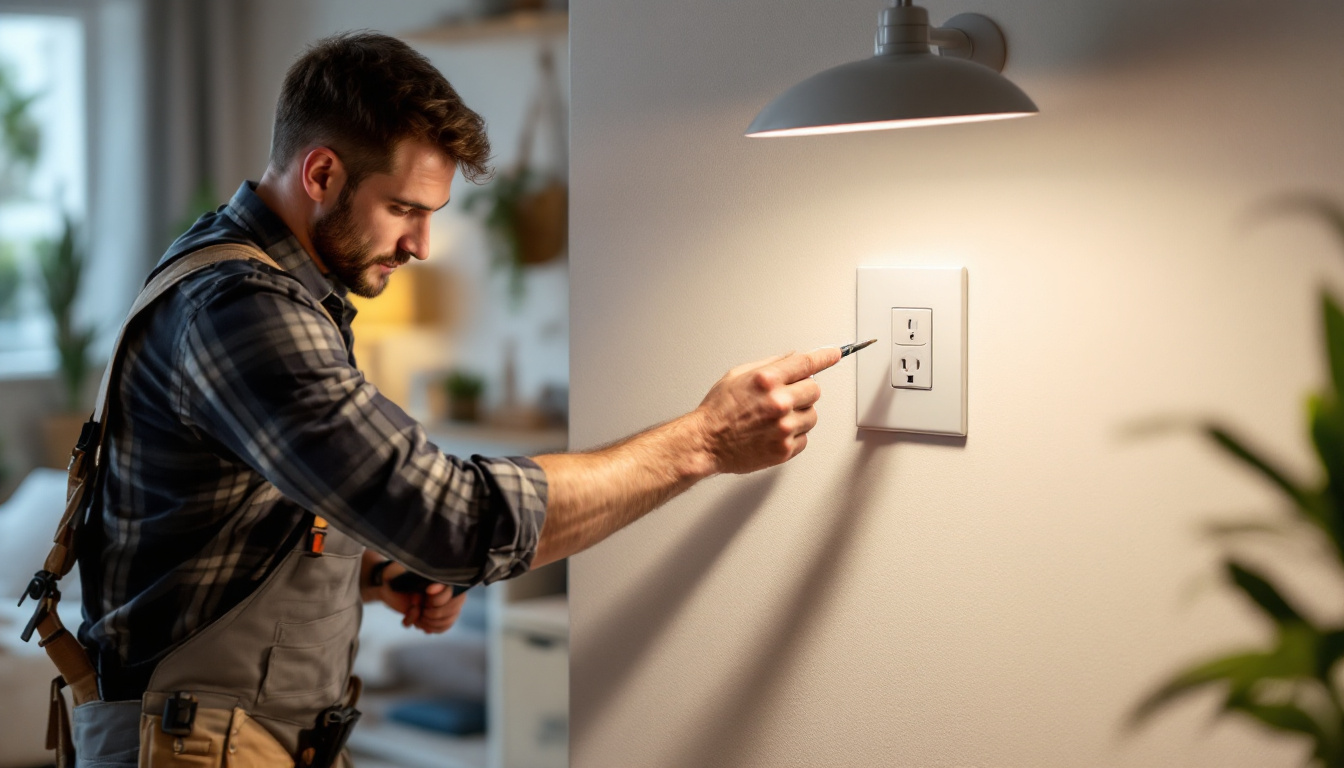
Compatibility issues can lead to flickering, buzzing, or even complete failure of the lighting system. For example, some LEDs require specific types of dimmers-such as trailing-edge or leading-edge dimmers-to function correctly. Using the wrong dimmer can cause inconsistent light levels and damage the fixture over time.
Before specifying products, contractors should verify the dimmer compatibility charts provided by manufacturers. Testing a sample fixture with the intended dimmer switch can save time and money by preventing callbacks and unhappy clients.
Moreover, it’s essential to consider the overall electrical load when installing dimmable LED fixtures. Many dimmers have a minimum and maximum load requirement, and exceeding these limits can lead to performance issues. For instance, if a contractor installs too many LED fixtures on a single dimmer, it may not perform efficiently, resulting in poor dimming performance or even potential overheating. This highlights the importance of understanding both the dimmer’s specifications and the total wattage of the LED fixtures being installed.
Additionally, the quality of the LED driver plays a crucial role in the performance of dimmable fixtures. A high-quality driver can provide smoother dimming capabilities and enhance the lifespan of the LEDs. Contractors should also be aware that some cheaper LED products may not have robust drivers, leading to a subpar lighting experience. By investing in reputable brands and understanding the intricacies of LED technology, contractors can ensure that their installations not only meet client expectations but also stand the test of time.
Ignoring the Importance of Proper Light Distribution
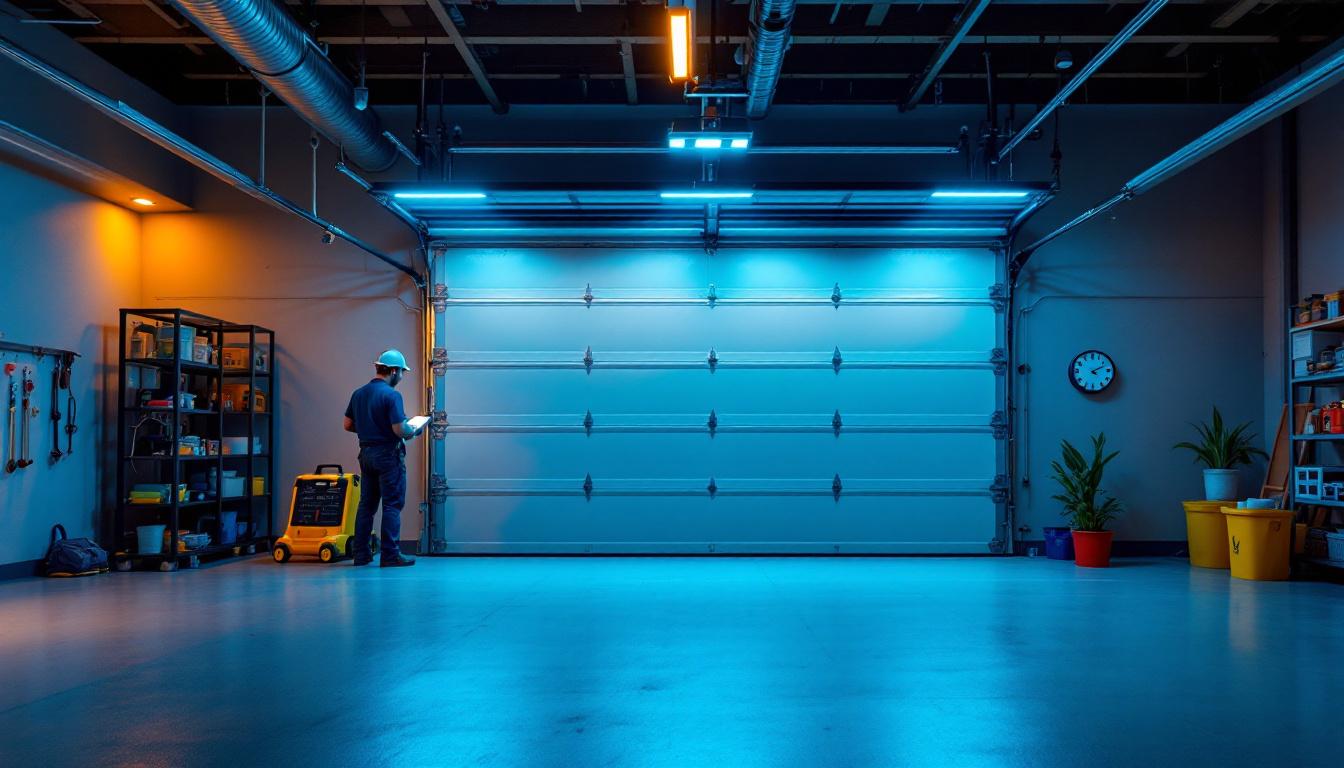
Garage spaces often have unique lighting needs. They serve as work areas, storage zones, and sometimes even recreational spaces. Failing to consider how light is distributed across the garage can result in uneven illumination, creating dark spots or overly bright areas that cause glare.
Many contractors focus solely on lumens or wattage without thinking about beam angles and fixture placement. A narrow beam angle might work well for task lighting over a workbench but leaves other areas dim. Conversely, wide-angle fixtures can wash out specific zones, reducing visibility where precision work is needed.
Using a combination of fixtures with varying beam angles or adjustable heads can improve overall light quality. Additionally, understanding the garage’s layout and typical usage patterns helps contractors design lighting that enhances functionality and safety.
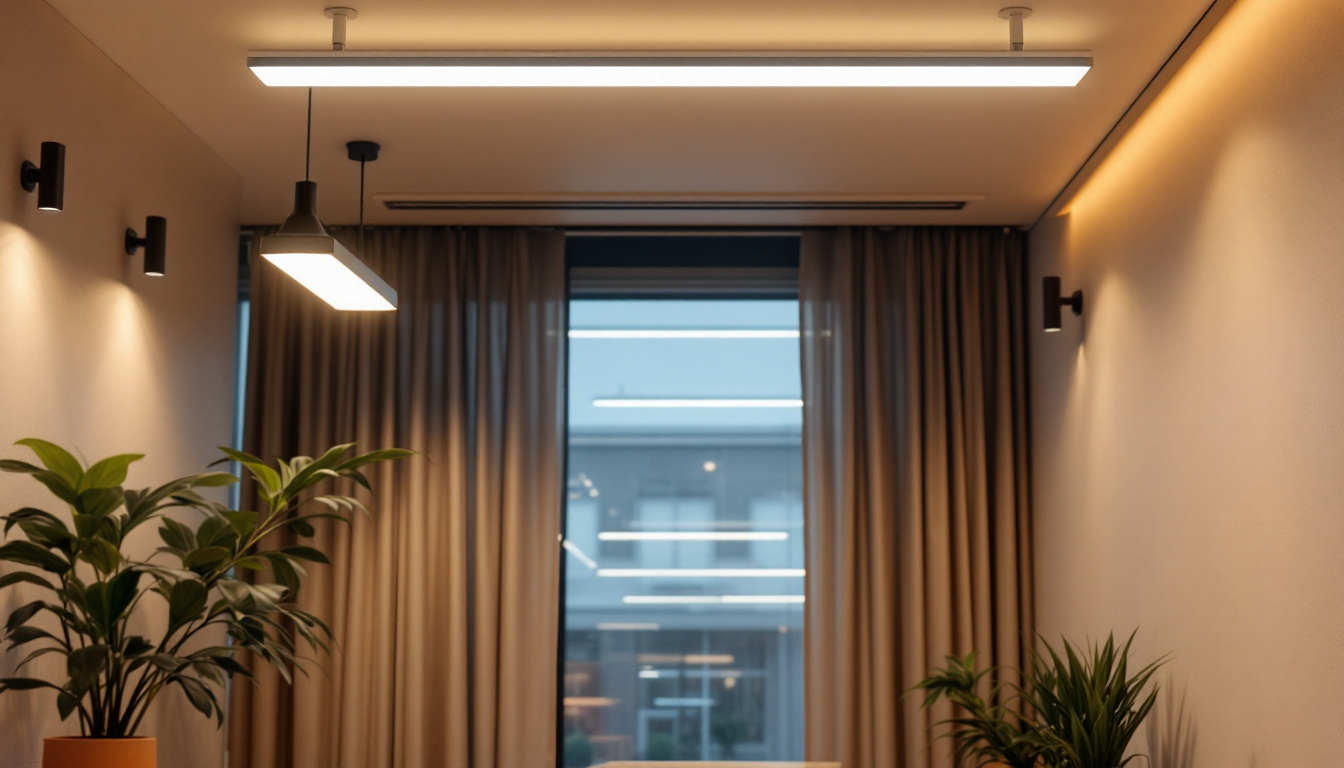
Moreover, the choice of color temperature plays a crucial role in how a garage space feels and functions. Warmer light (around 2700K to 3000K) can create a cozy atmosphere, making the garage feel more inviting, especially if it doubles as a recreational area. In contrast, cooler light (4000K to 5000K) mimics daylight, which can be beneficial for detailed tasks like automotive work or crafting, as it allows for better color accuracy and visibility. This consideration can transform a mundane garage into a more versatile space, accommodating various activities with ease.
In addition to the type of lighting, incorporating smart lighting solutions can further enhance the usability of a garage. Motion sensors can automatically turn on lights when someone enters, ensuring that the space is always well-lit without the need for manual switches. Dimmers can also be installed to adjust the brightness according to the task at hand, providing flexibility and energy savings. By integrating these modern technologies, homeowners can create a more efficient and user-friendly garage environment, tailored to their specific needs and preferences.
Overlooking the Impact of Color Temperature
Color temperature is a critical factor in garage lighting that many contractors underestimate. The color temperature of LED lights affects how colors appear and influences the ambiance of the space. For garages, selecting the right temperature can improve visibility and reduce eye strain.
Cool white light (around 5000K to 6500K) is often preferred in garages because it mimics daylight and enhances contrast, making it easier to see fine details during tasks like car repairs or woodworking. However, some clients may find cooler temperatures too harsh or sterile, especially if the garage doubles as a social or hobby space.
Warm white light (2700K to 3500K) creates a cozier atmosphere but might not provide the clarity needed for detailed work. Offering clients options and explaining the pros and cons of different color temperatures can lead to better satisfaction with the final installation.
In addition to color temperature, the placement of lighting fixtures plays a crucial role in how effectively a garage can be illuminated. Strategically positioning lights to eliminate shadows and dark corners can significantly enhance the functionality of the space. For instance, overhead lighting combined with task lighting at workbenches can ensure that every area is well-lit, allowing for safer and more efficient work. Moreover, incorporating dimmable options can provide flexibility, enabling users to adjust the brightness according to the task at hand or the mood they wish to create.
Another important consideration is the color rendering index (CRI) of the lighting, which measures how accurately colors are displayed under artificial light. A higher CRI (above 90) is ideal for garages where color accuracy is essential, such as when matching paint or inspecting vehicle finishes. By educating clients on the significance of CRI alongside color temperature, contractors can help them make informed decisions that enhance both the functionality and aesthetic appeal of their garage spaces.
Failing to Account for Electrical Load and Circuit Limitations
Installing dimmable LED garage lights without considering the electrical load and circuit capacity can lead to serious problems. LEDs consume less power than traditional lighting, but when multiple fixtures are installed, the cumulative load on the circuit can still be significant.
Contractors sometimes neglect to check the existing wiring and circuit breaker ratings, assuming the lower wattage of LEDs makes this step unnecessary. This oversight can cause tripped breakers or voltage drops that affect dimmer performance and fixture longevity.
Proper load calculations and, if necessary, upgrading wiring or breakers are essential steps. Additionally, ensuring that dimmer switches are rated for the total wattage of the connected LED fixtures prevents overheating and failure.
Neglecting Proper Installation Techniques and Environmental Factors
Even the best LED fixtures won’t perform well if installed incorrectly. Lighting contractors occasionally overlook the importance of secure mounting, correct wiring practices, and environmental considerations such as moisture and temperature.
Garages can experience wide temperature fluctuations and higher humidity levels, especially if they are attached to homes or located in climates with harsh weather. Selecting fixtures with appropriate IP ratings and ensuring tight seals against dust and moisture can extend fixture life.
Furthermore, improper wiring methods-such as using incorrect gauge wire or failing to ground fixtures properly-can create safety hazards and reduce system reliability. Taking the time to follow manufacturer instructions and local electrical codes is non-negotiable.
Underestimating Maintenance and Accessibility Needs
Lighting contractors sometimes forget to consider how easy it will be to maintain and adjust dimmable LED garage lights after installation. Garages are often cluttered or have limited overhead clearance, making fixture access difficult.
Choosing fixtures that allow for easy bulb replacement, cleaning, or adjustment can save clients frustration and prolong the system’s usefulness. Additionally, contractors should educate clients on how to operate dimmers correctly and advise on routine maintenance to prevent premature failures.
Planning for accessibility during the design phase-such as installing fixtures at reachable heights or using modular components-demonstrates professionalism and enhances client satisfaction.
Overcomplicating the Dimming Controls
Sometimes, contractors introduce overly complex dimming systems that confuse clients and complicate troubleshooting. While advanced controls like smart dimmers and multi-zone setups can offer benefits, they aren’t always necessary for a garage environment.
Simple, reliable dimmers that are easy to use often provide the best balance of functionality and user experience. Overengineering the system can lead to compatibility issues, increased installation time, and higher costs without proportional benefits.
Contractors should assess the client’s actual needs and preferences before recommending high-tech solutions. Clear communication about how the dimming system works and what to expect can prevent misunderstandings and service calls.
Failing to Stay Updated on Industry Standards and Innovations
The LED lighting industry evolves rapidly. New products, improved dimming technologies, and updated electrical codes emerge regularly. Contractors who rely on outdated knowledge risk making mistakes that affect performance and compliance.
Regular training, attending trade shows, and subscribing to industry publications help professionals stay current. For example, some newer LED drivers offer universal dimming compatibility, simplifying installation and reducing errors.
Keeping abreast of these advancements allows contractors to provide clients with the best solutions and maintain a competitive edge in the market.
Summary: Avoiding Common Pitfalls for Successful Installations
Installing dimmable LED garage lights requires more than just picking fixtures and flipping a switch. Understanding product compatibility, light distribution, color temperature, electrical considerations, installation best practices, maintenance, and client needs is crucial.
Contractors who avoid these common mistakes not only improve the quality and reliability of their installations but also build trust and satisfaction with their clients. Thoughtful planning, thorough testing, and ongoing education form the foundation of successful dimmable LED garage lighting projects.
Get Your Premium Dimmable LED Garage Lights at LumenWholesale
Ready to elevate your lighting installations with the best dimmable LED garage lights on the market? Look no further than LumenWholesale, where we provide contractors with high-quality, specification-grade lighting solutions at unbeatable wholesale prices. Say goodbye to local distributor markups and hello to a vast selection of top-tier lighting that meets rigorous industry standards. With LumenWholesale, you can count on reliable, high-performance lighting for every project. Plus, enjoy the convenience of bulk buying with free shipping, ensuring you get the premium lighting you need at the best value — without any hidden fees. Make your next project a shining success and experience the ideal combination of quality, affordability, and convenience. Wholesale Lighting at the Best Value is just a click away.