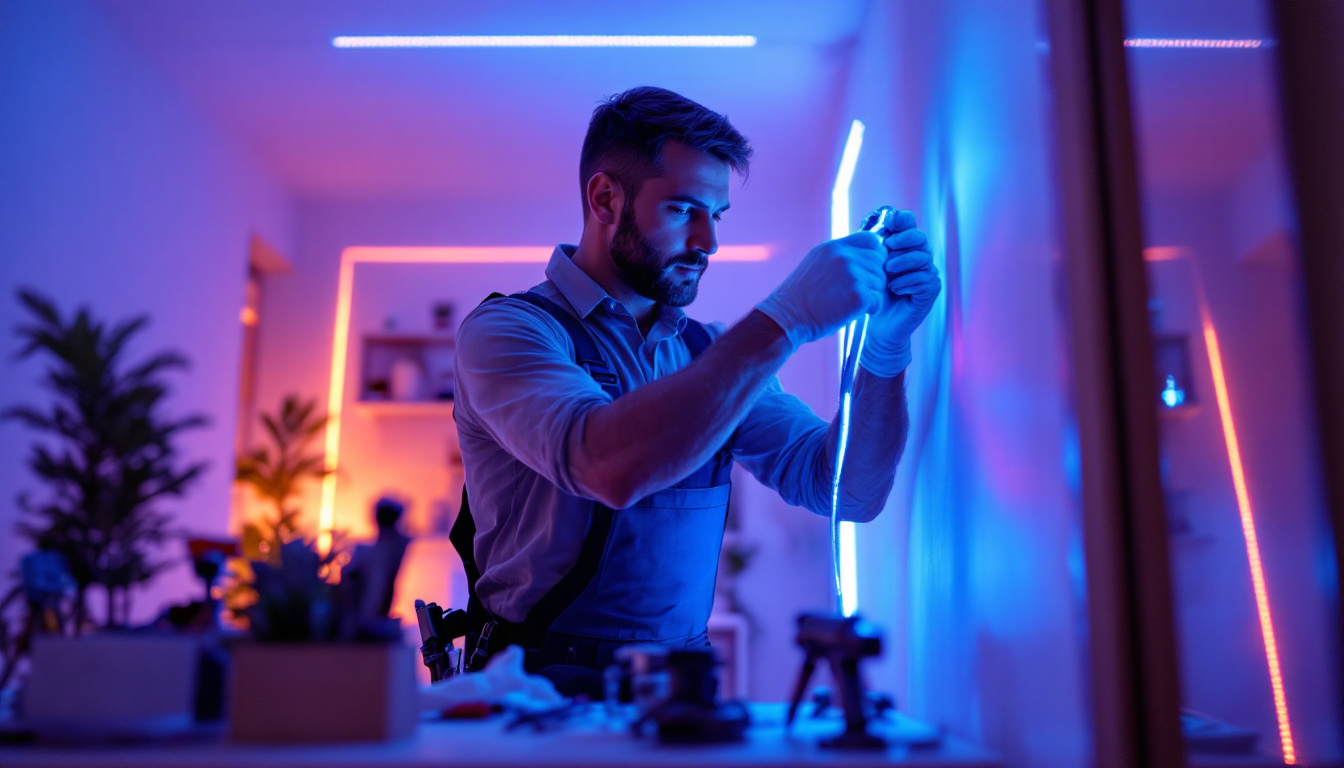
Precision in Installation: The Foundation of Quality
Hard wired shop lights demand more than just basic electrical know-how. The difference between a standard installation and an exceptional one lies in the meticulous attention to detail that top lighting contractors apply. From ensuring proper circuit load calculations to selecting the right wire gauge, every step impacts the safety and performance of the lighting system.
One common oversight is neglecting to verify the existing electrical infrastructure before installation. Experienced contractors will assess the shop’s current wiring and breaker capacity, preventing overloads that could lead to tripped breakers or, worse, fire hazards. They also ensure that all connections are secure and compliant with local electrical codes, which varies by region but always prioritizes safety and durability.
Another aspect that sets professionals apart is their approach to mounting and positioning. Hard wired shop lights should illuminate work areas evenly without causing glare or shadows. Skilled contractors take the time to plan fixture placement strategically, sometimes using lighting design software or hand calculations to optimize coverage. This not only improves visibility but enhances productivity and reduces eye strain for workers.
Moreover, the choice of lighting technology plays a crucial role in the overall effectiveness of the installation. LED fixtures, for instance, have gained popularity due to their energy efficiency and long lifespan. Professional contractors often recommend LED options that provide a high Color Rendering Index (CRI), ensuring that colors appear true and vibrant, which is especially important in environments where color accuracy is critical, such as automotive or painting shops. Additionally, they may integrate dimming systems or smart controls that allow for adjustable brightness levels, catering to different tasks and preferences throughout the day.
Furthermore, the aesthetic aspect of lighting installations should not be overlooked. A well-designed lighting scheme can transform a workspace, making it not only functional but visually appealing. Contractors often consider the architectural elements of the shop, selecting fixtures that complement the overall design while providing the necessary illumination. This attention to aesthetics can enhance employee morale and create a more inviting atmosphere for clients and visitors, showcasing the professionalism of the business. Ultimately, a thoughtful approach to both the technical and aesthetic components of hard wired shop light installation can lead to a more efficient, safe, and enjoyable working environment.
Choosing the Right Fixtures and Components
Not all shop lights are created equal. Top contractors understand the nuances between different types of fixtures—LED, fluorescent, high-intensity discharge (HID), and more—and how each fits specific shop environments. For instance, LED fixtures have become the industry standard due to their energy efficiency, longevity, and low heat output. However, the quality of LED fixtures varies widely, and contractors who insist on premium brands ensure consistent light quality and fewer replacements. The lumens per watt ratio is a critical factor, as it determines how much light is produced for each watt of energy consumed. This not only impacts the operational costs but also the overall effectiveness of the lighting in enhancing visibility and safety in the workspace.
Beyond the fixtures themselves, the choice of components like drivers, ballasts, and mounting hardware plays a critical role. High-quality drivers improve energy efficiency and reduce flickering, which can be a significant annoyance in workspaces. Contractors who source components from reputable manufacturers avoid the pitfalls of subpar parts that can cause premature failure or inconsistent performance. Moreover, the installation of smart ballasts can allow for better control over the lighting system, enabling features such as dimming and scheduling, which can further optimize energy usage and adapt to varying work conditions throughout the day.
Custom Solutions for Unique Shop Environments
Every shop has its own set of challenges—whether it’s a dusty woodworking space, a greasy automotive bay, or a humid metal fabrication area. Top lighting contractors don’t just install off-the-shelf solutions; they tailor systems to withstand environmental stresses. This might mean using sealed fixtures with higher IP ratings in areas prone to moisture or dust, or incorporating vibration-resistant mounts in heavy machinery zones. The choice of color temperature is also crucial; for example, cooler temperatures can enhance focus and alertness in automotive shops, while warmer tones may be more appropriate for woodworking environments, creating a more inviting atmosphere.
Additionally, contractors often integrate controls such as dimmers, occupancy sensors, and daylight harvesting systems. These features not only conserve energy but also extend the life of the lighting system. The ability to customize lighting controls according to the shop’s workflow is a hallmark of expert contractors who think beyond the initial installation. For instance, in a busy automotive shop, occupancy sensors can automatically adjust lighting based on the presence of workers, ensuring that lights are only on when needed. This not only saves energy but also reduces wear on the fixtures, leading to lower maintenance costs over time. Furthermore, integrating smart technology can allow for remote monitoring and adjustments, providing shop owners with real-time data on energy consumption and lighting performance, fostering a more efficient and productive work environment.
Compliance and Safety: Non-Negotiable Standards
Hard wired lighting systems are subject to stringent safety codes and regulations. Top contractors stay current with the National Electrical Code (NEC) and local amendments, ensuring every installation passes inspection without issue. They also prioritize grounding and bonding practices, which are critical to preventing electrical shocks and fires. In addition to these foundational elements, contractors often implement advanced safety measures, such as using arc-fault circuit interrupters (AFCIs) and ground-fault circuit interrupters (GFCIs). These devices provide an extra layer of protection, automatically shutting off electrical circuits when they detect anomalies, thereby safeguarding both the property and its occupants.
Beyond code compliance, these contractors conduct thorough testing after installation. This includes verifying voltage levels, checking for proper circuit protection, and ensuring all fixtures operate as intended. They document their work meticulously, providing clients with detailed reports that can be invaluable for future maintenance or upgrades. Furthermore, many contractors utilize state-of-the-art diagnostic tools to assess the efficiency of the lighting systems, identifying any potential issues before they escalate. This proactive approach not only enhances safety but also optimizes energy consumption, aligning with the growing demand for sustainable practices in the industry.
Training and Certification: A Mark of Expertise
Leading contractors invest in ongoing education and certification. Many hold credentials such as Certified Lighting Efficiency Professional (CLEP) or Electrical Contractor licenses that demonstrate a commitment to excellence. This training equips them to handle complex lighting designs and troubleshoot issues that less experienced installers might miss. Additionally, they often participate in workshops and seminars focused on the latest technological advancements in lighting, such as smart lighting systems and energy-efficient LED solutions. This continuous learning ensures they remain at the forefront of industry trends, allowing them to offer innovative solutions to their clients.
They also train their teams rigorously, emphasizing safety protocols and best practices. This reduces the risk of accidents on the job and ensures consistent quality across projects. For clients, working with a certified contractor means peace of mind that the job will be done right the first time. Moreover, these contractors often foster a culture of safety and accountability, encouraging team members to voice concerns and share insights. This collaborative environment not only enhances team morale but also leads to more effective problem-solving and higher overall project quality, ultimately benefiting the clients they serve.
Project Management and Client Communication
Top lighting contractors excel not only in technical skills but also in managing projects efficiently. They provide clear timelines, transparent pricing, and regular updates throughout the installation process. This level of communication minimizes surprises and builds trust with clients.
They also offer post-installation support, including maintenance plans and troubleshooting services. This ongoing relationship helps shops maintain optimal lighting conditions and quickly address any issues that arise, reducing downtime and repair costs.
Case Study: Transforming a Manufacturing Shop
A manufacturing facility struggling with dim, flickering fluorescent lights turned to a top-tier lighting contractor for a hard wired LED retrofit. The contractor began with a comprehensive site assessment, identifying areas of insufficient light and outdated wiring. They designed a custom lighting layout that improved illumination by 40%, reduced energy consumption by 35%, and eliminated flicker entirely.
Throughout the project, the contractor communicated clearly with the facility manager, scheduling work to minimize disruption. After installation, they provided training on the new control systems and scheduled follow-up visits to ensure everything functioned smoothly. The result was a safer, more productive workspace with lighting tailored precisely to the shop’s needs.
Why Investing in Top Contractors Pays Off
Choosing a skilled lighting contractor for hard wired shop lights is an investment that pays dividends in safety, efficiency, and longevity. Poor installations can lead to costly repairs, frequent fixture replacements, and even liability issues. In contrast, expert contractors deliver systems that stand the test of time and enhance operational effectiveness.
Moreover, energy-efficient lighting solutions reduce utility bills and contribute to sustainability goals. Many shops qualify for rebates or incentives when upgrading to high-efficiency fixtures, but only contractors familiar with these programs can help clients navigate the application process successfully.
Final Thoughts
Hard wired shop lights are more than just fixtures on a ceiling-they are critical components of a safe, productive work environment. The contractors who stand out in this field combine technical expertise, attention to detail, and excellent client service. They understand that every shop is unique and approach each project with tailored solutions that meet specific needs.
For lighting contractors aiming to elevate their craft, focusing on quality installation, component selection, compliance, and communication will set them apart. The result is not just better lighting but stronger client relationships and a reputation for excellence in the industry.
Illuminate Your Projects with LumenWholesale
Ready to elevate your installations and outshine the competition? At LumenWholesale, we provide lighting contractors with the high-quality, spec-grade lighting products you need to create exceptional work environments. With our unbeatable wholesale prices and no middleman markups, you can access superior lighting products that meet the highest industry standards. Plus, with free shipping on bulk orders, you can enjoy premium lighting at the best value — without hidden fees or compromises. Don’t settle for less; choose LumenWholesale for quality, affordability, and convenience. Wholesale Lighting at the Best Value is just a click away.