Understanding Gas Looking Light Bulbs
Gas looking light bulbs, often referred to as decorative filament bulbs or vintage-style bulbs, have surged in popularity among designers and homeowners. They mimic the warm glow and intricate filament designs of early incandescent bulbs but often incorporate modern technologies such as LED or halogen. These bulbs are more than just nostalgic pieces; they offer a unique aesthetic that blends old-world charm with contemporary efficiency.
For lighting contractors, recognizing the distinct characteristics of these bulbs is crucial. Their design typically features visible filaments arranged in artistic patterns, encased in clear or tinted glass. This transparency showcases the bulb’s internal structure, making the bulb itself a focal point in lighting design rather than just a source of illumination. The interplay of light and shadow created by these bulbs can transform a space, adding depth and warmth that standard lighting often lacks.
What Makes Gas Looking Bulbs Different?
Unlike standard bulbs that prioritize function over form, gas looking bulbs emphasize style. The filaments inside are often shaped into spirals, zigzags, or other decorative forms, creating captivating light patterns. Additionally, many of these bulbs use inert gases like argon or nitrogen to protect the filament and improve lifespan, which is where the term “gas looking” originates. This unique construction not only enhances the aesthetic appeal but also contributes to a more stable and efficient performance over time.
While traditional incandescent bulbs consume more energy and have shorter lifespans, many gas looking bulbs now incorporate LED technology, offering energy efficiency without sacrificing the vintage look. This blend of aesthetics and performance opens up new possibilities for lighting contractors aiming to deliver both beauty and practicality. Furthermore, the versatility of gas looking bulbs allows them to be used in a variety of settings, from cozy cafes and restaurants to modern homes and outdoor patios. Their ability to create a warm and inviting atmosphere makes them a popular choice for both residential and commercial applications, allowing designers to craft spaces that feel both timeless and contemporary.
Why Lighting Contractors Should Incorporate Gas Looking Bulbs
Lighting contractors are always searching for ways to meet client demands while optimizing installation efficiency and long-term maintenance. Gas looking light bulbs offer several advantages that align perfectly with these goals.
Enhancing Client Appeal with Unique Aesthetics
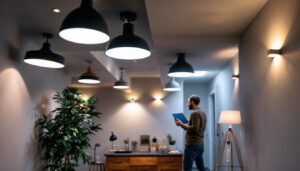
Clients increasingly seek lighting solutions that do more than illuminate—they want fixtures that add personality and ambiance to their spaces. Gas looking bulbs cater to this demand by providing a warm, inviting glow with a visually interesting filament design. Whether it’s a trendy café, a boutique retail store, or a residential project, these bulbs can elevate the overall atmosphere.
Incorporating these bulbs into your projects can differentiate your offerings from competitors. They allow contractors to propose lighting schemes that are not only functional but also visually compelling, helping clients achieve a distinctive look without extensive fixture modifications. The nostalgic charm of gas looking bulbs can evoke a sense of warmth and comfort, making spaces feel more welcoming. This emotional connection to lighting can be a significant factor in a client’s decision-making process, as they often want their environments to reflect their personal style and values.
Energy Efficiency and Longevity
Modern gas looking bulbs, especially those using LED technology, consume significantly less energy than traditional incandescent bulbs. This translates to lower electricity bills for clients, an important selling point when discussing long-term value. Additionally, LEDs boast lifespans that can exceed 15,000 hours, reducing the frequency of replacements and maintenance calls.
For contractors, this means fewer callbacks and enhanced client satisfaction. Offering energy-efficient gas looking bulbs positions you as a forward-thinking professional who balances style with sustainability. Furthermore, many clients are becoming increasingly environmentally conscious, making energy-efficient lighting solutions a key consideration in their purchasing decisions. By promoting the eco-friendly aspects of gas looking bulbs, contractors can appeal to this growing demographic, reinforcing their commitment to sustainability while enhancing their marketability.
Versatility Across Projects
These bulbs are incredibly versatile. They work well in exposed fixtures, pendant lights, chandeliers, and even outdoor lanterns. Their compatibility with dimmers adds another layer of customization, allowing clients to adjust ambiance easily.
Whether working on a restoration project that demands period-accurate lighting or a modern space seeking an industrial edge, gas looking bulbs can fit seamlessly. This adaptability makes them a valuable tool in a lighting contractor’s arsenal. Additionally, the variety of shapes and sizes available in gas looking bulbs means that contractors can tailor their selections to suit the specific needs of each project, whether it’s a cozy nook or a grand foyer. This level of customization not only enhances the aesthetic appeal but also allows for creative lighting designs that can transform any space into a work of art, further solidifying the contractor’s reputation as a skilled and innovative professional in the industry.
Practical Considerations for Installation and Maintenance
While the benefits are clear, understanding the practical aspects of installing and maintaining gas looking bulbs ensures smooth project execution and client satisfaction.
Compatibility with Fixtures and Controls
Not all gas looking bulbs are created equal. Contractors must verify that the bulbs are compatible with existing fixtures and control systems. For example, LED filament bulbs require compatible dimmers to avoid flickering or reduced dimming range. Confirming this compatibility before installation prevents costly adjustments later.
Additionally, the bulb’s size and shape should match the fixture’s design. Some vintage-style bulbs are larger or have unique shapes that may not fit standard sockets or shades. Careful selection during the planning phase avoids issues on site.
Handling and Installation Tips
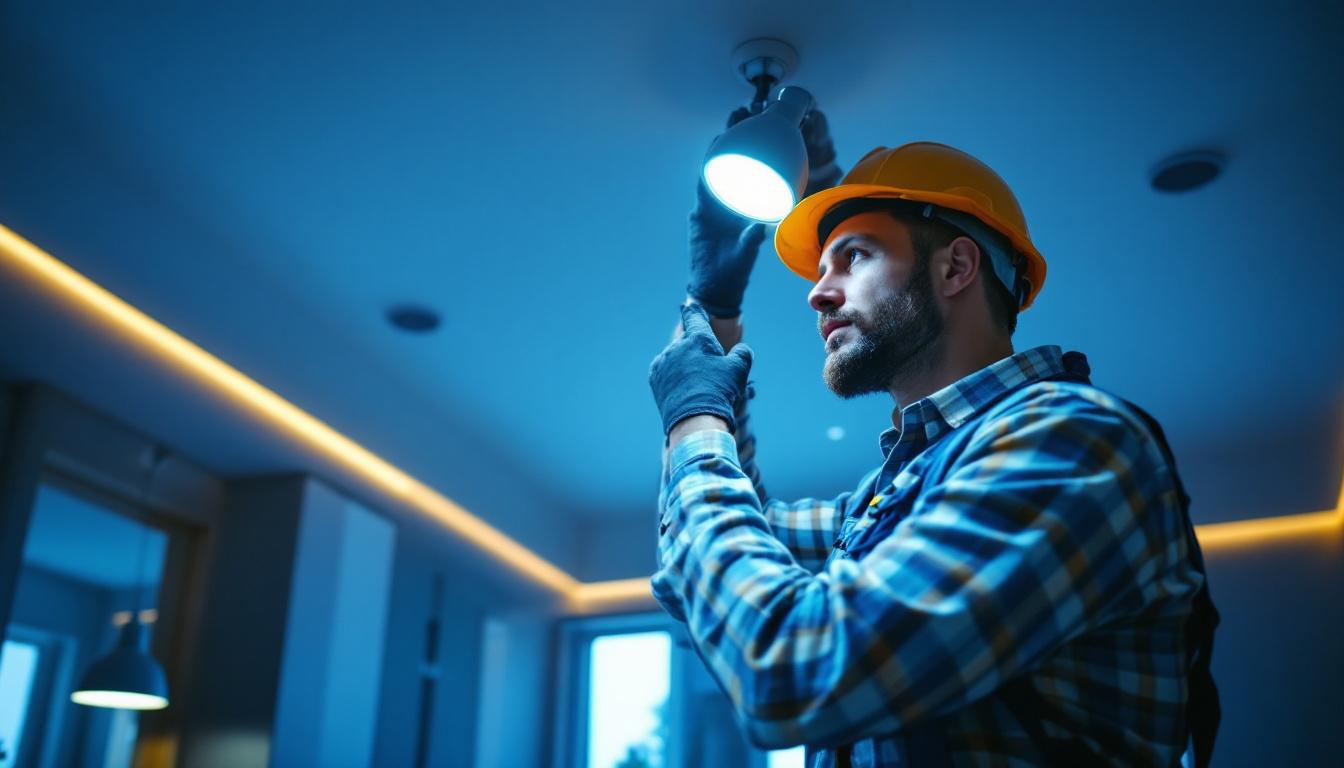
Due to their decorative filaments and glass envelopes, gas looking bulbs can be more fragile than standard bulbs. Contractors should handle them with care, avoiding direct contact with the glass surface to prevent oils from skin causing hot spots and premature failure.
Ensuring secure installation is also key. Loose bulbs can cause flickering or damage the fixture. Using gloves and appropriate tools can help maintain bulb integrity during installation.
Maintenance and Replacement Strategies
Despite their longer lifespan, gas looking bulbs will eventually need replacement. Advising clients on maintenance schedules and providing easy access to replacement bulbs enhances the overall service experience. Keeping a stock of popular bulb types and designs can speed up service calls and reduce downtime for clients.
Educating clients about cleaning and care, such as gently dusting bulbs to maintain brightness and avoiding harsh chemicals, can also prolong bulb life and preserve their aesthetic appeal.
Marketing Gas Looking Bulbs to Clients
Lighting contractors who effectively communicate the benefits of gas looking bulbs can tap into growing market demand. Here are some strategies to consider.
Showcasing Visual Impact
Use high-quality photos and real-life examples to demonstrate how gas looking bulbs transform spaces. Before-and-after images or mood boards can help clients visualize the difference these bulbs make.
Offering sample installations or temporary displays in showrooms or client meetings can also provide a tactile experience, building confidence in the product’s appeal.
Highlighting Cost Savings and Sustainability
Clients appreciate understanding the financial and environmental benefits of their purchases. Presenting clear data on energy savings and bulb longevity can justify initial costs and position gas looking bulbs as a smart investment.
Including information about reduced maintenance and the bulbs’ compatibility with energy-efficient systems further strengthens the case.
Tailoring Recommendations to Client Needs
Every project is different. Lighting contractors should assess the client’s style preferences, functional requirements, and budget before recommending gas looking bulbs. Offering a range of options-from classic amber filaments to more modern clear LEDs-ensures the solution fits the project perfectly.
Providing expert guidance on bulb placement, fixture pairing, and dimming options adds value and reinforces the contractor’s role as a trusted advisor.
Future Trends and Opportunities
The lighting industry continues to evolve, and gas looking bulbs are positioned to play a significant role in upcoming trends.
Integration with Smart Lighting Systems
Smart home and commercial lighting controls are becoming standard. Gas looking bulbs compatible with smart dimmers, color temperature adjustments, and remote controls will offer contractors new ways to enhance client experiences.
Staying informed about these technologies allows contractors to offer cutting-edge solutions that blend vintage aesthetics with modern convenience.
Expanding Design Innovations
Manufacturers are experimenting with filament shapes, glass colors, and bulb sizes, expanding the creative possibilities. Lighting contractors who keep up with these innovations can offer clients truly unique lighting schemes.
Customizable filament designs and specialty finishes may soon become standard options, providing even more differentiation in the marketplace.
Emphasis on Sustainability
As sustainability continues to influence purchasing decisions, gas looking bulbs that use recyclable materials, low-impact manufacturing processes, and energy-saving technologies will gain traction. Contractors who prioritize eco-friendly products can appeal to environmentally conscious clients and contribute to greener building practices.
Conclusion: A Valuable Addition to the Lighting Contractor’s Toolkit
Gas looking light bulbs combine timeless style with modern efficiency, offering lighting contractors a versatile and attractive option for a wide range of projects. Their unique aesthetic appeal helps clients create memorable spaces, while energy efficiency and longevity reduce operational costs and maintenance demands.
By understanding the technical considerations, installation best practices, and effective marketing approaches, contractors can confidently integrate gas looking bulbs into their offerings. Staying ahead of trends and embracing innovation will further enhance their ability to meet evolving client needs.
Ultimately, gas looking light bulbs are more than just decorative elements-they are strategic tools that lighting contractors can leverage to deliver superior results and build lasting client relationships.
Illuminate Your Projects with LumenWholesale
Ready to enhance your lighting projects with the unique charm and efficiency of gas looking light bulbs? At LumenWholesale, we provide lighting contractors with an exceptional range of spec-grade lighting products at unbeatable wholesale prices. Say goodbye to local distributor markups and hello to high-quality lighting that meets the highest industry standards. With our hassle-free bulk buying and free shipping, you can stock up on premium lighting solutions that will make your projects shine. Don’t compromise on quality or value—visit LumenWholesale today and discover the perfect blend of quality, affordability, and convenience for all your lighting needs.