Understanding the Demands of 400W LED Flood Lights
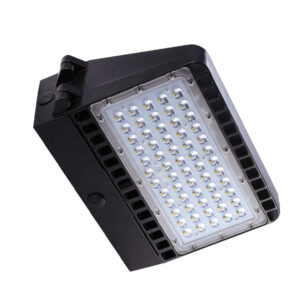
LED flood lights rated at 400 watts are powerful fixtures designed to illuminate large outdoor spaces such as stadiums, parking lots, construction sites, and industrial areas. Their high lumen output makes them a preferred choice for contractors tasked with delivering bright, uniform lighting over expansive areas. However, the impressive power of these lights brings a unique set of challenges that contractors must navigate to ensure successful installations and long-term performance.
One of the first hurdles is grasping the technical specifications and performance characteristics of these high-wattage LEDs. Unlike traditional lighting solutions, 400W LED flood lights operate with different electrical and thermal profiles, requiring contractors to adapt their installation techniques and component selections accordingly. Without a solid understanding, it’s easy to encounter issues such as improper wiring, overheating, or suboptimal light distribution.
Moreover, the installation of 400W LED flood lights often necessitates a thorough assessment of the existing electrical infrastructure. Many older systems may not support the power requirements of these advanced fixtures, leading to potential safety hazards or performance issues. Contractors must evaluate circuit capacities, ensuring that the wiring is adequate to handle the increased load, and consider integrating surge protection devices to safeguard against voltage spikes that could damage the LEDs. This proactive approach not only enhances safety but also extends the lifespan of the lighting system.
Additionally, the placement and angle of installation play a crucial role in maximizing the effectiveness of 400W LED flood lights. Properly positioning these fixtures can significantly reduce glare and ensure that light is evenly distributed across the intended area. This often involves utilizing specialized mounting brackets or adjustable poles to achieve the desired height and orientation. Furthermore, contractors should consider the surrounding environment, including potential obstructions like trees or buildings, which could cast shadows or interfere with the light output. By meticulously planning the layout and installation, contractors can create a well-lit space that enhances visibility and safety for all users.
Challenge 1: Managing Heat Dissipation Effectively
Heat Generation and Its Impact on LED Performance
Even though LED technology is more energy-efficient than traditional lighting, a 400W LED flood light still generates a significant amount of heat. This heat, if not managed properly, can degrade the LED chips and driver components, reducing the lifespan and efficiency of the fixture. Lighting contractors must prioritize thermal management during installation.
Many 400W LED flood lights come equipped with heat sinks and cooling fans, but these systems can only do so much if the fixture is installed in a confined or poorly ventilated space. Contractors need to evaluate the mounting location carefully, ensuring there is adequate airflow around the fixture. Installing lights too close to walls or other structures can trap heat, accelerating wear and increasing maintenance costs down the line. Furthermore, the positioning of the fixture can also affect the light distribution and overall effectiveness of the illumination, making proper placement crucial not just for heat management, but also for achieving optimal lighting performance.
Best Practices for Thermal Management
Using thermal imaging tools during and after installation can help identify hotspots and verify that heat dissipation is functioning as intended. Selecting fixtures with high-quality heat sinks made from materials like aluminum can also improve thermal conductivity. Additionally, contractors should educate clients on the importance of periodic cleaning to prevent dust buildup, which can insulate heat sinks and reduce cooling efficiency. Regular maintenance checks can ensure that any potential issues are addressed before they escalate, thereby extending the lifespan of the LED fixtures and maintaining their performance over time.
Another effective strategy is to incorporate smart technology that monitors temperature levels in real-time. This can alert contractors or facility managers to any irregularities that may indicate overheating, allowing for timely interventions. Moreover, considering the use of external cooling solutions, such as strategically placed fans or air conditioning units in high-heat environments, can further enhance thermal management. By adopting a proactive approach to heat dissipation, contractors can not only improve the reliability of LED flood lights but also enhance overall energy efficiency, aligning with the growing demand for sustainable lighting solutions.
Challenge 2: Electrical Load and Power Supply Considerations
Ensuring Compatible and Stable Power Sources
Supplying power to a 400W LED flood light is not as straightforward as plugging in a standard bulb. These fixtures require stable, high-capacity power sources capable of handling their electrical load without voltage fluctuations or surges. Contractors must assess the existing electrical infrastructure to confirm it can support the new installation.
In many cases, older wiring systems or panels might not be rated for the current demands of multiple 400W LEDs. Overloading circuits can lead to tripped breakers, wiring damage, or even fire hazards. Lighting contractors need to coordinate with electricians or electrical engineers to upgrade circuits or install dedicated lines when necessary.
Choosing the Right Drivers and Controls
LED drivers are critical components that regulate the power delivered to the LEDs. Selecting a driver that matches the flood light’s specifications ensures consistent performance and protects against electrical issues. Some drivers offer dimming capabilities or smart controls, which can add complexity but also enhance energy savings and flexibility.
Contractors should verify driver compatibility and consider environmental ratings, especially for outdoor installations exposed to moisture or dust. Using drivers with built-in surge protection can safeguard the system against lightning strikes or grid disturbances, a common concern in outdoor lighting projects.
Challenge 3: Achieving Optimal Light Distribution and Glare Control
Balancing Brightness and Uniformity
One of the main goals when installing 400W LED flood lights is to achieve even illumination across the target area. Uneven lighting can create dark spots or overly bright zones, which not only reduce visibility but can also cause discomfort or safety hazards. Lighting contractors must carefully plan fixture placement and aiming angles to maximize coverage.
Using photometric data and lighting design software can help predict how the light will spread in a given environment. This step is crucial for large-scale projects like sports fields or parking lots, where precise lighting levels are often mandated by regulations or client specifications.
Controlling Glare and Light Pollution
High-powered flood lights can produce intense glare if not properly shielded or directed. Glare can impair vision for drivers, pedestrians, and workers, leading to accidents or complaints. Contractors should select fixtures with appropriate beam angles and consider accessories like louvers or shields to minimize unwanted light spill.
Additionally, light pollution is an increasing concern in urban and suburban areas. Excessive upward or sideways light can disrupt wildlife and disturb nearby residents. Implementing dark-sky friendly lighting practices, such as using fully shielded fixtures and limiting operating hours, demonstrates responsible lighting design and can improve client satisfaction.
Challenge 4: Installation Logistics and Safety Protocols
Handling the Size and Weight of 400W Fixtures
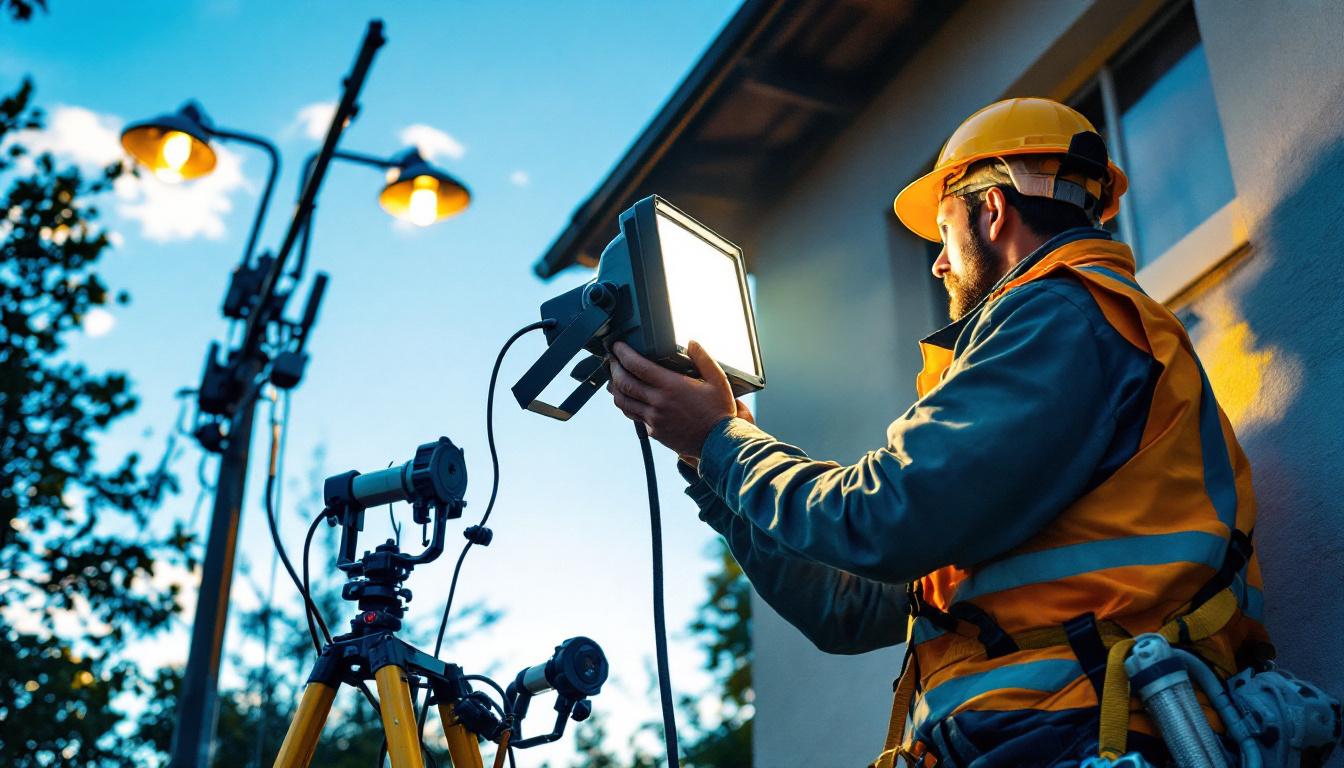
Compared to smaller LED fixtures, 400W flood lights are bulkier and heavier. This can complicate transportation, mounting, and positioning, especially in elevated or hard-to-reach locations. Lighting contractors must plan for the appropriate equipment, such as lifts or scaffolding, and ensure that mounting structures can support the load safely.
Improper handling or insecure mounting can lead to fixture damage or pose safety risks to workers and the public. Using manufacturer-recommended brackets and hardware is essential, as is following best practices for torque and fastening.
Compliance with Safety Standards and Regulations
Outdoor lighting installations must comply with local electrical codes, occupational safety standards, and sometimes environmental regulations. Lighting contractors are responsible for securing necessary permits and ensuring all work meets these requirements.
Working at heights introduces additional hazards. Contractors should implement fall protection measures, conduct risk assessments, and train personnel on safe installation procedures. Proper personal protective equipment (PPE) and clear communication on site can prevent accidents and project delays.
Challenge 5: Maintenance and Longevity Considerations
Planning for Easy Access and Serviceability
Even the most robust 400W LED flood lights require periodic maintenance to sustain performance. Dust accumulation, moisture ingress, or component wear can degrade lighting quality over time. Contractors should advise clients on maintenance schedules and design installations that allow easy access for cleaning and repairs.
Choosing fixtures with modular components can simplify replacements and reduce downtime. Documenting installation details, including wiring diagrams and driver specifications, helps streamline future servicing.
Predicting and Mitigating Failure Modes
Common failure points in high-wattage LED flood lights include driver burnout, LED chip degradation, and corrosion of connectors. Contractors can mitigate these risks by selecting high-quality products from reputable manufacturers and ensuring proper installation conditions.
Regular inspections and performance monitoring, potentially through smart lighting systems, can detect early signs of failure. Proactive maintenance reduces costly emergency repairs and extends the overall lifespan of the lighting system.
Conclusion: Navigating Complexities with Expertise
Installing 400W LED flood lights is a demanding task that requires a deep understanding of electrical systems, thermal management, lighting design, and safety protocols. Lighting contractors who approach these challenges with thorough planning and attention to detail can deliver installations that perform reliably and efficiently for years.
Staying current with industry standards, leveraging advanced tools, and fostering clear communication with clients and other tradespeople are key to overcoming the hurdles associated with high-powered LED flood lighting. Ultimately, the goal is to provide bright, safe, and sustainable illumination that meets the needs of any large-scale outdoor environment.
Illuminate Your Projects with LumenWholesale
Ready to tackle the challenges of installing high-powered 400W LED flood lights? Choose LumenWholesale for your lighting needs and benefit from our commitment to quality and affordability. Our spec-grade lighting products are designed to meet the rigorous demands of any project, ensuring durability and performance. By partnering with us, you’ll enjoy unbeatable wholesale prices, free shipping, and the convenience of bulk buying without the hassle. Elevate your lighting installations with the confidence that comes from using top-tier products. Wholesale Lighting at the Best Value is just a click away—transform your lighting solutions with LumenWholesale today.