Understanding Lumens: The True Measure of Brightness
When discussing lighting, the term “lumens” often comes up, but what does it actually mean? Lumens measure the total amount of visible light emitted by a source. Unlike watts, which indicate energy consumption, lumens directly quantify brightness. This distinction is crucial for lighting contractors aiming to balance illumination needs with energy efficiency.
For example, a standard 60-watt incandescent bulb produces about 800 lumens. So, when someone asks if 4000 lumens is bright, the answer depends on context. It’s roughly equivalent to the light output of five 60-watt incandescent bulbs combined. This level of brightness is substantial and suitable for various commercial and residential applications.
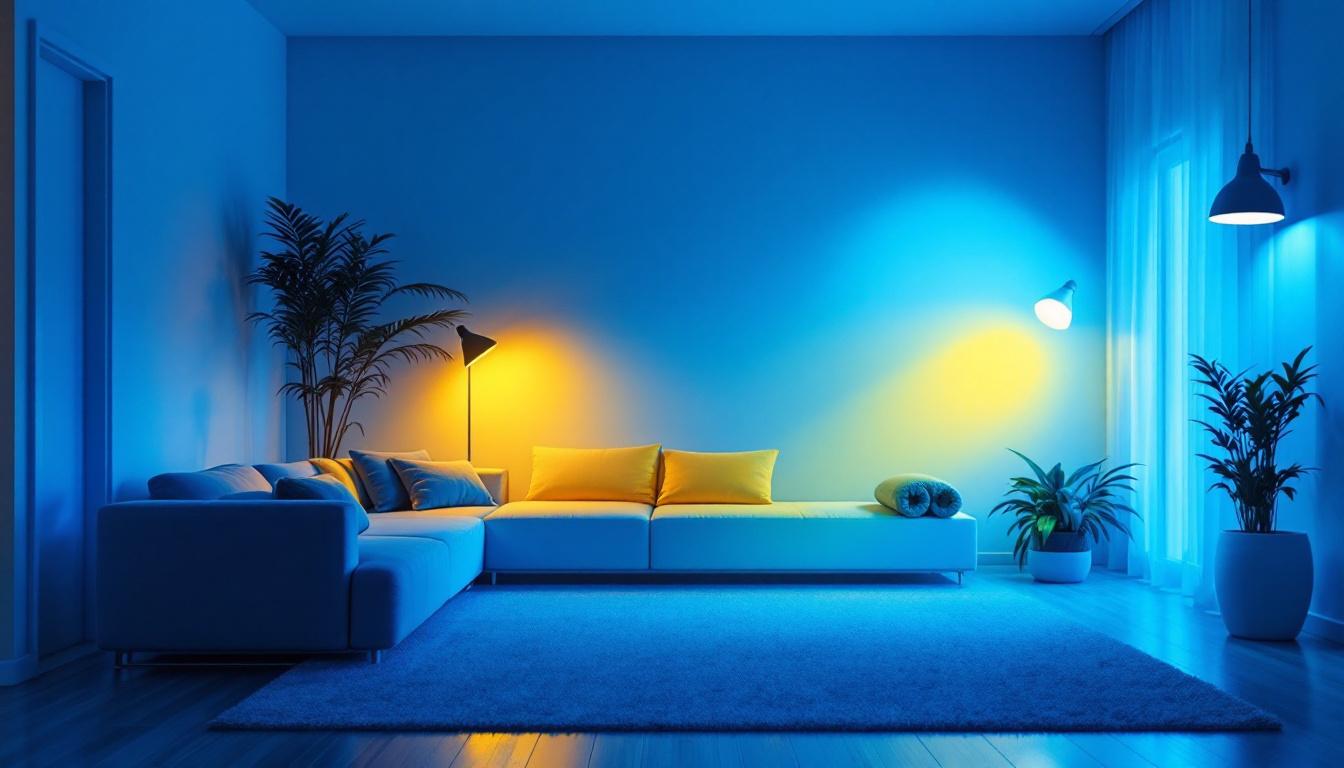
Understanding lumens is particularly important when selecting lighting for specific tasks or environments. For instance, areas requiring detailed work, such as kitchens or home offices, benefit from higher lumen outputs to ensure clarity and reduce eye strain. In contrast, ambient lighting in living rooms or bedrooms can be softer, with lower lumen levels creating a more relaxed atmosphere. The interplay between lumens and the color temperature of light, measured in Kelvins, also plays a significant role in how we perceive brightness and warmth in a space.
Moreover, the efficiency of modern lighting technologies, such as LED and fluorescent bulbs, has revolutionized how we think about lumens. These energy-efficient options can produce the same amount of lumens as traditional incandescent bulbs while consuming significantly less power. For example, an LED bulb that emits 800 lumens may only use around 10 watts of energy, making it a more sustainable choice. As consumers become more environmentally conscious, understanding lumens and their implications on energy consumption is essential for making informed decisions about lighting solutions.
Where Does 4000 Lumens Fit in Practical Lighting Applications?
Residential Settings
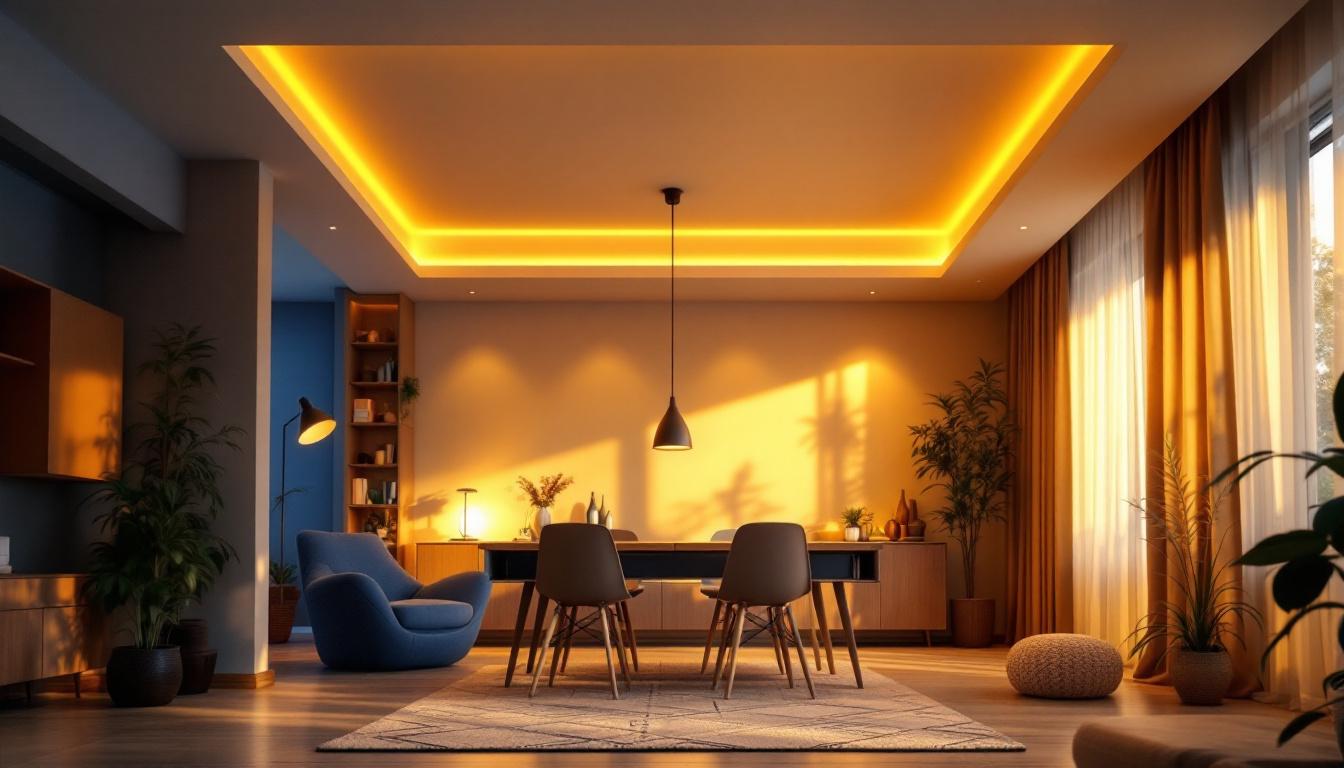
In homes, 4000 lumens can illuminate large rooms or multiple smaller spaces. For instance, a living room or kitchen often requires between 3000 and 4000 lumens to achieve comfortable, functional lighting. Using a single fixture or multiple fixtures that collectively produce 4000 lumens ensures even distribution and reduces shadows.
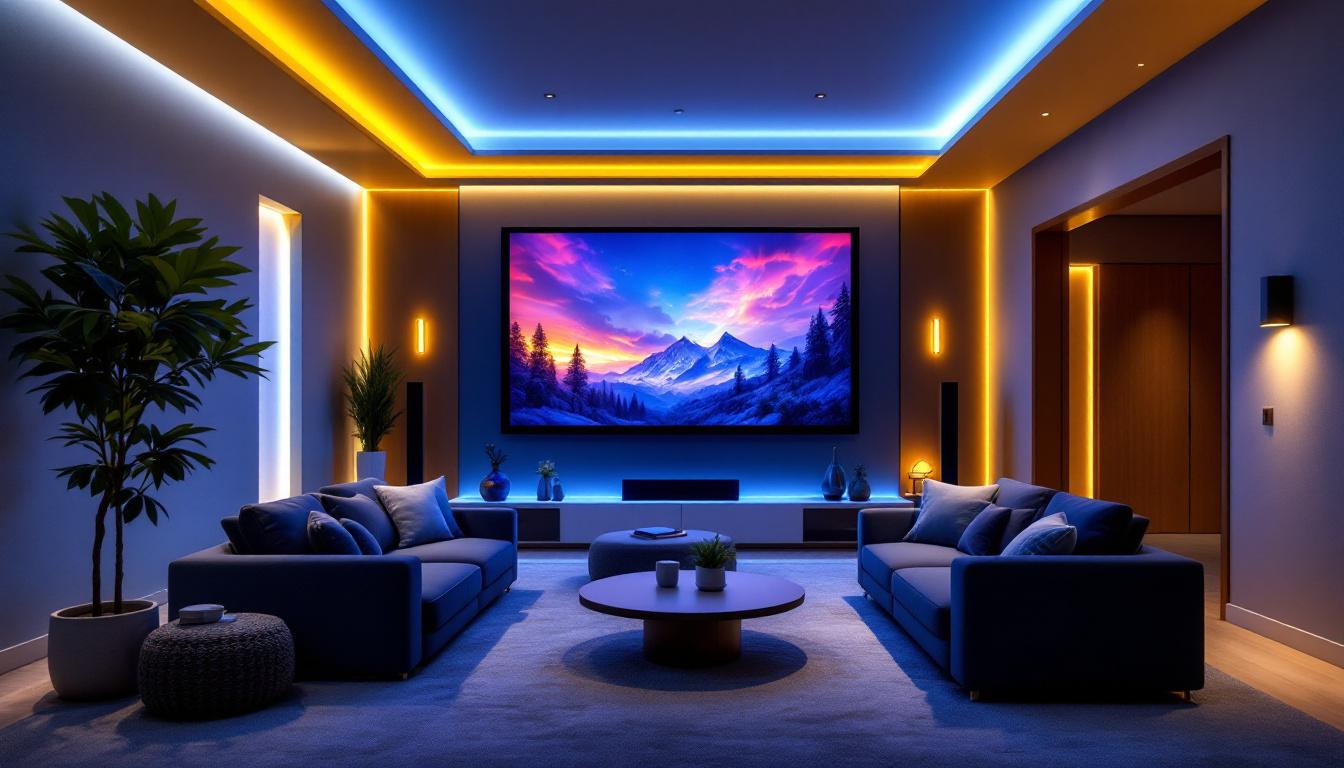
However, the color temperature and fixture design also influence perceived brightness. A 4000-lumen LED with a cool white color temperature (around 4000K to 5000K) will feel brighter and more clinical, ideal for task lighting. Meanwhile, warmer tones (2700K to 3000K) create a softer, cozier atmosphere even at the same lumen level. Additionally, dimmable fixtures can provide versatility, allowing homeowners to adjust the brightness according to the time of day or activity, whether it’s a family gathering or a quiet evening reading session.
Moreover, the placement of lighting fixtures plays a crucial role in maximizing the effectiveness of 4000 lumens. For example, strategically positioned recessed lighting can enhance architectural features or artwork, while pendant lights over kitchen islands can provide focused illumination for cooking and meal prep. Layering different types of lighting, such as ambient, task, and accent, can create a dynamic and inviting environment that caters to various needs throughout the day.
Commercial and Industrial Environments
Lighting contractors often encounter spaces that demand higher illumination. Warehouses, workshops, and retail stores might require fixtures outputting 4000 lumens or more to ensure safety and productivity. For example, a retail display spotlight with 4000 lumens can highlight merchandise effectively, drawing customer attention without overwhelming the space.
In industrial settings, bright, energy-efficient lighting improves visibility and reduces accidents. Here, 4000 lumens per fixture can be part of a layered lighting strategy, combining ambient, task, and accent lighting to optimize the environment. This approach not only enhances safety but also boosts employee morale and productivity by creating a well-lit and inviting workspace. Furthermore, integrating smart lighting systems can allow for real-time adjustments based on occupancy or natural light availability, ensuring that energy is used efficiently while maintaining optimal lighting conditions.
In addition, the choice of lighting technology plays a significant role in the overall effectiveness of illumination in commercial spaces. LED fixtures, which offer high lumen output with lower energy consumption, are increasingly favored for their longevity and minimal heat emission. This not only reduces operational costs but also contributes to a more sustainable business model. As regulations around energy efficiency become stricter, businesses that invest in high-lumen, energy-efficient lighting solutions can benefit from reduced utility bills and potential tax incentives, making a compelling case for upgrading their lighting systems.
Energy Efficiency and 4000 Lumens: What Contractors Should Know
Comparing Lumens per Watt
Energy efficiency hinges on how many lumens a light source produces per watt of power consumed. Modern LED technology can deliver around 100 to 150 lumens per watt, meaning a 4000-lumen LED fixture might only consume 27 to 40 watts. This contrasts sharply with older incandescent or halogen bulbs, which might require 250 to 300 watts to reach the same brightness.
For lighting contractors, specifying fixtures with high lumens per watt is key to reducing energy costs for clients. A 4000-lumen LED fixture is a smart choice when aiming to maintain brightness while minimizing electricity use. Moreover, the longevity of LED fixtures—often rated for 25,000 to 50,000 hours—further enhances their cost-effectiveness over time, as clients will experience fewer replacements and maintenance issues compared to traditional lighting options.
Impact on Lighting Design and Installation
Using high-lumen fixtures like those producing 4000 lumens can simplify lighting design. Fewer fixtures may be needed to achieve the desired illumination, which can reduce installation time and material costs. However, contractors must consider fixture placement carefully to avoid glare or uneven lighting. It’s essential to conduct a thorough lighting audit to assess the specific needs of the space, taking into account factors such as ceiling height, wall colors, and the intended use of the area.
Additionally, integrating dimmable 4000-lumen fixtures offers flexibility. Clients can adjust brightness to suit different activities or times of day, further enhancing energy savings and comfort. This adaptability is particularly beneficial in multi-functional spaces, such as conference rooms or living areas, where lighting needs can vary significantly throughout the day. Furthermore, the incorporation of smart lighting controls can elevate the user experience by allowing for automated adjustments based on occupancy or natural light levels, seamlessly blending energy efficiency with modern convenience.
Choosing the Right Fixture for 4000 Lumens
Fixture Types and Their Applications
Not all 4000-lumen fixtures are created equal. Downlights, panel lights, floodlights, and track lights each serve different purposes. For example, a 4000-lumen recessed downlight is perfect for ambient lighting in a large room, while a 4000-lumen floodlight suits outdoor security or landscape lighting.
Lighting contractors should assess the environment and client needs to select the appropriate fixture type. Factors such as beam angle, color rendering index (CRI), and IP rating for moisture resistance play significant roles in fixture performance.
Balancing Brightness with Aesthetics
Brightness is important, but so is the visual impact of the fixture. A bulky 4000-lumen fixture might overwhelm a small space or clash with interior design. Slim, modern LED panels or adjustable track heads can deliver high lumens discreetly.
Contractors should also consider glare control. High-lumen fixtures without proper diffusers or lenses can cause discomfort. Choosing fixtures with well-designed optics ensures that 4000 lumens translate into pleasant, effective illumination.
Common Misconceptions About 4000 Lumens
Is More Always Better?
It’s tempting to assume that higher lumens automatically mean better lighting. But too much brightness can lead to eye strain, glare, and wasted energy. For example, a small bedroom illuminated by a single 4000-lumen fixture might feel harsh and uncomfortable.
Lighting contractors must tailor lumen output to the space and purpose. Layered lighting strategies, combining lower-lumen fixtures with task and accent lighting, often provide the best results.
Watts vs. Lumens Confusion
Many clients still think in watts when discussing brightness. Explaining that lumens measure actual light output, while watts indicate energy use, helps clarify expectations. A 4000-lumen LED fixture might use only a fraction of the watts compared to an incandescent bulb producing the same brightness.
Educating clients on this distinction supports informed decisions and promotes energy-efficient lighting solutions.
Practical Tips for Lighting Contractors Working with 4000 Lumens Fixtures
Assessing Room Size and Function
Before specifying 4000-lumen fixtures, evaluate the room’s size and intended use. Larger rooms or spaces requiring detailed tasks benefit from higher lumen outputs. For ambient lighting, 20 lumens per square foot is a general guideline, but task areas may need 50 lumens or more per square foot.
Consider Color Temperature and CRI
Choosing the right color temperature affects how bright a space feels. Neutral to cool whites (3500K to 5000K) enhance perceived brightness and alertness, suitable for offices and workshops. Warm whites (2700K to 3000K) create inviting atmospheres in homes and hospitality settings.
High CRI (above 80) ensures colors appear natural under the light, important for retail and display environments.
Plan for Controls and Automation
Integrating dimmers, occupancy sensors, and daylight harvesting controls with 4000-lumen fixtures maximizes energy savings. These technologies adjust light output based on need, preventing over-illumination and reducing electricity bills.
Conclusion: Is 4000 Lumens Bright Enough?
Yes, 4000 lumens is bright-often more than enough for many residential, commercial, and industrial applications. For lighting contractors, understanding how to apply this level of brightness effectively can lead to energy-efficient, comfortable, and visually appealing spaces.
By focusing on lumens rather than watts, selecting the right fixtures, and incorporating smart controls, contractors can deliver lighting solutions that meet client needs while reducing environmental impact. Whether illuminating a large office, a retail display, or a cozy living room, 4000 lumens offers versatility and efficiency that should not be overlooked.
Illuminate Your Projects with LumenWholesale
Ready to brighten up your next project with energy-efficient lighting that doesn’t compromise on quality or cost? At LumenWholesale, we specialize in providing contractors with the best spec-grade lighting solutions. Our 4000-lumen fixtures and beyond will ensure your spaces shine with the right amount of light, all while keeping energy consumption low. Take advantage of our unbeatable wholesale prices, free shipping on bulk orders, and the convenience of cutting out the middleman. Elevate your lighting game and give your clients the brilliance they deserve. Discover the value and quality that LumenWholesale offers by visiting our extensive selection of premium lighting products at Wholesale Lighting at the Best Value.