Why 850 Lumens Matters in Lighting Projects
When selecting lighting tools, understanding lumen output is crucial. An output of 850 lumens strikes a balance between brightness and energy efficiency, making it a sweet spot for many lighting applications. For contractors, this level of brightness is often ideal for task lighting, accent lighting, and certain ambient lighting scenarios.
To put it simply, 850 lumens is roughly equivalent to the light produced by a traditional 60-watt incandescent bulb. However, with LED technology, achieving this brightness requires significantly less power, which translates into cost savings and longer-lasting fixtures. This lumen output is bright enough to illuminate workspaces without overwhelming the environment or causing glare.
Lighting contractors who understand the significance of lumens can better tailor their installations to client needs, ensuring both functionality and aesthetic appeal. It’s not just about brightness; it’s about delivering the right quality of light for the right application.
Moreover, the versatility of 850 lumens extends beyond just residential settings. In commercial environments, this level of brightness can enhance productivity by providing adequate illumination for detailed tasks, such as reading blueprints or assembling intricate components. Additionally, in retail spaces, 850 lumens can effectively highlight products without creating harsh shadows, thereby improving the shopping experience and encouraging customer engagement.
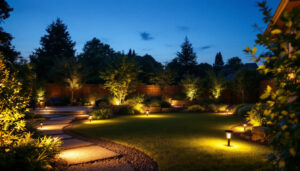
Furthermore, the application of 850 lumens is not limited to indoor spaces. Outdoor lighting projects, such as patios or garden pathways, can also benefit from this brightness level. It creates a welcoming atmosphere while ensuring safety and visibility during nighttime hours. By strategically placing fixtures that emit 850 lumens, contractors can design outdoor areas that are both functional and visually appealing, enhancing the overall ambiance of the property.
Key Tools Lighting Contractors Need for 850 Lumen Installations
High-Quality LED Bulbs and Fixtures
The foundation of any lighting project is the bulb or fixture itself. For 850 lumens, LED bulbs are the go-to choice. They offer consistent brightness, energy efficiency, and long life spans. Contractors should prioritize bulbs with a high Color Rendering Index (CRI) of 80 or above to ensure colors appear natural under the light.
Fixtures designed to optimize the distribution of 850 lumens are equally important. Recessed downlights, track lighting, and adjustable spotlights are common fixtures that work well within this brightness range. Selecting fixtures with dimming capabilities adds versatility, allowing clients to adjust lighting levels according to their needs. Furthermore, the aesthetic design of fixtures should not be overlooked; modern styles can enhance the overall ambiance of a space, making it not just functional but also visually appealing. Options such as sleek, minimalist designs or vintage-inspired fixtures can cater to various client preferences, ensuring that the lighting complements the interior decor.
Precision Light Meters
Accurate measurement tools are essential for verifying lumen output on-site. A precision light meter helps contractors confirm that the installed lighting meets design specifications. This is especially critical in commercial or industrial settings where compliance with lighting standards impacts safety and productivity.
Light meters also aid in troubleshooting. If a space feels too dim or too bright, measuring the actual lumens can pinpoint the problem. Investing in a reliable, easy-to-use light meter can save time and reduce costly rework. Additionally, advanced light meters can provide data on color temperature and spectral distribution, giving contractors a comprehensive understanding of how the lighting interacts with the environment. This information can be invaluable when making adjustments to achieve the desired aesthetic and functional outcomes.
Smart Lighting Control Systems
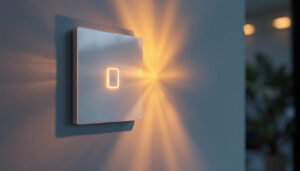
Integrating smart controls with 850 lumen fixtures enhances functionality. Lighting contractors should be familiar with systems that allow remote dimming, scheduling, and scene setting. These controls not only improve user experience but also contribute to energy savings by reducing unnecessary light usage.
Compatibility is key. Ensuring that smart controls work seamlessly with LED bulbs rated at 850 lumens prevents flickering, uneven dimming, or connectivity issues. Contractors who master smart lighting integration position themselves as forward-thinking professionals in a competitive market. Moreover, educating clients on the benefits of smart lighting—such as enhanced security through automated schedules and energy monitoring—can lead to increased customer satisfaction and repeat business. As more homeowners and businesses seek to adopt smart technology, having the expertise to implement these systems effectively can set a contractor apart from the competition, fostering long-term client relationships and referrals.
Applications Perfectly Suited for 850 Lumens
Task Lighting in Residential and Commercial Spaces
Task lighting demands focused illumination without causing eye strain. An 850-lumen output is ideal for kitchen counters, work desks, and reading areas. It provides sufficient brightness to complete detailed tasks without overwhelming the surroundings. For instance, in a kitchen, this level of brightness can illuminate cutting boards and food preparation areas, ensuring that every slice and chop is done with precision. In home offices, it can help reduce fatigue during long hours of work, allowing for better concentration and productivity.
In commercial environments like offices or retail stores, 850 lumens can highlight workstations or product displays effectively. Lighting contractors should consider fixture placement and beam angle to maximize the utility of this brightness level. Additionally, the use of dimmable fixtures can provide flexibility, allowing employees to adjust the brightness according to their specific tasks or preferences. This adaptability not only enhances functionality but also contributes to a more personalized and comfortable workspace.
Accent Lighting to Highlight Features
Accent lighting draws attention to architectural details, artwork, or decorative elements. Using 850 lumens in adjustable spotlights or wall washers can create dramatic effects without overpowering the space. This level of light adds depth and dimension, enhancing the overall ambiance. For example, strategically placed accent lights can illuminate a stunning piece of artwork, making it a focal point in a gallery or living room, while also creating a visually appealing contrast against the surrounding walls.
Lighting contractors must balance brightness with contrast. Too much light can flatten textures, while too little fails to highlight the feature. Achieving this balance with 850 lumens requires careful selection of fixtures and positioning. Moreover, incorporating colored filters or gels can further enhance the visual impact, allowing for creative expressions that resonate with the intended mood of the space. This thoughtful approach not only enhances aesthetics but also adds a layer of sophistication to the overall design.
Ambient Lighting for Comfortable Environments
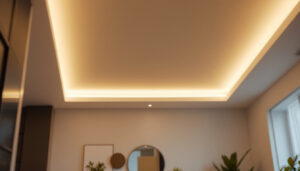
Ambient lighting sets the mood and provides general illumination. In smaller rooms or areas where softer light is preferred, 850 lumens per fixture can create a warm, inviting atmosphere. Layering multiple fixtures with this output allows for flexible lighting schemes. For instance, in a cozy reading nook, combining table lamps and wall sconces can create a harmonious glow that encourages relaxation and enjoyment of a good book. This layered approach ensures that the space feels well-lit yet comfortable, striking the perfect balance between functionality and ambiance.
Contractors should consider the color temperature alongside lumens. Warm white (2700K-3000K) combined with 850 lumens often feels cozy and relaxing, suitable for living rooms or hospitality settings. Furthermore, the integration of smart lighting technology can enhance the experience by allowing users to adjust the color temperature and brightness according to the time of day or activity. This versatility not only promotes comfort but also supports the dynamic needs of modern living, making spaces more adaptable to various moods and occasions.
Best Practices for Installing 850 Lumen Lighting Systems
Assessing the Space and Lighting Needs
Before installation, a thorough assessment of the space is essential. Factors like room size, wall color, ceiling height, and natural light availability influence how 850 lumens will perform. Lighting contractors should conduct detailed site surveys and consult with clients to understand usage patterns.
Using lighting design software or photometric reports can help predict how 850-lumen fixtures will illuminate the area. This proactive approach reduces guesswork and ensures client satisfaction.
Optimizing Fixture Placement
Placement impacts the effectiveness of 850 lumen lighting. Fixtures should be positioned to minimize shadows and glare while maximizing coverage. For example, in task lighting, placing fixtures directly above or slightly in front of the work area enhances visibility.
In accent lighting, aiming fixtures at a 30-degree angle to the highlighted object reduces unwanted shadows and hotspots. Contractors should also consider fixture height and beam angle to tailor the light spread.
Ensuring Electrical Compatibility and Safety
Proper wiring and compatibility with existing electrical systems are non-negotiable. Lighting contractors must verify that circuits can handle the load of new fixtures, even if LEDs consume less power. Using compatible dimmers and controls prevents flickering and extends fixture life.
Adhering to local electrical codes and standards safeguards both the contractor and the client. Regular inspections and testing during and after installation confirm that the system operates safely and efficiently.
Emerging Trends Impacting 850 Lumen Lighting Solutions
Advancements in LED Technology
LED technology continues to evolve, offering higher efficiency and improved color quality at the 850-lumen output level. New chip designs and phosphor materials enhance light uniformity and reduce blue light emissions, which can affect human circadian rhythms.
Lighting contractors should stay informed about these advancements to recommend the best products. Upgrading to the latest LED technology can differentiate a contractor’s services and provide clients with superior lighting experiences.
Integration with Building Automation Systems
Smart buildings increasingly incorporate lighting as part of their automation ecosystems. Lighting contractors who understand how to integrate 850-lumen fixtures with sensors, occupancy detectors, and HVAC controls add significant value to their projects.
This integration supports energy conservation and user comfort. For example, lights can automatically adjust based on natural light availability or room occupancy, ensuring 850 lumens are delivered only when necessary.
Sustainability and Energy Codes
Energy efficiency regulations often set minimum lumen output requirements and maximum wattage limits. Lighting contractors must navigate these codes to design compliant systems using 850-lumen fixtures. Choosing ENERGY STAR certified products and adhering to standards like ASHRAE 90.1 ensures installations meet or exceed efficiency benchmarks.
Clients increasingly demand sustainable solutions. Contractors who emphasize energy savings and environmental responsibility can build trust and secure repeat business.
Conclusion: Mastering 850 Lumen Lighting for Success
For lighting contractors, understanding and leveraging the power of 850 lumens unlocks numerous opportunities. Whether enhancing task areas, accentuating design features, or creating comfortable ambient environments, this brightness level offers versatility and efficiency.
Equipped with the right tools-from quality LED bulbs and fixtures to precision meters and smart controls-contractors can deliver lighting solutions that meet client expectations and industry standards. Staying current with technological advances and regulatory requirements further strengthens a contractor’s expertise and reputation.
Ultimately, mastering 850 lumen lighting is about combining technical knowledge with practical application to create spaces that are well-lit, energy-efficient, and visually appealing. This approach ensures lighting contractors remain indispensable partners in every project.
Get Your 850 Lumen Lighting Solutions at LumenWholesale
Ready to elevate your lighting projects with the versatility and efficiency of 850 lumens? Look no further than LumenWholesale for all your lighting needs. Our spec-grade lighting products not only meet but exceed industry standards, ensuring you deliver top-notch results to your clients. With unbeatable wholesale prices and free shipping on bulk orders, you can trust us to provide premium lighting without the premium price tag. Don’t let middleman markups dim your project’s potential. Choose LumenWholesale for quality, affordability, and convenience. Wholesale Lighting at the Best Value is just a click away.