Choosing the Right LED Security Lights
Security lighting is more than just illuminating a dark corner; it’s about creating a safe environment that deters crime and enhances visibility. For lighting contractors, selecting the right LED security lights involves balancing brightness, energy efficiency, durability, and ease of installation. LEDs have transformed security lighting with their long lifespan and low power consumption, but not all LED fixtures are created equal.
Start by evaluating the lumen output. Security lights typically range from 700 to over 3,000 lumens depending on the area they need to cover. For residential settings, 700 to 1,200 lumens often suffice, while commercial or industrial sites may require much higher output. Consider the beam angle as well; narrow beams focus light on specific areas, while wider beams cover larger zones but with less intensity.
Color temperature plays a significant role in visibility and ambiance. LEDs with a color temperature between 4000K and 5000K provide bright, white light that closely mimics daylight, enhancing clarity and detail. Avoid overly cool lights above 6000K, which can create harsh glare and discomfort, and steer clear of warm lights below 3000K for security purposes, as they may reduce visibility.
Durability and Weather Resistance
Security lights are exposed to the elements year-round. Contractors should prioritize fixtures with robust housings made from materials like die-cast aluminum or high-grade plastic composites. Look for an IP rating of at least IP65 to ensure protection against dust and water jets. This rating guarantees the fixture can withstand rain, dust, and even occasional splashes without compromising performance.
Additionally, check for corrosion-resistant finishes, especially in coastal or industrial environments where salt and chemicals can accelerate wear. A well-sealed fixture not only extends the lifespan of the light but also reduces maintenance calls, saving time and resources. Moreover, consider the mounting options available; adjustable mounts can provide flexibility in directing light where it’s needed most, while fixed mounts offer stability and reliability in high-traffic areas.
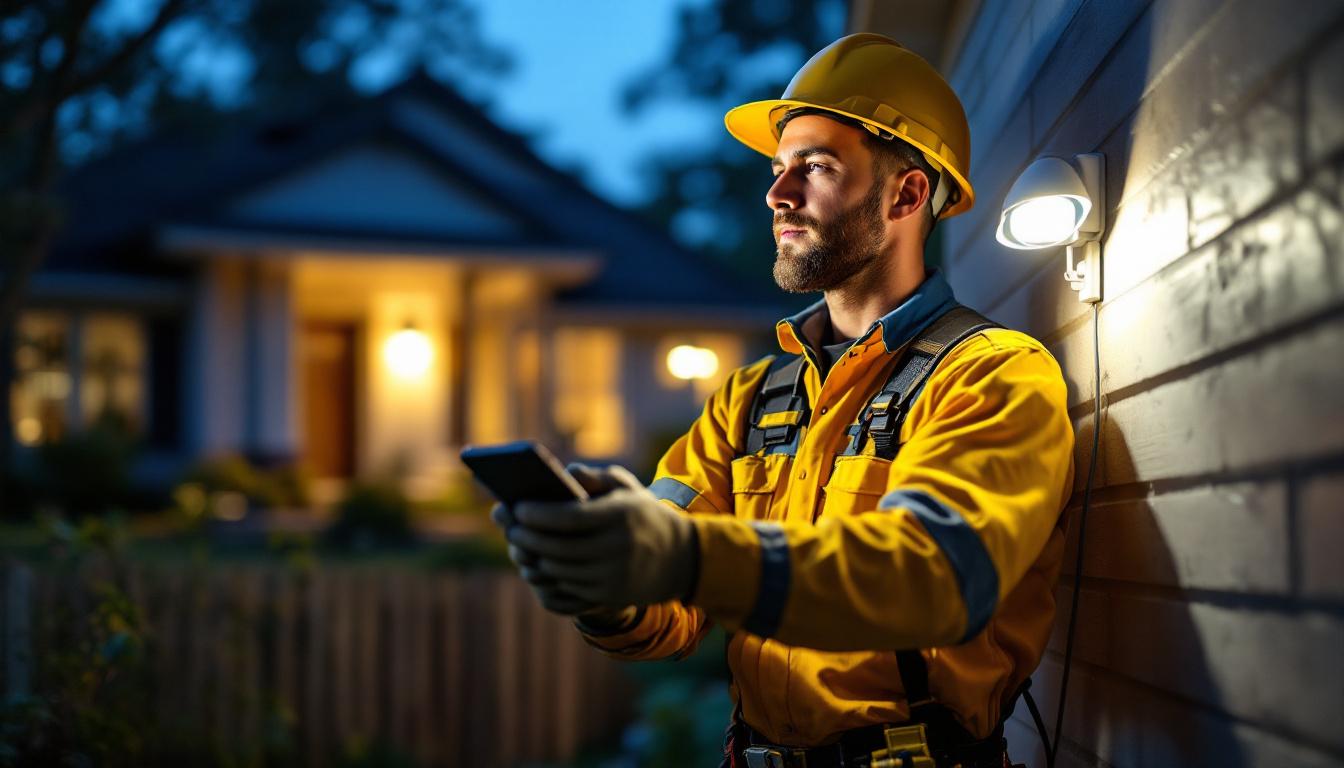
Another crucial aspect to consider is the integration of smart technology. Many modern LED security lights come equipped with motion sensors and smart capabilities that allow for remote monitoring and control via smartphone apps. This feature not only enhances security by ensuring lights activate when needed but also allows users to customize settings according to their preferences, such as adjusting brightness or scheduling times for illumination. Such advancements in technology can significantly improve the effectiveness of security lighting, making it a wise investment for both residential and commercial properties.
Installation Best Practices for LED Security Lights
Proper installation is critical to maximize the effectiveness of LED security lighting. Lighting contractors must consider placement, wiring, and mounting to ensure optimal performance and safety compliance.
Strategic Placement and Coverage
Positioning security lights requires a careful assessment of the site’s layout. Lights should cover entry points such as doors, windows, garages, and driveways without creating blind spots. Overlapping coverage zones help eliminate shadows where intruders could hide. A common mistake is placing lights too high or too far apart, which can reduce the intensity on the ground and diminish security benefits.
Height recommendations usually range between 8 and 12 feet. This height balances broad coverage with sufficient brightness and minimizes glare for neighbors or passersby. Use adjustable fixtures when possible to fine-tune the angle after installation. Additionally, consider the use of motion sensors to enhance security; these sensors can activate lights only when movement is detected, conserving energy while ensuring safety. When planning the layout, it’s also beneficial to take into account the natural landscape, as trees and shrubs can obstruct light paths, creating unintended dark areas.
Wiring and Power Considerations
LED security lights typically operate on low voltage or standard line voltage. Contractors should verify compatibility with existing electrical systems and local codes. For new installations, low-voltage systems (12V or 24V) offer safer handling and easier integration with smart controls but may require transformers and additional wiring.
Ensure all wiring is weatherproof and properly insulated. Use conduit or cable raceways to protect wires from physical damage and moisture. Grounding the fixtures correctly is essential to prevent electrical hazards and protect against lightning strikes. Additionally, consider implementing a backup power source, such as solar panels or battery systems, especially in areas prone to power outages. This not only enhances reliability but also contributes to energy efficiency and sustainability, making the security lighting system more resilient in adverse conditions.
Mounting and Stability
Secure mounting is vital to prevent fixture movement caused by wind or vibration. Use manufacturer-recommended brackets and hardware. For wall-mounted lights, anchors suitable for the surface material—brick, wood, or metal—should be selected. When installing on poles or posts, verify structural integrity and consider wind load factors.
Moreover, it is important to regularly inspect the mounting hardware and fixtures to ensure they remain secure over time. Environmental factors such as rust, corrosion, or wear can compromise stability, so using weather-resistant materials is advisable. In areas with extreme weather conditions, additional measures such as reinforcing brackets or using heavier-duty fixtures can provide extra security against potential damage. Regular maintenance checks will not only prolong the lifespan of the lights but also ensure they continue to function effectively, providing peace of mind for property owners.
Integrating Smart Technology and Controls
The rise of smart lighting technology has revolutionized security lighting. Lighting contractors can offer clients enhanced control, energy savings, and improved security through integration with sensors, timers, and remote management systems.
Motion Sensors and Adaptive Lighting
Motion-activated LED security lights are effective deterrents. They startle potential intruders and draw attention to activity. Modern sensors can differentiate between people, animals, and vehicles, reducing false triggers. Contractors should select sensors with adjustable sensitivity and time delay settings to tailor performance to the site’s needs.
Adaptive lighting systems that adjust brightness based on ambient light or activity patterns optimize energy use. For example, lights can dim during low-risk periods and brighten when motion is detected. This approach extends LED lifespan and reduces electricity costs. Additionally, these systems can be programmed to follow specific schedules, ensuring that areas are illuminated only when necessary, further enhancing energy efficiency while maintaining safety.
Remote Monitoring and Control
Wi-Fi or Zigbee-enabled LED security lights allow users to monitor and control lighting remotely via smartphone apps. This feature is especially valuable for commercial properties or vacation homes. Lighting contractors should be familiar with popular smart lighting platforms and ensure compatibility with clients’ existing smart home or building management systems.
Integration with security cameras and alarms creates a comprehensive security ecosystem. For instance, lights can be programmed to activate when a camera detects motion, enhancing real-time response capabilities. Furthermore, advanced systems can send alerts to users’ devices when unusual activity is detected, allowing for immediate action. This level of integration not only improves security but also provides peace of mind for property owners, knowing they can stay connected to their premises from anywhere in the world. As technology evolves, the potential for further enhancements, such as AI-driven analytics that predict security threats, continues to grow, making smart lighting an indispensable part of modern security solutions.
Maintenance and Troubleshooting Tips
Even the best LED security lights require periodic maintenance to maintain performance and safety. Lighting contractors should advise clients on simple upkeep and be prepared to troubleshoot common issues.
Routine Cleaning and Inspection
Dirt, dust, and insect buildup on lenses and housings can reduce light output significantly. Recommend cleaning fixtures at least twice a year using non-abrasive cloths and mild detergents. Inspect seals and gaskets for signs of wear or damage during cleaning to prevent water ingress.
Check mounting hardware and wiring connections for corrosion or loosening. Tighten screws and replace any damaged components promptly to avoid fixture failure.
Diagnosing Common Problems
Flickering or dimming lights often indicate voltage fluctuations or loose wiring. Verify power supply stability and secure all electrical connections. If the entire fixture fails, test the LED driver or power supply unit, as these components are common failure points.
In cases where motion sensors do not activate lights reliably, recalibrate sensitivity settings and ensure the sensor’s field of view is unobstructed. Environmental factors like heavy foliage or reflective surfaces can interfere with sensor performance.
Regulatory Compliance and Safety Standards
Lighting contractors must ensure all LED security light installations comply with local electrical codes, safety standards, and environmental regulations.
Electrical Codes and Permits
Most jurisdictions require permits for outdoor electrical installations. Contractors should verify requirements before starting work and ensure all wiring and fixtures meet National Electrical Code (NEC) or equivalent standards. Using UL-listed or ETL-listed products guarantees compliance with safety benchmarks.
Light Pollution and Dark Sky Considerations
Excessive or poorly directed security lighting contributes to light pollution, which can disrupt ecosystems and annoy neighbors. Many communities have ordinances limiting glare and light trespass. Choose fixtures with shields or cutoff designs that direct light downward and minimize skyglow.
Consult local regulations and recommend lighting solutions that balance security needs with environmental responsibility. This approach not only ensures compliance but also enhances client satisfaction and community relations.
Summary: The Contractor’s Essential Security Lighting Checklist
For lighting contractors, delivering effective LED security lighting means addressing multiple factors:
- Assess lumen output and beam angle based on site requirements.
- Choose durable, weather-resistant fixtures with appropriate IP ratings.
- Plan strategic placement to eliminate blind spots and optimize coverage.
- Ensure safe, code-compliant wiring and secure mounting.
- Incorporate smart controls like motion sensors and remote access when possible.
- Advise clients on routine maintenance and troubleshoot common issues.
- Comply with electrical codes and minimize light pollution.
Following this checklist helps contractors provide reliable, efficient, and user-friendly security lighting solutions that protect properties and satisfy client expectations. With LED technology advancing rapidly, staying informed about new products and installation techniques is key to maintaining a competitive edge in the security lighting market.
Illuminate Your Projects with LumenWholesale
Ready to elevate your security lighting installations with the best in LED technology? At LumenWholesale, we provide lighting contractors with the highest quality, spec-grade LED security lights at unbeatable wholesale prices. Say goodbye to local distributor markups and hello to superior products that meet the strictest industry standards. Plus, with free shipping on bulk orders, you can stock up on premium lighting solutions without worrying about hidden fees. Don’t compromise on quality or value—choose LumenWholesale for a seamless blend of excellence and affordability. Wholesale Lighting at the Best Value is just a click away.