Choosing the Right Flood Light Pole: Balancing Strength and Functionality
When selecting flood light poles, lighting contractors face a critical decision that goes beyond mere aesthetics. The pole must support the weight and size of the floodlight fixtures while withstanding environmental stresses like wind, rain, and corrosion. A miscalculation here can lead to costly repairs, safety hazards, or premature failure.
Steel remains the most popular material for flood light poles due to its durability and strength. Galvanized steel poles resist rust and require less maintenance, making them ideal for outdoor installations exposed to harsh weather. Aluminum poles offer a lighter alternative but may not be suitable for very tall or heavy fixtures.
Height is another essential factor. The pole’s elevation affects light distribution, coverage area, and glare control. For parking lots or sports fields, poles typically range from 20 to 50 feet. Contractors must carefully assess the site’s lighting requirements and local regulations to determine the optimal height.
Foundation and Installation Considerations
Installing a flood light pole isn’t just about setting it in the ground. The foundation must be engineered to handle the pole’s load, including the wind pressure on the fixtures. Concrete footings are standard, but their size and reinforcement depend on pole height and soil conditions.
Contractors often conduct soil tests to ensure the foundation design is adequate. In some cases, especially in rocky or unstable soil, specialized anchoring systems or deeper foundations are necessary. Proper installation ensures stability and longevity, reducing the risk of tilting or collapse.
Moreover, the choice of installation site plays a pivotal role in the overall effectiveness of the flood lighting system. Factors such as surrounding structures, trees, and other obstructions can significantly impact light distribution. For instance, poles installed too close to buildings may cast unwanted shadows, while those too far away may not provide adequate illumination. Therefore, a thorough site analysis, including a photometric study, can help in determining the best locations for the poles to maximize light coverage and minimize glare for drivers and pedestrians alike.
Additionally, considerations for future maintenance and accessibility should not be overlooked. Flood light poles that are too high or situated in hard-to-reach areas can complicate bulb replacements or repairs. Some contractors may opt for poles with built-in access ladders or those designed to facilitate easy maintenance. This foresight not only enhances the longevity of the lighting system but also ensures that it remains functional and safe for users over time.
Integrating Smart Lighting Controls with Flood Light Poles
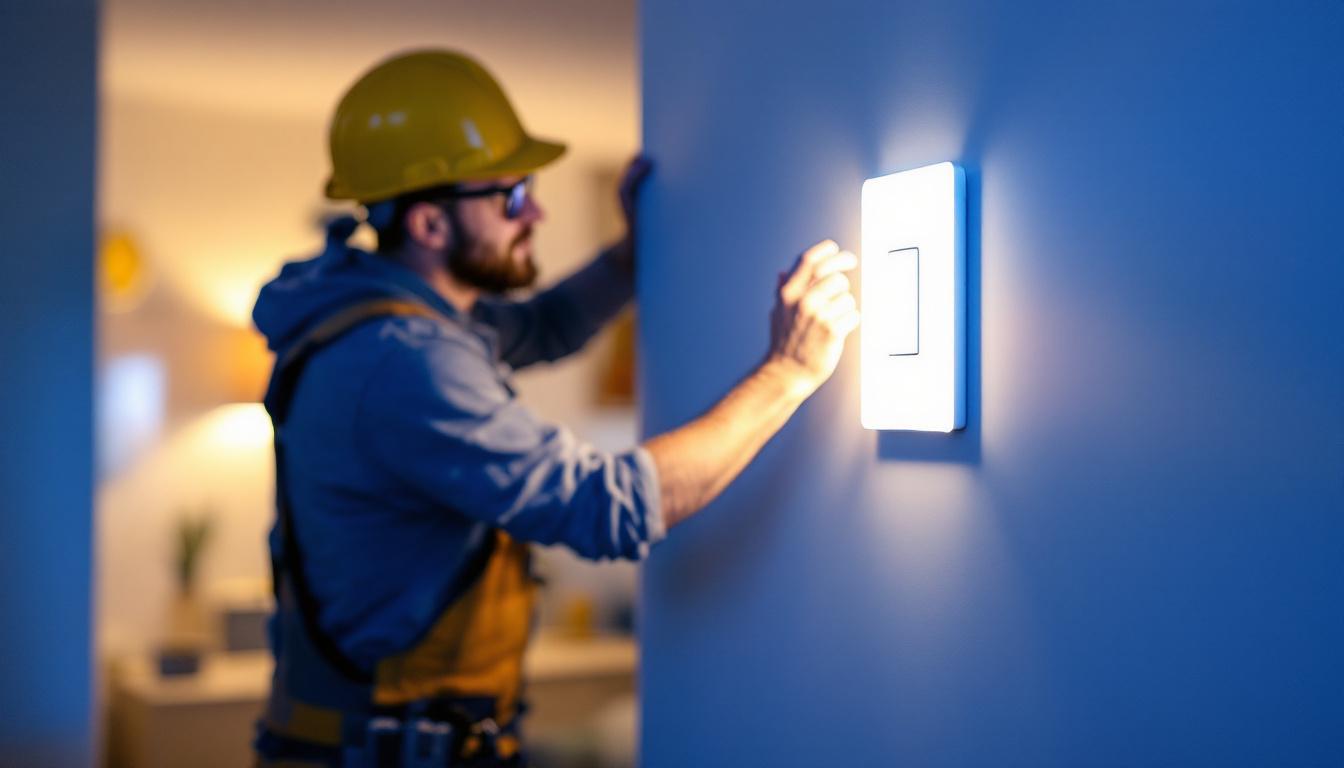
Smart lighting technology has transformed how flood lights operate, offering energy savings, enhanced control, and improved safety. Lighting contractors now incorporate sensors, timers, and wireless controls directly into flood light poles, turning them into intelligent lighting hubs. This innovation not only streamlines operations but also contributes to sustainability efforts, as cities and businesses increasingly seek to reduce their carbon footprint. The integration of smart technology into flood lighting systems is a forward-thinking approach that aligns with modern urban planning and environmental responsibility.
Motion sensors are particularly valuable for security lighting. They activate flood lights only when movement is detected, conserving energy and reducing light pollution. This feature is especially beneficial in residential areas and parks, where unnecessary lighting can disrupt local wildlife and diminish the natural ambiance. Photocells automatically adjust lighting based on ambient daylight, ensuring lights operate only when needed. This not only enhances energy efficiency but also prolongs the lifespan of the lighting fixtures, making them a cost-effective solution in the long run.
Wireless control systems allow facility managers to adjust lighting remotely, schedule on/off times, and monitor energy consumption. This level of control is especially useful in large commercial or industrial sites where manual operation would be impractical. Furthermore, these systems can often be integrated with other smart technologies, such as security cameras and environmental sensors, creating a cohesive smart infrastructure that enhances overall safety and operational efficiency.
Power and Wiring Strategies for Smart Poles
Integrating smart controls requires careful planning of power supply and wiring. Contractors must ensure that the pole’s internal wiring can accommodate sensors, controllers, and communication devices without compromising safety or accessibility. This planning phase is crucial, as improper wiring can lead to malfunctions or safety hazards, potentially resulting in costly repairs and downtime.
It’s common to use weatherproof junction boxes within the pole to protect connections. These junction boxes not only safeguard the wiring from the elements but also facilitate easier maintenance and upgrades. Some poles come pre-wired for smart systems, simplifying installation. Additionally, contractors should consider future-proofing by including extra conduits or wiring capacity for potential upgrades. This foresight allows for the seamless integration of new technologies as they emerge, ensuring that the lighting systems remain relevant and efficient for years to come. Moreover, the use of modular components can further enhance flexibility, allowing for easy adjustments or expansions based on changing needs or advancements in smart lighting technology.
Optimizing Light Distribution: Fixture Selection and Pole Placement
Flood light poles are only as effective as the fixtures they support and where they are positioned. Lighting contractors must understand photometric principles to ensure even illumination and minimize dark spots or glare. This understanding not only enhances the aesthetic appeal of spaces but also plays a critical role in safety and functionality. For instance, in commercial areas, well-distributed lighting can deter crime and improve the overall experience for visitors, making it essential for contractors to prioritize effective lighting solutions.
LED floodlights have become the standard due to their energy efficiency and longevity. They offer precise beam angles and color temperatures, allowing contractors to tailor lighting to specific applications. For example, cooler white LEDs enhance visibility in security settings, while warmer tones may be preferable in recreational areas. Additionally, the versatility of LED technology allows for innovative designs, such as tunable white fixtures that can adjust their color temperature throughout the day to mimic natural light, promoting well-being and productivity in workplaces.
Pole placement is equally crucial. Strategic positioning maximizes coverage while minimizing the number of poles needed, which reduces installation and maintenance costs. Contractors often use lighting design software to simulate layouts and optimize pole locations before installation. This software can analyze various factors, including terrain, surrounding structures, and the intended use of the space, ensuring that the final design meets both functional and aesthetic requirements. Furthermore, incorporating adjustable poles can provide flexibility for future modifications or expansions without significant additional costs.
Addressing Glare and Light Pollution
Glare can be a significant issue with flood lighting, causing discomfort or even safety hazards for drivers and pedestrians. Contractors mitigate this by selecting fixtures with proper shielding and mounting angles. The pole’s height and orientation also influence glare control. For instance, lowering the height of a pole can reduce the intensity of light hitting the eyes of onlookers, while angled fixtures can redirect light away from sensitive areas. This careful consideration of fixture design and placement not only enhances visibility but also contributes to a more pleasant environment for all users.
Light pollution regulations are tightening in many jurisdictions. Using full cutoff fixtures that direct light downward and limiting light trespass onto neighboring properties are essential practices. Smart lighting controls further aid compliance by dimming or turning off lights during low-activity periods. These controls can be programmed to respond to environmental cues, such as ambient light levels or motion detection, ensuring that lighting is only active when necessary. This not only conserves energy but also protects local wildlife and preserves the natural night sky, aligning with broader sustainability goals and community standards.
Maintenance and Longevity: Ensuring Reliable Performance
Flood light poles are long-term investments. Proper maintenance extends their lifespan and ensures consistent performance. Contractors should educate clients on routine inspections, cleaning, and timely repairs.
Corrosion is the most common issue, especially in coastal or industrial environments. Regularly checking for rust and applying protective coatings can prevent structural degradation. Electrical components also require inspection for moisture ingress or damage.
LED fixtures generally require less maintenance than traditional lamps, but their drivers and sensors still need periodic testing. Smart lighting systems benefit from software updates and occasional recalibration to maintain optimal operation.
Planning for Upgrades and Scalability
Technology evolves rapidly. Lighting contractors should design flood light pole installations with scalability in mind. Modular poles that allow fixture swaps or additional sensors simplify future upgrades.
Clients appreciate when contractors provide solutions that accommodate emerging technologies, such as integration with building management systems or renewable energy sources. This forward-thinking approach adds value and positions contractors as trusted advisors.
Case Study: Transforming a Commercial Parking Lot with Smart Flood Light Poles
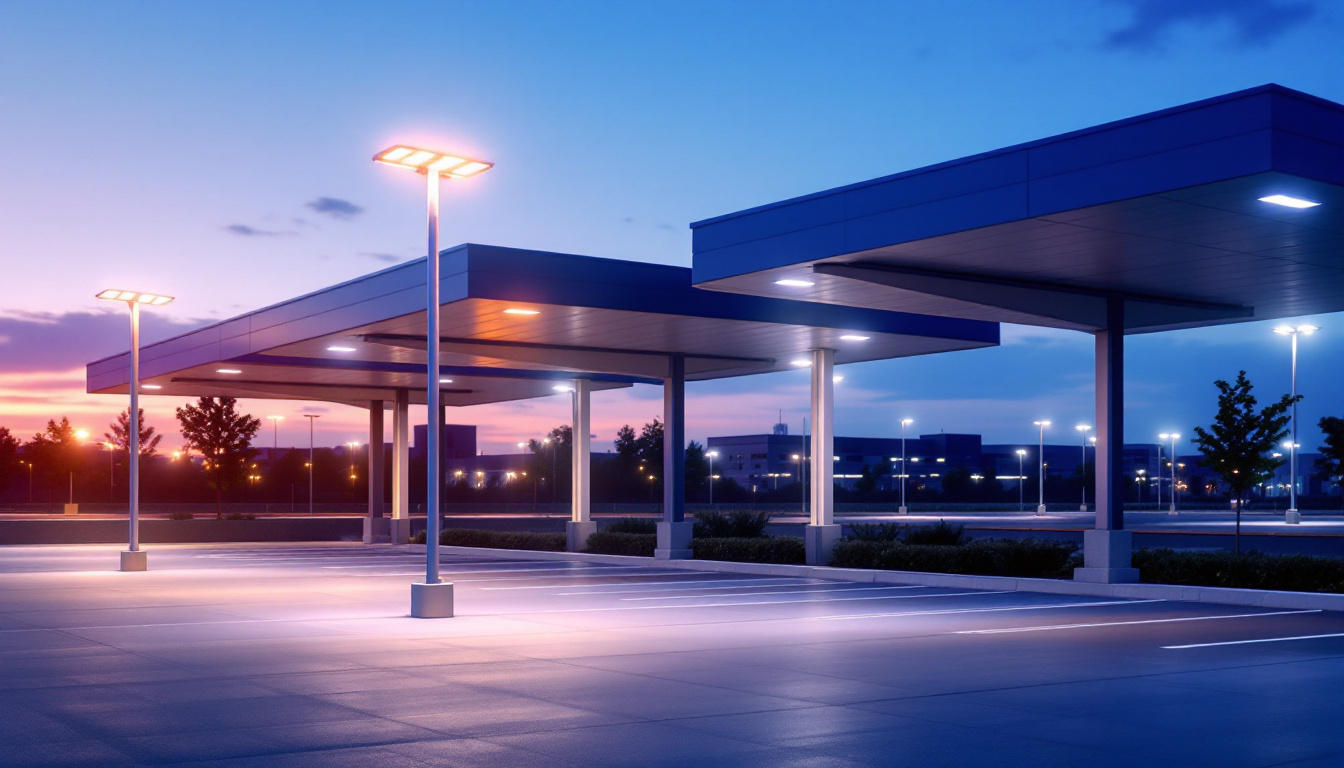
A recent project involved upgrading an aging commercial parking lot’s lighting system. The original setup featured outdated metal halide fixtures on short poles, resulting in uneven illumination and high energy costs.
The contractor recommended replacing the poles with 30-foot galvanized steel models pre-wired for smart controls. LED floodlights with adjustable beam angles were installed, paired with motion sensors and photocells. The new system allowed for remote scheduling and dimming during off-peak hours.
Post-installation, the client reported a 60% reduction in energy consumption and improved safety perceptions among customers. Maintenance requirements decreased, and the lighting quality enhanced the overall appearance of the property.
Conclusion: Mastering Flood Light Pole Installations for Smart Lighting Success
Flood light poles are foundational elements in any outdoor lighting project. Selecting the right materials, integrating smart technologies, optimizing fixture placement, and planning for maintenance are all critical steps lighting contractors must master.
By approaching flood light pole installations with a comprehensive and forward-looking mindset, contractors can deliver solutions that meet client needs today and adapt to tomorrow’s innovations. The result is safer, more efficient, and more sustainable outdoor lighting environments.
Illuminate Your Projects with LumenWholesale
Ready to elevate your lighting installations with the best in the business? At LumenWholesale, we provide lighting contractors with the highest quality, spec-grade flood light poles and fixtures at unbeatable wholesale prices. Say goodbye to local distributor markups and hello to superior products that fit your budget. With our expansive selection, you can ensure every project shines with reliability and high performance. Plus, with free shipping on bulk orders, you get the premium lighting you need at the best value — without any hidden fees. Don’t compromise on quality, affordability, or convenience. Make your next project a beacon of success with Wholesale Lighting at the Best Value from LumenWholesale.