Understanding Solar Coach Lights: What Makes Them a Smart Choice?
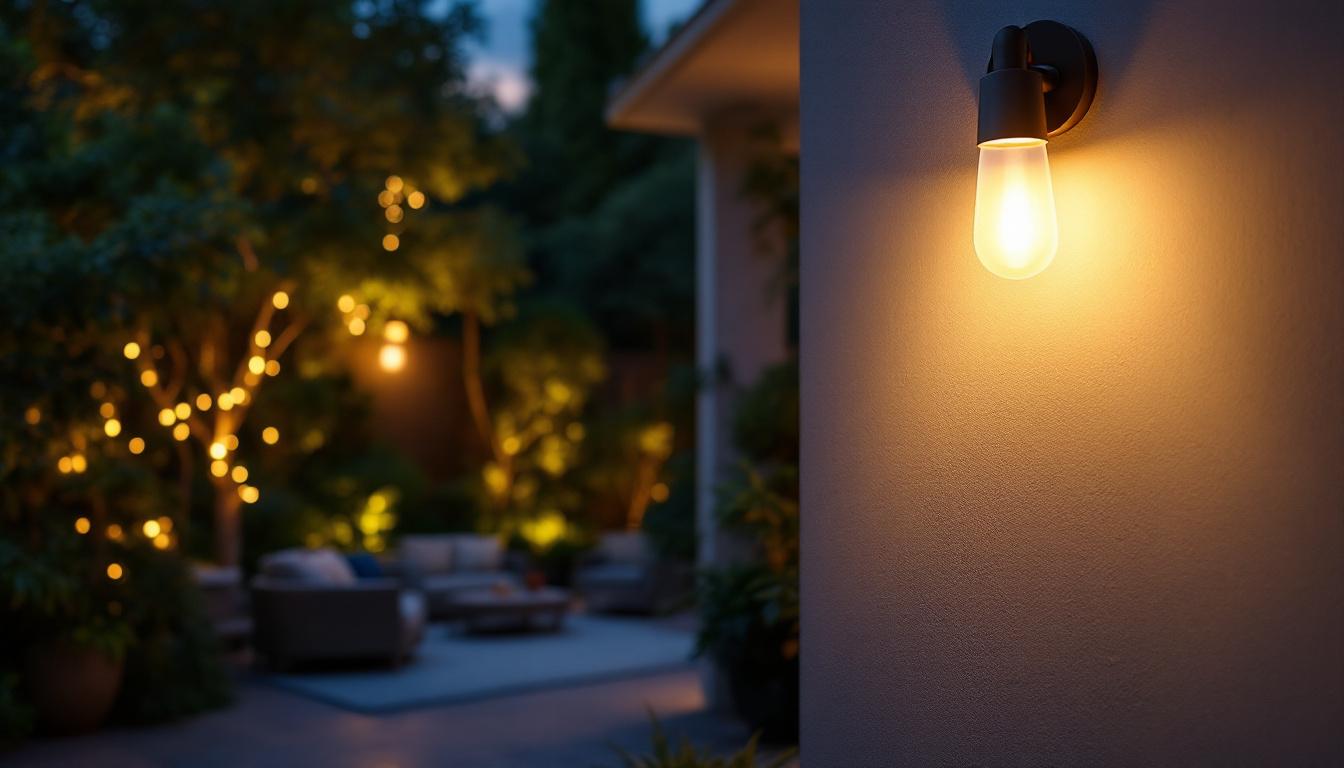
Solar coach lights blend classic aesthetics with modern technology, offering a compelling option for outdoor lighting projects. For lighting contractors, these fixtures present a unique opportunity to deliver energy-efficient, low-maintenance solutions that appeal to residential and commercial clients alike.
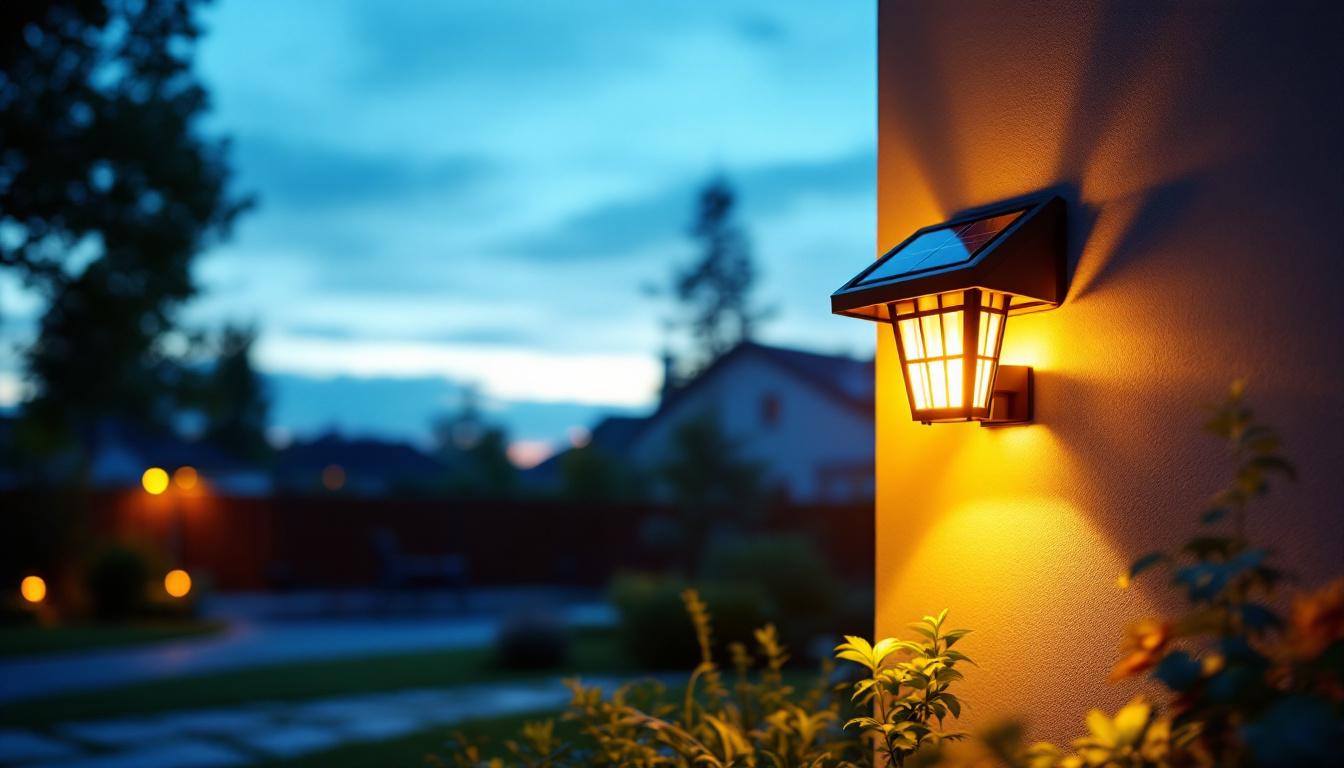
Unlike traditional wired coach lights, solar coach lights operate independently of electrical infrastructure. They harness sunlight through photovoltaic panels, storing energy in rechargeable batteries to illuminate pathways, driveways, and entrances after dusk. This independence from wiring not only reduces installation time but also eliminates ongoing energy costs, a selling point that resonates strongly with environmentally conscious customers.
From a contractor’s perspective, understanding the design and functionality of solar coach lights is crucial. They typically feature LED bulbs for longevity and brightness, weather-resistant housings to withstand outdoor conditions, and integrated sensors for automatic dusk-to-dawn operation. These features combine to create a product that is both practical and visually appealing.
Moreover, solar coach lights come in a variety of styles and finishes, allowing homeowners to select options that complement their architectural design and landscaping. Whether opting for a vintage lantern look or a sleek, contemporary design, these lights can enhance the curb appeal of any property. Additionally, many models are equipped with adjustable brightness settings and motion sensors, providing flexibility and security for users. This adaptability makes them suitable not only for residential use but also for commercial properties, where safety and aesthetics are paramount.
Another significant advantage of solar coach lights is their minimal environmental impact. By utilizing renewable energy, these fixtures contribute to reducing carbon footprints and promoting sustainable living. As more consumers prioritize eco-friendly products, contractors who offer solar options can position themselves as leaders in the green building movement. Furthermore, the advancements in solar technology have led to improved efficiency and performance, making solar coach lights a reliable choice even in less sunny climates. This evolution in solar lighting technology ensures that contractors can confidently recommend these fixtures to clients, knowing they will provide consistent performance year-round.
Key Considerations When Selecting Solar Coach Lights for Projects
Assessing Light Output and Coverage
One of the first factors to evaluate is the light output, measured in lumens. Solar coach lights vary widely, from subtle ambient lighting to brighter, security-level illumination. Contractors should match the lumen output to the specific application-pathway lighting may require around 100-200 lumens, while entrance or security lighting might demand 300 lumens or more.
Beam angle and light distribution patterns also matter. Some solar coach lights cast a narrow, focused beam ideal for highlighting architectural features, while others provide broader illumination suited for walkways. Understanding these nuances helps ensure the lighting design meets client expectations and functional needs. Additionally, considering the color temperature of the light can enhance the ambiance; warmer tones create a cozy atmosphere, while cooler tones can provide a more modern, sleek look. This choice can significantly affect the overall aesthetic of the project, making it essential for contractors to discuss these options with their clients.
Battery Capacity and Solar Panel Efficiency
Battery life directly impacts how long the light stays on after sunset. Higher-capacity lithium-ion batteries typically offer longer runtimes and better performance in colder climates compared to older nickel-metal hydride or lead-acid types. Contractors should verify the battery specifications and expected lifespan to avoid premature replacements.
Solar panel efficiency influences how quickly the battery recharges during daylight hours. Panels made from monocrystalline silicon generally outperform polycrystalline ones, especially under low-light conditions. This efficiency is critical in shaded areas or regions with less consistent sunlight. Furthermore, it’s beneficial to consider the angle and placement of the solar panels; optimizing their orientation can significantly enhance energy absorption, ensuring that the lights operate effectively even during shorter winter days or cloudy weather.
Durability and Weather Resistance
Outdoor lighting fixtures must endure rain, wind, snow, and temperature fluctuations. Look for solar coach lights with an IP rating of at least IP65, indicating protection against dust and water jets. Materials like die-cast aluminum or stainless steel housings resist corrosion and physical damage better than plastic alternatives.
UV-resistant coatings prevent fading and cracking over time, preserving the fixture’s appearance and functionality. For contractors, recommending durable products reduces callbacks and enhances client satisfaction. Additionally, it’s wise to consider the warranty offered by manufacturers; a longer warranty can be indicative of the product’s quality and durability. Some manufacturers even provide guarantees that cover performance in extreme weather conditions, giving contractors and clients peace of mind that their investment is protected against the elements.
Installation Best Practices for Solar Coach Lights
Site Assessment and Placement
Successful solar lighting installations begin with a thorough site assessment. Contractors should identify locations that receive ample direct sunlight during the day to maximize charging efficiency. Avoid placing fixtures under dense tree canopies or shaded structures. Additionally, it is beneficial to consider the seasonal changes in sunlight exposure; for instance, areas that are sunny in summer may become shaded in winter due to the changing angle of the sun or the growth of foliage. This foresight can prevent issues with inadequate lighting during crucial months.
Orientation matters too. Solar panels should face true south in the northern hemisphere (or true north in the southern hemisphere) to capture the most sunlight throughout the day. Adjusting the tilt angle based on geographic latitude can further optimize energy absorption. Furthermore, evaluating potential obstructions, such as nearby buildings or fences, can help in determining the best placement for maximizing solar gain. A well-planned layout not only enhances the efficiency of the solar lights but also contributes to the overall aesthetic of the landscape.
Mounting Techniques and Stability
Solar coach lights are often mounted on posts, walls, or gate pillars. Ensuring a secure, level installation prevents damage from wind or accidental impact. Use appropriate anchors and fasteners designed for the mounting surface—concrete, wood, or metal. It’s also wise to consider the local weather conditions; areas prone to high winds or storms may require additional bracing or heavier-duty mounting solutions to ensure long-term stability and performance.
For post-mounted fixtures, verify the post’s structural integrity and height to achieve the desired lighting effect. Lighting contractors should also consider wiring pathways for hybrid models that combine solar with supplemental power sources, although fully solar-powered units typically require no wiring. Additionally, when installing multiple fixtures, maintaining a consistent height and spacing can create a harmonious lighting effect, enhancing both safety and visual appeal in the area being illuminated.
Testing and Commissioning
After installation, test the solar coach lights during nighttime hours to confirm proper operation. Check that the light activates automatically at dusk and turns off at dawn, and that the brightness levels meet project specifications. This step is crucial, as it allows for adjustments to be made before finalizing the installation. Observing the lights in action can also reveal any potential issues, such as light pollution or glare that could affect nearby residents or wildlife.
Some models include adjustable settings for brightness or runtime. Contractors should familiarize themselves with these features to tailor the lighting to client preferences and site conditions. Moreover, educating clients on how to operate and maintain their solar lights can foster satisfaction and longevity of the installation. Providing a brief tutorial on cleaning the solar panels and checking battery health can empower users to keep their lights functioning optimally for years to come.
Maintenance and Troubleshooting Tips
Routine Cleaning and Inspection
Solar panels accumulate dust, dirt, and debris over time, which can reduce charging efficiency. Regular cleaning with a soft cloth and mild detergent helps maintain optimal performance. Contractors can advise clients on establishing a maintenance schedule to prolong fixture lifespan.
Inspect batteries annually for signs of corrosion or diminished capacity. Replacing batteries at the right time ensures consistent illumination and avoids unexpected outages.
Common Issues and Solutions
If a solar coach light fails to turn on or stays dim, the first step is to check the solar panel for shading or dirt. Next, verify battery health; batteries nearing the end of their lifecycle often cause performance issues. Replacing the battery with a compatible, high-quality unit typically resolves these problems.
Sensor malfunctions can result in lights staying on during the day or not activating at night. Resetting the fixture or consulting the manufacturer’s troubleshooting guide usually corrects these errors.
Maximizing Client Satisfaction with Solar Coach Lighting
Educating Clients on Benefits and Limitations
Clients appreciate transparency about what solar coach lights can and cannot do. Lighting contractors should explain factors like sunlight dependency, expected runtime, and maintenance requirements upfront. Setting realistic expectations prevents disappointment and builds trust.
Highlighting the environmental advantages and cost savings over time reinforces the value proposition. Many clients are willing to invest more initially for sustainable solutions that reduce electricity bills and carbon footprints.
Customizing Solutions for Different Applications
Solar coach lights are versatile. Contractors can recommend different styles, finishes, and brightness levels to suit diverse architectural themes and functional needs. Combining multiple fixtures can create layered lighting effects that enhance safety and curb appeal.
For commercial projects, integrating solar coach lights with smart controls or motion sensors adds security and energy efficiency. Offering these options positions contractors as forward-thinking professionals who deliver tailored solutions.
Conclusion: Leveraging Solar Coach Lights for Successful Projects
Solar coach lights represent a practical, attractive, and sustainable lighting choice. For contractors, mastering the selection, installation, and maintenance of these fixtures unlocks new business opportunities and client satisfaction.
By focusing on quality products, proper site assessment, and clear client communication, lighting professionals can confidently incorporate solar coach lights into their portfolio. The result is outdoor lighting that shines brightly-both literally and figuratively-long after the sun sets.
Illuminate Your Projects with LumenWholesale
Ready to elevate your lighting projects with the sustainable elegance of solar coach lights? At LumenWholesale, we provide lighting contractors with the highest quality, spec-grade solar lighting solutions at unbeatable wholesale prices. Say goodbye to local distributor markups and hello to a vast selection of reliable, high-performance lighting that meets the strictest industry standards. Plus, with free shipping on bulk orders, you can stock up on premium lighting without any hidden fees. Don’t compromise on quality or value—choose LumenWholesale for a seamless blend of affordability and convenience. Start transforming your outdoor lighting projects today by visiting our website and taking advantage of the best wholesale lighting value. Wholesale Lighting at the Best Value.