Understanding the Shift to Battery-Powered Solar Garden Lights
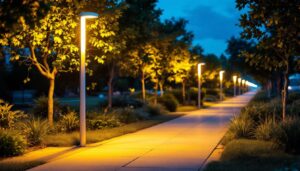
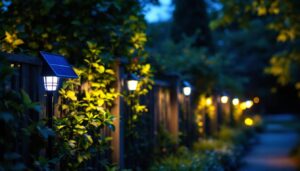
Lighting contractors have witnessed a significant transformation in outdoor lighting solutions. Battery-powered solar garden lights have surged in popularity, not just as an eco-friendly alternative but as a practical, cost-effective choice for a variety of projects. The appeal lies in their independence from the electrical grid, ease of installation, and the ability to operate in remote or hard-to-wire locations.
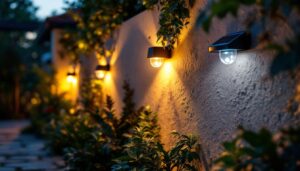
These lights combine photovoltaic solar panels with rechargeable batteries, allowing them to store energy during daylight and illuminate outdoor spaces after dusk. For contractors, this means fewer wiring headaches, reduced labor costs, and a faster turnaround on projects. However, the challenge lies in selecting and installing systems that remain reliable and efficient as technologies and client expectations evolve.
Moreover, the advancements in solar technology have led to improved battery efficiency and longer-lasting light output, making these solar garden lights not only more effective but also more appealing to homeowners looking to enhance their outdoor aesthetics. With options ranging from decorative lanterns to sleek, modern fixtures, contractors can offer a variety of styles that cater to different tastes and landscaping themes. Additionally, many of these lights now come equipped with motion sensors and smart technology, allowing for enhanced security features and energy savings, which are increasingly important to environmentally conscious consumers.
As the market continues to grow, so does the importance of educating clients about the benefits and limitations of battery-powered solar garden lights. Understanding factors such as sunlight exposure, seasonal changes, and battery maintenance can significantly impact the performance of these systems. Contractors who take the time to inform their clients about optimal placement and care can foster trust and satisfaction, leading to repeat business and referrals. This evolving landscape not only highlights the growing demand for sustainable solutions but also underscores the role of lighting professionals in guiding consumers toward informed choices in outdoor lighting design.
Key Factors to Consider When Choosing Battery Solar Garden Lights
Battery Type and Capacity
The heart of any solar garden light is its battery. Lithium-ion batteries have become the preferred choice over traditional nickel-cadmium or lead-acid batteries due to their higher energy density, longer lifespan, and better performance in varying temperatures. Contractors should prioritize batteries that offer at least 3 to 5 years of reliable service, ensuring clients won’t face frequent replacements.
Capacity matters too. A battery with insufficient capacity will struggle to power lights through extended cloudy periods or longer nights, leading to dim or inconsistent illumination. Selecting batteries with a capacity tailored to the light’s power consumption and local weather patterns is essential for dependable performance. Additionally, it’s worth considering the charging time of the batteries; some advanced models can recharge more quickly, allowing for a more efficient use of sunlight, especially during shorter days in winter months.
Solar Panel Efficiency and Durability
Solar panel technology has advanced rapidly, with monocrystalline panels offering superior efficiency compared to polycrystalline or amorphous types. Higher efficiency panels capture more sunlight in less space, which is crucial when garden light fixtures have limited surface area for solar cells. This efficiency not only maximizes energy capture but also translates into brighter lights and longer operational hours after sunset.
Durability is equally important. Panels should be rated for outdoor use with robust weatherproofing to withstand rain, snow, and UV exposure. Contractors should look for panels with tempered glass and corrosion-resistant frames to ensure longevity. Furthermore, panels that incorporate anti-reflective coatings can enhance light absorption, making them even more effective in less-than-ideal weather conditions. Investing in high-quality solar panels can significantly reduce maintenance costs and improve the overall reliability of the lighting system.
Light Output and Color Temperature
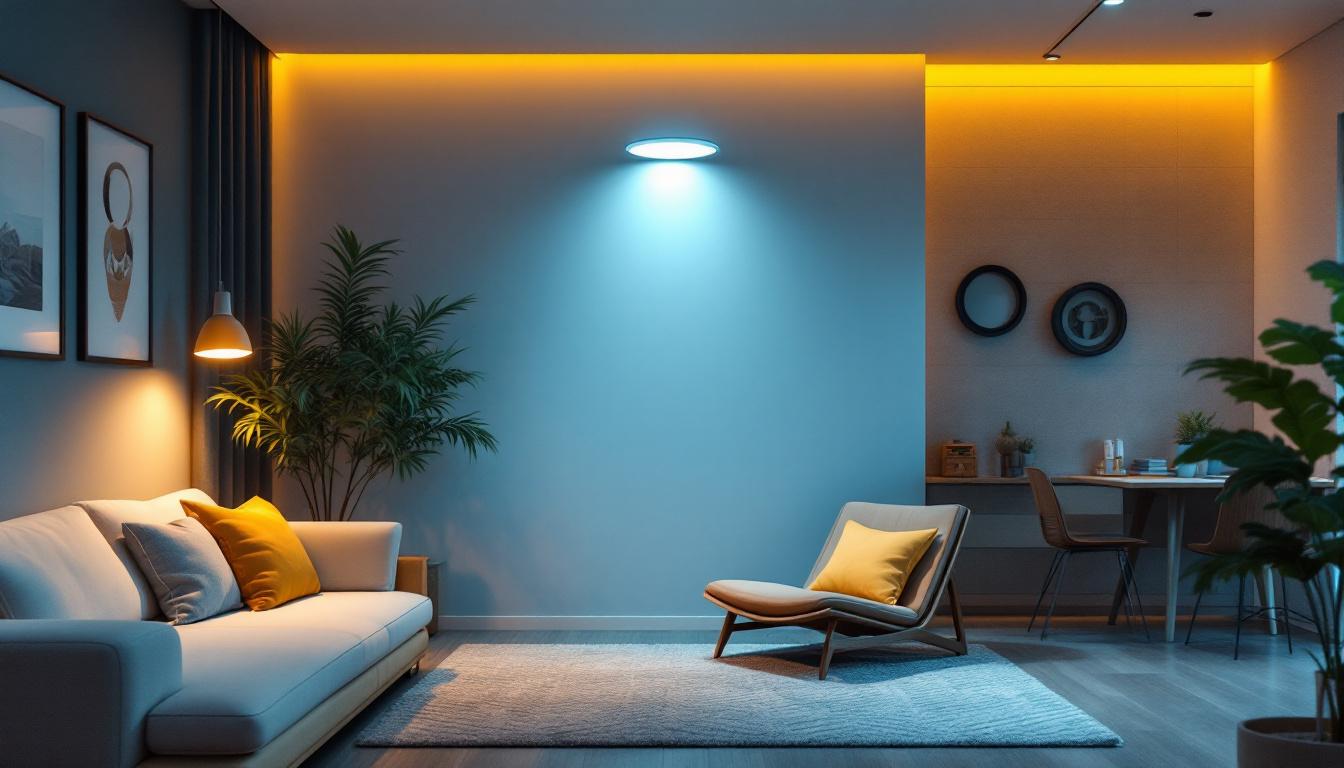
Clients expect garden lighting to enhance outdoor aesthetics while providing functional illumination. LEDs used in solar garden lights vary in brightness and color temperature. Warm white (2700K-3000K) creates cozy, inviting atmospheres, while cooler whites (4000K-5000K) offer brighter, more modern looks. The choice of color temperature can dramatically affect the ambiance of a garden space, influencing how colors and textures appear in the evening light.
Contractors should match light output and color temperature to the project’s purpose—whether it’s accent lighting, pathway illumination, or security. Offering customizable options can future-proof installations by accommodating evolving client preferences. Additionally, integrating features like dimming capabilities or motion sensors can enhance functionality, allowing lights to adjust based on activity levels or time of day. This not only improves energy efficiency but also adds an element of convenience, making the outdoor space more enjoyable for homeowners and guests alike.
Installation Best Practices for Longevity and Performance
Optimal Placement for Maximum Sun Exposure
Even the best solar garden light won’t perform well if placed in shade. Contractors must assess the site carefully, identifying locations that receive direct sunlight for most of the day. This may involve trimming overhanging branches or repositioning fixtures to avoid shadows cast by buildings or landscaping features.
Proper placement not only boosts battery charging but also extends the lifespan of both the solar panel and battery by preventing over-discharge or undercharging scenarios. Additionally, considering seasonal changes in sunlight can be beneficial. For instance, areas that receive ample sun in summer may be partially shaded in winter. Thus, a thorough year-round assessment can ensure optimal performance throughout the seasons, maximizing the return on investment for clients.
Secure Mounting and Weatherproofing
Garden lights are exposed to the elements year-round. Secure mounting prevents damage from wind or accidental knocks, while weatherproofing protects internal components. Using corrosion-resistant materials and sealing points of entry for water and dust are critical steps.
Contractors should also consider ease of maintenance. Fixtures designed for simple battery replacement or cleaning can save time and reduce client service calls down the line. Furthermore, selecting lights with durable, UV-resistant casings can help maintain aesthetic appeal and functionality over time, as these materials are less likely to fade or crack under harsh sunlight. Regular inspections and maintenance schedules can also be established to proactively address any wear and tear, ensuring that the garden lights remain in optimal working condition for years to come.
Integration with Smart Controls
Smart lighting is no longer a luxury but an expectation in many projects. Integrating solar garden lights with wireless controls, motion sensors, or timers enhances functionality and energy efficiency. These features allow lights to adjust brightness, activate only when needed, or sync with other outdoor lighting systems.
Choosing fixtures compatible with popular smart home protocols or standalone control modules can future-proof installations, giving clients flexibility to upgrade or expand their lighting systems. Moreover, incorporating features such as remote access via smartphone apps can empower homeowners to manage their outdoor lighting from anywhere, adding a layer of convenience and security. As technology continues to evolve, staying informed about the latest advancements in smart lighting can provide contractors with a competitive edge and offer clients innovative solutions that enhance their outdoor living experience.
Maintenance Strategies to Extend System Life
Regular Battery Health Checks
Battery degradation is inevitable but manageable. Contractors should advise clients on routine checks for battery voltage and capacity, especially after seasons with limited sunlight. Early detection of battery issues prevents sudden failures and maintains consistent lighting quality. Additionally, clients should be informed about the signs of battery wear, such as reduced runtime or flickering lights, which can indicate that a replacement may be necessary. By establishing a proactive approach to battery maintenance, clients can avoid unexpected costs and ensure their systems operate smoothly throughout the year.
Providing clients with simple maintenance guides or offering periodic service visits can build trust and ensure the longevity of installed systems. Furthermore, contractors might consider implementing a reminder system, whether through email or SMS, to alert clients when it’s time for their next battery check. This not only enhances customer satisfaction but also fosters a sense of responsibility among clients regarding their solar systems, encouraging them to take an active role in maintenance.
Cleaning Solar Panels
Dust, pollen, and debris accumulation on solar panels can reduce efficiency by up to 30%. Regular cleaning with soft cloths and mild detergents restores optimal energy absorption. Contractors should educate clients on the importance of this simple task and recommend appropriate cleaning schedules based on local environmental conditions. In areas prone to heavy rainfall, for instance, panels may require less frequent cleaning, while those in arid regions may need attention more often due to dust accumulation. Additionally, clients should be made aware of the potential hazards of cleaning panels themselves, such as climbing ladders or using harsh chemicals that could damage the surface.
Moreover, contractors could offer specialized cleaning services or partner with local cleaning companies to provide clients with convenient options. Incorporating eco-friendly cleaning solutions can also appeal to environmentally conscious customers, aligning with the sustainable ethos of solar energy. By promoting the benefits of clean panels, such as increased efficiency and lower energy costs, contractors can encourage clients to prioritize this essential maintenance task.
Firmware and Software Updates for Smart Systems
For solar garden lights integrated with smart controls, keeping firmware and software up to date is vital. Updates often include performance improvements, security patches, and new features. Contractors can offer update services or provide clear instructions for clients to perform updates themselves. Additionally, educating clients about the benefits of these updates can enhance their user experience, as they may introduce new functionalities such as improved scheduling options or enhanced connectivity with smart home systems.
Furthermore, contractors should emphasize the importance of cybersecurity in smart systems. As these systems become more connected, they may be vulnerable to unauthorized access. Regular updates not only improve performance but also protect against potential security threats. By fostering a sense of awareness and responsibility regarding software maintenance, contractors can empower clients to take control of their systems, ensuring both safety and efficiency in their solar energy solutions.
Anticipating Future Trends in Solar Garden Lighting
Advances in Battery Technology
Solid-state batteries and other emerging technologies promise higher capacities, faster charging, and improved safety. While these may not yet be mainstream, contractors should stay informed about developments to recommend cutting-edge solutions as they become available.
Integration with Renewable Energy Ecosystems
Solar garden lights increasingly form part of larger renewable energy systems, including home solar arrays and energy storage units. Lighting contractors collaborating with solar energy providers can offer integrated solutions that optimize energy use and storage across the property.
Enhanced Smart Features and AI
Artificial intelligence and machine learning are beginning to influence outdoor lighting, enabling adaptive brightness controls based on weather, occupancy, and user behavior. Contractors who embrace these technologies can deliver highly efficient, personalized lighting experiences that reduce energy consumption and enhance security.
Conclusion: Building Resilience into Solar Garden Lighting Projects
Battery-powered solar garden lights offer lighting contractors a versatile, sustainable solution that meets modern demands. Future-proofing these projects requires careful selection of components, thoughtful installation, proactive maintenance, and awareness of emerging trends.
By focusing on battery quality, solar panel efficiency, smart integration, and client education, contractors can deliver outdoor lighting that remains reliable, attractive, and energy-efficient for years to come. This approach not only satisfies clients but positions contractors as leaders in the evolving landscape of solar lighting technology.
Illuminate Your Projects with LumenWholesale
Ready to elevate your lighting projects with the resilience and efficiency of battery solar garden lights? At LumenWholesale, we provide contractors like you with the highest quality, spec-grade lighting products at unbeatable wholesale prices. Say goodbye to inflated markups and hello to a vast selection of reliable, high-performance lighting solutions that meet the most rigorous industry standards. With free shipping on bulk orders, you can secure premium lighting at the best value — all without hidden fees or compromises. Make your next project shine by choosing LumenWholesale, where quality, affordability, and convenience come together seamlessly. Discover our extensive range and take advantage of the best value in wholesale lighting by visiting Wholesale Lighting at the Best Value today.