Understanding Ceiling Occupancy Sensors and Their Importance
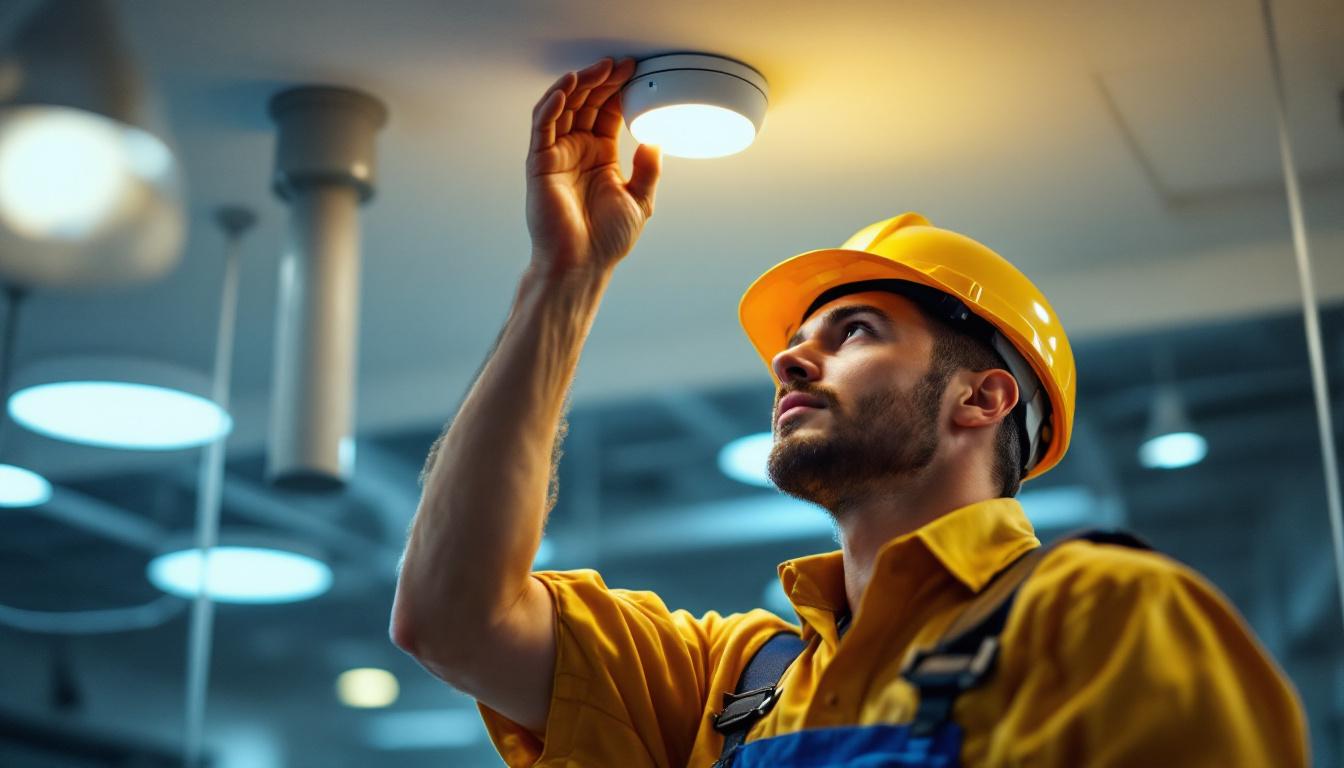
Ceiling occupancy sensors have become a cornerstone in modern lighting control systems. They automatically detect the presence of people in a room and adjust lighting accordingly, saving energy and enhancing convenience. For lighting contractors, these devices offer a valuable service upgrade, but they come with their own set of challenges.
Knowing how to avoid common pitfalls during installation and maintenance can make a significant difference in client satisfaction and system performance. A well-installed occupancy sensor not only reduces energy costs but also minimizes complaints related to lighting behavior.
These sensors typically utilize passive infrared (PIR) technology or ultrasonic waves to detect motion. PIR sensors work by sensing changes in infrared radiation emitted by objects in their field of view, while ultrasonic sensors emit sound waves and measure the reflection off moving objects. This technological distinction can significantly influence the choice of sensor based on the specific needs of a space. For instance, PIR sensors are often more effective in smaller, enclosed areas, whereas ultrasonic sensors can cover larger, more open spaces due to their ability to detect motion even behind obstacles.
Moreover, the integration of ceiling occupancy sensors with smart building systems has opened up new avenues for energy management and automation. By connecting these sensors to a centralized control system, building managers can monitor occupancy patterns in real-time, allowing for more sophisticated energy-saving strategies. This not only leads to reduced operational costs but also contributes to a more sustainable approach to building management. As the demand for energy-efficient solutions continues to rise, understanding the capabilities and limitations of these sensors becomes increasingly vital for contractors aiming to provide top-notch service to their clients.
Common Issues Lighting Contractors Face with Ceiling Occupancy Sensors
False Triggers and Inconsistent Detection
One of the most frequent problems is false triggering. Sensors may turn lights on or off unexpectedly due to pets, HVAC drafts, or even sunlight reflections. This can frustrate occupants and lead to distrust in the system. For instance, a sudden movement from a pet can activate the sensor, turning on lights in an otherwise empty room, which can be particularly disruptive in environments like offices or classrooms where focus is essential. Moreover, the presence of reflective surfaces, such as mirrors or shiny furniture, can create additional confusion for the sensor, leading to unnecessary energy consumption and a negative user experience.
Inconsistent detection often results from improper sensor placement or using the wrong sensor type for the space. For example, a sensor designed for open office areas might not work well in a conference room with partitions. Additionally, factors such as ceiling height and the layout of furniture can significantly affect sensor performance. A sensor mounted too high may not detect lower movements effectively, while one placed too low might pick up irrelevant activity, further complicating the reliability of the system. Understanding the specific needs of each space is crucial for ensuring optimal sensor functionality.
Wiring and Compatibility Challenges
Incorrect wiring is another common issue. Occupancy sensors require precise connections to function correctly, especially when integrated with dimmers or advanced lighting control panels. Wiring errors can cause flickering lights, sensor failure, or even electrical hazards. The complexity of modern electrical systems can make troubleshooting these issues particularly challenging, as contractors must navigate a maze of connections and configurations. Proper training and adherence to wiring standards are essential to mitigate these risks and ensure a safe installation.
Compatibility with existing lighting fixtures and control systems is critical. Some sensors may not communicate well with certain LED drivers or smart building systems, leading to erratic behavior or limited functionality. This lack of interoperability can result in additional costs and time spent on retrofitting or replacing components. Furthermore, as technology evolves, older systems may become obsolete, making it vital for contractors to stay informed about the latest advancements and compatibility requirements in the industry. This proactive approach can help prevent future headaches and ensure a seamless integration of lighting controls.
Sensor Coverage and Blind Spots
Ceiling sensors rely on their field of view to detect motion or presence. If the sensor is installed in a location with obstructions or outside the optimal coverage area, it may miss occupants entirely. This leads to lights turning off prematurely, causing discomfort and complaints. For example, in a large open space with furniture layouts that frequently change, the sensor’s effectiveness can diminish, resulting in dark corners that are unwelcoming and impractical. Regular assessments of sensor placement and coverage can help maintain optimal functionality and user satisfaction.
Moreover, the design of the space can create inherent blind spots that are difficult to mitigate. In areas with high ceilings or complex architectural features, achieving comprehensive coverage can be a daunting task. Contractors must carefully evaluate the environment and consider using multiple sensors or alternative technologies, such as infrared or ultrasonic sensors, to enhance detection capabilities. By employing a strategic approach to sensor placement and technology selection, contractors can significantly improve the reliability and efficiency of occupancy sensing systems, ultimately leading to better lighting control and energy savings.
Best Practices for Installation to Avoid Issues
Choosing the Right Sensor Type
Occupancy sensors come in various types: passive infrared (PIR), ultrasonic, dual-technology, and more. Each has strengths and weaknesses depending on the environment.
PIR sensors detect heat and motion but can struggle in rooms with limited temperature differences or where occupants remain very still. Ultrasonic sensors emit sound waves and detect movement by changes in the reflected waves, making them more sensitive but prone to false triggers from air movement.
Dual-technology sensors combine both methods to reduce false positives and improve accuracy. Selecting the appropriate sensor type based on room size, layout, and usage patterns is essential for reliable operation. For instance, in a large conference room where people may be seated for extended periods, a dual-technology sensor might be the best choice to ensure that it accurately detects movement without being overly sensitive to ambient noise or temperature shifts.
Additionally, understanding the specific needs of the space can further refine your choice. For example, in areas with high ceilings or extensive windows, a specialized sensor that can adapt to these conditions may be necessary. Researching the latest advancements in sensor technology can also provide insights into options that offer enhanced features, such as advanced analytics or integration with building management systems, which can help optimize energy usage and improve overall efficiency.
Optimal Sensor Placement
Positioning the sensor correctly is crucial. It should cover the entire occupied area without obstructions like beams, partitions, or large furniture. Typically, sensors are installed in the center of the ceiling or in locations where occupant movement is most predictable.
Avoid placing sensors near HVAC vents, windows with direct sunlight, or reflective surfaces that can interfere with detection. Testing the sensor’s coverage before finalizing installation helps identify blind spots or areas of oversensitivity. Moreover, considering the height at which the sensor is mounted can significantly impact its effectiveness; mounting it too high may limit its ability to detect lower-level movements, while too low may lead to unnecessary triggers.
In addition to these considerations, it’s beneficial to account for the specific activities that will take place in the space. For example, in a classroom setting, where students may move around frequently, placing sensors in strategic locations that capture the flow of movement can enhance the system’s responsiveness. Utilizing simulation tools or software can also aid in visualizing sensor placement and ensuring optimal coverage before installation begins.
Proper Wiring and Integration
Follow manufacturer wiring diagrams meticulously. Use appropriate wire gauges and connectors, and ensure all connections are secure. When integrating with dimmers or smart controls, verify compatibility beforehand.
Label all wiring clearly to facilitate future troubleshooting. Consider using modular connectors or terminal blocks to make maintenance easier. If uncertain, consult with electrical engineers or system integrators to prevent costly mistakes. Additionally, ensuring that all wiring is installed in compliance with local electrical codes is essential for safety and functionality.
Furthermore, during the integration process, it’s important to account for the potential need for firmware updates or software configurations that may enhance the sensor’s performance. Many modern sensors come equipped with features that allow for remote monitoring and adjustments, which can be invaluable in maintaining optimal functionality over time. Establishing a routine maintenance schedule can also help in identifying issues early and ensuring that the system operates smoothly, ultimately leading to a more efficient and responsive environment.
Maintenance and Troubleshooting Tips
Regular Sensor Cleaning and Inspection
Dust, dirt, and cobwebs can accumulate on sensor lenses, reducing sensitivity and causing detection failures. Schedule periodic cleaning using a soft cloth and mild cleaner. Avoid abrasive materials or harsh chemicals that could damage the sensor.
Inspect mounting hardware to ensure sensors remain securely attached and properly aligned. Loose or tilted sensors can create detection gaps or false triggers.
Adjusting Sensitivity and Time Delays
Most occupancy sensors allow adjustment of sensitivity and time delay settings. Sensitivity controls how easily the sensor detects motion, while time delay determines how long lights stay on after no motion is detected.
Fine-tuning these settings based on the space’s usage patterns can reduce false triggers and improve occupant comfort. For example, longer time delays work well in conference rooms where people may remain still for extended periods.
Diagnosing Common Problems
If lights flicker or fail to respond correctly, start by checking wiring connections and power supply. Use a multimeter to verify voltage levels at the sensor terminals.
For false triggers, inspect the environment for sources of interference like fans, HVAC vents, or pets. Adjust sensor orientation or switch to a different sensor technology if necessary.
When sensors fail to detect occupancy, verify coverage area and test sensor response by moving through the space slowly. Replace faulty sensors promptly to maintain system reliability.
Leveraging Technology and Staying Updated
Smart Sensors and Integration with Building Automation
Modern ceiling occupancy sensors often come with smart features such as wireless connectivity, daylight harvesting integration, and remote configuration. These capabilities allow for more precise control and energy savings.
Lighting contractors should stay informed about new sensor technologies and software updates. Partnering with manufacturers who provide training and technical support can enhance installation quality and reduce callbacks.
Energy Codes and Compliance
Many jurisdictions have energy codes requiring occupancy sensors in commercial and institutional buildings. Understanding these regulations helps contractors specify compliant products and avoid costly rework.
Ensure that installed sensors meet local standards for sensitivity, coverage, and energy savings. Documentation and commissioning reports may be required to demonstrate compliance.
Conclusion: Delivering Reliable Occupancy Sensor Solutions
Ceiling occupancy sensors offer significant benefits but require careful selection, installation, and maintenance. Avoiding common issues like false triggers, wiring errors, and poor placement ensures systems perform as intended.
Lighting contractors who master these aspects can provide clients with dependable, energy-efficient lighting solutions that enhance comfort and reduce operational costs. Staying current with technology and regulations further positions contractors as trusted experts in the field.
Get Your Premium Ceiling Occupancy Sensors at LumenWholesale
Ready to elevate your lighting projects with reliable and energy-efficient ceiling occupancy sensors? Look no further than LumenWholesale, where we offer an extensive selection of spec-grade lighting products at unbeatable wholesale prices. Say goodbye to inflated markups and hello to high-performance lighting that meets the highest industry standards. With LumenWholesale, bulk buying is a breeze, and with free shipping, you can rest assured that you’re getting the best value without any hidden fees. Enhance your lighting solutions today and experience the best in wholesale lighting at the best value.