Maximizing Efficiency with LED Flexible Light Strips
LED flexible light strips have transformed the way lighting contractors approach both residential and commercial projects. Their adaptability and energy efficiency make them a go-to solution for a variety of lighting challenges. But to truly leverage their potential, contractors must understand how to optimize installation and design.
One key advantage of flexible LED strips is their ability to conform to unusual surfaces and tight spaces. This flexibility allows for creative lighting designs that traditional fixtures simply can’t achieve. For example, illuminating curved staircases, under-cabinet areas, or intricate ceiling coves becomes straightforward with these strips. Additionally, the ease of installation means that contractors can save valuable time on the job site, allowing for quicker project turnaround and increased client satisfaction.
Efficiency also comes from the strips’ low power consumption. Compared to incandescent or fluorescent lighting, LED strips use significantly less electricity while providing comparable or superior brightness. This translates to lower operational costs for clients and a compelling selling point when pitching projects. Furthermore, the longevity of LED technology means that clients can expect fewer replacements and maintenance issues, making it a sustainable choice for long-term investment.
Choosing the Right LED Strip for the Job
Not all LED flexible strips are created equal. Lighting contractors must consider several factors to select the best product for each application. These include color temperature, brightness (measured in lumens), IP rating, and power requirements.
Color temperature affects the ambiance of the space. Warmer tones (2700K-3000K) work well in residential settings, creating cozy atmospheres. Cooler temperatures (4000K-6000K) suit commercial or task-oriented environments where clarity and focus are essential. Some projects benefit from tunable white or RGB strips, allowing dynamic color changes for mood lighting or branding purposes. The ability to customize color settings not only enhances the aesthetic appeal of a space but can also play a crucial role in influencing the mood and productivity of its occupants.
Brightness is critical for ensuring the strip provides adequate illumination. A strip that’s too dim won’t meet client expectations, while an overly bright strip can cause glare or discomfort. Contractors should calculate the required lumens per foot based on the room size and purpose. Additionally, understanding the beam angle of the LED strips can help in achieving the desired lighting effect, whether it’s a focused spotlight or a more diffuse wash of light. This attention to detail ensures that every project not only meets the technical requirements but also aligns with the client’s vision for their space.
Installation Best Practices for Long-Term Performance
Proper installation is crucial to the longevity and performance of LED flexible light strips. Lighting contractors must pay close attention to surface preparation, mounting methods, and electrical connections.
Before installation, surfaces should be clean, dry, and free of dust or grease. Many LED strips come with adhesive backing, but this alone isn’t always sufficient for long-term adhesion, especially in humid or dusty environments. Using additional mounting clips or channels can provide extra security and protect the strip from damage. Additionally, it’s important to consider the type of surface being used; for instance, porous materials may require a primer to ensure a strong bond, while smooth surfaces may benefit from a roughening process to enhance adhesion.
Heat management is another critical factor. LED strips generate heat, and excessive buildup can reduce lifespan and light quality. Installing strips on aluminum channels or heat sinks helps dissipate heat effectively. Avoid placing strips in enclosed spaces without ventilation unless they are specifically rated for such conditions. Moreover, it’s beneficial to monitor the ambient temperature where the strips are installed; extreme temperatures can affect both performance and longevity, so choosing the right LED strip designed for specific temperature ranges can make a significant difference.
Wiring and Power Supply Considerations
Ensuring the correct power supply is matched to the LED strip’s voltage and wattage is essential. Undersized power supplies can cause flickering or premature failure, while oversized ones may be inefficient and costly. It is advisable to calculate the total wattage of the LED strips being used and select a power supply that provides a little extra capacity—typically around 20% more than the total load—to ensure reliable performance and longevity.
Lighting contractors should also plan wiring routes carefully to minimize voltage drop, which can cause uneven brightness along the strip. Using thicker gauge wires or shorter runs helps maintain consistent illumination. For longer installations, consider using multiple power injection points to keep voltage stable. Additionally, it is wise to use connectors that are rated for the specific application, as lower-quality connectors can lead to increased resistance and potential overheating. Regularly checking connections during maintenance can also help catch any issues before they escalate into larger problems.
Waterproofing is another consideration when installing LED strips outdoors or in damp environments. Selecting strips with appropriate IP ratings and sealing connections with waterproof connectors or silicone can prevent damage and safety hazards. Furthermore, when planning outdoor installations, it’s crucial to consider potential exposure to elements like rain, snow, and UV rays. Utilizing UV-resistant materials and protective coatings can extend the lifespan of the installation, ensuring that the lighting remains vibrant and functional for years to come.
Design Strategies to Enhance Client Satisfaction
Beyond technical installation, lighting contractors play a pivotal role in design decisions that impact client satisfaction. LED flexible light strips offer unique opportunities to create visually stunning and functional lighting schemes. Their versatility allows for creative applications that can transform any space, making them a favorite among both designers and homeowners looking to elevate their environments.
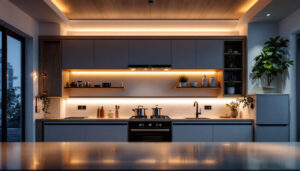
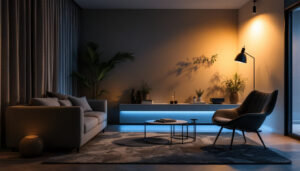
Layering light is a fundamental design principle that contractors can apply using LED strips. Combining ambient, task, and accent lighting creates depth and dimension in a space. For instance, under-cabinet LED strips provide task lighting in kitchens, while cove lighting adds a soft ambient glow that enhances mood. Additionally, incorporating dimmable options allows clients to adjust the intensity of light, further tailoring the atmosphere to suit different occasions, from lively dinner parties to quiet evenings at home.
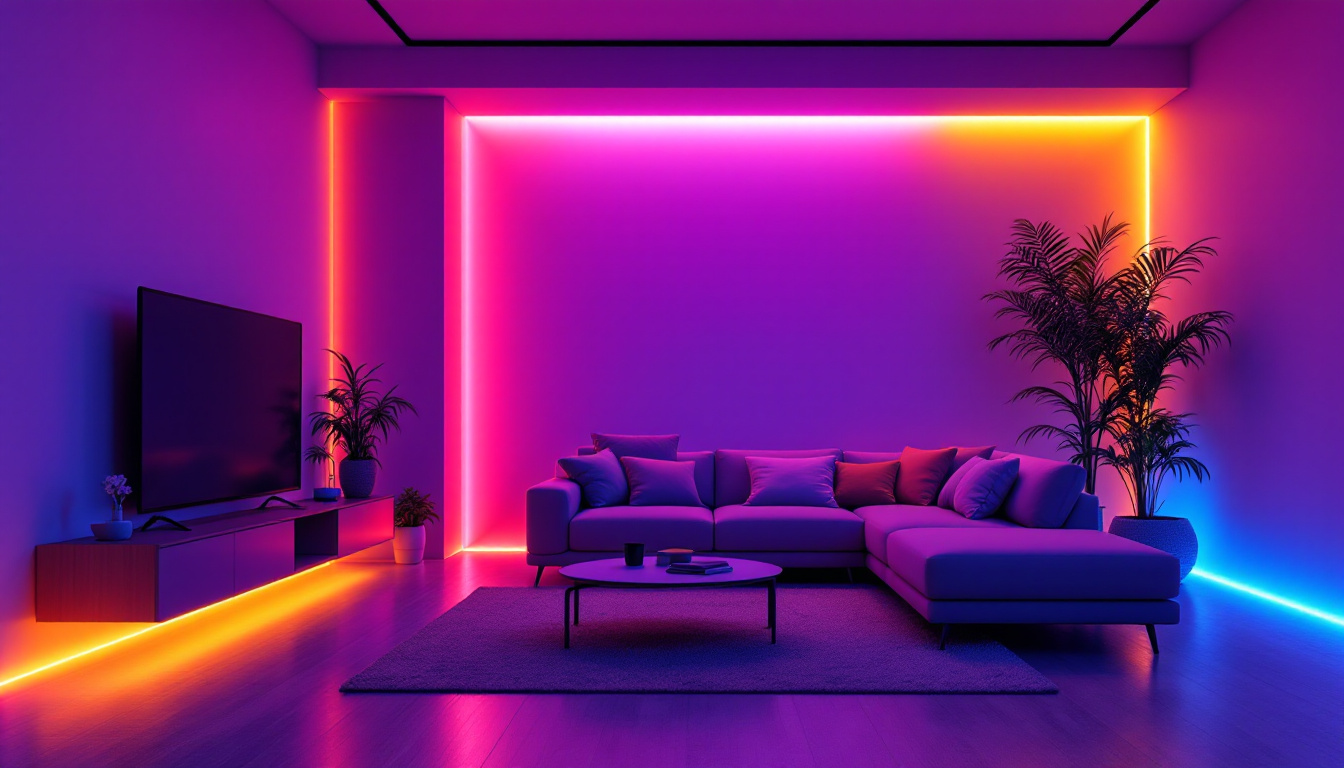
Dynamic lighting controls add another layer of customization. Integrating dimmers, color controllers, and smart home systems allows clients to adjust lighting scenes based on time of day, activity, or mood. This flexibility increases the perceived value of the installation and encourages repeat business. Moreover, the ability to program specific lighting scenes can enhance the functionality of spaces, making them more adaptable for various uses, such as hosting gatherings or creating a cozy reading nook.
Highlighting Architectural Features
LED flexible strips excel at emphasizing architectural details. Lighting contractors can use them to outline staircases, highlight textured walls, or accentuate ceiling moldings. This subtle illumination draws attention to design elements without overwhelming the space. For example, a well-placed strip along the edge of a coffered ceiling can create a dramatic effect, making the room feel more expansive and inviting.
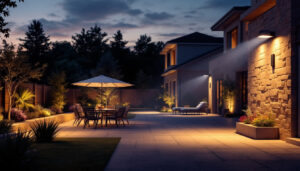
When used outdoors, LED strips can define pathways, illuminate decks, or enhance landscaping features. Selecting the right color temperature and brightness ensures these installations are both attractive and safe. Furthermore, using weather-resistant LED strips allows for year-round outdoor enjoyment, creating inviting spaces for evening gatherings or simply enjoying a quiet night under the stars. The integration of motion sensors can also enhance safety by automatically illuminating pathways when someone approaches, adding both convenience and security to outdoor areas.
Staying Ahead with Emerging Trends and Technologies
The LED lighting industry continues to evolve rapidly, and staying informed about new technologies gives contractors a competitive edge. Advances in LED chip efficiency, flexible substrates, and smart controls open new possibilities.
For example, addressable LED strips enable individual control of each LED segment, allowing for intricate animations and effects. This technology is gaining popularity in commercial signage, entertainment venues, and high-end residential projects.
Integration with Internet of Things (IoT) platforms is another growing trend. Lighting contractors who can offer connected lighting solutions that integrate with building automation systems provide added value to clients focused on energy management and convenience.
Training and Certification
Investing in ongoing training ensures contractors remain proficient with the latest installation techniques and safety standards. Certification programs from recognized industry organizations enhance credibility and can open doors to larger, more complex projects.
Understanding regulations related to energy efficiency and building codes is also essential. LED flexible light strips often contribute to meeting green building certifications, which clients increasingly demand.
Common Challenges and How to Overcome Them
Despite their advantages, LED flexible light strips present certain challenges that contractors must navigate. Addressing these proactively leads to smoother projects and happier clients.
One common issue is uneven lighting due to voltage drop or poor installation. Careful planning of power distribution and using quality products minimize this problem. Testing strips before final installation can catch issues early.
Another challenge is managing client expectations around color rendering and brightness. Demonstrating samples and explaining technical specifications upfront helps align understanding. Offering mock-ups or temporary installations can also be effective.
Dealing with Environmental Factors
Outdoor or industrial environments expose LED strips to moisture, dust, and temperature extremes. Choosing strips with adequate protection ratings and using proper sealing techniques prevents premature failure.
In high-traffic areas, physical damage is a risk. Installing strips in protective channels or behind diffusers can safeguard against accidental impacts.
Conclusion: Mastering LED Flexible Light Strip Installations
LED flexible light strips offer lighting contractors a versatile, energy-efficient tool to meet diverse client needs. Success hinges on selecting the right products, meticulous installation, thoughtful design, and staying current with technological advancements.
By embracing these strategies, contractors can deliver lighting solutions that are not only functional and durable but also visually compelling and tailored to client preferences. This expertise fosters trust, drives referrals, and positions contractors as leaders in the competitive lighting industry.
Illuminate Your Projects with LumenWholesale
Ready to elevate your lighting installations with the versatility and efficiency of LED flexible light strips? At LumenWholesale, we provide lighting contractors with the highest quality, spec-grade lighting products at unbeatable wholesale prices. Say goodbye to local distributor markups and hello to superior lighting solutions that meet the most rigorous industry standards. Plus, with free shipping on bulk orders, you can stock up on premium lighting without worrying about hidden fees or compromises. Don’t miss out on the perfect blend of quality, affordability, and convenience. Visit LumenWholesale today and secure the best value in wholesale lighting for your next project.