Understanding the Unique Lighting Needs of Barns
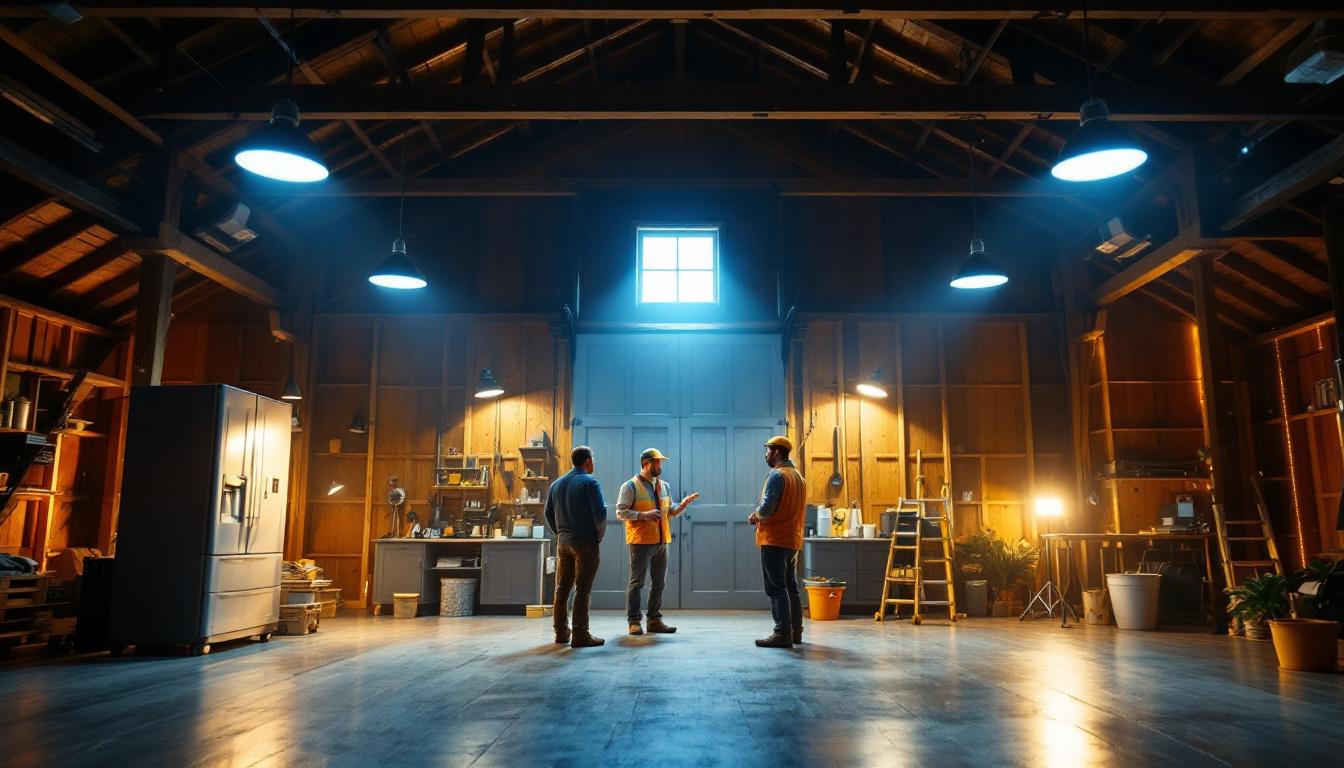
Lighting barns presents a distinct set of challenges and opportunities for lighting contractors. Unlike residential or commercial spaces, barns require illumination solutions that address both functional and environmental factors. The primary goal is to provide sufficient, uniform lighting that supports daily agricultural activities while ensuring energy efficiency and durability.
Barn environments are often exposed to dust, moisture, and temperature fluctuations, which can impact lighting fixtures’ longevity and performance. Additionally, barns may house livestock, machinery, and feed storage, necessitating lighting that promotes safety and productivity without disturbing animals. Recognizing these unique needs is the first step toward designing an effective barn lighting system.
Key Considerations for Barn Lighting
When planning barn lighting, contractors should focus on several critical factors:
- Durability: Fixtures must withstand harsh conditions, including dust, humidity, and potential impacts.
- Energy Efficiency: Given the often-large size of barns and prolonged usage hours, energy-efficient lighting reduces operational costs.
- Light Quality: Proper color temperature and uniform distribution help in performing tasks accurately and maintaining animal welfare.
- Ease of Maintenance: Lighting systems should be accessible and simple to maintain or replace, minimizing downtime.
In addition to these considerations, the layout of the barn plays a crucial role in the effectiveness of the lighting system. Strategic placement of fixtures can eliminate dark spots and ensure that all areas, from feeding zones to workstations, are adequately illuminated. For instance, using a combination of overhead lights and task lighting can enhance visibility where it’s most needed, allowing workers to perform their duties more efficiently. Furthermore, incorporating motion sensors or dimmers can help optimize energy use, providing bright light when needed while reducing output during less active times.
Another important aspect to consider is the impact of lighting on animal behavior. Certain types of lighting can influence livestock stress levels, feeding patterns, and overall health. For example, using LED lights with a color temperature that mimics natural daylight can help regulate circadian rhythms in animals, promoting better growth and productivity. Additionally, ensuring that lighting is not overly bright or flickering can prevent anxiety in sensitive species, leading to a calmer barn environment. By taking these factors into account, contractors can create a lighting design that not only meets practical needs but also enhances the overall well-being of both the animals and the workers in the barn.
Why LED Lighting is the Optimal Choice for Barns
LED technology has revolutionized barn lighting by offering a combination of efficiency, durability, and superior light quality. Compared to traditional incandescent or fluorescent lighting, LEDs provide several advantages that are particularly beneficial in agricultural settings.
Energy Savings and Longevity
One of the most compelling reasons to recommend LED lighting in barns is the significant reduction in energy consumption. LEDs use up to 75% less energy than incandescent bulbs and last up to 25 times longer, drastically lowering electricity bills and replacement costs. This is especially important in barns where lights may operate for extended periods, sometimes continuously during winter months or nighttime operations. Additionally, the reduced energy demand contributes to a lower carbon footprint, aligning with sustainable farming practices that are increasingly important to consumers and regulatory bodies alike.
Improved Light Quality and Animal Welfare
LEDs offer superior color rendering and customizable color temperatures, which can be tailored to the specific needs of different livestock. For example, cooler light temperatures (around 5000K) mimic daylight and can enhance visibility for workers, while warmer tones may reduce stress in animals. Studies have shown that appropriate lighting can positively influence animal behavior, health, and productivity, making LED lighting a strategic investment. Furthermore, the flicker-free operation of LEDs minimizes discomfort and anxiety in animals, promoting a more serene environment that can lead to improved growth rates and overall well-being.
Robustness and Environmental Resistance
LED fixtures designed for agricultural use often come with IP65 or higher ratings, ensuring resistance to dust and water ingress. Their solid-state construction makes them less susceptible to damage from vibrations or impacts common in barn environments. This robustness translates to fewer replacements and less maintenance, a critical factor for busy contractors and barn owners alike. Moreover, many LED lights are designed to withstand extreme temperatures, making them suitable for both heated and unheated barns. This versatility ensures that farmers can rely on consistent lighting performance, regardless of the seasonal challenges they face.
Enhanced Safety Features
In addition to energy efficiency and durability, LED lighting significantly enhances safety in barn environments. The cool operating temperature of LEDs reduces the risk of fire hazards associated with traditional lighting, which can generate excessive heat. Furthermore, the bright, uniform light provided by LEDs improves visibility in work areas, reducing the likelihood of accidents and injuries among farm workers. With the ability to install motion sensors or dimmers, barn owners can further optimize lighting based on activity levels, ensuring that areas are well-lit when needed while conserving energy during quieter times.
Cost-Effectiveness Over Time
While the initial investment in LED lighting may be higher than that of traditional options, the long-term savings are undeniable. With their extended lifespan and minimal maintenance requirements, LEDs can lead to substantial cost savings over time. Additionally, many utility companies offer rebates or incentives for upgrading to energy-efficient lighting, further offsetting the initial costs. As farmers increasingly recognize the value of investing in LED technology, they are not only improving their operational efficiency but also enhancing the overall productivity and sustainability of their agricultural practices.
Practical Installation Tips for Barn LED Lighting
Successful barn lighting installations require careful planning and execution. Lighting contractors should consider layout, fixture placement, and wiring methods to maximize performance and safety.
Optimizing Fixture Placement
Uniform light distribution is essential to avoid shadows and dark spots that can hinder work or stress animals. Positioning fixtures at appropriate heights and intervals ensures even coverage. For example, linear LED fixtures mounted on ceiling beams can provide broad illumination, while adjustable spotlights may be used to highlight specific work areas such as feed stations or milking parlors.
Contractors should also consider the barn’s structural elements and existing electrical infrastructure. Avoid placing fixtures too close to heat sources or areas prone to moisture accumulation. Using reflective surfaces or light-colored walls can enhance brightness and reduce the number of fixtures needed.
Ensuring Electrical Safety and Compliance
Given the presence of moisture and dust, all electrical components must comply with relevant safety standards. Using conduit and weatherproof junction boxes protects wiring from damage and reduces fire risk. Ground-fault circuit interrupters (GFCIs) are recommended in wet or damp locations to prevent electrical shocks.
Contractors should also verify that the electrical load does not exceed circuit capacities, especially when retrofitting older barns. Proper labeling and documentation of the lighting system facilitate future maintenance and troubleshooting.
Incorporating Controls for Efficiency
Integrating lighting controls such as motion sensors, timers, and dimmers can further enhance energy savings and convenience. For instance, motion sensors in seldom-used areas like storage rooms or corridors ensure lights operate only when needed. Timers can automate lighting schedules, aligning with daily farm routines.
Advanced controls, including daylight harvesting systems, adjust artificial lighting based on natural light availability, optimizing energy use. While such systems may require a higher upfront investment, the long-term savings and operational benefits often justify the cost.
Maintenance and Troubleshooting Best Practices
Proper maintenance extends the lifespan of barn LED lighting and ensures consistent performance. Lighting contractors should educate barn owners on routine checks and provide guidance on troubleshooting common issues.
Routine Inspection and Cleaning
Dust and dirt accumulation can diminish light output and cause overheating. Regular cleaning of fixtures, lenses, and reflectors is essential, preferably using soft cloths and non-abrasive cleaners. Inspections should also include checking for loose connections, corrosion, or signs of water ingress.
Addressing Flickering and Dimming
Flickering lights may indicate wiring problems, incompatible dimmers, or failing drivers. Contractors should verify that all components are compatible and properly installed. Dimming issues can often be resolved by replacing drivers with models designed for dimmable LEDs or adjusting control settings.
Replacing Fixtures and Components
When replacements are necessary, selecting compatible LED fixtures or drivers ensures system integrity. Contractors should maintain records of installed products and their specifications to facilitate ordering and installation of replacements. Offering maintenance contracts can provide barn owners with peace of mind and steady business for contractors.
Case Studies: Successful Barn LED Lighting Installations
Examining real-world examples helps illustrate the practical benefits and challenges of barn LED lighting projects.
Dairy Farm Retrofit in the Midwest
A large dairy farm replaced outdated fluorescent fixtures with LED linear lights and integrated motion sensors in storage areas. The upgrade resulted in a 60% reduction in energy consumption and improved visibility in milking parlors, enhancing worker efficiency and animal comfort. The farm also reported fewer maintenance calls due to the durability of the new fixtures.
Poultry Barn New Construction in the Southeast
During the construction of a new poultry barn, LED fixtures with adjustable color temperatures were installed to optimize lighting during different growth stages of the birds. The lighting system included automated controls synchronized with feeding and ventilation schedules. This holistic approach contributed to better flock health and a noticeable increase in production rates.
Final Thoughts: Elevating Barn Lighting with Expertise
For lighting contractors, mastering barn LED lighting requires a blend of technical knowledge, practical experience, and an understanding of agricultural workflows. By focusing on durability, energy efficiency, and animal welfare, contractors can deliver lighting solutions that not only meet but exceed client expectations.
Staying current with LED technology advancements and safety standards ensures installations remain relevant and effective. Furthermore, building strong relationships with barn owners through education and maintenance support fosters long-term partnerships and repeat business. Ultimately, well-executed barn LED lighting projects contribute to safer, more productive agricultural environments.
Illuminate Your Barn Projects with LumenWholesale
Ready to take your barn lighting projects to the next level? LumenWholesale is here to support your expertise with our extensive range of high-quality, spec-grade LED lighting solutions. Experience the unbeatable value of wholesale pricing combined with the convenience of free shipping. Our commitment to quality and affordability ensures that you can equip your agricultural lighting installations with the best products on the market. Don’t compromise on performance or price. Wholesale Lighting at the Best Value is just a click away. Elevate your lighting projects with LumenWholesale today.