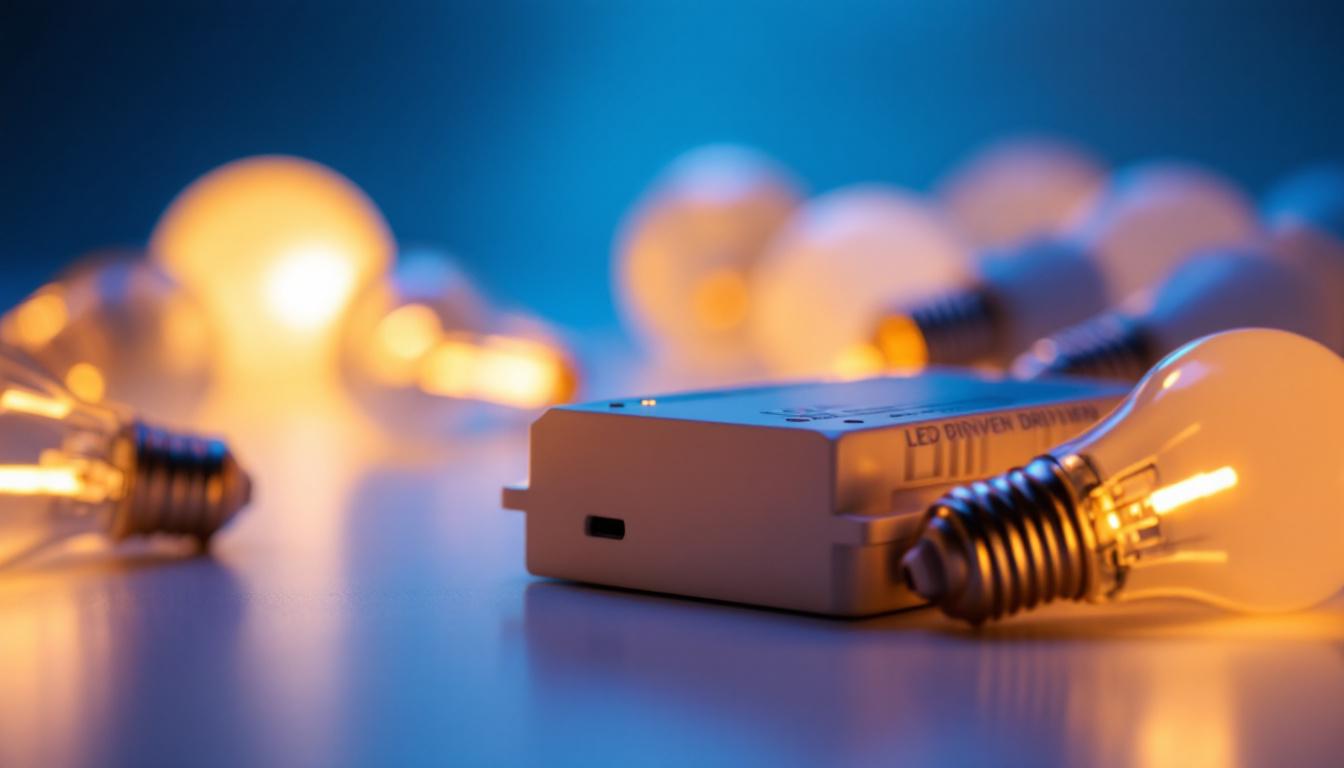
Understanding the Role of an LED Driver
When working with LED lighting, the term “driver” often comes up, yet its importance can sometimes be underestimated. An LED driver is essentially the power supply for LED lights, converting the electrical current from your main source into a form that LEDs can safely and efficiently use. Unlike traditional incandescent bulbs, LEDs require a constant current or voltage to operate correctly, and that’s where the driver steps in.
Without a proper driver, LEDs can suffer from flickering, reduced lifespan, or even complete failure. This makes the driver not just a component, but a critical part of the lighting system. For contractors, understanding how LED drivers function is key to delivering reliable, energy-efficient lighting solutions that meet client expectations and regulatory standards.
LED drivers come in various types, including constant current and constant voltage drivers, each suited for different applications. Constant current drivers are typically used in applications where the LED load is constant, ensuring that the LEDs receive a steady flow of current, which is crucial for maintaining brightness and color consistency. On the other hand, constant voltage drivers are ideal for LED strips and fixtures that require a specific voltage input, allowing for greater flexibility in design and installation. The choice of driver can significantly affect not only the performance but also the overall energy efficiency of the lighting system.
Moreover, modern LED drivers often incorporate advanced features such as dimming capabilities and thermal protection, enhancing their functionality and lifespan. Dimming drivers allow users to adjust the brightness of their LED lights, creating a customizable ambiance while also conserving energy. Thermal protection ensures that the driver operates within safe temperature limits, preventing overheating and potential damage to both the driver and the LEDs. As the technology behind LED drivers continues to evolve, staying informed about the latest advancements can empower contractors and designers to create more innovative and sustainable lighting solutions.
Why LED Lights Need Drivers
LEDs Are Current-Sensitive Devices
LEDs are semiconductors that emit light when current flows through them. However, they are sensitive to fluctuations in current and voltage. Unlike incandescent bulbs that can tolerate voltage variations, LEDs require a steady current to maintain consistent brightness and avoid damage.
This sensitivity means that the power supplied directly from the mains (usually alternating current, AC) is unsuitable without modification. The LED driver converts AC to direct current (DC) and regulates the current to a level that the LED can handle safely. This conversion process is crucial, as it not only ensures the LEDs operate efficiently but also prevents flickering, which can be distracting and detrimental to eye health over time.
Protecting LED Lifespan and Performance
One of the main reasons LED drivers are essential is that they help extend the life of LED lights. Overcurrent or voltage spikes can degrade LED chips quickly, leading to premature failure. A well-designed driver provides protection mechanisms such as overvoltage protection, thermal shutdown, and short-circuit protection.
For contractors, specifying LED drivers that match the LEDs’ requirements ensures the lighting installation remains durable and maintenance-free for years, reducing callbacks and increasing customer satisfaction. Additionally, the use of quality drivers can enhance the overall energy efficiency of the lighting system. By minimizing energy waste and optimizing performance, these drivers contribute to lower electricity bills and a reduced carbon footprint, making them an environmentally friendly choice.
Moreover, the integration of smart technology into LED drivers is becoming increasingly popular. Many modern drivers now feature dimming capabilities and compatibility with smart home systems, allowing users to control their lighting remotely or adjust brightness levels based on their preferences. This added functionality not only enhances user experience but also provides an opportunity for energy savings, as users can tailor their lighting to suit different activities throughout the day.
Types of LED Drivers and Their Applications
Constant Current Drivers
Constant current drivers supply a fixed current to the LED, allowing the voltage to vary within a specified range. This type is commonly used in applications where LEDs are connected in series, such as linear lighting or high-power LED arrays.
By maintaining a steady current, these drivers prevent the LEDs from overheating or flickering. They are ideal for environments requiring consistent light output, like commercial offices or industrial facilities.
Constant Voltage Drivers
Constant voltage drivers provide a fixed voltage output, allowing the current to vary depending on the LED load. These are typically used with LED strips or modules designed to operate at a specific voltage, such as 12V or 24V.
For contractors, understanding whether the LED product requires constant current or constant voltage is crucial when selecting the driver. Using the wrong type can lead to poor performance or damage.
Dimmable vs. Non-Dimmable Drivers
Dimmable LED drivers allow for adjusting the brightness of the LED light, which is increasingly popular in residential and commercial settings. These drivers support various dimming protocols like TRIAC, 0-10V, or DALI, offering flexibility in lighting control.
Non-dimmable drivers, on the other hand, provide a fixed output and are generally less expensive. Choosing between dimmable and non-dimmable drivers depends on the project requirements and client preferences.
Energy Efficiency and LED Drivers
How Drivers Impact Overall Efficiency
While LEDs themselves are highly energy-efficient, the driver’s efficiency directly affects the total energy consumption of the lighting system. A low-efficiency driver wastes energy as heat, reducing the overall savings expected from LED lighting.
High-quality LED drivers often achieve efficiencies above 85%, meaning less energy is lost during power conversion. For contractors aiming to meet energy codes or green building certifications, specifying efficient drivers is a critical step.
Power Factor and Harmonics
Power factor (PF) is a measure of how effectively electrical power is used. LED drivers with a low power factor can cause increased energy costs and strain on electrical infrastructure. Modern LED drivers include power factor correction (PFC) to minimize these issues.
Additionally, drivers can introduce electrical noise or harmonics into the system, potentially interfering with other equipment. Selecting drivers compliant with relevant standards ensures smooth operation and avoids costly electrical problems.
Installation Considerations for LED Drivers
Matching Driver Specifications to LED Requirements
One of the most common installation mistakes is mismatching the driver’s output with the LED’s specifications. Contractors must verify the voltage, current, and wattage ratings to ensure compatibility. Overloading a driver can cause overheating, while underloading may lead to flickering or dimming issues.
Manufacturers provide detailed datasheets that specify these parameters. Reviewing these documents carefully before installation avoids costly errors and ensures optimal performance.
Physical Placement and Environmental Factors
LED drivers generate heat during operation, so their placement affects longevity and safety. Drivers should be installed in well-ventilated areas away from moisture, dust, or extreme temperatures. Some drivers come with IP ratings indicating their suitability for outdoor or damp locations.
For retrofit projects or tight spaces, contractors might select compact drivers or those with remote mounting options to accommodate design constraints without compromising performance.
Wiring and Safety Compliance
Proper wiring practices are essential for safe and reliable LED driver installation. This includes using the correct gauge wire, ensuring secure connections, and following electrical codes. Grounding and insulation are also critical to prevent electrical hazards.
Contractors should also consider surge protection, especially in areas prone to voltage spikes, to safeguard both drivers and LEDs from damage.
Common Challenges and Troubleshooting
Flickering and Dimming Issues
Flickering LEDs often indicate driver problems, such as incompatible dimmers, poor wiring, or driver malfunction. Troubleshooting requires checking the driver’s compatibility with the dimming system and verifying electrical connections.
In some cases, upgrading to a higher-quality driver or replacing incompatible dimmers resolves flickering and ensures smooth dimming performance.
Driver Noise and Interference
Some LED drivers emit audible buzzing or humming, especially when dimmed. This noise can be disruptive in quiet environments like offices or homes. Selecting drivers designed for low noise and using proper installation techniques can mitigate this issue.
Electrical interference affecting other devices can also stem from poor driver design. Choosing drivers compliant with electromagnetic compatibility (EMC) standards helps avoid such problems.
Premature Driver Failure
Drivers can fail prematurely due to overheating, voltage spikes, or poor-quality components. Ensuring proper ventilation, surge protection, and purchasing drivers from reputable manufacturers reduces the risk of early failure.
Regular maintenance and inspection during scheduled service visits help identify potential issues before they cause system downtime.
Future Trends in LED Drivers
Smart and Connected Drivers
Advancements in lighting technology are pushing LED drivers toward integration with smart controls and IoT systems. These drivers enable remote monitoring, adaptive dimming, and energy usage reporting, providing contractors and clients with enhanced control and data insights.
Such smart drivers support energy management strategies and can contribute to further operational savings and sustainability goals.
Improved Efficiency and Miniaturization
Ongoing improvements in semiconductor technology are leading to smaller, more efficient drivers. This miniaturization allows for sleeker lighting designs and easier installation in tight spaces, expanding the possibilities for creative lighting solutions.
Energy efficiency gains also continue, helping contractors meet increasingly stringent energy codes and green building standards.
Conclusion: Why Knowing LED Drivers Matters for Contractors
For lighting contractors, mastering the nuances of LED drivers is essential. The driver is the heart of any LED lighting system, influencing performance, reliability, energy efficiency, and overall client satisfaction. Selecting the right driver involves understanding the LED’s electrical needs, the application environment, and the desired control features.
Ignoring the driver’s role can lead to costly failures, unhappy customers, and missed opportunities for energy savings. Conversely, a well-chosen and properly installed LED driver ensures a successful lighting project that stands the test of time.
Staying informed about the latest driver technologies and best practices empowers contractors to deliver superior lighting solutions that meet modern demands for efficiency, quality, and sustainability.
Illuminate Your Projects with LumenWholesale
Ready to elevate your lighting projects with the best LED drivers on the market? At LumenWholesale, we provide contractors with superior, spec-grade lighting products at unbeatable wholesale prices. Say goodbye to inflated markups and hello to a vast selection of reliable, high-performance lighting essentials. With free shipping on bulk orders, LumenWholesale is your go-to source for quality and affordability. Don’t compromise on your lighting solutions—choose LumenWholesale for the perfect blend of quality, cost-efficiency, and convenience. Discover our collection and secure Wholesale Lighting at the Best Value for your next project.