Why Outdoor Flood Light Fixtures Matter More Than Ever
Outdoor flood lighting has transformed from a simple security measure into a critical element of architectural design, safety, and energy efficiency. For lighting contractors, understanding the nuances of flood light fixtures is no longer optional. It directly affects project outcomes, client satisfaction, and long-term maintenance.
Consider a commercial property where lighting not only deters trespassers but also highlights the building’s facade, enhances pedestrian safety, and reduces energy consumption. The choice of flood light fixtures impacts all these factors simultaneously. Selecting the right fixture can mean the difference between a project that shines and one that falls flat.
Moreover, the advancement in LED technology has revolutionized the flood lighting landscape. These fixtures are not only more energy-efficient but also offer a longer lifespan compared to traditional lighting options. With the ability to produce a range of color temperatures, contractors can customize the ambiance to suit the specific needs of a space, whether it’s a warm glow for a cozy outdoor dining area or a bright, daylight-like illumination for a retail environment. This versatility allows for greater creativity in design while also providing significant cost savings over time due to reduced energy bills and less frequent replacements.
In addition to aesthetics and efficiency, outdoor flood light fixtures play a vital role in enhancing safety and security. Well-lit areas are less likely to attract criminal activity, as potential intruders are deterred by the visibility that effective lighting provides. Furthermore, proper illumination can prevent accidents and injuries by ensuring that walkways, parking lots, and entry points are clearly visible after dark. This not only fosters a sense of security for visitors and employees but also reflects a commitment to community well-being, making it an essential consideration for any property owner looking to improve their outdoor spaces.
Key Factors Lighting Contractors Must Evaluate
Fixture Design and Durability
Outdoor flood lights face harsh conditions: rain, wind, dust, and extreme temperatures. Lighting contractors must prioritize fixtures with robust construction and high ingress protection (IP) ratings. Fixtures with IP65 or higher are generally preferred because they resist water jets and dust ingress, ensuring longevity.
Materials also matter. Die-cast aluminum housings are popular for their corrosion resistance and heat dissipation properties. Polycarbonate lenses offer impact resistance but may yellow over time if not UV stabilized. Contractors need to balance cost with durability to avoid premature replacements or warranty claims. Additionally, the choice of finishes can enhance a fixture’s resilience; powder-coated surfaces, for instance, provide an extra layer of protection against the elements, extending the life of the fixture while maintaining aesthetic appeal. Understanding the specific environmental challenges of the installation site—such as proximity to saltwater or industrial pollutants—can further guide material selection and design choices.
Light Output and Beam Angle
Flood lights are designed to illuminate wide areas, but the beam angle varies significantly. A narrow beam (15-30 degrees) concentrates light on a specific target, ideal for highlighting architectural features. Wider beams (60-120 degrees) cover larger spaces like parking lots or sports fields.
Lighting contractors must assess the project’s lighting goals carefully. Overly broad beams can cause light pollution and wasted energy, while narrow beams may leave dark spots. Using photometric data and lighting simulation software helps optimize fixture placement and beam selection. Furthermore, understanding the color temperature of the light output can also influence the effectiveness of the lighting design; warmer tones (2700K-3000K) create a welcoming atmosphere, while cooler tones (5000K-6500K) are often preferred for security and visibility. This nuanced approach to light output not only enhances functionality but also contributes to the overall aesthetic experience of the space.
Energy Efficiency and Controls
Energy costs are a major concern for clients, especially in commercial and municipal projects. LED flood lights dominate the market due to their superior energy efficiency and long lifespan compared to traditional metal halide or halogen lamps.
Incorporating smart controls—motion sensors, photocells, and timers—can drastically reduce energy consumption. For example, a flood light that activates only when movement is detected in a parking lot saves power without compromising security. Lighting contractors who integrate these technologies offer clients significant operational savings. Additionally, the implementation of smart lighting systems can facilitate remote monitoring and management, allowing for real-time adjustments based on usage patterns or environmental changes. This level of control not only enhances energy efficiency but also ensures that the lighting remains responsive to the needs of the space, providing a tailored solution that aligns with modern sustainability goals.
Impact on Project Planning and Execution
Site Assessment and Customized Solutions
Every outdoor lighting project is unique. Lighting contractors must conduct thorough site assessments to understand environmental conditions, client requirements, and regulatory constraints. This includes evaluating existing electrical infrastructure, mounting options, and potential obstructions. A detailed site assessment not only identifies the best locations for fixtures but also helps in understanding the surrounding landscape, which can significantly affect light distribution and visibility. For example, tall trees or nearby buildings may cast shadows that need to be considered when planning the lighting layout.
Customized lighting designs that incorporate the right flood light fixtures can enhance aesthetics and functionality. For instance, a stadium lighting project demands high-intensity fixtures with precise beam control, while a residential driveway might only need low-glare, warm-toned flood lights for subtle illumination. Additionally, incorporating smart lighting technology can further tailor the solution to client needs, allowing for features such as motion sensors or programmable schedules that adapt to changing usage patterns. This level of customization not only improves the user experience but can also lead to energy savings and reduced operational costs over time.
Installation Challenges and Best Practices
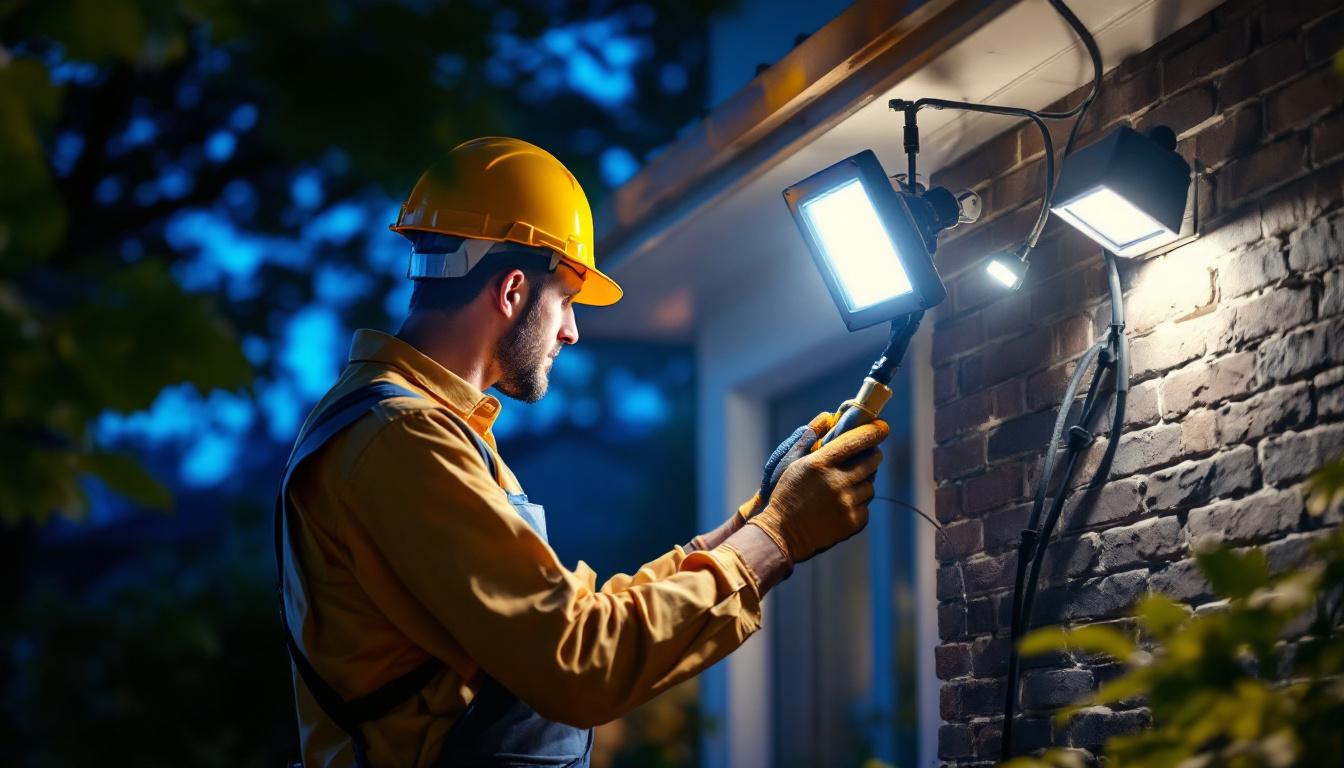
Installing outdoor flood lights often involves working at heights, dealing with uneven terrain, and ensuring weatherproof connections. Lighting contractors must follow strict safety protocols and use appropriate mounting hardware to secure fixtures against wind and vibration. Moreover, understanding the local climate is crucial; in areas prone to high winds or heavy snowfall, additional reinforcements may be necessary to ensure the longevity and stability of the installation. Training for crew members on the latest installation techniques and safety measures can mitigate risks and enhance overall project efficiency.
Proper wiring and grounding are essential to prevent electrical hazards and extend fixture life. Waterproof connectors and conduit protect against moisture ingress, while surge protectors guard against voltage spikes common in outdoor installations. Additionally, using high-quality materials can significantly reduce maintenance needs and increase the reliability of the lighting system. Contractors should also consider the accessibility of fixtures for future maintenance; strategically placing lights can simplify repairs and bulb replacements, ultimately saving time and resources in the long run.
Compliance with Lighting Standards and Regulations
Many jurisdictions have regulations governing outdoor lighting to minimize light pollution and protect wildlife. Lighting contractors must be familiar with local codes and standards such as the Illuminating Engineering Society (IES) guidelines and Dark Sky initiatives. Understanding these regulations not only helps in avoiding fines but also promotes environmentally responsible practices that can enhance a contractor’s reputation. Engaging with local community groups or environmental organizations can provide valuable insights into specific concerns related to wildlife and habitat preservation.
Failing to comply can lead to costly rework or fines. Selecting fixtures with appropriate shielding and using timers or dimmers helps meet these requirements while maintaining effective illumination. Furthermore, educating clients about the benefits of compliant lighting solutions can foster a collaborative approach to project planning. By discussing the long-term advantages of energy-efficient and wildlife-friendly lighting, contractors can position themselves as knowledgeable partners who prioritize both aesthetic and ecological considerations in their designs.
Long-Term Maintenance and Client Relationships
Fixture Longevity and Warranty Considerations
Clients expect outdoor lighting systems to perform reliably for years. Lighting contractors should recommend fixtures with proven track records and comprehensive warranties. High-quality LEDs often come with warranties extending beyond five years, reducing maintenance calls and enhancing client trust.
Providing clients with maintenance plans, including periodic cleaning and inspections, helps preserve fixture performance and appearance. This proactive approach minimizes downtime and extends the life of the installation.
Upgradability and Future-Proofing
Technology evolves rapidly. Lighting contractors who specify fixtures compatible with emerging control systems and energy standards position themselves as forward-thinking partners. Modular designs that allow easy upgrades to sensors or light sources reduce future replacement costs.
Advising clients on scalable solutions that integrate with building management systems or smart city infrastructure adds value and opens doors for repeat business.
Case Studies: Real-World Applications
Enhancing Security at a Commercial Complex
A lighting contractor was tasked with upgrading the outdoor lighting of a sprawling commercial complex plagued by security issues after dark. By selecting high-lumen LED flood lights with motion sensors and wide beam angles, the contractor created a well-lit environment that deterred unauthorized access.
Energy consumption dropped by over 40% compared to the previous metal halide system, and the client reported fewer security incidents. The project underscored the importance of matching fixture specifications to security needs and energy goals.
Architectural Highlighting for a Public Park
In a public park renovation, the contractor installed flood light fixtures with narrow beam angles and warm color temperatures to accentuate sculptures and trees without disturbing nearby residences. The fixtures featured IP67 ratings to withstand frequent rain and were mounted on adjustable brackets for precise aiming.
The result was a visually stunning nighttime environment that enhanced visitor experience while complying with local light pollution ordinances.
Choosing the Right Flood Light Fixtures: A Contractor’s Checklist
- Assess environmental conditions: weather, temperature, and exposure.
- Determine lighting objectives: security, aesthetics, or general illumination.
- Evaluate fixture specifications: IP rating, material, lumen output, beam angle.
- Incorporate energy-saving technologies: LED, sensors, timers.
- Plan for installation challenges: mounting, wiring, safety.
- Verify compliance with local codes and standards.
- Consider maintenance and warranty terms.
- Explore future-proofing options for upgrades.
Conclusion: Flood Light Fixtures as a Strategic Asset
Outdoor flood light fixtures are more than just hardware; they are strategic tools that shape the success of lighting contractors’ projects. Choosing the right fixtures influences everything from installation complexity and energy efficiency to client satisfaction and regulatory compliance.
Contractors who invest time in understanding the latest technologies, environmental requirements, and client goals will deliver superior results. This expertise not only elevates project quality but also builds lasting professional relationships and a reputation for excellence.
Illuminate Your Projects with LumenWholesale
Ready to elevate your lighting projects with fixtures that combine quality, efficiency, and affordability? Look no further than LumenWholesale for a vast selection of spec-grade lighting products at wholesale prices. Say goodbye to middleman markups and hello to unbeatable value. With our commitment to industry standards and hassle-free bulk buying with free shipping, you can trust that you’re getting the best lighting solutions for your needs. Take the next step in project excellence and discover wholesale lighting at the best value today.