Choosing the Right Flood Light Base for Every Project
Flood light bases are the foundation of any successful outdoor lighting installation. Selecting the appropriate base is not just about securing the fixture; it’s about ensuring durability, safety, and optimal performance. Lighting contractors must evaluate several factors before deciding on the type of base to use.
First, consider the installation environment. Is the floodlight going on concrete, soil, gravel, or another surface? Each surface demands a specific base type. For example, a heavy-duty cast aluminum base works well on concrete, offering stability and corrosion resistance. In contrast, a ground spike base is ideal for soil or landscaped areas, allowing for easy repositioning and minimal ground disturbance.
Another critical factor is the weight and size of the floodlight fixture. Larger, heavier lights require more robust bases to prevent tipping or shifting. A base that’s too light or improperly anchored can compromise the fixture’s alignment and longevity, leading to costly repairs or replacements down the line.
Material Considerations
Materials used in flood light bases vary widely, from plastic and aluminum to stainless steel and concrete. Each material has its pros and cons. Plastic bases are lightweight and resistant to rust but may not withstand harsh weather or heavy fixtures. Aluminum offers a good balance of strength and corrosion resistance, making it a popular choice for many contractors. Stainless steel bases provide exceptional durability but come at a higher cost.
Contractors should also factor in the local climate. Coastal areas with salty air demand corrosion-resistant materials, while regions with extreme temperature fluctuations require bases that can handle expansion and contraction without cracking or warping. Additionally, areas prone to heavy winds or storms may benefit from bases designed with enhanced anchoring systems, ensuring that the lights remain securely in place during inclement weather.
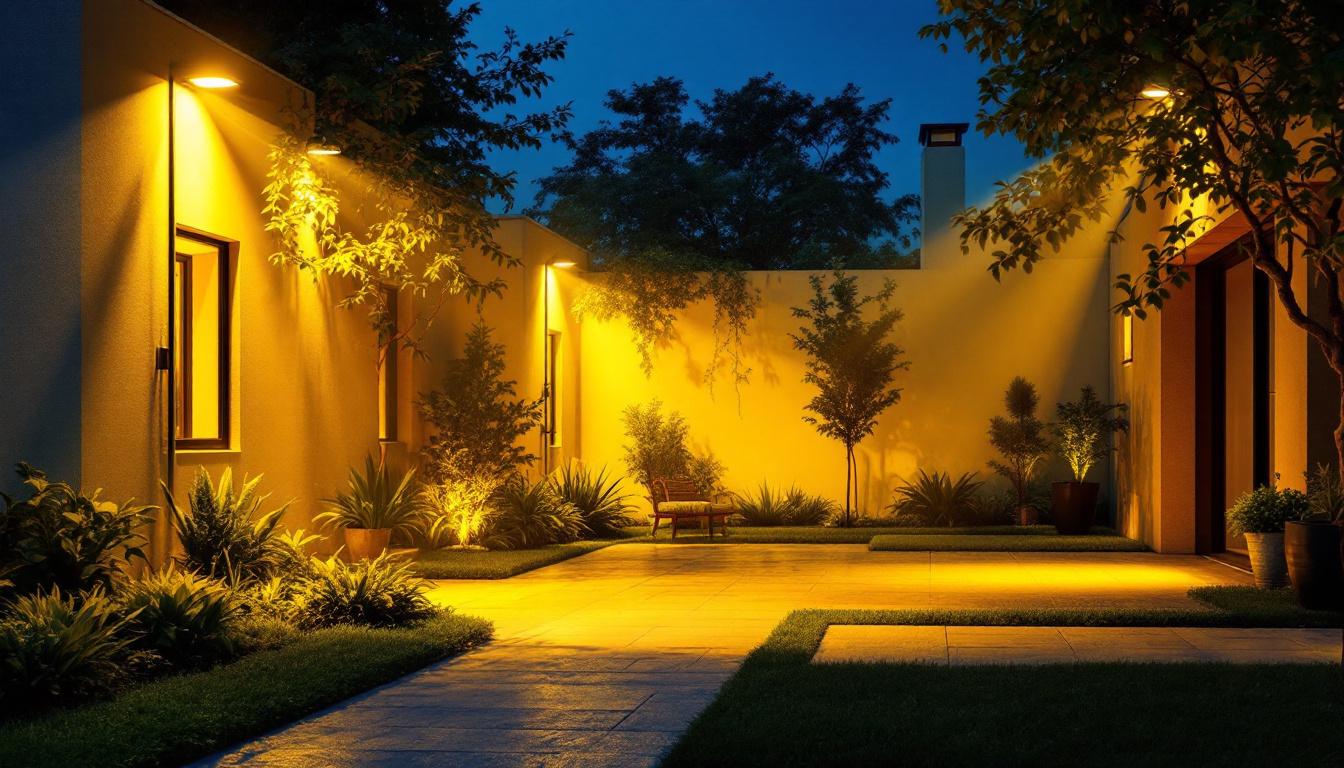
Furthermore, it’s essential to consider the aesthetic aspect of flood light bases. While functionality is paramount, the visual appeal should not be overlooked, especially in residential or commercial settings where the lighting fixtures are visible to the public. Bases that blend seamlessly with the surrounding architecture or landscape can enhance the overall look of a property. Some manufacturers even offer customizable options, allowing contractors to select colors or finishes that complement the project’s design theme.
Installation Techniques That Guarantee Stability and Safety
Proper installation of flood light bases is crucial to ensure the lighting system remains secure and functional over time. Even the best base can fail if installed incorrectly. A well-executed installation not only enhances the performance of the flood lights but also contributes to the overall safety of the area being illuminated. It is essential to consider environmental factors such as wind, rain, and snow load, which can impact the stability of the fixtures. Therefore, taking the time to understand the specific requirements of the installation site is vital for achieving optimal results.
Start by preparing the site thoroughly. For concrete installations, the surface must be clean, level, and free of debris. Anchors or bolts should be embedded correctly to provide a firm hold. When working with soil or gravel, compact the ground to reduce settling and use appropriate spikes or stakes designed for the soil type. Additionally, it’s beneficial to assess the drainage patterns of the area. Poor drainage can lead to water pooling, which may undermine the integrity of the installation over time. Implementing proper drainage solutions can further enhance the longevity and reliability of the flood light bases.
Electrical safety is paramount. Flood light bases often house wiring conduits or junction boxes. Ensuring these components are sealed and protected against moisture ingress prevents shorts and extends the lifespan of the lighting system. Utilizing weatherproof enclosures and ensuring that all connections are tightly secured will mitigate the risk of electrical failures. It’s also advisable to incorporate surge protection devices to safeguard against voltage spikes, which can occur due to lightning strikes or power surges, thereby protecting both the lighting system and the surrounding infrastructure.
Anchoring and Fastening
Anchoring methods vary based on the base and surface. Expansion bolts are common for concrete, while ground spikes or rebar stakes are used for soil. Fasteners should be corrosion-resistant, especially in outdoor environments. Stainless steel screws and bolts are preferred for their longevity. In addition to selecting the right materials, it’s important to consider the load that the flood lights will bear. Heavy-duty fixtures may require additional support or specialized anchoring systems to ensure they remain stable under various weather conditions.
Torque specifications must be followed carefully. Over-tightening can crack bases or damage fixtures, while under-tightening risks loosening over time. Using a torque wrench during installation ensures consistency and reliability. Furthermore, it is advisable to periodically check the tightness of the fasteners after installation, especially after severe weather events. This proactive maintenance can help identify potential issues before they escalate, ensuring that the flood lights continue to operate effectively and safely for years to come. Regular inspections can also provide peace of mind, knowing that the lighting system is secure and functioning as intended.
Maintenance and Troubleshooting for Flood Light Bases
Once installed, flood light bases require regular maintenance to maintain their integrity and performance. Neglecting this can lead to fixture misalignment, water damage, or even safety hazards.
Routine inspections should check for signs of corrosion, cracks, or loose fasteners. Cleaning bases to remove dirt, debris, and vegetation helps prevent moisture buildup and pest infestations. In areas with heavy rainfall or snow, drainage around the base should be monitored to avoid pooling water. Additionally, ensuring that the surrounding landscape is properly graded can help direct water away from the base, reducing the risk of erosion and subsequent instability.
Common Issues and Fixes
One frequent problem is base shifting due to soil erosion or freeze-thaw cycles. Contractors can mitigate this by installing bases deeper or using concrete footings where appropriate. If shifting occurs, resetting the base and re-anchoring the fixture is necessary to restore stability. Furthermore, using materials that are resistant to environmental changes can enhance durability, such as high-density polyethylene or galvanized steel, which can withstand harsh weather conditions.
Electrical issues often stem from moisture ingress. Sealing junction boxes and using weatherproof connectors can prevent these problems. If corrosion is detected on metal bases, applying rust inhibitors or replacing affected parts can extend the system’s life. It’s also wise to periodically check the wiring for fraying or wear, as this can lead to short circuits or power failures. In addition, installing surge protectors can safeguard the electrical components from voltage spikes, ensuring a longer lifespan for the entire lighting system.
Adapting to New Technologies and Standards
Lighting technology continues to evolve, and flood light bases must keep pace. LED floodlights, for example, are lighter and generate less heat than traditional halogen fixtures, which can influence base selection and installation methods. The shift to LED technology not only enhances energy efficiency but also extends the lifespan of the lighting fixtures, reducing the frequency of replacements and maintenance. This transition requires contractors to rethink their designs, ensuring that the bases can support the unique requirements of LED systems, such as heat dissipation and weight distribution.
Energy efficiency standards and local building codes increasingly impact lighting projects. Contractors must stay informed about these changes to ensure compliance and avoid costly rework. Many jurisdictions now require floodlights to have specific mounting heights, angles, or shielding to reduce light pollution and glare. These regulations are often driven by community concerns regarding the impact of excessive lighting on wildlife and human health. As such, understanding the local landscape and environmental considerations is crucial for successful project execution, making it imperative for contractors to engage with local authorities early in the planning process.
Smart Lighting Integration
Smart floodlights with sensors and wireless controls are becoming more common. Bases for these fixtures often need to accommodate additional wiring or mounting hardware. Planning for these requirements during the initial installation can save time and expense later. The integration of smart technology also opens up opportunities for enhanced functionality, such as automatic dimming based on ambient light levels or motion detection features that activate lights only when needed. This not only contributes to energy savings but also enhances security and safety in outdoor environments.
Integrating smart lighting also means considering access for maintenance and upgrades. Modular base designs that allow easy removal or replacement of components are valuable in these cases. Additionally, as smart lighting systems often require software updates and potential hardware changes to keep pace with technological advancements, designing bases that facilitate easy access can significantly reduce downtime and labor costs. Moreover, the ability to quickly adapt to new technologies ensures that installations remain relevant and efficient over time, aligning with the fast-paced evolution of smart city initiatives and sustainable practices in urban planning.
Cost-Effectiveness and Client Satisfaction
Choosing the right flood light base and installing it correctly is an investment that pays off in reduced maintenance costs and increased client satisfaction. A stable, well-installed base means fewer callbacks and a reputation for quality workmanship.
Contractors should communicate clearly with clients about the importance of proper base selection and installation. Educating clients on why certain bases may cost more upfront but save money over time builds trust and helps justify project budgets.
Balancing Quality and Budget
While it’s tempting to opt for the least expensive base, this often leads to problems down the road. Investing in quality materials and installation practices reduces the risk of failures and enhances the overall project value.
Offering clients options with clear explanations of pros and cons helps them make informed decisions. For example, a premium aluminum base may cost more but offers better corrosion resistance and longevity compared to a plastic alternative.
Summary
Flood light bases are more than just mounting points-they are critical components that affect the safety, performance, and longevity of outdoor lighting installations. Lighting contractors who understand how to select, install, and maintain these bases effectively will deliver superior results and build lasting client relationships.
From material choice to anchoring methods, maintenance routines to adapting new technologies, mastering flood light bases is essential for any contractor aiming to excel in outdoor lighting projects.
Illuminate Your Projects with LumenWholesale
Ready to elevate your lighting installations with the best in the business? Look no further than LumenWholesale for all your flood light base needs. Our commitment to quality and affordability ensures you’re equipped with spec-grade lighting products that won’t break the bank. Say goodbye to local distributor markups and hello to our unbeatable wholesale prices, complete with the convenience of free shipping on bulk orders. Don’t compromise on quality or value — Wholesale Lighting at the Best Value is just a click away. Partner with LumenWholesale today and light up your projects with confidence.