Understanding the Unique Challenges of Walk-In Freezer Lighting
Lighting a walk-in freezer isn’t just about installing any fixture and calling it a day. These environments present a set of challenges that require specialized knowledge. Temperatures often plunge well below freezing, moisture levels can be high, and the space itself is typically compact and utilitarian. Each of these factors influences the choice of lighting fixtures.
Standard lighting solutions tend to fail quickly in these conditions. Bulbs may burn out prematurely, fixtures can corrode, and condensation might cause electrical issues. For lighting contractors, recognizing these hurdles upfront is crucial to delivering a reliable, safe, and energy-efficient lighting system that stands the test of time.
Temperature Resistance and Durability
Walk-in freezers usually operate at temperatures ranging from -10°F to 0°F (-23°C to -18°C). At these extremes, many common lighting components become brittle or malfunction. Lighting fixtures designed for such environments use materials that resist cracking and degradation. Polycarbonate lenses, stainless steel housings, and sealed enclosures are common features.
Durability also means the fixture can withstand frequent door openings and potential impacts from carts or pallets. Selecting fixtures with robust construction reduces maintenance calls and replacement costs. Furthermore, energy-efficient LED options are increasingly popular in these settings, as they not only provide superior illumination but also generate less heat, which is a crucial factor in maintaining the desired internal temperature of the freezer.
Moisture and Condensation Considerations
Condensation forms when warm, humid air meets the cold surfaces inside the freezer. This moisture can accumulate on or inside fixtures, posing risks such as corrosion or electrical shorts. Lighting fixtures with high ingress protection (IP) ratings—typically IP65 or higher—are essential to prevent water ingress.
Sealed and gasketed designs keep moisture out, while corrosion-resistant materials ensure longevity. Lighting contractors must also consider proper installation techniques to minimize condensation buildup around wiring and connectors. Additionally, incorporating anti-fogging features in the design can help maintain visibility in areas where condensation is likely to occur, ensuring that staff can safely navigate the space without risking accidents or damage to products stored within the freezer.
Moreover, the strategic placement of lighting fixtures can significantly impact the effectiveness of the overall lighting scheme. Positioning lights at optimal angles not only enhances visibility but also reduces shadows that can obscure important items. This is particularly important in a walk-in freezer where inventory management is crucial. By ensuring that every corner is well-lit, businesses can improve efficiency and reduce the time spent searching for products, ultimately leading to better operational productivity.
Choosing the Right Light Fixtures for Walk-In Freezers
Not all light fixtures are created equal, especially when it comes to walk-in freezers. The goal is to find fixtures that combine energy efficiency, durability, and adequate illumination without compromising safety.
LED vs. Fluorescent: Making the Right Choice
LED lighting has become the go-to option for walk-in freezers. LEDs offer several advantages over fluorescent lights, including longer lifespan, lower energy consumption, and better performance in cold temperatures. Their instant-on capability is also a plus, as fluorescent bulbs can flicker or take time to reach full brightness in cold environments.
Fluorescent fixtures, while once common, tend to have shorter lifespans and are more prone to failure in freezing conditions. Additionally, fluorescent tubes contain mercury, which raises environmental and disposal concerns.
Fixture Types and Mounting Options
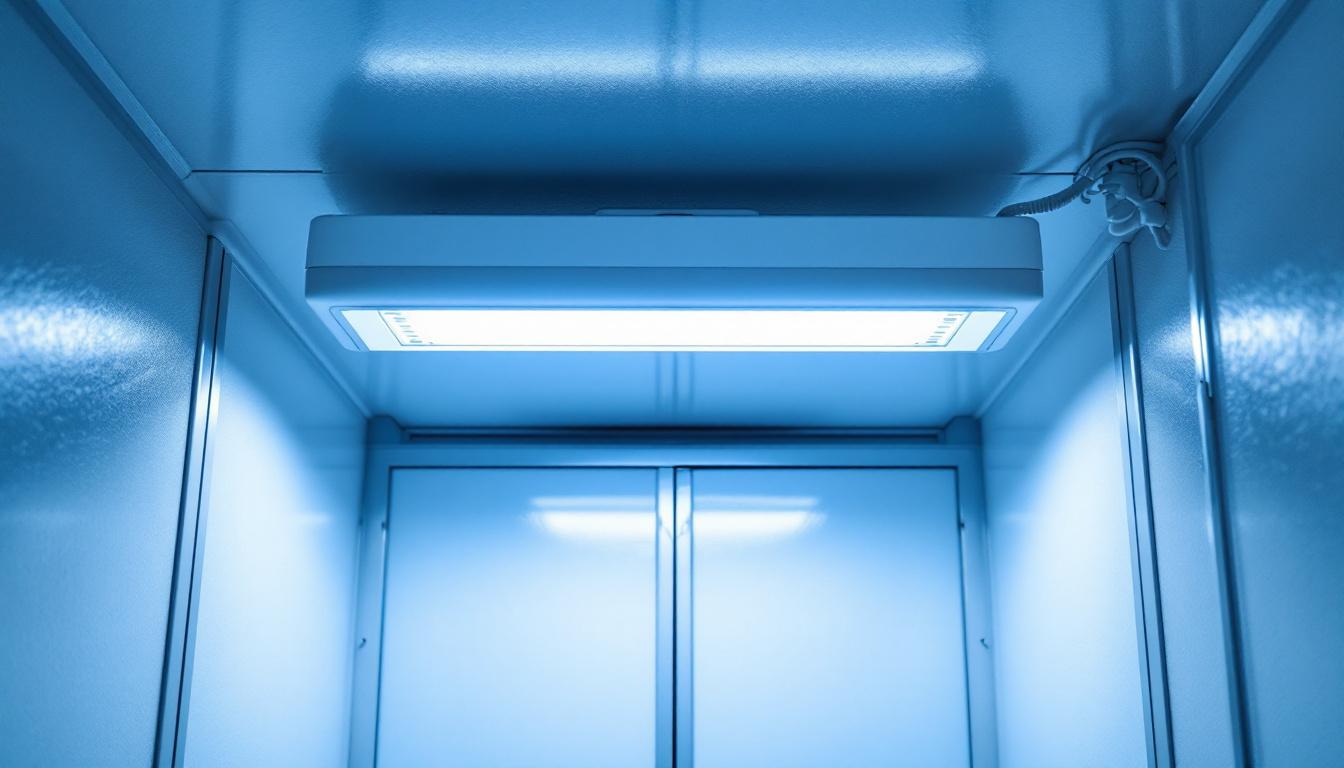
Surface-mounted LED vapor-tight fixtures are popular for walk-in freezers due to their sealed design and ease of installation. These fixtures typically feature shatter-resistant lenses and corrosion-resistant housings.
Recessed lighting is less common because of the difficulty in sealing and insulating the fixture properly against moisture and cold. However, in some custom installations, recessed LED modules with appropriate sealing can be used.
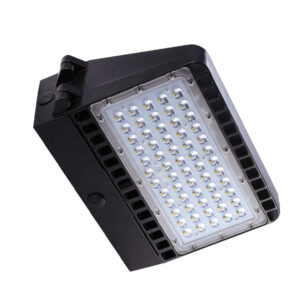
Wall-mounted fixtures near doorways or workstations can supplement overhead lighting, improving visibility and safety. Lighting contractors should evaluate the layout and workflow inside the freezer to determine the best fixture placement.
In addition to the type of lighting, it’s crucial to consider the color temperature of the bulbs. A cooler color temperature, typically around 5000K, mimics daylight and can enhance visibility, making it easier to identify products and ensure proper inventory management. This is particularly important in a fast-paced environment where efficiency is key. Furthermore, the use of motion sensors can help conserve energy by ensuring lights are only on when the space is in use, providing both cost savings and environmental benefits.
Another factor to consider is the ease of maintenance. Choosing fixtures that allow for easy access for bulb replacement and cleaning can save time and reduce downtime in operations. Regular maintenance checks can also help identify any issues before they become significant problems, ensuring that the freezer remains well-lit and operational. By investing in high-quality, reliable lighting solutions, businesses can create a safer and more efficient working environment in their walk-in freezers.
Installation Best Practices for Walk-In Freezer Lighting
Proper installation is as important as choosing the right fixtures. Mistakes during installation can lead to premature fixture failure, safety hazards, or energy inefficiency.
Wiring and Electrical Considerations
Cold environments affect wiring insulation and connections. Contractors should use wiring rated for low temperatures to prevent brittleness and cracking. All electrical components must comply with local codes and standards for wet or damp locations.
Ground fault circuit interrupters (GFCIs) are recommended to protect against electrical shock risks, especially in areas with moisture. Additionally, conduit and junction boxes should be sealed tightly to prevent cold air infiltration and condensation. It’s also advisable to consider the use of LED fixtures, which not only provide better energy efficiency but also have a longer lifespan, reducing the frequency of replacements and the associated labor costs.
Sealing and Insulation
Sealing around fixture mounts and wiring entry points is critical to maintaining the freezer’s temperature and preventing moisture ingress. Use appropriate gaskets, sealants, and weatherproof fittings designed for cold environments.
In some cases, contractors may need to coordinate with refrigeration specialists to ensure lighting installation does not interfere with insulation or vapor barriers. Proper sealing techniques can also help minimize the risk of ice buildup, which can create additional hazards and maintenance challenges. Utilizing thermal imaging during installation can help identify potential cold spots that may lead to inefficiencies or equipment failure down the line.
Accessibility and Maintenance Planning
Lighting fixtures in walk-in freezers require periodic maintenance, such as cleaning lenses and checking electrical connections. Contractors should install fixtures in accessible locations without compromising the freezer’s insulation or workflow.
Using modular or easily replaceable fixtures can reduce downtime and labor costs during maintenance. Documenting fixture specifications and installation details also helps facility managers plan future upkeep. Furthermore, establishing a regular maintenance schedule can enhance the longevity of the lighting system and ensure optimal performance. Training staff on the importance of maintaining lighting systems in cold environments can also foster a culture of safety and efficiency, ultimately benefiting the overall operation of the facility.
Energy Efficiency and Compliance
Energy consumption is a significant concern for walk-in freezer operations, where refrigeration already demands substantial power. Efficient lighting can reduce overall energy costs and improve sustainability. By implementing energy-efficient solutions, businesses not only save on operational costs but also contribute to a greener environment, aligning with global efforts to reduce carbon footprints. The transition to energy-efficient systems can also enhance the overall working conditions for employees, creating a more pleasant and productive environment.
Leveraging LED Efficiency
LED fixtures consume up to 75% less energy than traditional incandescent or fluorescent options. Their directional light output minimizes wasted illumination, focusing light where it’s needed most. This efficiency translates into lower utility bills and reduced cooling loads since LEDs emit less heat. Additionally, the longevity of LED lights—often lasting up to 25 times longer than their incandescent counterparts—means less frequent replacements, further decreasing maintenance costs and waste. The versatility of LED technology also allows for various color temperatures and dimming capabilities, enabling tailored lighting solutions that can enhance visibility and safety in walk-in freezer environments.
Meeting Industry Standards and Codes
Lighting contractors must ensure all installations comply with relevant safety and energy codes. This includes adherence to National Electrical Code (NEC) requirements for wet locations and OSHA regulations for workplace safety. Compliance not only safeguards employees but also protects businesses from potential fines and legal issues. Regular audits and updates to lighting systems can help maintain compliance as codes evolve, ensuring that facilities remain up-to-date with the latest safety and energy efficiency standards.
Energy codes may also mandate minimum lighting efficacy levels or require the use of occupancy sensors and dimmers to reduce energy usage during periods of inactivity. These features can significantly enhance energy savings, as they allow lighting to adapt to real-time occupancy levels, ensuring that lights are only on when necessary. Furthermore, integrating smart technology into lighting systems can provide valuable data analytics, helping facility managers make informed decisions about energy usage patterns and identify opportunities for further efficiency improvements. This proactive approach not only optimizes energy consumption but also supports a culture of sustainability within the organization.
Common Pitfalls to Avoid in Walk-In Freezer Lighting
Even experienced contractors can encounter issues if they overlook key aspects of walk-in freezer lighting.
Ignoring Temperature Ratings
Installing fixtures not rated for sub-zero temperatures leads to early failures and safety hazards. Always verify manufacturer specifications for temperature suitability before ordering or installing.
Underestimating Moisture Protection
Failing to use adequately sealed fixtures or neglecting proper sealing during installation invites moisture-related damage. This can cause corrosion, electrical shorts, and fixture discoloration.
Overlighting or Poor Placement
Excessive lighting wastes energy and can create glare, while insufficient lighting compromises safety and productivity. Conducting a lighting layout assessment helps balance illumination levels and fixture placement for optimal results.
Neglecting Maintenance Access
Installing fixtures in hard-to-reach spots complicates routine maintenance and increases labor costs. Plan installations with accessibility in mind to streamline future upkeep.
Final Thoughts: Delivering Reliable Lighting Solutions
Walk-in freezer lighting demands specialized expertise and attention to detail. By selecting the right fixtures, following best installation practices, and prioritizing energy efficiency, lighting contractors can provide durable, safe, and cost-effective solutions.
Understanding the environment’s unique challenges and anticipating potential pitfalls ensures that lighting systems perform reliably for years. This not only satisfies clients but also enhances the reputation of contractors as trusted professionals in the field.
Illuminate Your Freezer Projects with LumenWholesale
Ready to elevate your walk-in freezer lighting installations with fixtures that meet the unique demands of cold environments? Look no further than LumenWholesale. Our extensive selection of spec-grade lighting products is designed to withstand the rigors of sub-zero temperatures, offering durability, energy efficiency, and the high performance your projects deserve. With unbeatable wholesale prices and the convenience of free shipping on bulk orders, LumenWholesale is your go-to source for premium lighting solutions. Don’t let markups dim your business’s potential—choose Wholesale Lighting at the Best Value and brighten your projects today.