Understanding the Role of Pendant Lights in Dining Rooms
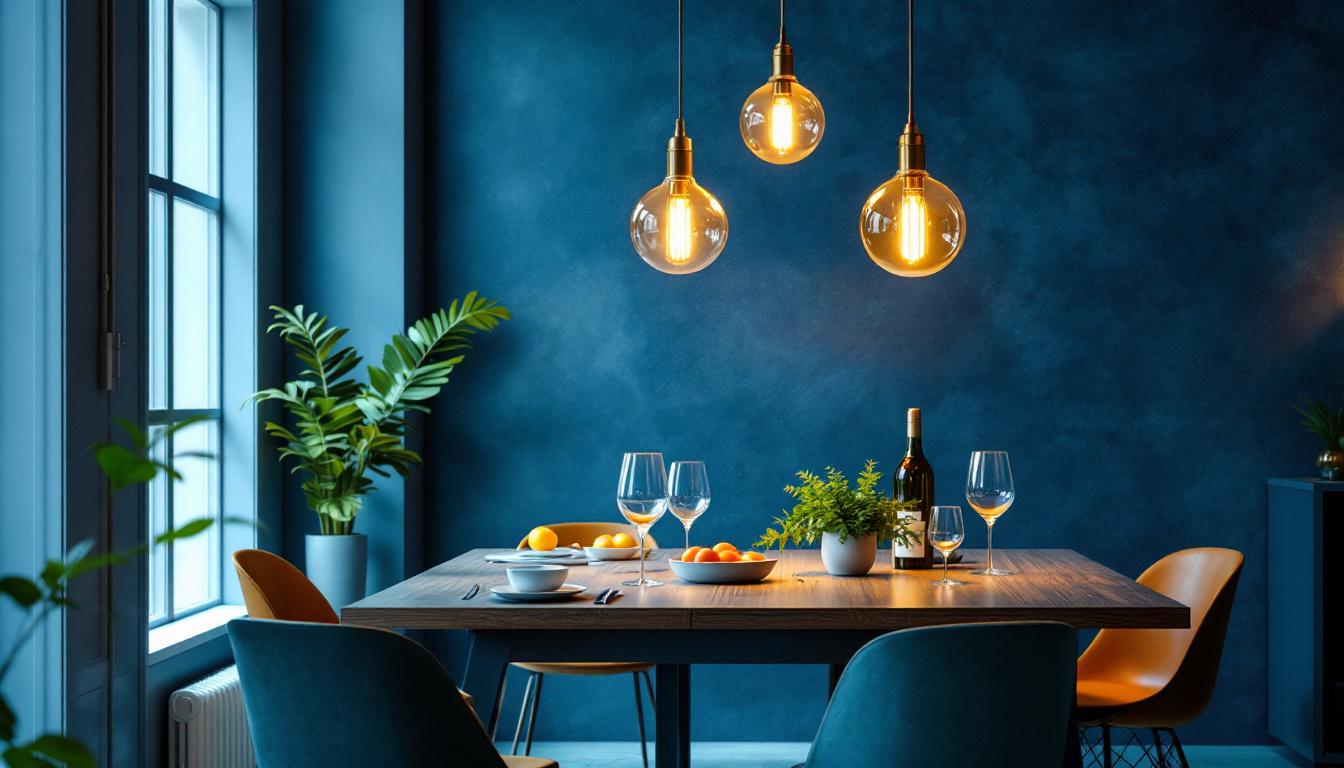
Pendant lights have become a staple in dining room design, offering both functional illumination and aesthetic appeal. For lighting contractors, mastering the installation and selection of pendant dining room lights is crucial—not just for client satisfaction but also for streamlining project workflows. The right pendant can transform a simple dining area into a focal point of the home, enhancing the overall atmosphere and making mealtime more enjoyable.
Dining rooms require lighting that balances ambiance with practicality. Pendant lights excel in this role by providing focused lighting over tables, enhancing the dining experience while complementing interior design. Their versatility in size, shape, and brightness makes them a preferred choice among homeowners and designers alike. Furthermore, the variety of materials used in pendant lights, from glass to metal to fabric, allows for endless customization, ensuring that each installation can be tailored to fit the unique character of the dining space.
Why Pendant Lights Matter to Contractors
Contractors benefit from understanding the nuances of pendant lighting because these fixtures often involve precise placement and wiring challenges. A well-executed pendant installation can reduce callbacks and increase client referrals. Efficiency in selecting the right fixture and executing the installation translates directly into time and cost savings. Additionally, staying updated on the latest trends in pendant lighting can provide contractors with a competitive edge, as homeowners increasingly seek out innovative designs that reflect their personal style and enhance their living spaces.
Key Features of Pendant Lights for Dining Rooms
When choosing pendant lights, factors such as light output, fixture size, and mounting height are critical. The light should be bright enough to illuminate the dining surface without causing glare or harsh shadows. Additionally, the fixture’s style should align with the room’s décor, whether modern, rustic, or traditional. Beyond these basics, the energy efficiency of the bulbs used in pendant lights is also an essential consideration, as homeowners become more conscious of their environmental impact and electricity costs. Selecting LED options can provide long-lasting illumination while reducing energy consumption, making them a smart choice for both contractors and clients.
Moreover, the height at which pendant lights are hung can significantly affect the dining experience. A general guideline is to position them 30 to 36 inches above the tabletop, ensuring that they provide adequate light without obstructing views across the table. This thoughtful placement not only enhances functionality but also adds to the visual appeal of the space, creating a warm and inviting atmosphere that encourages conversation and connection during meals. As such, contractors should take the time to assess each dining room’s layout and the needs of the homeowners to achieve the perfect balance of form and function in their lighting designs.
Optimizing Installation Processes for Pendant Dining Room Lights
Installation efficiency is vital for lighting contractors aiming to maximize productivity. Pendant lights, while straightforward in concept, can present challenges that slow down projects if not approached methodically.
Pre-Installation Planning
Before stepping on-site, contractors should confirm fixture specifications, ceiling types, and wiring requirements. This preparation can prevent surprises like incompatible ceiling mounts or insufficient electrical capacity. Using detailed checklists and digital tools to track fixture details and client preferences streamlines this phase. Additionally, having a clear understanding of the overall design aesthetic desired by the client can help in selecting the right style and finish of pendant lights, ensuring that the final installation not only functions well but also enhances the room’s ambiance.
Choosing the Right Mounting Hardware
Many pendant lights require specific mounting brackets or anchors, especially when installed on drywall or plaster ceilings. Selecting the appropriate hardware ensures a secure fit and reduces the likelihood of fixture sagging or failure. Contractors who maintain an inventory of versatile mounting options can adapt quickly to various job site conditions. Moreover, understanding the weight distribution of the pendant lights can guide the choice of mounting hardware, as heavier fixtures may necessitate additional support or reinforcement to ensure long-term stability.
Electrical Considerations and Safety
Proper wiring is non-negotiable. Pendant lights typically require a junction box rated for the fixture’s weight and electrical load. Contractors should verify that circuits can handle the additional load and adhere to local electrical codes. Using wire connectors designed for quick and secure connections can speed up the process while maintaining safety standards. Furthermore, it’s essential to educate clients about the importance of regular maintenance checks on their pendant lights, including ensuring that the wiring remains intact and that the fixtures are free from dust and debris, which can affect both performance and safety.
Enhancing Efficiency Through Technology and Tools
Leveraging modern tools and technologies can significantly improve the efficiency of pendant light installations. Lighting contractors who embrace these advancements often find they complete jobs faster and with fewer errors. The integration of technology not only streamlines the installation process but also enhances the overall quality of the work, leading to increased client satisfaction and potential referrals.
Utilizing Laser Levels and Measuring Devices
Accurate placement is essential for pendant lights to achieve the desired lighting effect and aesthetic balance. Laser levels help contractors position fixtures precisely at the correct height and alignment, reducing guesswork and rework. Additionally, digital measuring devices can provide instant feedback on distances and angles, allowing for quick adjustments on-site. The combination of these tools ensures that every installation meets the highest standards of precision, which is crucial in both residential and commercial settings.
Smart Lighting Controls and Integration
Many clients now expect smart home compatibility. Installing pendant lights that integrate with dimmers, motion sensors, or voice control systems adds complexity but also value. Contractors familiar with these technologies can offer enhanced solutions that differentiate their services. Moreover, the ability to customize lighting settings through mobile apps not only elevates the user experience but also promotes energy efficiency, as clients can easily adjust their lighting based on their needs and preferences. This adaptability is particularly appealing in modern homes, where ambiance and functionality are paramount.
Mobile Apps for Project Management
Apps designed for contractors can track project timelines, client approvals, and inventory. Keeping all pendant light specifications and installation notes in one place helps avoid miscommunication and delays. This organizational efficiency translates into smoother project execution. Furthermore, many of these apps offer features such as photo documentation and real-time updates, allowing contractors to keep clients informed throughout the installation process. This transparency not only builds trust but also fosters a collaborative environment, where clients feel more involved in the decision-making process regarding their lighting choices.
Design Trends and Client Expectations
Understanding current design trends and client preferences allows contractors to recommend pendant lighting solutions that resonate with homeowners and designers.
Popular Styles and Materials
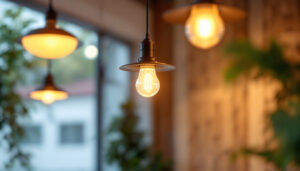
Industrial-style pendants with exposed bulbs and metal finishes remain popular, as do minimalist glass globes and natural materials like wood or rattan. Contractors who stay informed about these trends can guide clients toward fixtures that enhance the dining room’s overall look.
Energy Efficiency and Sustainability
LED pendant lights are increasingly favored for their longevity and energy savings. Clients often appreciate contractors who can explain the benefits of LED technology, including reduced electricity bills and lower maintenance. Offering energy-efficient options can also align with local regulations and green building standards.
Customization and Unique Installations
Some clients seek custom pendant arrangements-multiple fixtures in a row or clustered at varying heights. These installations require precise planning and execution. Contractors skilled in handling complex pendant layouts can command premium pricing and build strong reputations.
Common Challenges and How to Overcome Them
Pendant lighting installations are not without hurdles. Anticipating and addressing these challenges can save contractors time and frustration.
Dealing with Uneven Ceilings
Uneven or sloped ceilings complicate pendant placement. Adjustable canopy mounts and flexible suspension cables help accommodate these conditions. Contractors should assess ceiling angles during the planning phase to select appropriate hardware.
Managing Fixture Weight and Support
Heavy pendants require reinforced support to prevent ceiling damage or fixture failure. Installing additional bracing or using specialized mounting plates ensures safety. Contractors must verify that the electrical box and ceiling structure can support the fixture’s weight.
Ensuring Proper Light Distribution
Incorrect pendant height or spacing can lead to uneven lighting or glare. Following recommended mounting heights-typically 28 to 34 inches above the dining table-and spacing guidelines ensures optimal illumination. Contractors should communicate these standards to clients during consultations.
Maximizing Client Satisfaction and Business Growth
Efficient pendant light installations not only improve project profitability but also enhance client satisfaction, leading to repeat business and referrals.
Clear Communication and Expectation Setting
Discussing fixture options, installation timelines, and potential challenges upfront builds trust. Providing clients with visual aids or mock-ups helps them understand the final result, reducing change orders and dissatisfaction.
Offering Maintenance and Support Services
Post-installation support, such as bulb replacement or fixture adjustments, adds value to services. Contractors who offer maintenance packages differentiate themselves and create ongoing revenue streams.
Building Expertise and Reputation
Specializing in pendant dining room lighting installations positions contractors as experts in a niche market. Sharing knowledge through blogs, social media, or workshops can attract clients seeking skilled professionals.
Conclusion
Pendant dining room lights offer a unique blend of style and function, making them a vital component of modern lighting projects. For contractors, focusing on efficient installation practices, embracing technology, and understanding client needs can lead to smoother projects and stronger business growth. Mastery of pendant lighting not only enhances the dining experience for homeowners but also elevates the contractor’s professional standing in a competitive market.
Illuminate Your Projects with LumenWholesale
Ready to enhance your lighting installations with the efficiency and style that clients love? Look no further than LumenWholesale for your pendant dining room light needs. Our selection of spec-grade lighting products combines quality and affordability, ensuring you deliver exceptional value on every project. Say goodbye to middleman markups and hello to hassle-free bulk buying with free shipping. Elevate your business with the perfect blend of performance and price. Discover the best in wholesale lighting by visiting Wholesale Lighting at the Best Value today.