Why Stair Lighting Deserves More Attention
Staircases are more than just functional elements in a building; they are architectural features that influence safety, aesthetics, and the overall ambiance of indoor spaces. Yet, when it comes to lighting, stairs often receive a quick fix rather than a thoughtful design. Many lighting contractors focus on broad room illumination or accent lighting, unintentionally sidelining the unique challenges and opportunities presented by indoor LED stair lights.
Properly installed stair lighting not only enhances visibility but also adds a layer of sophistication and safety that can transform the user experience. Overlooking critical aspects of stair lighting can lead to uneven illumination, glare, or even safety hazards that could have been easily prevented with the right approach.
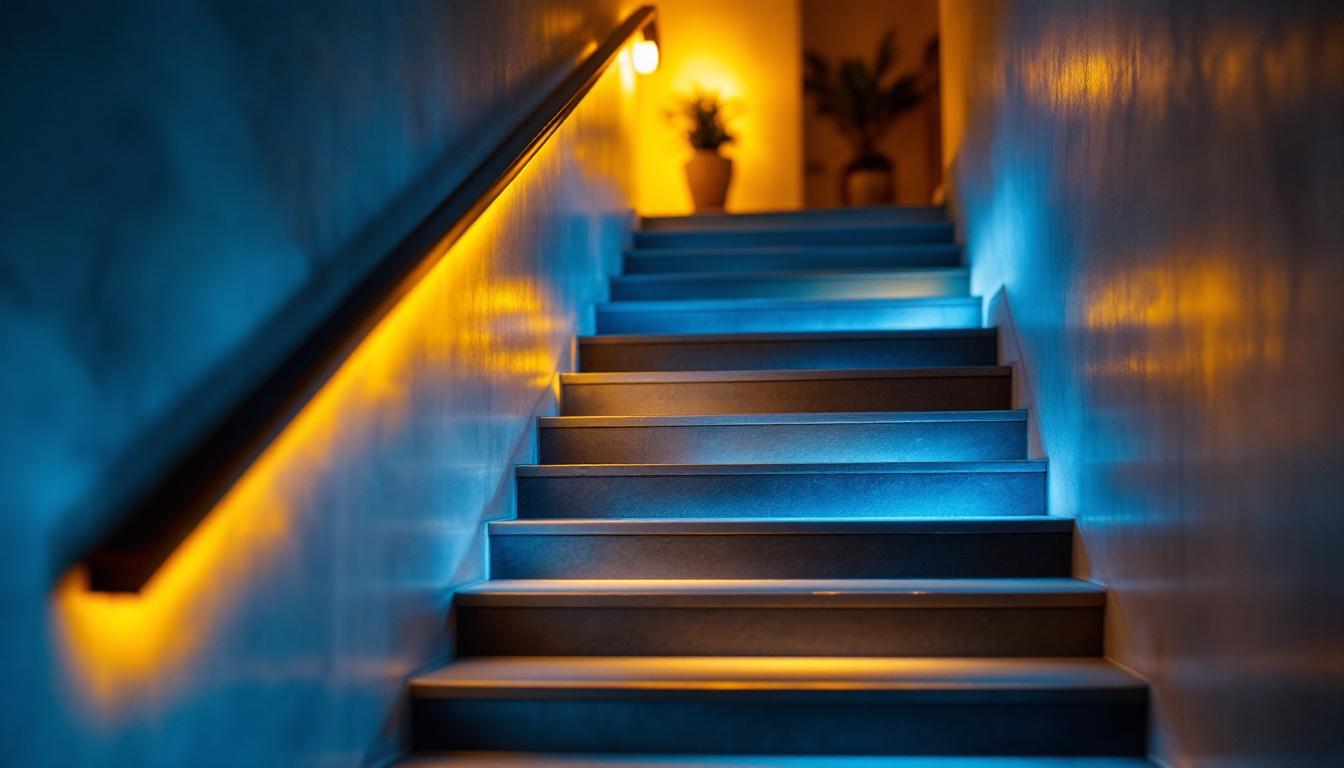
Incorporating stair lighting can also serve to highlight the architectural beauty of the staircase itself. For instance, using LED strip lights along the edges of each step can create a stunning visual effect, making the staircase a focal point in the home. Furthermore, the choice of color temperature can significantly impact the mood of the space; warmer tones can evoke a cozy atmosphere, while cooler tones might lend a more modern and sleek feel. This attention to detail not only enhances the aesthetic appeal but also encourages a sense of safety, guiding users confidently up and down the stairs.
Moreover, the integration of smart lighting technology can elevate stair lighting to a new level of convenience and efficiency. Motion sensors can be installed to automatically illuminate the stairs when someone approaches, ensuring that the pathway is always visible without the need for manual switches. This not only conserves energy but also adds an element of modernity to the home. Additionally, customizable settings can allow homeowners to adjust the brightness and color of the lights according to their preferences, making stair lighting not just a functional necessity but a personalized feature that enhances the overall living experience.
Understanding the Unique Challenges of Stair Lighting
Balancing Safety and Style
Stairs are inherently risky areas. Trips and falls on staircases account for a significant portion of household injuries. Lighting contractors must prioritize even, glare-free illumination that highlights each step clearly without creating distracting shadows. This balance between safety and aesthetics is delicate. Overly bright lights can cause glare, while dim or uneven lighting can obscure step edges.
LED technology offers excellent control over brightness and color temperature, but its potential is often underutilized. Choosing the wrong LED fixtures or placement can compromise both safety and design goals. Moreover, the color temperature of the lighting can significantly influence the ambiance of the space; warmer tones tend to create a cozy atmosphere, while cooler tones can make the area feel more modern and open. This choice can also impact how well the stairs are perceived in terms of safety, as certain color temperatures can enhance visibility and depth perception, making it easier for users to navigate the staircase.
Addressing Installation Constraints
Indoor staircases come in a variety of shapes, sizes, and materials. Lighting contractors frequently encounter challenges such as limited space for fixtures, lack of nearby power sources, or architectural elements that restrict wiring options. These constraints require creative solutions, such as low-profile LED strips, recessed lights, or wireless options that maintain clean lines without sacrificing functionality.
Ignoring these factors can result in complicated installations, increased costs, or lighting that looks out of place. A thorough site assessment and early collaboration with architects or builders can prevent these issues. Additionally, the choice of materials for the stairs themselves can influence lighting decisions; for instance, a wooden staircase may reflect light differently than a metal one, necessitating adjustments in fixture placement or intensity. Furthermore, integrating smart lighting systems can provide flexibility, allowing homeowners to adjust brightness levels according to time of day or activity, enhancing both safety and usability while adding a modern touch to the overall design.
Common Oversights in Indoor LED Stair Lighting
Neglecting Step Edge Definition
One of the most overlooked aspects is the definition of the step edge. Properly illuminated edges help users discern each step clearly, which is crucial in low-light conditions. Many contractors install lights that provide general illumination but fail to highlight the tread and riser junctions effectively.
Using LED strips or small recessed lights along the nosing of each step can dramatically improve visibility. Additionally, selecting LEDs with appropriate beam angles ensures light is directed precisely where needed, avoiding spillover and wasted energy. The strategic placement of these lights not only enhances safety but also adds an aesthetic element to the staircase, creating a visually appealing outline that can complement the overall design of the space. Furthermore, incorporating motion sensors that activate the lights as someone approaches can provide an added layer of convenience and safety, ensuring that users are always aware of their surroundings.
Overlooking Color Temperature and Consistency
Color temperature significantly affects the ambiance and perceived safety of stair lighting. Warm white LEDs (around 2700K to 3000K) create a cozy atmosphere but may not provide the crispness needed for clear step visibility. Cooler temperatures (3500K to 4000K) often strike a better balance between comfort and clarity.
Consistency is equally important. Mixing different LED color temperatures or brands can lead to uneven lighting, which distracts users and undermines the design. Lighting contractors should specify and source LEDs carefully to maintain uniformity throughout the staircase. Additionally, considering the surrounding decor and wall colors can help in selecting the right temperature; for instance, a modern, minimalist staircase may benefit from cooler tones, while a traditional wooden staircase might look more inviting with warmer hues. This thoughtful approach not only enhances safety but also creates a cohesive design that harmonizes with the rest of the interior.
Ignoring Dimming and Control Options
Stair lighting does not need to be at full brightness all the time. Incorporating dimming capabilities or smart controls allows users to adjust lighting based on time of day or activity. This flexibility enhances energy efficiency and user comfort.
Surprisingly, many installations lack these features, resulting in unnecessarily bright or inconvenient lighting. Integrating dimmers, motion sensors, or programmable controls can elevate the functionality and appeal of stair lighting systems. For example, a gentle glow during nighttime hours can create a serene atmosphere while still ensuring safety, whereas brighter settings can be utilized during the day or when the stairs are in heavy use. Furthermore, advanced smart home systems can allow users to control their stair lighting remotely, adding an extra layer of convenience and modernity to the home. This adaptability not only improves the user experience but also contributes to energy savings, making it a win-win for both homeowners and the environment.
Design Strategies for Effective Indoor LED Stair Lighting
Layered Lighting Approach
Effective stair lighting often involves layering different types of light sources. Ambient lighting provides general illumination, while accent lighting highlights architectural details. Task lighting focuses on the steps themselves.
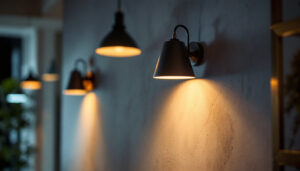
Combining recessed LED step lights with overhead fixtures or wall sconces creates depth and reduces shadows. This layered approach ensures safety without sacrificing style.
Choosing the Right Fixtures
Fixture selection is critical. Recessed LED lights installed on the risers or under the tread nosings offer subtle yet effective illumination. Alternatively, LED strip lights concealed beneath handrails or along the side walls provide continuous, even light.
Each fixture type has pros and cons related to installation complexity, maintenance, and light distribution. Contractors should evaluate the specific project requirements, including stair material and user preferences, before making decisions.
Incorporating Energy Efficiency
LEDs are inherently energy-efficient, but design choices can optimize this further. Selecting high-quality LEDs with good lumen output per watt and using controls to reduce operating hours minimizes energy consumption.
Additionally, integrating daylight sensors or occupancy detectors can ensure lights operate only when needed, aligning with sustainable building practices and client expectations.
Installation Best Practices and Maintenance Considerations
Planning for Wiring and Power Access
Early coordination with electrical contractors and architects is essential to ensure wiring pathways are feasible and comply with building codes. Concealed wiring maintains aesthetics and prevents damage.
Lighting contractors should also account for future maintenance access. Fixtures that are difficult to reach or replace can increase costs and downtime.
Testing and Adjusting Light Levels
Once installed, on-site testing is crucial. Contractors should evaluate lighting under various conditions, adjusting brightness and angles to eliminate shadows and glare. This step often reveals issues not apparent during design or installation.
Engaging clients in this process ensures the lighting meets their functional and aesthetic needs.
Routine Maintenance and Longevity
LED fixtures generally have long lifespans, but dust accumulation, accidental damage, or electrical issues can degrade performance. Establishing a maintenance schedule and educating clients on care prolongs the system’s effectiveness.
Easy-to-clean fixtures and accessible installation points simplify upkeep.
Final Thoughts: Elevating Stair Lighting Beyond the Basics
Indoor LED stair lighting is more than a technical requirement; it’s an opportunity to enhance safety, comfort, and design impact. Lighting contractors who pay close attention to step edge illumination, color consistency, fixture choice, and control integration deliver superior results that stand out.
Moving beyond the basics requires a blend of technical knowledge, creative problem-solving, and client collaboration. When done right, stair lighting becomes a seamless part of the environment-subtle, effective, and elegant.
Contractors who embrace these overlooked elements position themselves as experts in a niche that significantly influences building safety and aesthetics.
Illuminate Your Projects with LumenWholesale
Ready to take your stair lighting projects to the next level? At LumenWholesale, we provide lighting contractors with the finest selection of spec-grade LED lighting solutions at unbeatable wholesale prices. Say goodbye to local distributor markups and hello to a vast array of high-quality, reliable lighting options that meet the highest industry standards. With free shipping on bulk orders, you can ensure your stair lighting is not only effective and elegant but also cost-efficient. Elevate your indoor LED stair lighting with the perfect blend of quality, affordability, and convenience at LumenWholesale – Wholesale Lighting at the Best Value.