Why Under Counter Lighting Matters More Than Ever
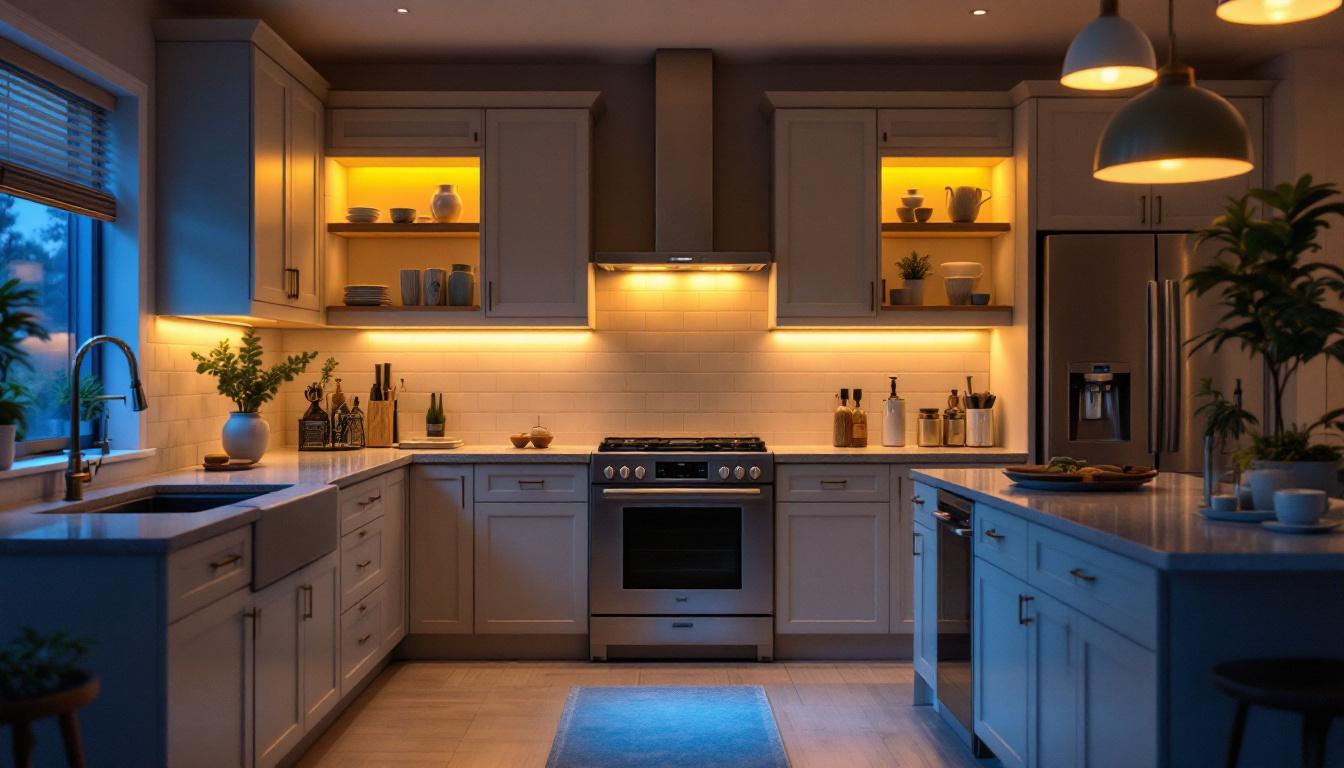
Under counter lighting isn’t just a functional addition to kitchens, workspaces, or retail displays. It’s a transformative element that can redefine a space’s ambiance, enhance safety, and boost energy efficiency. For lighting contractors, mastering the nuances of under counter lighting can unlock new business opportunities and set them apart from competitors.
Consider this: a well-lit countertop can reduce eye strain, highlight design features, and even increase property value. Homeowners and commercial clients alike are increasingly aware of these benefits, driving demand for sophisticated, customizable lighting solutions.
Moreover, under counter lighting plays a crucial role in creating a layered lighting scheme that adds depth and character to any environment. By strategically placing LED strips or puck lights beneath cabinets, you can create a warm, inviting glow that enhances the overall aesthetic of the space. This type of lighting is particularly effective in kitchens, where it can illuminate work areas and make cooking more enjoyable. Additionally, the use of dimmable options allows users to adjust the brightness according to the time of day or mood, further enhancing the versatility of the lighting design.
In retail settings, under counter lighting can be a game changer for product displays. By drawing attention to specific items, it can entice customers and encourage impulse purchases. The right lighting can make products appear more appealing, highlighting colors and textures that might otherwise go unnoticed. As consumers become more discerning, the ability to create an engaging shopping experience through thoughtful lighting design becomes essential for retailers looking to stand out in a crowded market.
Types of Under Counter Lighting: Pros and Cons
LED Strip Lights
LED strip lights are the go-to choice for many contractors due to their flexibility and energy efficiency. They can be cut to size, come with adhesive backing, and offer a range of color temperatures. Their low heat output and long lifespan make them ideal for tight spaces under cabinets.
However, installation requires careful planning to ensure even light distribution and conceal wiring. Poorly installed strips can result in patchy lighting or visible cables, which detracts from the overall aesthetic. Additionally, the variety of color temperatures available allows homeowners to customize the ambiance of their kitchens, whether they prefer a warm, inviting glow for evening gatherings or a cooler, brighter light for cooking and food preparation. Furthermore, many LED strips now come with smart technology options, enabling users to control brightness and color through mobile apps or voice commands, enhancing convenience and modernity in home lighting solutions.
Puck Lights
Puck lights provide focused, circular pools of light and are often used to highlight specific areas or objects. They come in various sizes and can be surface-mounted or recessed. Their versatility makes them popular for both residential and commercial applications.
On the downside, puck lights may create uneven lighting if spaced improperly. They also tend to be more labor-intensive to install compared to strip lights, which can affect project timelines. When strategically placed, however, puck lights can create dramatic effects, drawing attention to artwork, decorative items, or even food displays during entertaining. Some models also offer dimming capabilities, allowing for adjustable brightness levels that can enhance the mood of any gathering. Moreover, with advancements in LED technology, puck lights are now available in energy-efficient versions, making them a more sustainable choice without sacrificing performance.
Linear Fluorescent Lights
While less common today, linear fluorescent lights still have a place in under counter installations, especially in commercial settings where brightness and cost-effectiveness are priorities. They provide broad, consistent illumination and are available in different lengths.
Fluorescent options are bulkier and generate more heat than LEDs, and their color rendering isn’t as natural. Additionally, they consume more energy, which can be a drawback for eco-conscious clients. However, their ability to illuminate large areas uniformly makes them suitable for environments like kitchens in restaurants or workshops where visibility is crucial. Many businesses appreciate the lower upfront costs associated with fluorescent lighting, which can be a significant factor in budget-conscious projects. Furthermore, with the introduction of newer fluorescent technologies, such as high-efficiency T5 and T8 bulbs, these lights can offer improved energy savings and longer lifespans, making them a viable option for those looking to balance cost with performance.
Key Factors Lighting Contractors Should Consider
Color Temperature and CRI
Choosing the right color temperature is crucial. Warm white (2700K-3000K) creates a cozy atmosphere, ideal for residential kitchens, while cool white (3500K-4100K) offers a cleaner, more modern look favored in commercial or task-oriented spaces. High Color Rendering Index (CRI) values—above 80—ensure colors appear natural and vibrant under the lighting. Additionally, understanding the psychological effects of color temperature can further enhance design choices; for instance, cooler temperatures can promote alertness and focus, making them suitable for work environments, while warmer hues can foster relaxation and comfort in living spaces.
Power Source and Control Options
Under counter lighting can be powered via hardwired connections, plug-in transformers, or battery packs. Each option has installation implications and affects the final look. Integrating dimmers, motion sensors, or smart controls adds convenience and energy savings, which clients increasingly expect. Moreover, the rise of smart home technology allows for innovative control options, such as voice-activated lighting, which can be particularly appealing for tech-savvy homeowners. This not only enhances user experience but also opens up possibilities for creating customizable lighting scenes that can adapt to various activities, from cooking to entertaining.
Installation Challenges and Solutions
Space constraints under cabinets can complicate installation. Contractors must account for depth, mounting surfaces, and proximity to water sources. Using low-profile fixtures and waterproof options can mitigate these challenges. Planning wiring routes to avoid visible cables is essential for a polished finish. Furthermore, it’s important to consider the accessibility of fixtures for future maintenance or bulb replacement. Incorporating removable panels or using fixtures designed for easy access can save time and effort down the line. Additionally, understanding local building codes and regulations related to electrical installations can help prevent costly rework and ensure safety compliance.
How Under Counter Lighting Enhances Contractor Value
Offering expert advice and installation of under counter lighting positions contractors as trusted consultants rather than mere installers. Clients appreciate professionals who can recommend the best products tailored to their specific needs and budget.
Moreover, under counter lighting projects often lead to repeat business. Clients who see the impact of quality lighting are more likely to request additional upgrades or refer the contractor to others. This creates a sustainable revenue stream beyond initial installations.
In addition to enhancing aesthetic appeal, under counter lighting significantly improves functionality in kitchens and workspaces. By illuminating countertops and work areas, it reduces shadows and enhances visibility, making tasks such as food preparation, reading recipes, or crafting much easier and safer. This practical benefit can be a key selling point for contractors, as clients are often looking for solutions that not only beautify their space but also enhance everyday usability. Furthermore, with the rise of energy-efficient LED options, contractors can also promote the long-term cost savings associated with reduced energy consumption, appealing to eco-conscious clients.
Another advantage of under counter lighting is its versatility in design. From sleek, modern strip lights to more traditional puck lights, there are numerous styles and finishes available that can complement any kitchen or workspace aesthetic. This variety allows contractors to tailor their offerings to meet the unique preferences of each client, showcasing their ability to personalize projects. Additionally, incorporating smart lighting technology can further elevate the value proposition, as clients increasingly seek out automation and control over their home environments. By staying informed about the latest trends and technologies, contractors can position themselves as leaders in the field, attracting a wider client base eager for innovative solutions.
Trends Shaping Under Counter Lighting Choices
Smart Lighting Integration
Smart home technology continues to influence lighting preferences. Under counter lighting that syncs with voice assistants or smartphone apps offers clients unprecedented control. This trend is particularly strong in upscale residential and commercial markets.
Energy Efficiency and Sustainability
Energy codes and environmental awareness push contractors to recommend LED solutions with low wattage and long lifespans. Offering products with certifications such as ENERGY STAR or DLC can reassure clients about their investment’s sustainability.
Customization and Design Flexibility
Clients want lighting that complements their décor and lifestyle. Options like tunable white LEDs, color-changing strips, and modular fixtures allow contractors to deliver personalized solutions. This flexibility can be a decisive factor in winning bids and standing out in competitive markets.
Practical Tips for Successful Under Counter Lighting Projects
Conduct Thorough Site Assessments
Before recommending products, evaluate the space carefully. Measure dimensions, check for existing wiring, and identify potential obstacles. Understanding client usage patterns helps tailor lighting levels and control options.
Communicate Clearly with Clients
Discuss expectations upfront. Show samples or mock-ups to help clients visualize the outcome. Transparent communication about costs, timelines, and maintenance ensures smoother project execution and higher satisfaction.
Stay Updated on Product Innovations
The lighting industry evolves rapidly. Contractors who keep abreast of new technologies, installation techniques, and regulatory changes can offer cutting-edge solutions that competitors might overlook.
Conclusion: Under Counter Lighting as a Strategic Advantage
Mastering under counter lighting solutions equips contractors with a powerful tool to enhance their service portfolio. It’s not just about illuminating spaces-it’s about creating experiences, improving functionality, and delivering lasting value.
By understanding the diverse options, focusing on client needs, and embracing innovation, lighting contractors can secure a competitive edge that drives growth and builds lasting client relationships.
Illuminate Your Projects with LumenWholesale
Ready to give your clients the transformative power of under counter lighting? At LumenWholesale, we provide lighting contractors with the highest quality, spec-grade lighting products at unmatched wholesale prices. Say goodbye to local distributor markups and hello to a vast selection of reliable, high-performance lighting that meets the most stringent industry standards. With the added benefits of free shipping and bulk purchasing made simple, you can ensure every project shines without breaking the bank. Elevate your service portfolio and gain that competitive edge — Wholesale Lighting at the Best Value is just a click away.