Understanding Candelabra Bulbs: The Basics
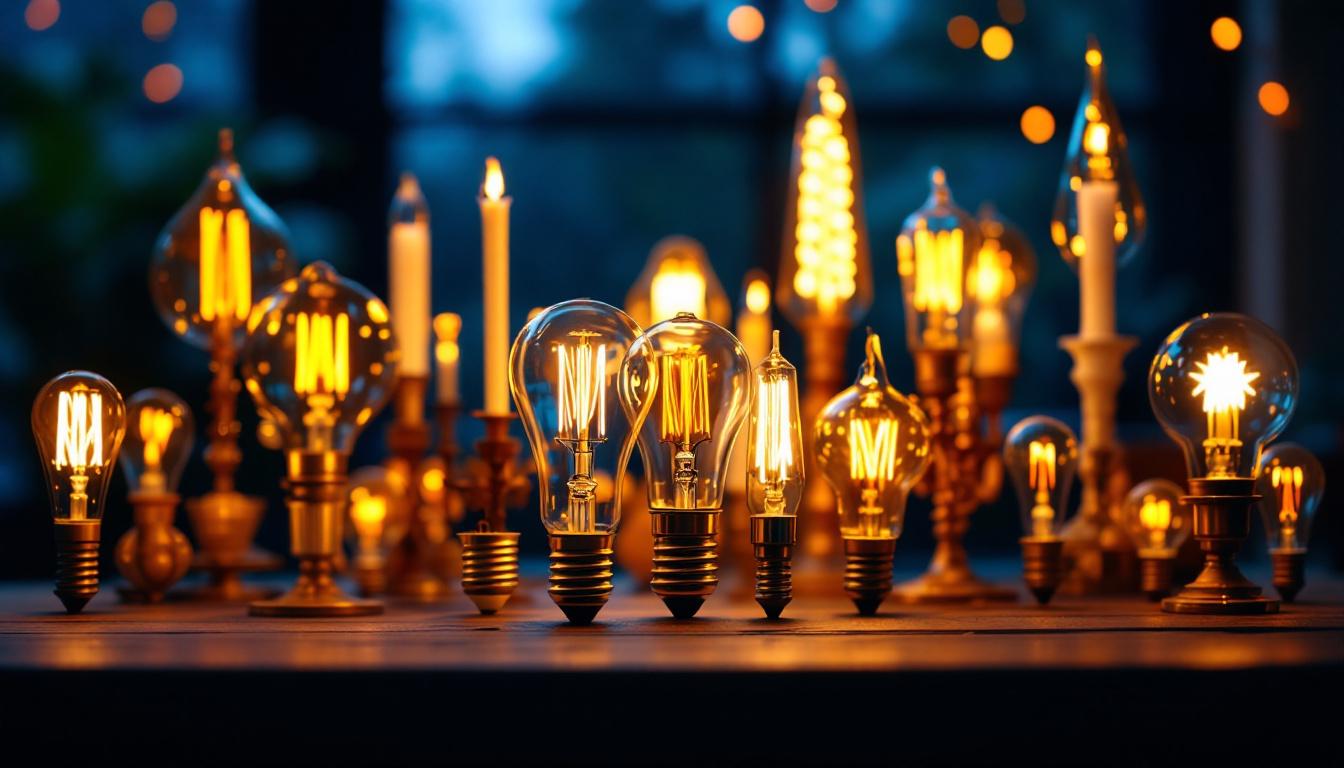
Candelabra bulbs are a staple in decorative and functional lighting, especially in spaces where aesthetics matter as much as illumination. Recognizable by their smaller, slender bases-often labeled as E12 or E14 depending on the region-these bulbs resemble the classic candle flame, lending a touch of elegance to chandeliers, sconces, and other fixtures.
For lighting contractors, knowing the different types of candelabra bulbs is essential. It’s not just about fitting the bulb into the socket; it’s about selecting the right bulb to achieve the desired ambiance, energy efficiency, and longevity. The choices range from incandescent and halogen to CFL and LED, each with distinct characteristics that impact performance and client satisfaction.
Why Size and Base Matter
The candelabra base differs from the standard medium base (E26/E27) primarily in diameter, which is smaller. This size difference means that bulbs designed for candelabra sockets won’t fit in standard fixtures, and vice versa. For contractors, this is a critical detail to verify before installation or recommendation. Using the wrong base can lead to poor contact, flickering, or even damage to the fixture.
Additionally, the smaller size often means these bulbs are used in fixtures where space is limited or where the bulb itself is a design feature. This makes the choice of bulb type and shape even more important to complement the fixture’s style and function. For instance, some candelabra bulbs come in decorative shapes, such as flame or teardrop, which can enhance the visual appeal of a chandelier. Furthermore, the color temperature of the bulb plays a significant role in setting the mood; warm white bulbs create a cozy atmosphere, while cooler tones can provide a more modern, crisp look. Understanding these nuances allows contractors to tailor their lighting solutions to the specific needs of each space, ensuring both functionality and style are achieved.
Moreover, energy efficiency is a growing concern in today’s environmentally conscious market. LED candelabra bulbs, for example, not only consume significantly less energy compared to their incandescent counterparts but also boast a longer lifespan, making them a cost-effective choice in the long run. As clients become more aware of their energy consumption, recommending LED options can enhance client satisfaction and promote sustainable practices. Additionally, many LED candelabra bulbs now come with dimmable features, providing even greater versatility in lighting design, allowing homeowners to adjust brightness levels according to their preferences or activities.
Types of Candelabra Bulbs and Their Applications
Each bulb type brings unique advantages and drawbacks. Understanding these helps in tailoring lighting solutions that meet client needs while optimizing energy use and maintenance.
Incandescent Candelabra Bulbs
Incandescent bulbs have been the traditional choice for candelabra lighting for decades. They produce a warm, inviting glow that is hard to replicate with other technologies. Their color rendering index (CRI) is typically excellent, meaning colors appear natural and vibrant under their light.
However, incandescent bulbs are not energy efficient. They convert a large portion of electricity into heat rather than light, which results in higher energy bills and shorter bulb life-usually around 1,000 hours. For clients prioritizing ambiance and cost-effectiveness in the short term, these bulbs remain popular, especially in settings like dining rooms or period-style homes. The soft, warm light emitted by incandescent bulbs creates a cozy atmosphere that is particularly appealing for intimate gatherings and family dinners, making them a staple in residential lighting design.
Halogen Candelabra Bulbs
Halogen bulbs are a type of incandescent bulb but with improved efficiency and brightness. They operate at higher temperatures and contain halogen gas that helps prolong bulb life and maintain brightness over time.
These bulbs offer a crisp, bright light with excellent color rendering, making them suitable for task lighting or highlighting architectural details. Their lifespan typically ranges from 2,000 to 4,000 hours, which is better than traditional incandescent but still less than newer technologies. Halogen bulbs are often favored in retail environments and galleries where showcasing products or artwork in the best light is crucial. Their ability to produce a focused beam of light allows for strategic lighting designs that can draw attention to specific areas or features, enhancing the overall aesthetic of a space.
Compact Fluorescent (CFL) Candelabra Bulbs
CFL bulbs marked a significant leap in energy efficiency compared to incandescent options. They use a different technology that excites gas inside the bulb to produce ultraviolet light, which then causes a phosphor coating to glow. This process consumes less energy and produces less heat.
While CFLs last longer-often up to 10,000 hours-they have some drawbacks. They take time to reach full brightness, may flicker initially, and contain small amounts of mercury, which requires careful disposal. Their color rendering is generally good but can vary depending on the phosphor blend. Despite these limitations, CFLs have found their place in various applications, particularly in spaces where lights are left on for extended periods, such as hallways and offices. Their energy-saving capabilities can lead to significant cost reductions over time, making them an attractive option for environmentally conscious clients.
LED Candelabra Bulbs
LED technology has revolutionized candelabra lighting. These bulbs are highly energy-efficient, consuming up to 80% less energy than incandescent bulbs. They also boast an impressive lifespan, often exceeding 25,000 hours, which drastically reduces maintenance and replacement costs.
LED candelabra bulbs come in a variety of color temperatures, from warm white to cool daylight, allowing contractors to customize lighting atmospheres precisely. Their instant-on capability and durability make them ideal for both residential and commercial applications. Additionally, LEDs generate very little heat, which can protect sensitive fixtures and reduce cooling loads. The versatility of LED bulbs also extends to their design; many are now available in decorative forms that mimic traditional candelabra styles, allowing for seamless integration into existing fixtures. This adaptability makes LEDs a preferred choice for modern lighting solutions, catering to a wide range of aesthetics while providing long-term energy savings and sustainability benefits.
Choosing the Right Candelabra Bulb for Your Project
Lighting contractors face multiple considerations when selecting candelabra bulbs. The right choice balances aesthetics, function, energy consumption, and client expectations.
Assessing Fixture Compatibility
Before selecting a bulb, verify the fixture’s specifications. Some fixtures are designed to accommodate only certain bulb types or wattages. For example, older chandeliers might not be rated for the heat output of halogen bulbs, while some modern fixtures might not support the physical size of CFLs.
Additionally, dimming compatibility is a crucial factor. Not all bulbs dim smoothly or at all. LEDs and CFLs often require compatible dimmer switches to avoid flickering or buzzing, whereas incandescent and halogen bulbs generally work with standard dimmers.
Matching Light Quality to Environment
Light quality includes brightness (measured in lumens), color temperature (measured in Kelvin), and CRI. For living spaces, warm white (2700K to 3000K) is preferred to create a cozy atmosphere. For task-oriented areas, cooler temperatures (3500K to 4100K) improve visibility and focus.
High CRI bulbs (above 80) are important in areas where color accuracy matters, such as art galleries or retail displays. LEDs now offer high CRI options that rival incandescent bulbs, making them suitable for these applications.
Energy Efficiency and Cost Considerations
While incandescent bulbs may have a lower upfront cost, their higher energy consumption and shorter lifespan make them more expensive over time. LEDs, despite a higher initial price, provide significant savings through reduced electricity use and fewer replacements.
Contractors should present clients with lifecycle cost analyses to demonstrate long-term value. This approach not only helps clients make informed decisions but also positions the contractor as a knowledgeable and trustworthy advisor.
Installation Tips and Best Practices
Proper installation ensures optimal performance and longevity of candelabra bulbs.
Handling and Safety
Halogen bulbs, in particular, require careful handling. Oils from skin can cause hot spots on the glass, leading to premature failure. Using gloves or a clean cloth during installation is recommended.
Ensure bulbs are securely screwed in but avoid overtightening, which can damage the socket or bulb base. Check that the fixture is rated for the bulb’s wattage to prevent overheating and potential fire hazards.
Optimizing Light Distribution
The shape of the candelabra bulb affects how light is dispersed. Flame-tip and torpedo shapes provide decorative appeal and directional light, while globe-shaped bulbs offer more diffuse illumination. Choosing the right shape can enhance the fixture’s design and the room’s overall lighting effect.
In multi-bulb fixtures, consider uniformity of bulb type and color temperature to avoid uneven lighting or color mismatches.
Emerging Trends in Candelabra Lighting
The lighting industry continues to innovate, and candelabra bulbs are no exception.
Smart and Connected Lighting
Smart candelabra bulbs with integrated wireless controls allow users to adjust brightness, color temperature, and even color remotely. These features add convenience and energy savings, particularly in commercial or hospitality settings where lighting scenes can be programmed for different moods or times of day.
For contractors, offering smart lighting solutions can differentiate services and meet growing client demand for technology integration.
Improved LED Technologies
Advancements in LED chip design and phosphor coatings continue to improve light quality and efficiency. Newer LEDs offer better dimming performance, higher CRI, and increasingly compact sizes that fit traditional candelabra fixtures without sacrificing output.
These improvements make LEDs the go-to choice for most new installations, combining style, performance, and sustainability.
Conclusion: Leveraging Candelabra Bulbs for Optimal Lighting
Choosing the right candelabra bulb is more than a technical decision; it’s about enhancing the client’s environment and experience. By understanding the nuances of bulb types, their applications, and installation best practices, lighting contractors can deliver solutions that balance beauty, efficiency, and longevity.
Staying informed about emerging technologies and trends ensures that contractors can offer cutting-edge options that meet evolving client needs. Whether restoring a historic chandelier or outfitting a modern boutique, the right candelabra bulb can transform a space.
Illuminate Your Projects with LumenWholesale
Ready to elevate your lighting solutions with the finest candelabra bulbs on the market? Look no further than LumenWholesale, where we provide lighting contractors with the highest quality, spec-grade lighting products at unbeatable wholesale prices. Say goodbye to local distributor markups and hello to superior lighting that meets the highest industry standards. With our hassle-free bulk buying and free shipping, you can ensure your projects shine with premium lighting at the best value — all without hidden fees or compromises. Enhance your client’s environment and experience today by visiting Wholesale Lighting at the Best Value and discover the LumenWholesale difference.