Understanding the Importance of 4 Speed Ceiling Fans in Lighting Projects
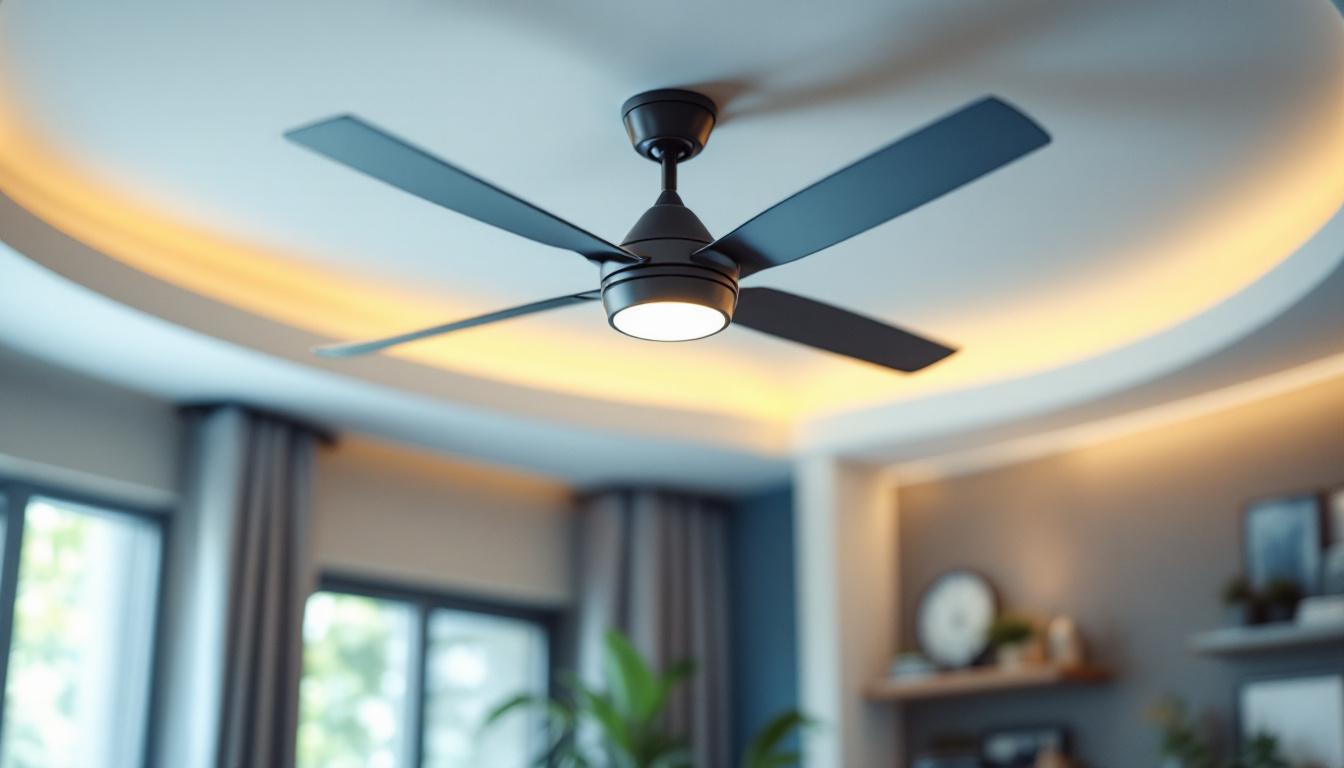
Lighting contractors often encounter ceiling fans as part of their installation projects. While fans primarily serve to circulate air, their integration with lighting systems can significantly impact the ambiance and functionality of a space. A 4 speed ceiling fan offers more flexibility than traditional 3 speed models, allowing users to fine-tune airflow to their comfort and energy needs. This adaptability is particularly beneficial in spaces that serve multiple purposes, such as living rooms that transition from cozy family gatherings to lively parties, where airflow requirements can change dramatically.
For lighting professionals, understanding the technical and practical aspects of these fans is crucial. It’s not just about fitting a fan; it’s about ensuring the fan complements the lighting design, electrical setup, and user experience. Proper selection and installation can enhance client satisfaction and reduce callbacks. Furthermore, the aesthetic appeal of a ceiling fan can also play a significant role in the overall design scheme. Many modern 4 speed ceiling fans come with sleek designs and finishes that can either blend seamlessly into the decor or serve as a striking focal point, adding character to the room.
Moreover, energy efficiency is another critical factor to consider. With the ability to adjust the speed settings, users can optimize the fan’s performance to match their comfort level while minimizing energy consumption. This is particularly relevant in today’s eco-conscious market, where clients are increasingly seeking sustainable solutions. By educating clients about the benefits of 4 speed ceiling fans, including their potential to reduce energy bills and improve indoor air quality, lighting contractors can position themselves as knowledgeable professionals who prioritize both aesthetics and functionality in their projects.
Additionally, the integration of smart technology into ceiling fans has revolutionized their use in modern lighting projects. Many 4 speed ceiling fans now come equipped with remote controls or smart home compatibility, enabling users to adjust settings effortlessly from their smartphones or voice-activated devices. This level of convenience not only enhances user experience but also aligns with the growing trend of home automation. As lighting contractors, staying abreast of these technological advancements can provide a competitive edge and allow for more innovative, client-focused solutions in every project.
Key Features to Evaluate Before Installation
Speed Settings and Control Options
Four distinct speed settings provide a wider range of airflow control. This is especially valuable in spaces where precise climate control is needed, such as restaurants, offices, or residential areas with varying occupancy. Lighting contractors should verify whether the fan supports remote control, wall control, or integration with smart home systems. Compatibility with existing control systems can be a decisive factor for clients seeking seamless operation.
Some models offer reversible motors, allowing airflow direction to be changed seasonally. This feature can enhance heating efficiency in winter by pushing warm air down and cooling in summer by circulating air more effectively. Furthermore, advanced models may include smart technology that adjusts fan speed based on room temperature or occupancy, optimizing energy use and comfort without requiring manual adjustments. This kind of automation is particularly appealing to tech-savvy clients who value convenience and efficiency.
Lighting Integration and Compatibility
Ceiling fans with built-in lighting fixtures are common, but the quality and type of lighting vary widely. LED modules are preferred for their energy efficiency and longevity. Lighting professionals must assess the fan’s lumens output, color temperature options, and dimming capabilities to ensure the lighting meets the design specifications. It’s also worth noting that some fans come with color-changing LED lights, allowing users to customize the ambiance according to mood or occasion, which can be a significant selling point for residential installations.
Additionally, the fan’s lighting fixture should be easy to access for bulb replacement or maintenance. Some fans come with integrated LED panels that last for years, reducing maintenance but requiring upfront consideration of light quality. Moreover, the aesthetic design of the lighting can complement the overall decor of the space, so evaluating the style and finish of the light fixtures is crucial for achieving a cohesive look. This attention to detail can elevate the perceived value of the installation and enhance client satisfaction.
Electrical Requirements and Safety Standards
Understanding the electrical load and wiring requirements is essential. A 4 speed fan with lighting may require separate wiring for the fan motor and the light fixture, especially when controlled independently. Confirming voltage compatibility and ensuring adherence to local electrical codes will prevent installation issues and safety hazards. It’s also advisable to consider the fan’s energy consumption, as more energy-efficient models can lead to significant savings on electricity bills over time, making them a more attractive option for environmentally conscious clients.
Look for fans certified by recognized safety organizations such as UL or ETL, which guarantees compliance with safety and performance standards. This certification is a must-have for professional installations and client assurance. Additionally, inquire about the warranty offered by the manufacturer, as a robust warranty can provide peace of mind and protect the investment. Clients often appreciate knowing that they are covered in case of defects or performance issues, further solidifying their trust in the installation process and the products used.
Installation Considerations for Lighting Contractors
Mounting and Structural Support
Ceiling fans can be heavy, especially those with integrated lighting and multiple speed settings. Proper mounting hardware and support structures are critical. Contractors should verify that the ceiling box is rated for fan installation and can support the weight and movement of the unit.
Downrod length and ceiling height also influence installation choices. For high ceilings, longer downrods ensure optimal airflow and lighting coverage, while flush mounts suit low ceilings but may limit airflow efficiency. Additionally, the aesthetic of the fan should complement the room’s design; a well-chosen fan can serve as a focal point in a space. Contractors should consider the finish and style of the fan, as well as the surrounding decor, to ensure a cohesive look. Furthermore, the positioning of the fan should be evaluated to avoid any obstructions, such as beams or light fixtures, which could hinder performance or create safety hazards.
Wiring and Control Integration
Wiring a 4-speed ceiling fan with lighting involves careful planning. Separate switches or controls for the fan and light are often preferred to allow independent operation. When integrating with smart home systems or multi-location controls, understanding the wiring complexity upfront saves time and prevents costly revisions. It is also important to consider the type of wiring used; for instance, using higher gauge wire can enhance performance and reduce the risk of overheating, especially in installations where multiple fans or lights are connected.
Contractors should also test all control functions before finalizing the installation. This includes speed settings, light dimming, and any remote or app-based controls. Proper documentation and client instruction on operating the fan and light controls reduce confusion and enhance user satisfaction. Additionally, providing clients with information on maintenance and troubleshooting can foster long-term relationships and encourage referrals. Clients often appreciate tips on cleaning the fan blades and adjusting settings for seasonal changes, ensuring that their investment continues to perform optimally throughout the year.
Maintenance and Troubleshooting Tips
Regular Inspection and Cleaning
Fans with multiple speed settings and integrated lighting require routine maintenance to maintain performance. Dust accumulation on blades and light fixtures can reduce airflow and light output. Lighting contractors can advise clients on cleaning schedules and methods to keep the fan operating efficiently.
Checking for loose screws, wobbling, or unusual noises is important. These issues can indicate imbalance or motor wear, which may require professional servicing.
Common Issues and Solutions
Speed control problems often stem from faulty remote controls, wall dimmers incompatible with the fan motor, or wiring errors. Lighting professionals should be familiar with troubleshooting steps such as resetting controls, verifying wiring connections, and replacing batteries in remotes.
Lighting flicker or failure might be due to incompatible bulbs, poor wiring, or fixture defects. Using manufacturer-approved bulbs and components reduces these risks.
Choosing the Right 4 Speed Ceiling Fan for Your Projects
Assessing Client Needs and Space Requirements
Every project is unique. Understanding the client’s preferences, space dimensions, and usage patterns guides the selection of the appropriate fan model. For example, a commercial space may prioritize durability and easy maintenance, while a residential project might focus on aesthetics and quiet operation.
Consider the fan’s blade span and design to ensure it fits the room size and style. Oversized fans in small rooms can be overpowering, while undersized fans may fail to provide adequate airflow.
Energy Efficiency and Sustainability
Energy-efficient fans with DC motors and LED lighting can reduce operating costs and environmental impact. Lighting contractors should highlight these benefits to clients, especially those with sustainability goals or energy-saving mandates.
Look for Energy Star ratings or similar certifications that verify efficiency claims. These features can also be selling points that differentiate your service offerings.
Conclusion: Enhancing Lighting Projects with 4 Speed Ceiling Fans
Integrating a 4 speed ceiling fan into lighting projects requires attention to detail, technical knowledge, and a clear understanding of client needs. From speed control options to lighting quality, electrical compatibility, and installation best practices, every aspect influences the final outcome.
Lighting professionals who master these elements not only improve the functionality and comfort of the spaces they work on but also build trust and credibility with clients. A well-chosen and expertly installed 4 speed ceiling fan can elevate a lighting project from good to exceptional.
Get Your Premium 4 Speed Ceiling Fans at LumenWholesale
Ready to enhance your lighting projects with the versatility and efficiency of 4 speed ceiling fans? Look no further than LumenWholesale for an unbeatable selection of spec-grade lighting products. Our commitment to quality and affordability means you can provide your clients with the best value without compromising on performance. Take advantage of our wholesale prices, free shipping on bulk orders, and a product range that meets the highest industry standards. Elevate your next project with the perfect blend of functionality and style. Visit LumenWholesale today and discover Wholesale Lighting at the Best Value.