Understanding the Role of Chandeliers in Modern Lighting
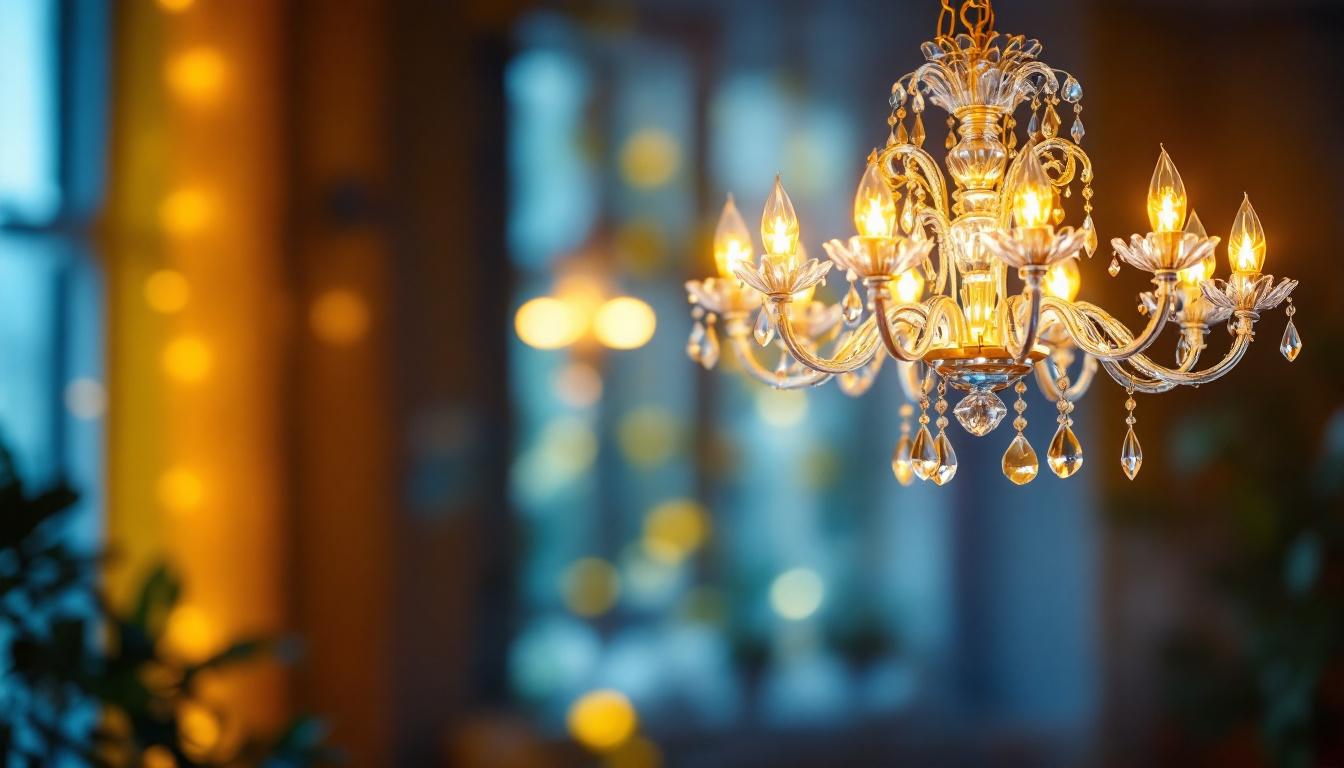
Chandeliers have long been a symbol of elegance and style, but their function goes beyond mere decoration. For lighting contractors, understanding how chandeliers contribute to overall lighting efficiency is crucial. These fixtures often serve as focal points in a room, providing both ambient and accent lighting. However, without proper optimization, chandeliers can become energy hogs rather than efficient light sources.
Efficiency in lighting isn’t just about reducing energy consumption; it’s about maximizing the quality and distribution of light. A well-optimized chandelier can illuminate a space evenly, reduce glare, and complement other light sources. This balance improves the user experience and meets modern energy standards, which is increasingly important in both residential and commercial projects.
Moreover, the design and material of a chandelier play a significant role in its lighting effectiveness. For instance, crystal chandeliers can refract light beautifully, creating a dazzling effect that enhances the ambiance of a room. On the other hand, modern designs often incorporate LED technology, which not only offers a longer lifespan but also allows for adjustable brightness and color temperatures. This versatility enables homeowners and designers to tailor the lighting to suit various occasions, from intimate gatherings to lively celebrations.
Additionally, the placement of a chandelier is paramount in achieving optimal lighting. A chandelier hung too low may obstruct views and create shadows, while one positioned too high may fail to provide adequate illumination. Strategic placement, combined with dimmer switches, can transform the atmosphere of a space, allowing for a seamless transition from bright, functional lighting during the day to soft, romantic lighting in the evening. As trends evolve, the integration of smart technology into chandelier designs is also becoming more prevalent, offering users the ability to control their lighting remotely and customize their environment with ease.
Choosing the Right Bulbs for Maximum Efficiency
LEDs: The Go-To Option
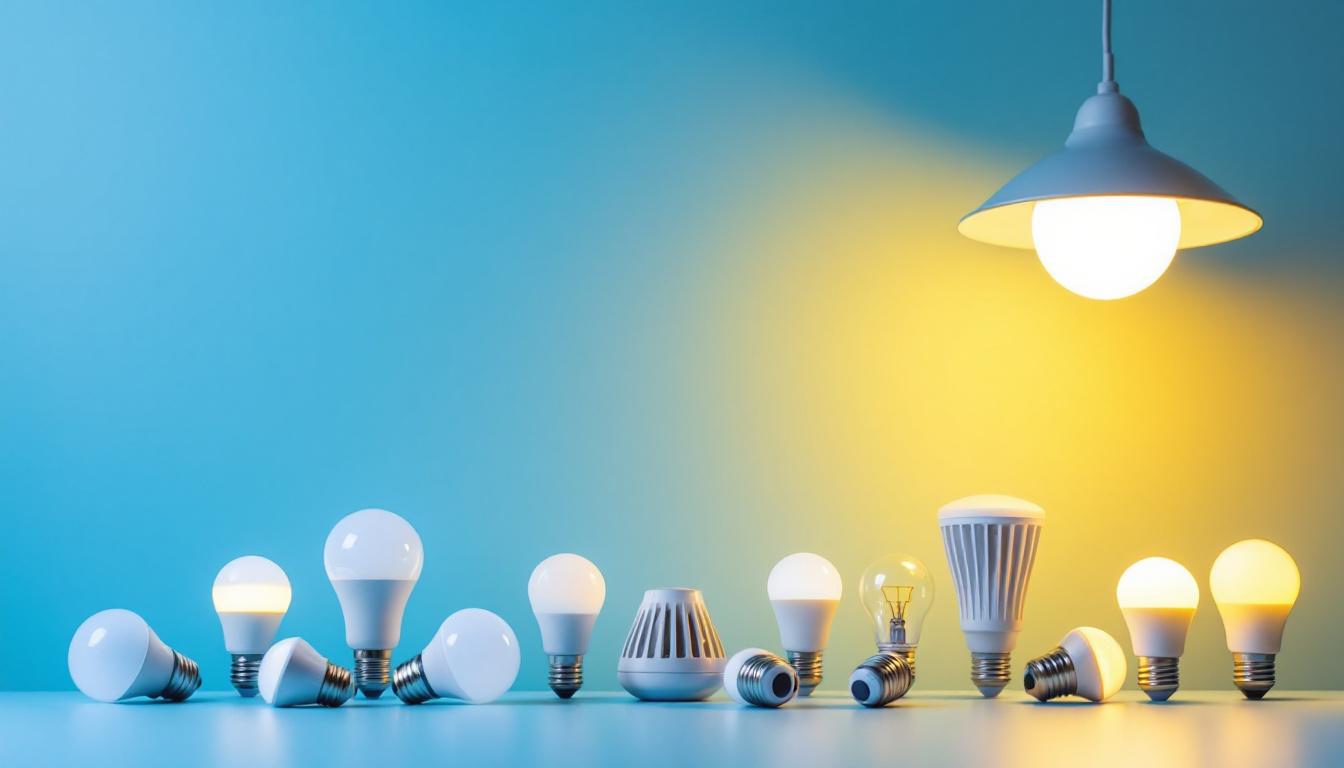
LED bulbs have revolutionized lighting efficiency. They consume significantly less energy compared to incandescent or halogen bulbs and have a much longer lifespan. For chandeliers, LEDs offer additional benefits such as lower heat output and compatibility with dimming systems. This allows contractors to tailor the lighting ambiance without sacrificing efficiency.
When selecting LEDs for chandeliers, pay attention to the color temperature and lumen output. A warmer temperature (2700K to 3000K) often suits residential settings, creating a cozy atmosphere, while cooler temperatures (3500K to 4000K) might be preferred in commercial spaces for a brighter, more alert environment. Additionally, the choice of color rendering index (CRI) is crucial; a higher CRI (above 90) ensures that colors appear more vibrant and true to life, enhancing the overall aesthetic of the space.
Smart Bulbs and Controls
Integrating smart bulbs can further optimize chandelier efficiency. These bulbs can be programmed to adjust brightness based on time of day or occupancy, reducing unnecessary energy use. Lighting contractors should consider compatibility with existing smart home or building management systems to maximize benefits. Furthermore, many smart bulbs offer features such as remote control via smartphone apps, allowing users to change settings from anywhere, which adds a layer of convenience and flexibility to lighting design.
Moreover, the integration of smart lighting systems can lead to significant energy savings over time. For instance, utilizing motion sensors in conjunction with smart bulbs can ensure that lights are only on when needed, effectively minimizing waste. Additionally, some advanced systems allow for the creation of lighting schedules that can adapt to seasonal changes, ensuring that the lighting remains efficient and effective throughout the year. This level of control not only enhances the user experience but also contributes to a more sustainable approach to energy consumption in both residential and commercial environments.
Design and Placement Strategies for Efficiency
Fixture Size and Room Dimensions
Choosing the right size chandelier for the space is fundamental. An oversized chandelier in a small room can cause excessive brightness and glare, while an undersized fixture may fail to provide adequate light. Contractors should measure room dimensions carefully and calculate the appropriate chandelier size to ensure balanced illumination.
As a rule of thumb, the diameter of the chandelier in inches should roughly equal the sum of the room’s length and width in feet. This guideline helps maintain proportionality and ensures the fixture complements the space without overwhelming it. Additionally, considering the visual weight of the chandelier is crucial; a light fixture with intricate designs or bold colors can appear larger than its actual size, influencing the overall perception of the room’s dimensions.
Optimal Hanging Height
Height placement affects both aesthetics and lighting efficiency. In dining rooms, chandeliers are typically hung 30 to 36 inches above the table surface to provide focused light without obstructing views. For rooms with higher ceilings, increasing the hanging height proportionally prevents the light from becoming too concentrated or too diffuse. It’s also important to consider the chandelier’s design; a multi-tiered chandelier may require a slightly higher placement to maintain an elegant appearance while ensuring that the light is evenly distributed throughout the space.
Furthermore, in entryways or hallways, the hanging height should be adjusted to allow for safe passage, typically around 7 feet from the floor. This not only enhances safety but also creates a welcoming ambiance as guests enter the home. When planning the height, take into account the scale of the room and the furniture arrangement to ensure that the chandelier harmonizes with its surroundings.
Layered Lighting Approach
Chandeliers rarely function as the sole light source. Combining them with recessed lighting, wall sconces, or floor lamps creates layers of light that enhance efficiency. This approach allows for selective lighting, reducing the need to power the chandelier at full brightness constantly. By strategically placing additional light sources, homeowners can create a versatile atmosphere that can be adjusted for various occasions, from intimate dinners to lively gatherings.
Incorporating dimmers into the lighting design can further enhance this layered approach. Dimmers allow for greater control over the intensity of the chandelier and other light sources, enabling a seamless transition from bright, functional lighting to soft, ambient illumination. This flexibility not only contributes to energy efficiency but also elevates the overall aesthetic of the space, allowing for a personalized lighting experience that caters to the mood and needs of the moment.
Material and Reflectivity Considerations
Choosing Reflective Surfaces
The materials used in chandelier design influence light distribution. Crystals and glass elements can refract and reflect light, amplifying brightness without increasing energy use. For contractors, selecting fixtures with high-quality reflective components can enhance the chandelier’s efficiency by spreading light more effectively throughout the room. In addition to traditional crystal and glass, modern materials such as acrylic and polished metals are also gaining popularity. These materials can offer a contemporary aesthetic while providing excellent light-reflecting properties. The choice of material not only affects the chandelier’s visual appeal but also its ability to create a warm, inviting atmosphere, making it a crucial consideration for any lighting project.
Maintenance and Cleaning
Dust and grime build-up on chandeliers reduce their reflective properties and overall light output. Regular cleaning is essential to maintain efficiency. Lighting contractors should advise clients on appropriate cleaning schedules and methods to preserve the fixture’s performance over time. For instance, using a soft, lint-free cloth and a gentle cleaning solution can help avoid scratches while effectively removing dust. Additionally, contractors might suggest periodic professional cleanings for larger or more intricate chandeliers, as they often require specialized tools and techniques to reach every nook and cranny. This attention to maintenance not only prolongs the life of the chandelier but also ensures that it continues to serve as a stunning focal point in the room, enhancing the overall design and ambiance of the space.
Energy Codes and Compliance
Adhering to local energy codes is a critical aspect of optimizing chandelier efficiency. Many jurisdictions have strict regulations regarding lighting power density and energy consumption. Contractors must stay informed about these requirements to ensure installations meet or exceed standards.
Using energy-efficient bulbs, incorporating dimmers, and selecting fixtures with high efficacy ratings can help meet code requirements. Additionally, documenting compliance during installation protects contractors and clients from potential penalties or future retrofitting costs.
Case Studies: Efficiency in Action
Residential Upgrade
A lighting contractor replaced traditional incandescent bulbs in a large dining room chandelier with dimmable LED bulbs. By integrating a smart control system, the client could adjust lighting levels based on activities, reducing energy consumption by over 60% without compromising ambiance.
Commercial Installation
In a boutique hotel lobby, a layered lighting design incorporated a grand chandelier with LED bulbs complemented by wall sconces and recessed lighting. The chandelier’s crystals enhanced light distribution, allowing the overall lighting system to operate at lower wattage. This approach met the hotel’s energy goals while maintaining an inviting atmosphere.
Final Thoughts on Maximizing Chandelier Efficiency
Optimizing chandeliers for maximum lighting efficiency requires a combination of smart bulb selection, thoughtful design, and adherence to energy standards. Lighting contractors play a vital role in guiding clients through these choices, ensuring that chandeliers enhance both the beauty and functionality of a space.
By focusing on the right bulbs, fixture size, placement, and maintenance, contractors can deliver lighting solutions that are both stunning and sustainable. This approach not only benefits clients with lower energy bills and better lighting quality but also supports broader goals of environmental responsibility.
Illuminate Your Projects with LumenWholesale
Ready to bring efficient and elegant lighting solutions to your next project? Look no further than LumenWholesale for all your chandelier needs. Our commitment to quality and affordability ensures you receive the best value in wholesale lighting. Say goodbye to inflated markups and hello to a vast selection of spec-grade lighting products that meet the highest industry standards. Plus, with free shipping on bulk orders, you can stock up on premium lighting without the worry of hidden fees. Elevate your lighting designs today and make the smart choice for sustainability and style. Wholesale Lighting at the Best Value is just a click away.