Understanding the Role of Chandeliers in Lighting Projects
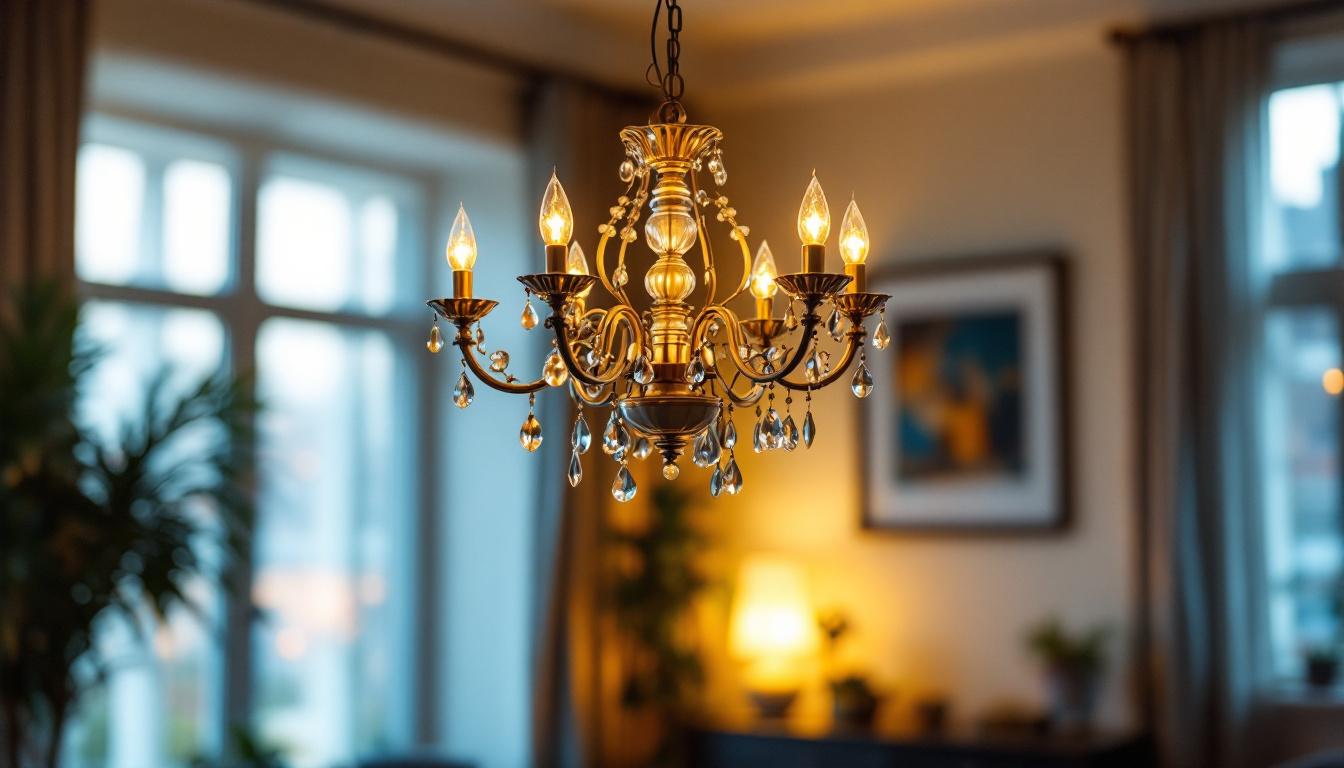
Chandeliers are more than just decorative fixtures; they serve as focal points that define the ambiance and style of a space. For lighting contractors, selecting the right chandelier is a critical step in delivering projects that impress clients and stand the test of time. A well-chosen chandelier balances aesthetics, functionality, and installation feasibility.
When planning a lighting project, it’s essential to recognize how chandeliers influence both the visual and practical aspects of a room. They often act as the centerpiece in dining rooms, entryways, ballrooms, and even commercial spaces. Their size, design, and light output must complement the room’s dimensions and purpose.
Moreover, chandeliers come in a variety of styles, from traditional crystal designs that evoke elegance to modern minimalist fixtures that emphasize sleek lines and simplicity. This diversity allows designers to tailor their choices to the specific theme of the space, whether it be rustic, contemporary, or eclectic. Additionally, the materials used in chandeliers—such as glass, metal, or even wood—can significantly affect the overall aesthetic and mood of a room. For instance, a wrought iron chandelier can add a touch of vintage charm, while a glass-blown piece can bring a sense of lightness and airiness.
Another important consideration is the type of lighting technology employed in chandeliers. With advancements in LED technology, many modern chandeliers now offer energy-efficient options that do not compromise on brightness or style. Lighting contractors must stay informed about these innovations, as they can provide clients with sustainable choices that reduce energy consumption and maintenance costs. Furthermore, dimmable chandeliers allow for greater control over the ambiance, enabling users to adjust the lighting to suit various occasions—from a bright, lively dinner party to a soft, intimate gathering. This versatility not only enhances the functionality of the chandelier but also elevates the overall experience within the space.
Factors to Consider Before Buying a Chandelier
Room Size and Ceiling Height
The size of the room and the height of the ceiling dictate the scale and type of chandelier suitable for the space. A large, ornate chandelier might overwhelm a small room, while a tiny fixture can look out of place in a grand hall. For standard ceiling heights, chandeliers should hang about 30 to 36 inches above tables or surfaces, but this varies with ceiling height and room use. Additionally, it’s essential to consider the overall layout of the room; for instance, an open-concept living area may benefit from a larger chandelier that can serve as a focal point, drawing the eye upward and creating a sense of grandeur.
Lighting Needs and Bulb Compatibility
Chandeliers come with different types of bulbs and sockets, from traditional incandescent to modern LED options. Lighting contractors must consider the brightness required, energy efficiency, and ease of maintenance. LED-compatible chandeliers offer longevity and lower energy costs, which clients increasingly demand. Furthermore, the color temperature of the bulbs can significantly influence the ambiance of the space. Warm white bulbs create a cozy, inviting atmosphere, while cooler tones can enhance a more contemporary or clinical feel, making it crucial to choose wisely based on the intended mood of the room.
Style and Material
The material and style of the chandelier should align with the interior design concept. Crystal chandeliers evoke luxury and elegance, while wrought iron or industrial-style fixtures suit rustic or modern spaces. Selecting a fixture that fits the client’s taste ensures satisfaction and enhances the overall design coherence. Beyond aesthetics, the material can also affect the chandelier’s durability and maintenance requirements. For example, metal fixtures may require occasional polishing to maintain their shine, while glass or crystal options may need more frequent dusting to keep them sparkling. Additionally, consider the finish of the chandelier; a matte black finish can add a modern edge, while a polished brass can evoke a classic charm, influencing the overall character of the room.
Where to Buy Chandeliers: Top Sources for Lighting Contractors
Specialized Lighting Showrooms
Lighting showrooms offer an extensive range of chandeliers, from classic to contemporary designs. These venues allow contractors to see fixtures in person, assess build quality, and discuss technical specifications with knowledgeable staff. Many showrooms also provide custom order options, which is valuable for unique project requirements. Additionally, these showrooms often host exclusive events or workshops where contractors can gain insights into the latest trends and technologies in lighting design. This direct interaction with industry experts not only enhances a contractor’s knowledge but also fosters valuable networking opportunities.
Wholesale Lighting Suppliers
For contractors managing multiple projects or large-scale installations, wholesale suppliers provide competitive pricing and bulk purchase options. These suppliers often stock a wide variety of chandeliers and related accessories, streamlining procurement and reducing lead times. Establishing a relationship with a trusted wholesaler can be a strategic advantage. Furthermore, many wholesalers offer loyalty programs or discounts for repeat customers, which can significantly reduce costs over time. They may also provide access to exclusive lines or limited-edition pieces that are not available in retail settings, allowing contractors to differentiate their projects with unique lighting solutions.
Online Lighting Retailers
Online platforms have revolutionized how lighting contractors source chandeliers. They offer unparalleled variety and the convenience of direct shipping to job sites. However, purchasing online requires careful vetting of product reviews, return policies, and shipping reliability. High-resolution images and detailed product descriptions help mitigate the risk of mismatched expectations. Additionally, many online retailers now feature augmented reality tools that allow contractors to visualize how a chandelier will look in a specific space, enhancing the decision-making process. Customer service chat options can also provide immediate assistance, making it easier to resolve any queries before finalizing a purchase.
Evaluating Quality and Authenticity
Quality is paramount when selecting chandeliers. Contractors should verify the materials used, craftsmanship, and certifications to ensure durability and safety. Authentic crystal or hand-blown glass components add value and visual appeal but come at a premium. Checking for UL or ETL listings guarantees compliance with electrical safety standards. Additionally, it’s beneficial to research the manufacturer’s reputation and history in the industry. Established brands often have a track record of producing high-quality products, which can provide peace of mind for contractors and clients alike.
Inspecting the fixture’s assembly is equally important. Loose connections or flimsy parts can lead to installation challenges and future maintenance issues. Reliable suppliers usually provide warranties and customer support, which are critical for addressing any post-installation concerns. Furthermore, understanding the chandelier’s weight and installation requirements can prevent potential hazards; heavier fixtures may require additional support structures to ensure they are securely mounted. It’s also wise to consider the chandelier’s energy efficiency, as modern LED options can significantly reduce electricity costs while providing the same aesthetic appeal as traditional bulbs.
Installation Considerations for Chandeliers
Installing chandeliers demands precision and expertise. The fixture’s weight and mounting requirements must be compatible with the ceiling structure. Contractors often need to reinforce ceiling joists or use specialized mounting brackets for heavy or oversized chandeliers. Additionally, the height at which the chandelier is hung plays a crucial role in the overall aesthetic and functionality of the space. A chandelier that is too low can obstruct views and create a hazard, while one that is too high may fail to provide the desired ambiance.
Electrical wiring must comply with local codes, and dimmer compatibility should be tested beforehand. Proper installation not only ensures safety but also optimizes the chandelier’s lighting effect. It is essential to consider the type of bulbs being used, as LED and incandescent bulbs can produce different lighting qualities and energy efficiencies. Moreover, the color temperature of the bulbs can significantly influence the mood of the room, making it important to choose wisely based on the intended atmosphere. Professional installation services offered by some suppliers can be a valuable resource for complex projects. These experts can also provide guidance on chandelier selection, ensuring that the chosen fixture complements the room’s design and meets functional needs.
Maximizing Client Satisfaction with the Right Chandelier Purchase
Choosing the right supplier and chandelier directly impacts client satisfaction. Lighting contractors should provide clients with options that fit their style, budget, and functional needs. Offering samples or mock-ups can help clients visualize the final outcome and make informed decisions. This not only aids in the selection process but also fosters a sense of involvement and ownership in the project, making clients feel valued and understood. Additionally, providing a range of styles—from modern minimalist to ornate vintage—ensures that every client’s unique taste is catered to, enhancing the overall experience.
Clear communication about delivery timelines, installation requirements, and maintenance helps set realistic expectations. After-sales support and warranty services further enhance the client’s confidence in the project’s success. It is also beneficial to educate clients on the importance of proper chandelier placement and lighting effects, as this knowledge can significantly influence their satisfaction with the final installation. By discussing factors such as ceiling height, room dimensions, and the intended ambiance, contractors can guide clients toward making choices that will not only illuminate their spaces beautifully but also create the desired atmosphere. Furthermore, sharing tips on how to care for and maintain their chandeliers can empower clients to keep their investments looking pristine for years to come.
Conclusion: Strategic Sourcing for Successful Lighting Projects
For lighting contractors, knowing where to buy chandeliers is a cornerstone of executing successful lighting projects. Whether sourcing from specialized showrooms, wholesalers, or online retailers, the focus should remain on quality, style, and compatibility with the project’s demands.
Investing time in evaluating suppliers, understanding client needs, and planning installation ensures that chandeliers do more than just light a room-they elevate the entire space. This approach not only delivers superior results but also builds lasting client relationships and professional reputation.
Illuminate Your Projects with LumenWholesale
Ready to take your lighting projects to the next level? At LumenWholesale, we provide lighting contractors with an exceptional range of high-quality, specification-grade chandeliers at unbeatable wholesale prices. Say goodbye to inflated markups and hello to superior lighting products that meet the highest industry standards. With our hassle-free bulk buying options and free shipping, you can trust that you’re getting premium lighting at the best value — without any hidden fees. Elevate your lighting projects with the perfect blend of quality, affordability, and convenience. Discover wholesale lighting at the best value today and light up your client’s spaces with confidence and style.