When a Single Part Saves the Day: A Retrofit Project Turnaround
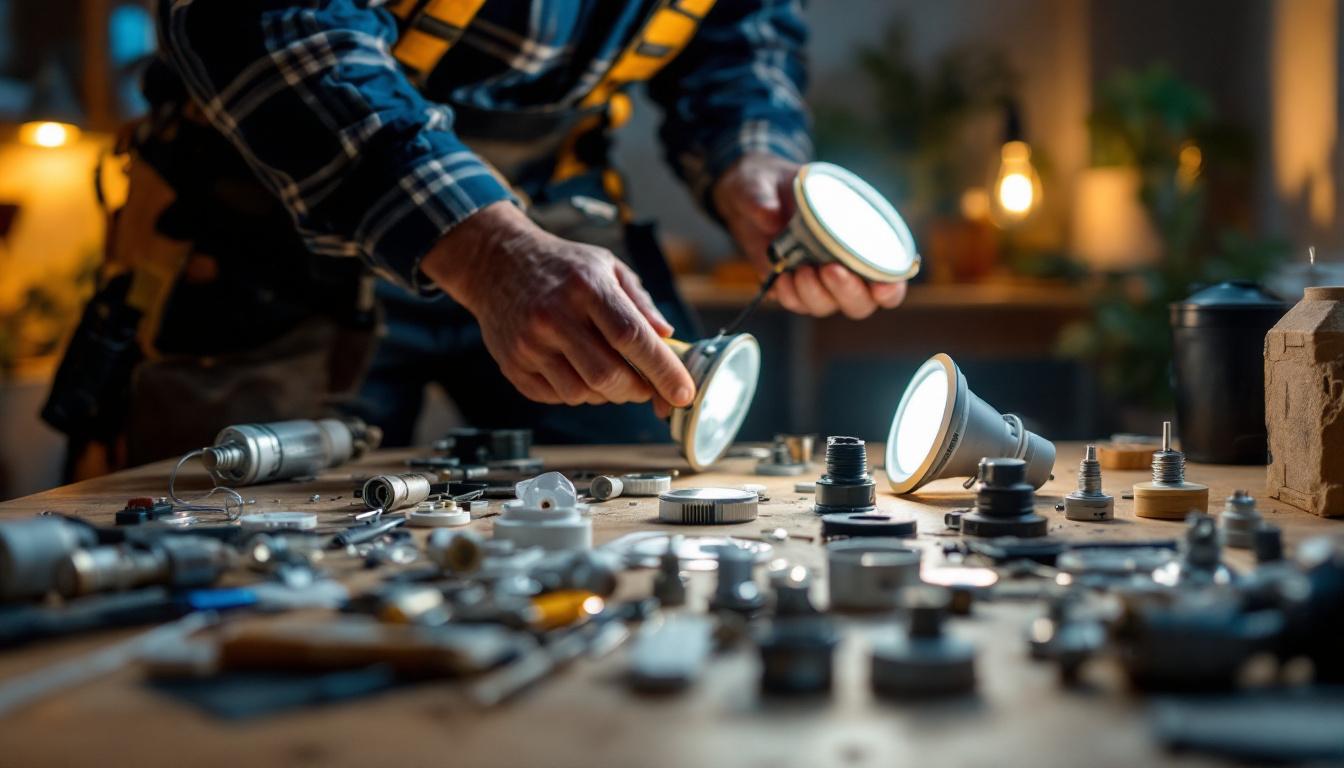
During a large-scale retrofit of a commercial office building, a lighting contractor faced unexpected challenges when several LED fixtures began flickering shortly after installation. The client was understandably concerned about the quality and reliability of the new lighting system. After a thorough inspection, the contractor identified that the flickering was due to faulty drivers—critical components responsible for regulating power to the LEDs.
Instead of replacing entire fixtures, the contractor sourced high-quality replacement drivers specifically designed for the existing fixtures. This approach not only saved the client thousands of dollars but also minimized downtime. The repair parts fit seamlessly, restoring stable lighting performance within hours. This case highlights how having access to the right repair parts can transform a potential project failure into a client satisfaction story.
Moreover, the contractor took the opportunity to educate the client about the importance of selecting quality components for future projects. They discussed how inferior drivers could lead to similar issues down the line, emphasizing the long-term benefits of investing in reliable products. This conversation not only reassured the client but also fostered a deeper trust in the contractor’s expertise, paving the way for potential future collaborations.
In addition to the immediate resolution, the contractor documented the entire process, including the challenges faced and the solutions implemented. This case study would serve as a valuable reference for similar projects in the future, showcasing the contractor’s problem-solving skills and commitment to quality. By sharing this experience with their team and industry peers, they could help others avoid the same pitfalls, ultimately contributing to a culture of excellence in the retrofit industry.
Emergency Response: How Quick Access to Repair Parts Prevented a Safety Hazard
One lighting contractor was called to address a safety issue at a manufacturing plant where overhead lighting had failed in a critical production area. The plant’s operations depended heavily on consistent, bright lighting to maintain worker safety and productivity. The contractor discovered that the problem was due to worn-out ballasts in the fluorescent fixtures.
Thanks to a well-stocked inventory of ballasts and compatible repair parts, the contractor was able to replace the faulty components on the spot. This quick turnaround prevented extended downtime and potential accidents caused by poor visibility. The client praised the contractor’s preparedness and expertise, reinforcing the importance of having essential repair parts readily available for emergency repairs.
The incident highlighted not only the immediate benefits of having spare parts on hand but also the broader implications for operational efficiency in manufacturing environments. In industries where every minute of downtime can lead to significant financial losses, the ability to swiftly address maintenance issues is crucial. The contractor’s proactive approach served as a reminder for other businesses to evaluate their own inventory management practices and consider investing in emergency repair supplies to mitigate risks associated with unexpected equipment failures.
Moreover, the contractor took the opportunity to educate the plant management about regular maintenance schedules and the importance of routine inspections. By establishing a preventive maintenance plan, the plant could further reduce the likelihood of future lighting failures. This not only enhances safety but also promotes a culture of vigilance and responsibility among the workforce, ensuring that all employees are aware of the critical role that proper lighting plays in their daily operations.
Custom Solutions: Tailoring Repair Parts for Historic Lighting Fixtures
Historic buildings often present unique challenges for lighting contractors. One such project involved restoring the original lighting fixtures in a century-old theater. Many of the parts were no longer manufactured, making repairs difficult. The contractor collaborated with specialized suppliers to source custom repair parts that matched the original specifications.
This bespoke approach allowed the fixtures to be restored authentically, preserving the theater’s historic charm while improving energy efficiency. The success of this project demonstrated how a deep understanding of repair parts and supplier networks can enable contractors to tackle even the most challenging restoration jobs.
In addition to sourcing custom parts, the contractor also engaged with artisans skilled in traditional craftsmanship. These artisans were able to replicate intricate designs and finishes that were characteristic of the original fixtures, ensuring that every detail was meticulously attended to. This not only enhanced the aesthetic appeal of the lighting but also reinforced the historical integrity of the theater, allowing it to retain its unique identity amidst modern renovations.
Furthermore, the project underscored the importance of thorough research and documentation. The contractor invested time in studying the theater’s history, including its architectural style and previous renovations. This research informed their decisions, allowing them to make choices that were not only practical but also respectful of the building’s legacy. By engaging with local historians and preservation societies, the team was able to gather insights that further enriched the restoration process, ensuring that the final outcome was a true homage to the theater’s storied past.
Maximizing Efficiency: How Repair Parts Extend Fixture Lifespan
Lighting contractors often encounter clients who hesitate to invest in new fixtures due to budget constraints. In these cases, replacing worn or damaged parts can be a cost-effective way to extend the life of existing lighting systems. For example, replacing old capacitors, sockets, or wiring in fluorescent fixtures can significantly improve performance and reliability. This approach not only enhances the functionality of the lighting but also minimizes the disruption to the client’s daily operations, making it a win-win situation.
One contractor working with a school district found that targeted repairs reduced the need for full fixture replacements by nearly 40%. This approach not only saved money but also reduced waste, aligning with growing sustainability goals. Clients appreciate contractors who can offer practical repair solutions that balance cost and performance. Moreover, by investing in repairs rather than complete replacements, clients can allocate their budgets towards other essential upgrades, such as energy-efficient technologies or smart lighting systems, further enhancing their facilities without incurring significant costs.
Key Repair Parts That Make a Difference
Several components frequently play pivotal roles in lighting repairs:
- Ballasts and Drivers: Essential for regulating current in fluorescent and LED fixtures.
- Sockets and Holders: Often subject to wear and can cause intermittent failures.
- Capacitors: Critical in fluorescent lighting for starting and maintaining lamp operation.
- Switches and Sensors: Upgrading or replacing these can improve control and energy efficiency.
Having these parts on hand or knowing reliable suppliers can dramatically improve response times and client satisfaction. Additionally, staying informed about the latest advancements in lighting technology can empower contractors to recommend the most effective solutions. For instance, integrating smart sensors not only enhances energy efficiency but also allows for better control over lighting conditions, adapting to the needs of the space and its occupants. This level of customization can lead to increased comfort and productivity, showcasing the contractor’s commitment to providing value-added services.
Training and Knowledge: Empowering Contractors to Identify and Source Repair Parts
Understanding the nuances of lighting repair parts is essential for contractors who want to deliver top-tier service. Training programs and manufacturer resources can help contractors identify the root causes of fixture failures and select the correct parts for repairs. This expertise translates directly into faster diagnostics and more reliable fixes.
Contractors who invest in ongoing education often develop strong relationships with suppliers, gaining access to exclusive parts and technical support. This network becomes a competitive advantage, enabling them to handle complex repairs that others might avoid.
Case Study: Upgrading a Municipal Parking Garage with Minimal Disruption
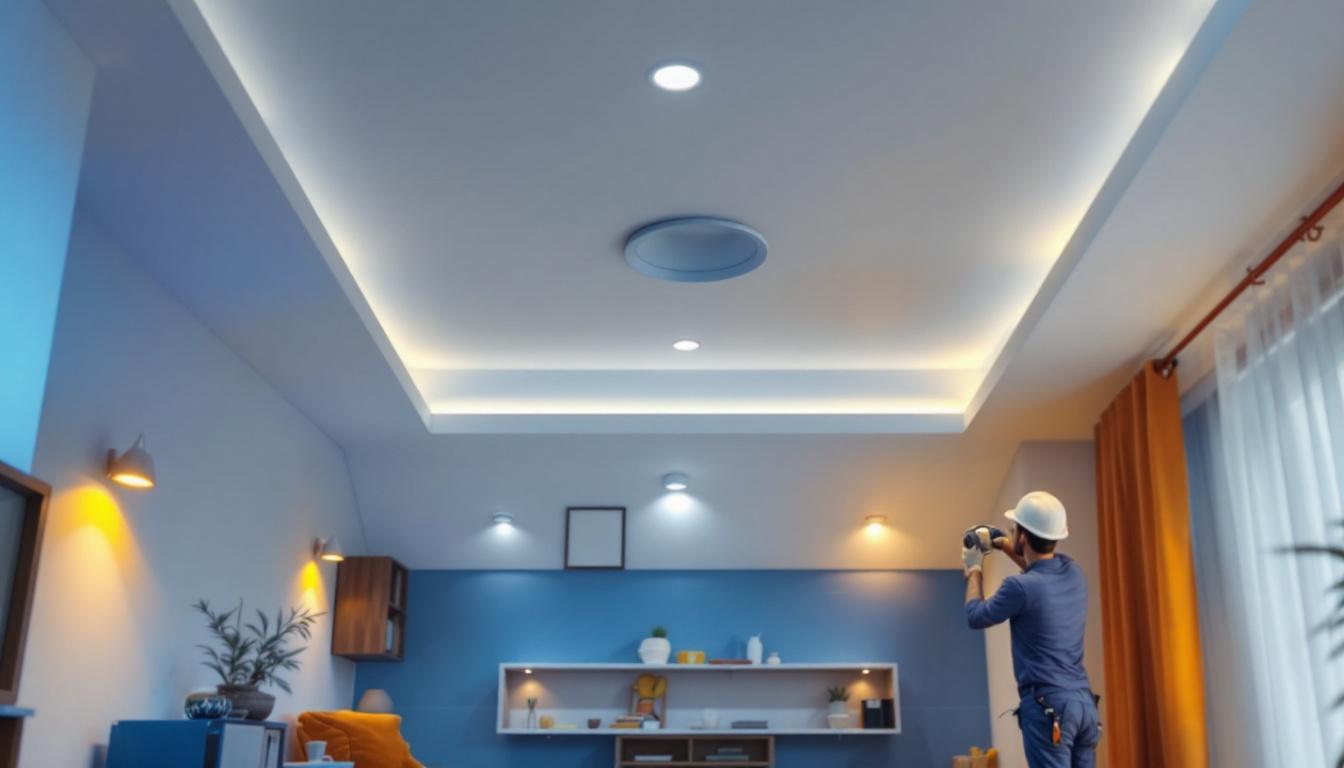
A municipal client needed to upgrade the lighting in a multi-level parking garage but was concerned about disruptions to daily operations. The contractor proposed a phased approach, replacing only damaged or outdated components rather than swapping out all fixtures at once.
By using compatible repair parts such as LED retrofit kits and new drivers, the contractor improved lighting quality and energy efficiency without a full teardown. This strategy allowed the garage to remain operational throughout the upgrade, earning praise from both the client and the public. It’s a prime example of how repair parts can enable smarter, less invasive lighting improvements.
Inventory Management: Balancing Stock and Speed
Maintaining an effective inventory of lighting repair parts is a balancing act. Stocking too many parts can tie up capital and space, while too few can delay repairs and frustrate clients. Successful contractors use data-driven inventory management, tracking common failures and seasonal trends to optimize stock levels.
Partnering with suppliers who offer fast shipping or drop-shipping options further enhances responsiveness. Some contractors also maintain mobile kits stocked with essential parts, allowing them to handle most repairs during the first visit. These practices improve efficiency and client trust.
Future-Proofing: Preparing for Emerging Lighting Technologies
Lighting technology continues to evolve rapidly, with smart controls, advanced LEDs, and IoT integration becoming standard. Contractors who stay ahead by familiarizing themselves with repair parts for these new systems position themselves as leaders in the field.
For example, modular LED fixtures often allow for component-level repairs rather than full replacements. Understanding how to source and install these parts can reduce costs and extend fixture lifespans. Additionally, knowledge of smart sensors and control modules enables contractors to offer upgrades that enhance building automation and energy savings.
Conclusion: Repair Parts as a Strategic Asset
Lighting repair parts are more than just components; they are strategic tools that enable contractors to deliver exceptional service, reduce costs, and build lasting client relationships. Real-world success stories show that having the right parts, knowledge, and inventory management can transform challenges into opportunities.
For lighting contractors, investing in repair parts expertise is an investment in business resilience and growth. Whether it’s a quick emergency fix, a historic restoration, or a cutting-edge upgrade, repair parts play a crucial role in lighting projects that shine.
Unlock Your Lighting Potential with LumenWholesale
Ready to elevate your lighting projects and exceed client expectations? At LumenWholesale, we provide the essential repair parts and cutting-edge lighting solutions you need to tackle any challenge with confidence. Our commitment to quality and affordability ensures that you can access spec-grade lighting products at wholesale prices, making every project shine without straining your budget. Say goodbye to middleman markups and hello to hassle-free bulk buying with free shipping. Don’t let limited resources dim your success. Take advantage of our unbeatable value and visit Wholesale Lighting at the Best Value today to discover how we can brighten your business prospects.