Combining Functionality: The Dual Role of Light Fixtures with Fans
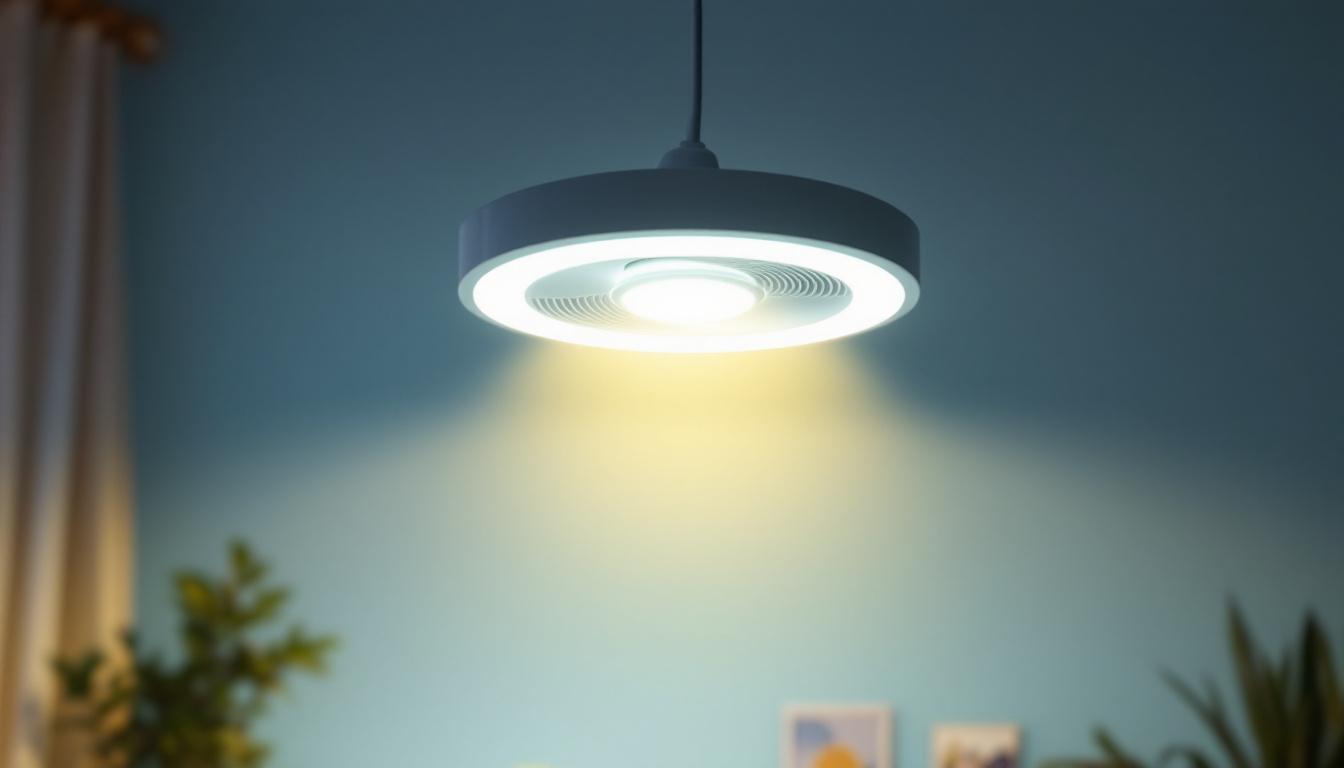
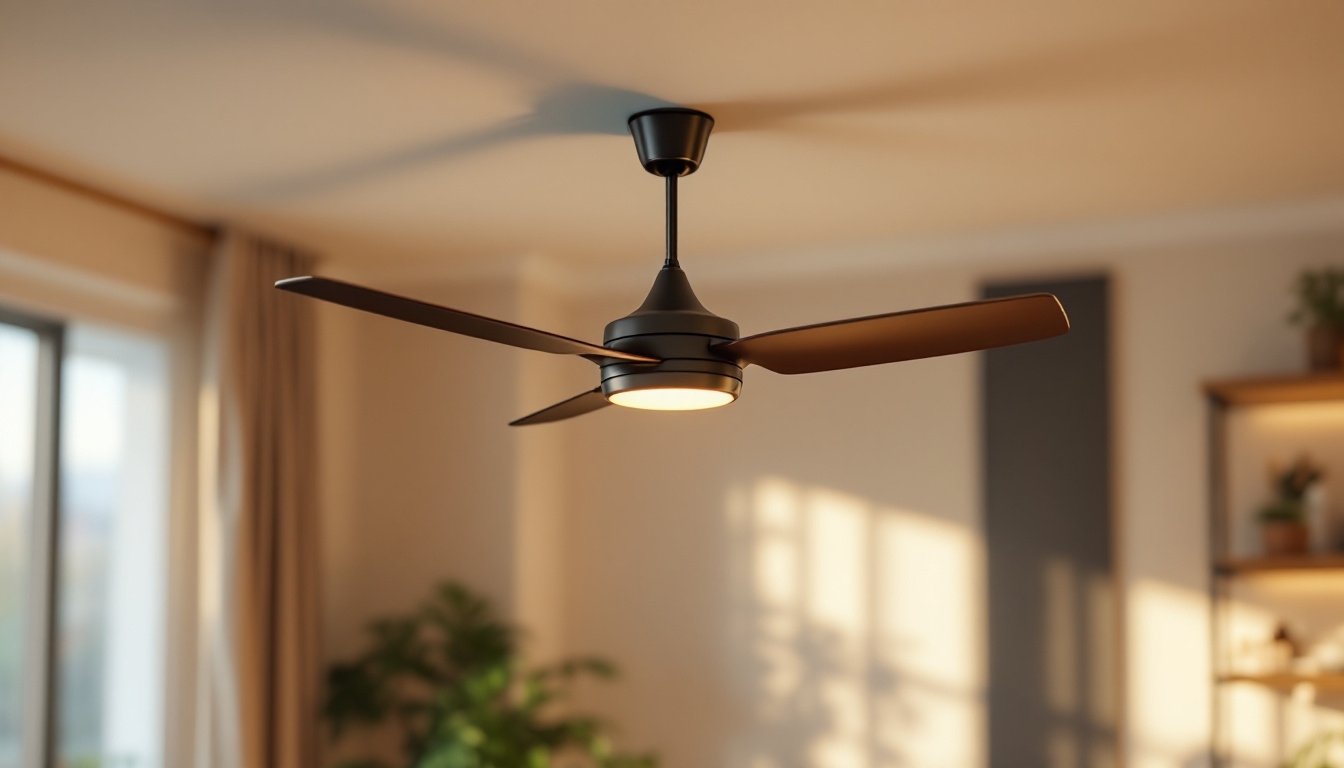
Light fixtures with integrated fans serve a dual purpose that goes beyond mere illumination. For lighting contractors, understanding this synergy is essential. These fixtures not only provide ambient or task lighting but also enhance air circulation, which can significantly improve comfort levels in residential and commercial spaces. The ability to control both lighting and airflow from a single fixture allows for a seamless user experience, making it easier for occupants to create the perfect environment tailored to their needs. This versatility is particularly beneficial in multi-functional spaces, where activities may shift from work to relaxation, requiring adjustments in both light and air flow.
Unlike separate installations of fans and lights, combining them into one unit simplifies the electrical setup and reduces ceiling clutter. This integration makes the installation process more efficient, a critical consideration when managing time and resources on-site. Additionally, the unified design often leads to a cleaner aesthetic, which appeals to clients looking for modern and streamlined interiors. Many of these fixtures come in various styles and finishes, allowing contractors to offer customized solutions that align with the overall design vision of a space, whether it be contemporary, rustic, or industrial.
Energy Efficiency and Cost Savings
One of the most compelling reasons to recommend light fixtures with fans is their potential for energy savings. When a fan circulates air effectively, it can reduce the reliance on air conditioning systems. This synergy can lower utility bills, a selling point that resonates well with homeowners and business owners alike. Furthermore, many modern light fixtures with fans are designed with energy-efficient LED lighting, which not only lasts longer but also consumes significantly less power compared to traditional bulbs. This dual energy efficiency can lead to substantial savings over time, making these fixtures an attractive investment.
From a contractor’s perspective, advising clients on these benefits can enhance trust and position you as a knowledgeable professional. It’s not just about installing a product but about delivering value through smart design choices. Educating clients on the long-term benefits, such as reduced maintenance costs and lower environmental impact, can further solidify their decision to opt for integrated solutions. By providing insights into the latest technologies, such as smart controls that allow for remote operation and scheduling, contractors can elevate the conversation and showcase their expertise, ultimately leading to more satisfied customers and repeat business.
Installation Considerations for Light Fixtures with Fans
Installing a light fixture with an integrated fan requires a nuanced approach. Unlike standard light fixtures, these units have additional mechanical and electrical components that demand careful handling. The combination of lighting and airflow not only enhances the aesthetic appeal of a room but also contributes to energy efficiency and comfort, making proper installation paramount.
Weight and Support
Fans add significant weight compared to traditional light fixtures. This means the ceiling joists or mounting points must be able to support the combined load safely. Contractors should always verify the structural integrity of the installation site before proceeding. In older homes, where ceiling structures may not have been designed to accommodate heavier fixtures, it may be necessary to reinforce the ceiling or use additional support brackets to ensure safety and stability.
Using specialized fan braces or mounting boxes designed for fan-light combos is a best practice. These accessories ensure stability and reduce the risk of vibrations or noise, which can be a common complaint if the fixture is not securely installed. Additionally, considering the ceiling height is important; for optimal airflow and light distribution, the fan should ideally be installed at least 7 feet above the floor, allowing for comfortable movement beneath it while maximizing its efficiency.
Wiring Complexity
Wiring a combined fan and light fixture is more complex than a standard light installation. Typically, separate switches control the fan and the light, requiring multiple wires and careful planning during installation. This complexity can be further compounded by the presence of remote control systems or smart home integrations, which may necessitate additional wiring or configuration steps to ensure seamless operation.
Contractors must be adept at identifying the correct wiring configurations, including neutral, ground, and hot wires for both fan and light functions. Mistakes can lead to malfunctioning units or safety hazards. Using a wiring diagram specific to the fixture model is crucial. Furthermore, it is advisable to test the circuit before finalizing the installation to confirm that all connections are secure and functioning as intended. This proactive approach can save time and prevent potential issues down the line, ensuring that the fan and light operate harmoniously together.
Choosing the Right Light Fixture with Fan for Different Spaces
Not all light fixtures with fans are created equal. Selecting the right model depends on the room’s size, ceiling height, and intended use.
Room Size and Airflow Requirements
For larger rooms, a fan with a wider blade span and higher airflow capacity (measured in cubic feet per minute, or CFM) is necessary to ensure adequate circulation. Smaller rooms require less powerful fans to avoid excessive airflow that can cause discomfort.
Lighting contractors should consult manufacturer specifications and possibly use airflow calculators to recommend the ideal fan size. This attention to detail ensures client satisfaction and optimal performance. Additionally, the layout of the room can influence airflow; for instance, an open floor plan may require a more powerful fan to effectively circulate air throughout the space. Understanding the specific needs of each room can enhance comfort and energy efficiency, making it essential to consider both the dimensions and the overall design when selecting a fixture.
Ceiling Height and Fixture Design
Low ceilings pose a challenge for fan-light installations. Flush-mount or low-profile fixtures are preferable in these situations to maintain adequate headroom and avoid safety issues.
Conversely, rooms with high ceilings may benefit from fixtures with downrods to position the fan at an optimal height for air circulation. Balancing aesthetics with functionality is key when making these decisions. Moreover, the choice of materials and finishes can further enhance the visual appeal of the fixture. For example, a sleek, modern fan with a brushed nickel finish can complement contemporary decor, while a rustic wooden fan might be more suitable for a farmhouse-style room. It’s also important to consider the light output of the fixture; dimmable options can provide flexibility for different activities, from bright lighting for reading to softer illumination for relaxation.
Maintenance and Longevity of Light Fixtures with Fans
Proper maintenance is critical to ensure the longevity and performance of combined fan and light fixtures. Lighting contractors can provide valuable guidance to clients on upkeep routines.
Cleaning and Dust Management
Fans accumulate dust on blades and light fixtures, which can reduce efficiency and degrade air quality. Regular cleaning is necessary to maintain optimal operation. Using microfiber cloths or vacuum attachments designed for delicate surfaces helps avoid damage.
Advising clients to schedule cleaning every few months, especially in dusty environments, can prevent buildup and extend the fixture’s lifespan. Additionally, it is beneficial to educate clients on the importance of using appropriate cleaning solutions. Harsh chemicals can not only damage the finish of the fixtures but also leave harmful residues that may affect indoor air quality. A gentle soap-and-water solution or a specialized cleaner for light fixtures can effectively remove grime without causing harm.
Mechanical and Electrical Checks
Over time, fan motors and light bulbs may require inspection or replacement. Loose screws or worn-out components can cause noise or operational issues.
Contractors should educate clients on signs of wear and recommend professional servicing when needed. This proactive approach can prevent costly repairs or replacements down the line. Furthermore, clients should be informed about the importance of using the correct wattage for light bulbs, as exceeding the recommended wattage can lead to overheating and potential damage to the fixture. Regularly checking the electrical connections and ensuring they are secure can also help maintain safety and efficiency, reducing the risk of electrical failures that could jeopardize the entire unit.
Trends and Innovations in Light Fixtures with Fans
Technology continues to evolve in the realm of fan-light fixtures, offering new opportunities for lighting contractors to enhance their installations.
Smart Controls and Connectivity
Many modern fixtures now include smart features such as remote controls, smartphone apps, and voice assistant compatibility. These innovations allow users to adjust lighting intensity, fan speed, and even set schedules without manual intervention.
For contractors, installing these smart fixtures can differentiate your services and appeal to tech-savvy clients looking for convenience and energy management solutions.
LED Lighting Integration
LED technology has revolutionized lighting with its energy efficiency and long lifespan. Integrating LEDs into fan-light combos reduces energy consumption and heat output, enhancing overall comfort.
Additionally, LEDs offer versatile color temperatures and dimming capabilities, allowing for customized ambiance. Contractors should prioritize fixtures with high-quality LED components to ensure client satisfaction.
Why Lighting Contractors Must Prioritize Light Fixtures with Fans
For lighting contractors, recommending and properly installing light fixtures with fans is not just a technical task-it’s a strategic advantage. These fixtures address multiple client needs in one package, from comfort and aesthetics to energy efficiency and smart home integration.
Understanding the nuances of installation, maintenance, and product selection empowers contractors to deliver superior service. Clients benefit from informed recommendations that improve their living or working environments, while contractors build a reputation for expertise and reliability.
Ultimately, light fixtures with fans represent a smart investment in both comfort and functionality. Embracing this category within lighting installations can open doors to new projects and satisfied customers.
Illuminate Your Projects with LumenWholesale
Ready to elevate your lighting installations with the dual benefits of light fixtures with fans? At LumenWholesale, we provide lighting contractors with the superior solutions you need to meet your clients’ demands for comfort, style, and energy efficiency. Our spec-grade lighting products are available at unbeatable wholesale prices, ensuring you get the best value for your investment. Say goodbye to inflated markups and hello to hassle-free bulk buying with free shipping. Don’t compromise on quality or cost. Visit LumenWholesale now and discover the perfect blend of quality, affordability, and convenience for your next project.