Understanding the Downlight Solar Opportunity
Downlight solar technology is reshaping the lighting industry by merging energy efficiency with ease of installation. For lighting contractors, this shift presents a unique chance to expand service offerings and tap into growing demand for sustainable lighting solutions. Unlike traditional wired downlights, solar-powered variants operate independently of the electrical grid, reducing installation complexity and ongoing energy costs.
Solar downlights leverage photovoltaic cells to convert sunlight into electricity, which charges internal batteries. These batteries then power LED lights after dark, providing consistent illumination without the need for wiring or trenching. This simplicity translates into faster project turnaround times and lower labor costs—two critical factors for contractors aiming to improve profitability.
Contractors who understand the technical nuances and market potential of downlight solar systems can position themselves as go-to experts in this expanding niche. It’s not just about selling a product; it’s about delivering a comprehensive solution that meets client demands for green technology and cost savings.
Moreover, the versatility of downlight solar systems allows for installation in a variety of settings, from residential backyards to commercial outdoor spaces. This adaptability means that contractors can cater to a diverse clientele, whether they are illuminating pathways in a suburban neighborhood or enhancing the ambiance of a restaurant patio. Additionally, as municipalities and businesses increasingly prioritize sustainability, the demand for solar lighting solutions is expected to surge, creating further opportunities for contractors to secure long-term contracts and repeat business.
Furthermore, advancements in solar technology are continuously improving the efficiency and aesthetics of downlight systems. Newer models offer sleek designs that blend seamlessly with modern architecture while providing enhanced light output. This evolution not only appeals to environmentally conscious consumers but also aligns with the growing trend of smart home integration. By offering solar downlights that can be controlled via mobile apps or smart home systems, contractors can position themselves at the forefront of innovation, ensuring they meet the expectations of tech-savvy clients looking for cutting-edge solutions.
Why Lighting Contractors Should Embrace Solar Downlights
Meeting Increasing Client Demand for Sustainability
Clients across residential, commercial, and municipal sectors are actively seeking sustainable lighting options. Solar downlights offer a compelling value proposition: zero operational energy costs and a reduced carbon footprint. This aligns perfectly with the priorities of environmentally conscious consumers and businesses aiming to meet corporate social responsibility goals.
For contractors, offering solar downlights can differentiate their services in a crowded market. It signals a commitment to innovation and environmental stewardship, qualities that resonate strongly with modern buyers. Moreover, as governments worldwide implement stricter regulations on energy consumption and emissions, contractors who adopt solar technology can position themselves as leaders in compliance, helping clients navigate these evolving standards.
Furthermore, the aesthetic appeal of solar downlights cannot be overlooked. Many designs are sleek and modern, allowing them to seamlessly integrate into various architectural styles. This visual aspect is particularly appealing to homeowners and businesses looking to enhance their property’s curb appeal while making eco-friendly choices. As the demand for stylish yet sustainable solutions grows, contractors who can provide attractive solar lighting options will find themselves at a distinct advantage.
Reducing Installation Complexity and Costs
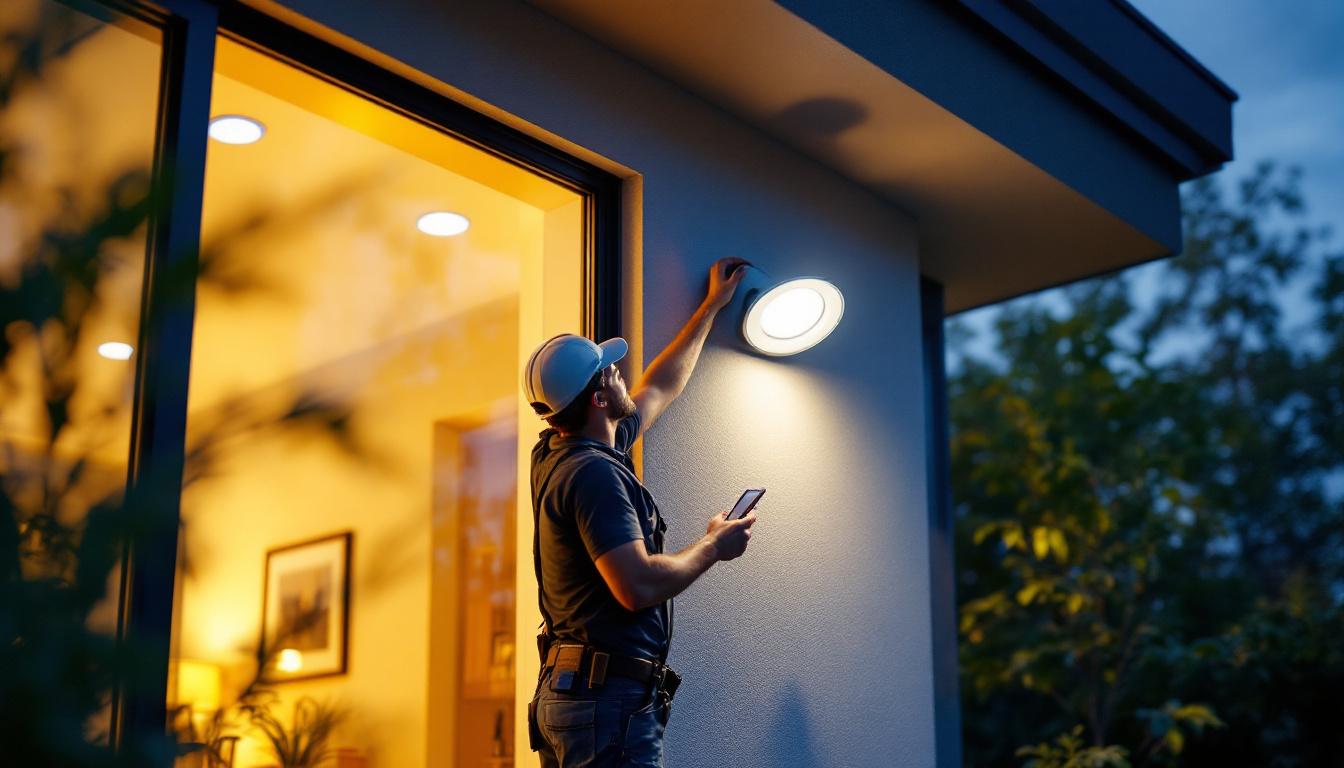
Traditional downlight installations often involve significant electrical work, including wiring, conduit placement, and compliance with local electrical codes. Solar downlights eliminate much of this complexity, as they require no connection to the main power supply. This can dramatically reduce installation time and the need for specialized electricians.
By streamlining the installation process, contractors can take on more projects within the same timeframe, boosting revenue potential. Additionally, fewer materials and less labor translate into better margins without compromising quality. The ease of installation also means that contractors can train their teams more efficiently, allowing for a quicker ramp-up in service delivery. This adaptability can be crucial in meeting tight project deadlines, especially in sectors where time is of the essence, such as event planning and outdoor festivals.
Moreover, the durability of solar downlights contributes to lower long-term maintenance costs. With fewer components that can fail and no reliance on electrical infrastructure, these systems often require minimal upkeep. This reliability can be a significant selling point for contractors, as clients are increasingly looking for solutions that not only save money upfront but also reduce ongoing expenses.
Expanding Service Offerings and Revenue Streams
Solar downlights open doors to new project types. Outdoor lighting for pathways, gardens, parking lots, and remote locations becomes more feasible and attractive. Contractors can also offer retrofit solutions, upgrading existing lighting systems to solar-powered alternatives without extensive rewiring.
These expanded offerings not only increase the contractor’s market reach but also foster long-term client relationships through maintenance and upgrade services. Additionally, the versatility of solar downlights allows contractors to tap into niche markets, such as rural developments or eco-friendly communities, where traditional lighting solutions may not be viable. By catering to these unique needs, contractors can establish themselves as go-to experts in solar lighting, further solidifying their reputation and client base.
Furthermore, as technology advances, the integration of smart features into solar downlights is becoming more prevalent. Offering products that can be controlled via mobile apps or integrated into smart home systems can attract tech-savvy clients looking for convenience and efficiency. This not only enhances the value of the service provided but also positions contractors at the forefront of the evolving lighting industry, ready to meet the demands of a changing marketplace.
Technical Considerations for Successful Downlight Solar Installations
Choosing the Right Solar Downlight System
Not all solar downlights are created equal. Contractors must evaluate key factors such as solar panel efficiency, battery capacity, LED brightness, and weather resistance. Selecting systems with high-quality components ensures reliability and customer satisfaction.
For example, lithium-ion batteries typically offer longer lifespans and better performance than traditional lead-acid options. Similarly, LEDs with higher lumens output provide better illumination while consuming less power. Additionally, it’s worth considering the color temperature of the LEDs; warmer tones can create a more inviting atmosphere, while cooler tones may be more suitable for security lighting. Understanding the specific needs of the installation site can guide these choices, ensuring that the lighting not only serves its functional purpose but also enhances the aesthetic appeal of the area.
Site Assessment and Placement
Proper placement of solar downlights is critical for optimal performance. Contractors should assess each site’s sun exposure, potential shading from trees or buildings, and mounting options. Panels must receive sufficient direct sunlight during the day to fully charge batteries.
Understanding local climate conditions also helps in selecting products with appropriate IP ratings to withstand rain, dust, and temperature fluctuations. Furthermore, evaluating the landscape’s topography can influence the placement of solar downlights. For instance, on sloped terrains, it may be beneficial to install downlights at varying heights to ensure even light distribution and minimize shadows. This strategic placement not only maximizes the effectiveness of the solar system but also enhances safety in outdoor areas by illuminating pathways and potential hazards.
Installation Best Practices
While solar downlights simplify the wiring process, careful installation is still essential. Ensuring secure mounting, correct panel orientation, and proper battery connections will maximize system longevity and effectiveness.
Contractors should also educate clients on basic maintenance, such as cleaning solar panels periodically to prevent dust buildup, which can reduce charging efficiency. In addition, it’s advisable to perform seasonal checks to ensure that all components are functioning optimally, particularly after severe weather events. Educating clients about the importance of monitoring the system’s performance can foster a sense of ownership and responsibility, leading to better long-term results. Moreover, providing a simple guide on troubleshooting common issues can empower clients to address minor problems before they escalate, ultimately enhancing their satisfaction with the solar downlight system.
Marketing and Selling Solar Downlights Effectively
Highlighting Cost Savings and Environmental Benefits
Clients respond well to clear, quantifiable benefits. Contractors should emphasize the elimination of electricity bills for lighting and the positive environmental impact of using renewable energy. Presenting case studies or real-world examples of savings can build trust and credibility.
Visual aids, such as before-and-after photos or energy consumption comparisons, help clients grasp the tangible advantages of solar downlights.
Targeting Ideal Customer Segments
Certain market segments are more receptive to solar downlights. Residential homeowners interested in backyard or pathway lighting, commercial property managers looking to reduce operational costs, and municipalities aiming to improve public spaces sustainably are prime targets.
Tailoring marketing messages to address the specific pain points and goals of these groups increases the likelihood of successful sales.
Leveraging Online and Local Channels
Digital marketing, including social media, search engine optimization, and targeted ads, can raise awareness among prospective clients. Meanwhile, participating in local trade shows, community events, and partnerships with green building organizations can generate valuable leads.
Word-of-mouth remains powerful in the contractor space. Encouraging satisfied customers to provide testimonials or referrals can amplify marketing efforts organically.
Overcoming Challenges and Ensuring Long-Term Success
Addressing Client Concerns About Reliability
Some clients may worry about solar downlights’ performance during cloudy days or winter months. Contractors can reassure them by explaining battery storage capabilities and the technology’s proven track record in various climates.
Offering warranties and maintenance plans also builds confidence and demonstrates commitment to quality service.
Staying Updated with Industry Trends and Regulations
The solar lighting industry evolves rapidly. Contractors who stay informed about new product developments, efficiency standards, and local regulations can maintain a competitive edge. Joining professional associations and attending training sessions supports ongoing education.
Being proactive about compliance with safety and environmental guidelines protects the contractor’s reputation and reduces liability risks.
Building Strong Supplier Relationships
Reliable suppliers are crucial for consistent product availability and support. Contractors should cultivate partnerships with manufacturers known for quality and responsive service. This ensures timely access to inventory and technical assistance when needed.
Negotiating favorable terms can also improve profitability and enable competitive pricing.
Conclusion: Capitalizing on the Downlight Solar Trend
Downlight solar technology offers lighting contractors a pathway to increased efficiency, broader service offerings, and alignment with sustainability trends. By understanding the technical aspects, addressing client needs, and implementing effective marketing strategies, contractors can unlock new revenue streams and strengthen their market position.
Success in this space requires a commitment to quality, ongoing learning, and customer education. Those who master these elements will not only meet current market demands but also future-proof their businesses in an increasingly green economy.
Illuminate Your Projects with LumenWholesale
Ready to harness the power of downlight solar technology and give your clients the efficiency and sustainability they demand? Look no further than LumenWholesale for your lighting needs. Our spec-grade lighting products set the standard for quality and performance, ensuring that your projects shine bright. With unbeatable wholesale prices and the convenience of free shipping on bulk orders, you can trust that you’re getting the best value in the industry. Elevate your lighting game and delight your clients with the perfect blend of quality, affordability, and convenience. Start exploring our extensive selection today and take the first step towards a brighter, greener future. Wholesale Lighting at the Best Value.