Understanding Vintage Antique Light Bulbs: A Contractor’s Essential Guide
Lighting contractors are increasingly called upon to incorporate vintage antique light bulbs into their projects, whether for residential, commercial, or hospitality settings. These bulbs offer a unique aesthetic appeal that blends nostalgia with modern design trends, making them highly sought after by interior designers and clients alike. However, working with vintage lighting requires more than just installing a bulb; it demands a thorough understanding of their characteristics, compatibility, and safety considerations.
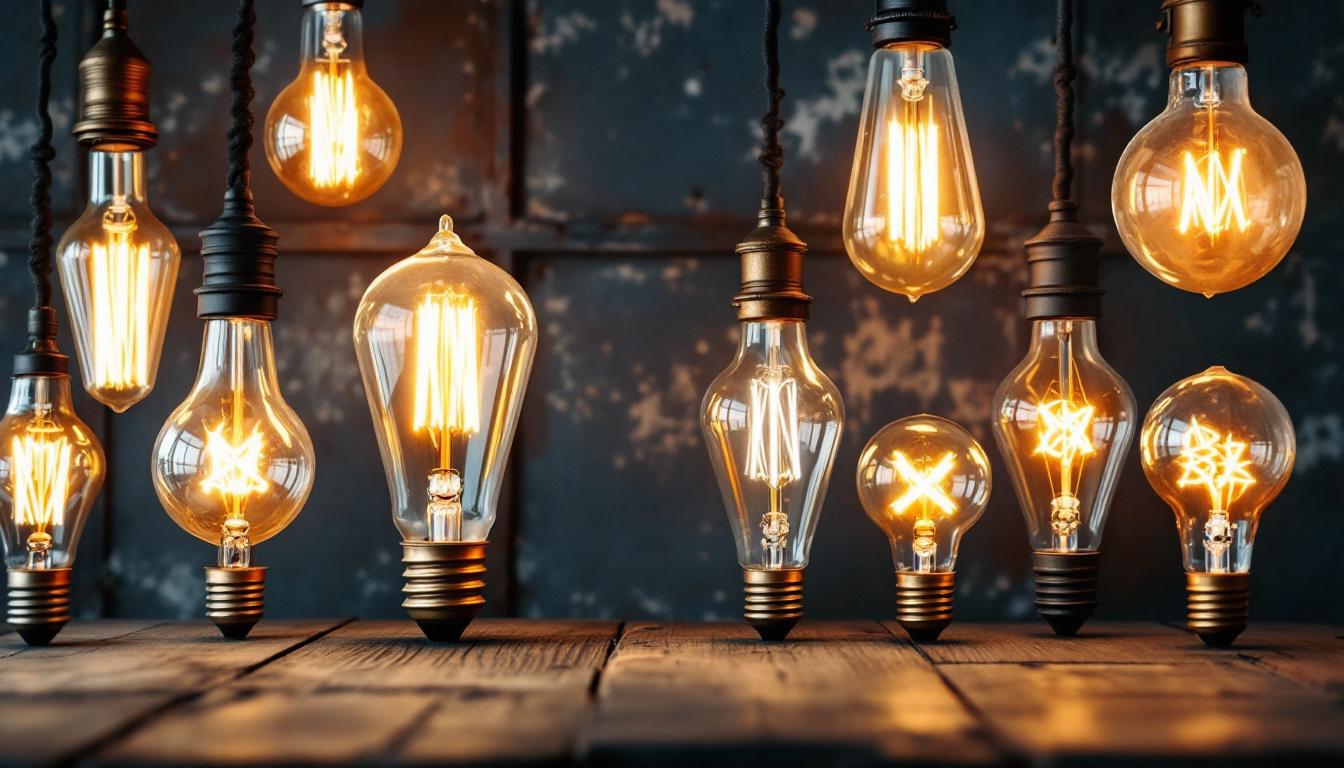
Vintage antique light bulbs typically refer to incandescent bulbs designed to mimic the early Edison-style filament bulbs or other early 20th-century designs. Their warm glow and intricate filament patterns create an ambiance that contemporary LEDs or CFLs often cannot replicate. For lighting contractors, mastering the nuances of these bulbs can elevate project outcomes and client satisfaction.
Key Characteristics of Vintage Antique Bulbs
These bulbs are often characterized by their exposed filaments, amber-tinted glass, and unique shapes such as globe, tubular, or teardrop forms. The filaments may be arranged in elaborate patterns, including spiral, zigzag, or cage-like structures, which contribute to their decorative appeal. Additionally, their light temperature tends to be warmer, usually around 2200K to 2700K, providing a cozy and inviting atmosphere.
While vintage bulbs are predominantly incandescent, some manufacturers now produce LED versions that replicate the vintage look while offering improved energy efficiency and longer lifespan. Understanding the differences between these types is crucial for contractors to advise clients appropriately.
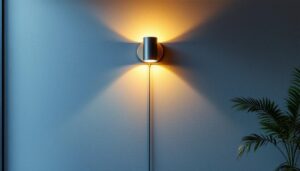
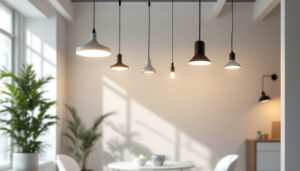
Moreover, the installation of vintage bulbs often involves specific fixtures that complement their design. Many vintage bulbs are designed to be exposed, meaning that the fixture should not only support the bulb but also enhance its visual appeal. This can include pendant lights, chandeliers, or wall sconces that allow the bulb to take center stage. Contractors should be familiar with various fixture styles and materials, from wrought iron to polished brass, to ensure that the overall design harmonizes with the vintage aesthetic.
Another important consideration is the electrical compatibility of vintage bulbs. Many antique bulbs operate at lower wattages compared to modern lighting solutions, and using them in fixtures designed for higher wattages can lead to overheating or even fire hazards. Contractors must be diligent in assessing the electrical systems in place and may need to recommend dimmer switches or transformers that are compatible with the lower wattage of vintage bulbs. This attention to detail not only ensures safety but also enhances the longevity and performance of the lighting installation.
Choosing the Right Vintage Bulb for Your Project
Selecting the correct vintage antique bulb involves balancing aesthetics, functionality, and technical requirements. Lighting contractors must consider the environment, fixture compatibility, and client preferences to ensure optimal results.
Assessing Fixture Compatibility
Many vintage bulbs come with standard bases such as E26 or E27, but some specialty bulbs may have candelabra (E12) or other less common fittings. Contractors should verify the fixture’s socket type before procurement. Additionally, the bulb’s size and shape must fit the fixture without obstructing other design elements or compromising safety.
It is also important to consider the wattage and voltage requirements. Traditional incandescent vintage bulbs often consume more power and generate more heat than modern LEDs. Ensuring that fixtures are rated to handle the bulb’s electrical load and heat output is essential to prevent damage or fire hazards.
Furthermore, the design of the fixture can also influence the choice of bulb. For instance, exposed filament bulbs can create a stunning visual effect when placed in a minimalist or industrial-style fixture, while globe-shaped bulbs may be more appropriate for a vintage chandelier. Understanding the interplay between the bulb and fixture design can elevate the overall aesthetic and functionality of the lighting scheme.
Matching Light Output and Ambiance
Vintage bulbs typically emit lower lumens compared to contemporary bulbs, which means they are better suited for accent lighting or creating mood rather than general illumination. Contractors should discuss with clients the intended use of the space to determine whether vintage bulbs alone will suffice or if they should be supplemented with other lighting sources.
For example, in restaurants or bars, vintage bulbs can enhance the atmosphere by providing soft, warm light that encourages relaxation. In contrast, retail environments may require brighter, more uniform lighting, making vintage bulbs more suitable as decorative elements rather than primary light sources.
Moreover, the color temperature of vintage bulbs can significantly affect the ambiance. Many vintage bulbs emit a warm glow, typically around 2200K to 2700K, which can create a cozy and inviting atmosphere. In contrast, cooler color temperatures may be more appropriate for workspaces or areas requiring focus. By carefully selecting the color temperature, contractors can help clients achieve the desired mood and functionality in their spaces.
Energy Efficiency Considerations
One of the challenges with traditional vintage incandescent bulbs is their relatively high energy consumption and shorter lifespan. Lighting contractors should inform clients about these factors and offer alternatives such as LED vintage-style bulbs that maintain the aesthetic while improving efficiency.
LED vintage bulbs consume up to 80% less energy and can last tens of thousands of hours compared to a few thousand hours for incandescent bulbs. This not only reduces operational costs but also aligns with increasing energy regulations and sustainability goals.
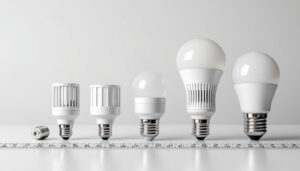
In addition, the market for vintage-style LED bulbs has expanded significantly, offering a variety of shapes, sizes, and color temperatures that mimic the look of traditional incandescent bulbs. This allows contractors to provide clients with a range of options that suit their design preferences while promoting energy efficiency. Educating clients on the benefits of these modern alternatives can help them make informed decisions that balance style with sustainability.
Installation Best Practices for Vintage Antique Light Bulbs
Proper installation is critical to maximize the performance and safety of vintage antique light bulbs. Lighting contractors should adhere to industry standards while accounting for the unique properties of these bulbs.
Handling and Safety Precautions
Vintage bulbs, especially those with exposed filaments and delicate glass, require careful handling to avoid damage. Contractors should wear gloves or use clean cloths to prevent oils from skin affecting the bulb’s surface, which can lead to hotspots and premature failure.
Because incandescent vintage bulbs generate significant heat, it is important to ensure that fixtures provide adequate ventilation. Avoid installing these bulbs in enclosed fixtures not rated for high heat output to reduce fire risks.
Wiring and Dimming Compatibility
Many vintage bulbs are compatible with standard dimmer switches, but it is essential to verify the dimmer’s specifications. Using incompatible dimmers can cause flickering, reduced bulb life, or damage. For LED vintage bulbs, contractors should ensure that the dimmer is designed for LED loads.
Proper wiring practices, including secure connections and grounding, are fundamental. Given the decorative nature of vintage bulbs, contractors should also consider the visual impact of wiring and switches, opting for discreet or aesthetically complementary solutions.
Testing and Quality Assurance
After installation, thorough testing is necessary to confirm that the bulbs operate correctly and safely. This includes checking for stable illumination without flicker, verifying dimming performance, and ensuring that the fixture and bulb do not overheat during extended use.
Documenting the installation details, including bulb types, wattage, and dimmer models, can assist in future maintenance and troubleshooting, providing added value to clients.
Maintenance and Client Education
Lighting contractors play a vital role not only in installation but also in educating clients on the care and maintenance of vintage antique light bulbs to prolong their lifespan and maintain optimal performance.
Routine Maintenance Tips
Clients should be advised to dust bulbs regularly with a soft, dry cloth to prevent dirt buildup that can reduce light output and cause overheating. It is also important to turn off bulbs and allow them to cool before cleaning or replacement.
For incandescent vintage bulbs, contractors should recommend periodic replacement due to their limited lifespan. In contrast, LED vintage bulbs require less frequent replacement but still benefit from regular inspections to detect any signs of wear or damage.
Educating Clients on Usage and Safety
Clients should be made aware of the heat generated by incandescent vintage bulbs and advised to avoid touching them when lit or immediately after use. Additionally, they should understand the importance of using bulbs with the correct wattage to prevent fixture damage or fire hazards.
Providing clients with written guidelines or maintenance checklists can enhance their confidence in managing their vintage lighting and reduce service calls for contractors.
Trends and Future Outlook in Vintage Lighting
The popularity of vintage antique light bulbs continues to grow as consumers seek authentic, warm lighting solutions that complement contemporary and traditional interiors. For lighting contractors, staying informed about emerging trends and technological advancements is crucial for maintaining a competitive edge.
Integration with Smart Lighting Systems
Modern smart lighting technology is increasingly compatible with vintage-style bulbs, allowing clients to enjoy the nostalgic look while benefiting from features such as remote control, scheduling, and color temperature adjustment. Contractors should familiarize themselves with smart dimmers and controllers designed to work with vintage bulbs.
Custom and Artisan Bulbs
There is a rising demand for custom-made vintage bulbs featuring unique filament designs and glass shapes. Lighting contractors may find opportunities to collaborate with specialty manufacturers or artisans to provide bespoke lighting solutions tailored to high-end projects.
Sustainability and Regulatory Compliance
As energy efficiency regulations become more stringent globally, the market for traditional incandescent vintage bulbs may face restrictions. Contractors should proactively recommend LED vintage alternatives that comply with current standards while preserving the desired aesthetic.
Conclusion
Vintage antique light bulbs offer lighting contractors a valuable tool to enhance the ambiance and character of their projects. By understanding the technical specifications, installation best practices, and maintenance requirements, contractors can deliver superior results that satisfy client expectations and adhere to safety standards.
Staying abreast of technological innovations and market trends will enable contractors to offer cutting-edge solutions that blend vintage charm with modern efficiency. Ultimately, expertise in vintage antique lighting can differentiate contractors in a competitive market and foster long-term client relationships.
Illuminate Your Projects with LumenWholesale
Ready to elevate your lighting projects with the timeless charm of vintage antique light bulbs? At LumenWholesale, we provide lighting contractors with an exceptional range of high-quality, spec-grade lighting products at unbeatable wholesale prices. Say goodbye to local distributor markups and hello to superior lighting that meets the highest industry standards. With our hassle-free bulk buying and free shipping, you can stock up on premium lighting without hidden fees or compromises. Enhance your projects with the perfect blend of quality, affordability, and convenience. Discover Wholesale Lighting at the Best Value today and make LumenWholesale your go-to for all your lighting needs.