Understanding LED Canopy Lighting and Its Advantages
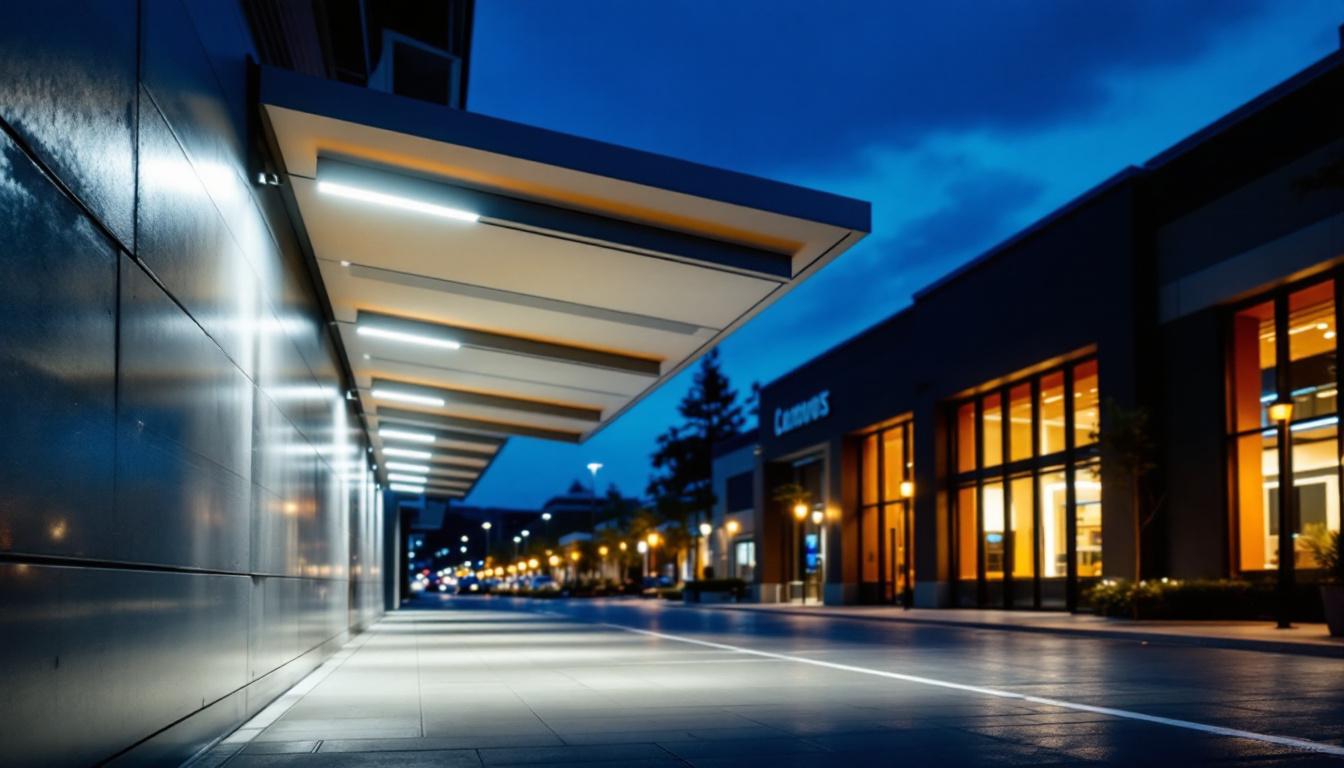
LED canopy lighting has become a staple in commercial and industrial outdoor lighting, especially for areas like gas stations, parking garages, and walkways. These fixtures are designed to be mounted on ceilings or overhangs, providing bright, uniform illumination that enhances safety and visibility. For lighting contractors, understanding the nuances of LED canopy lighting is essential to delivering effective, energy-efficient solutions that meet client expectations.
One of the most compelling reasons to recommend LED canopy lighting is its energy efficiency. Compared to traditional HID or fluorescent canopy lights, LEDs consume significantly less power while delivering equal or better illumination. This translates to substantial cost savings for clients over the lifecycle of the fixture. Additionally, LEDs have a longer lifespan, often exceeding 50,000 hours, which reduces maintenance frequency and associated labor costs—a key selling point for commercial property owners.
Beyond energy savings, LED canopy fixtures offer superior light quality. They provide consistent color temperature and excellent color rendering, which improves visibility and safety in outdoor spaces. This is particularly important in environments where clear visibility can prevent accidents or deter criminal activity. For lighting contractors, specifying fixtures with the right color temperature—typically between 4000K and 5000K—ensures a balance between brightness and comfort.
Another significant advantage of LED canopy lighting is its environmental impact. With a lower carbon footprint compared to traditional lighting options, LED fixtures contribute to sustainability goals that many businesses are striving to achieve. The reduced energy consumption not only lowers utility bills but also lessens the demand on power plants, which can lead to a decrease in greenhouse gas emissions. Furthermore, LEDs do not contain harmful materials like mercury, making them a safer choice for both the environment and public health.
Moreover, LED canopy lights are highly versatile and can be integrated with smart lighting systems. This allows for features such as motion sensors, dimming capabilities, and remote control, which can enhance energy savings even further. For instance, in a parking garage, lights can be programmed to dim when no motion is detected, ensuring that energy is only used when necessary. This level of adaptability makes LED canopy lighting not just a practical choice, but also an innovative solution that aligns with the growing trend of smart building technologies.
Key Technical Considerations for Installation
Fixture Selection and Mounting Options
Choosing the right LED canopy fixture depends on several factors, including the mounting height, canopy size, and lighting requirements of the space. Fixtures come in various wattages and lumen outputs, so contractors must evaluate the area’s dimensions and desired illumination levels before making a selection. For example, a gas station canopy with a low ceiling height might require lower wattage fixtures with wide beam angles to avoid glare and hotspots. Additionally, the color temperature of the fixtures plays a crucial role in creating the right ambiance; warmer tones may be preferred for hospitality venues, while cooler tones are often used in retail environments to enhance product visibility.
Mounting options include surface mount, recessed mount, or pendant mount configurations. Surface mounting is the most common and straightforward method, but recessed mounting can provide a cleaner aesthetic, especially in modern commercial spaces. Pendant mounts are useful when the canopy is very high or when specific lighting angles are needed. Proper mounting ensures optimal light distribution and fixture longevity. It is also essential to consider the alignment of fixtures to minimize shadows and maximize the effectiveness of the lighting design. For instance, staggered placements can enhance coverage and create a more uniform light distribution across the entire area.
Electrical and Environmental Factors
LED canopy fixtures must be compatible with the existing electrical infrastructure. Contractors should verify voltage requirements and ensure that the power supply can handle the load. Many LED canopy lights operate on standard 120-277V, but some models support 347-480V for industrial applications. Additionally, integrating dimming controls or smart lighting systems can offer clients greater flexibility and energy savings. The use of motion sensors can further enhance energy efficiency by ensuring that lights are only activated when the area is occupied, which is particularly beneficial in low-traffic locations.
Environmental considerations are equally important. Canopy lighting is exposed to weather elements, so fixtures should have appropriate ingress protection (IP) ratings—usually IP65 or higher—to resist dust and water intrusion. Contractors should also select fixtures with robust housings made from corrosion-resistant materials, such as die-cast aluminum, to withstand harsh outdoor conditions and extend service life. Furthermore, it’s advisable to consider the thermal management of the fixtures; effective heat dissipation is crucial for maintaining performance and longevity, especially in areas with high ambient temperatures. This can be achieved through the use of heat sinks or by ensuring adequate airflow around the fixtures, thereby preventing overheating and premature failure.
Installation Best Practices and Safety Protocols
Proper installation is critical to the performance and safety of LED canopy lighting systems. Lighting contractors must follow manufacturer guidelines meticulously, especially regarding mounting hardware and wiring methods. Using the correct anchors and ensuring secure attachment prevents fixture damage or hazards caused by falling equipment. Moreover, understanding the specific environmental conditions of the installation site, such as wind load and seismic activity, can further enhance the stability and longevity of the lighting system. For instance, in areas prone to high winds, additional bracing or specialized mounting techniques may be necessary to ensure that the fixtures remain securely in place.
Electrical safety cannot be overstated. Before installation, power should be fully disconnected, and contractors must use appropriate personal protective equipment (PPE). Grounding the fixtures correctly is essential to prevent electrical shocks or damage from surges. Additionally, verifying that all connections are weatherproofed protects against moisture-related failures. It’s also advisable to conduct a thorough inspection of the existing electrical infrastructure to identify any potential issues, such as frayed wires or outdated circuit breakers, which could compromise the safety and efficiency of the new lighting system. Implementing a lockout/tagout procedure during installation can further safeguard against accidental power restoration, ensuring that all personnel remain safe throughout the process.
Testing the lighting system after installation is a crucial step. This includes checking for consistent illumination, verifying that controls function as intended, and ensuring no flickering or dimming issues. Documenting the installation process and test results provides clients with confidence in the system’s reliability. Furthermore, it is beneficial to educate clients on the maintenance of their new lighting system, including regular checks for debris accumulation and the importance of keeping sensors and lenses clean for optimal performance. Offering a follow-up service or maintenance schedule can also enhance customer satisfaction and extend the lifespan of the lighting system, ensuring it continues to operate at peak efficiency for years to come.
Common Challenges and How to Overcome Them
Glare and Light Pollution
One of the frequent challenges with canopy lighting is managing glare, which can cause discomfort or impair visibility. LED fixtures with poorly designed optics or incorrect placement can create harsh shadows or bright spots. Contractors should specify fixtures with well-engineered lenses or diffusers that distribute light evenly and reduce glare.
Light pollution is another concern, especially in urban or residential areas. Excessive upward or sideways light spill can disturb neighbors and violate local lighting ordinances. Using full cutoff or shielded fixtures helps direct light downward, minimizing unwanted spill and improving overall lighting efficiency.
Compatibility with Existing Systems
Retrofitting LED canopy lights into older installations can present compatibility issues. For instance, existing wiring or control systems may not support LED technology without upgrades. Contractors should assess the entire electrical setup and recommend necessary modifications, such as installing compatible drivers or controls, to ensure seamless integration.
Another potential hurdle is matching the light output and color temperature of new LEDs to existing fixtures in partial retrofits. Inconsistent lighting can appear patchy and unprofessional. Careful planning and, if possible, full system upgrades can mitigate these issues.
Emerging Trends in LED Canopy Lighting
Advancements in LED technology continue to enhance canopy lighting options. Smart lighting controls, including motion sensors and daylight harvesting, are becoming more prevalent. These features allow lights to dim or turn off when areas are unoccupied, further reducing energy consumption and operational costs.
Integration with building management systems (BMS) is another growing trend. Contractors who can install and configure these systems add value by enabling clients to monitor and adjust lighting remotely, schedule maintenance, and analyze energy usage data.
Finally, sustainability is driving innovation in LED canopy lighting. Fixtures with recyclable materials and designs that facilitate easy replacement of components align with green building certifications and corporate responsibility goals. Contractors familiar with these options can position themselves as leaders in sustainable lighting solutions.
Conclusion: Delivering Value Through Expertise
LED canopy lighting offers significant benefits in energy efficiency, durability, and light quality. For lighting contractors, mastering the technical aspects and installation best practices is essential to delivering reliable, high-performance lighting solutions. Understanding client needs, local regulations, and emerging technologies ensures that contractors can recommend and implement systems that maximize value and satisfaction.
By addressing common challenges proactively and staying informed about industry trends, lighting contractors not only enhance their reputation but also contribute to safer, more sustainable outdoor environments. LED canopy lighting is more than just a fixture-it’s a critical component of modern commercial and industrial lighting strategies.
Get Your LED Canopy Lighting Supplies at LumenWholesale
Ready to elevate your lighting projects with the efficiency and quality of LED canopy lighting? Look no further than LumenWholesale for all your lighting needs. We provide contractors with superior, specification-grade lighting products at unbeatable wholesale prices. Our extensive selection is designed to meet the highest industry standards, ensuring that you deliver reliable, high-performance lighting solutions every time. Plus, with free shipping on bulk orders, you can enjoy premium lighting solutions at the best value — without any hidden fees or compromises. Don’t miss out on the perfect blend of quality, affordability, and convenience. Visit LumenWholesale today and experience the best in wholesale lighting at the best value.