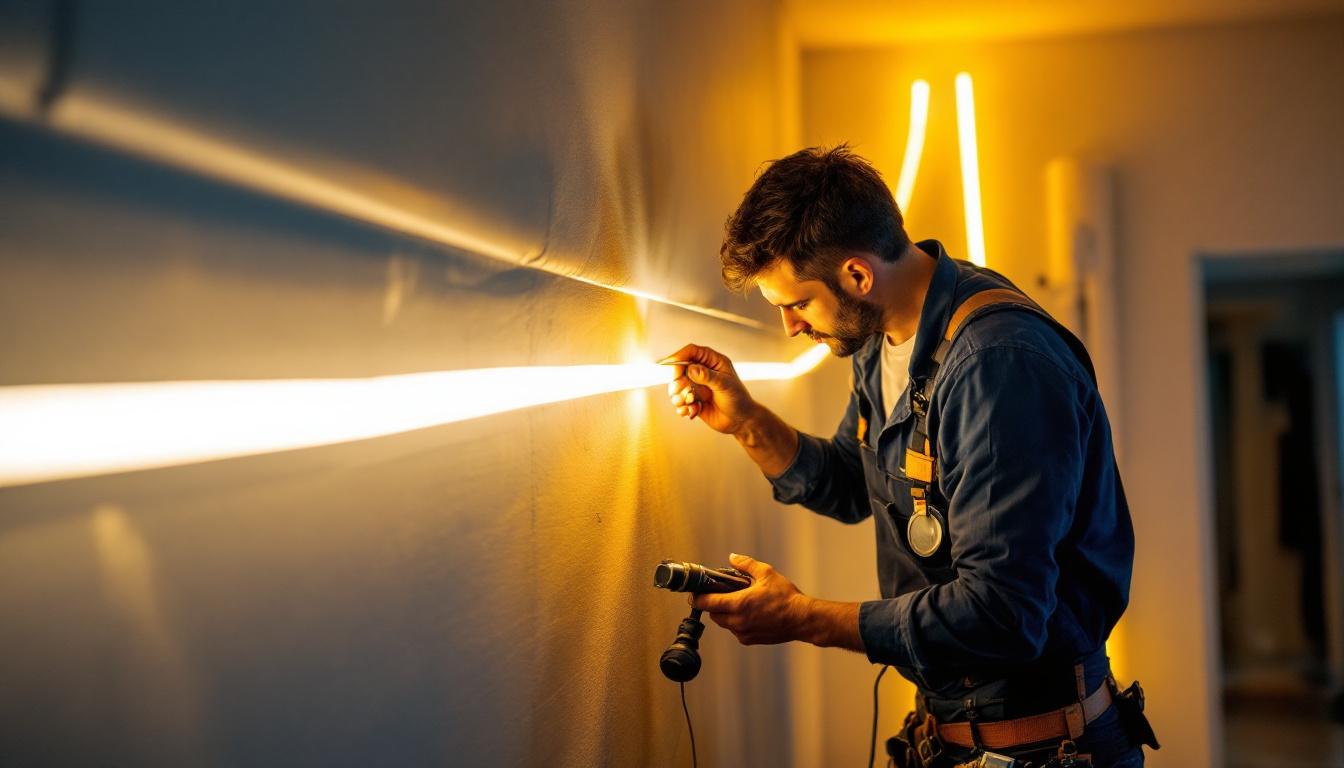
LED Lights Tape: Avoid These Mistakes, A Guide for Lighting Contractors
In the rapidly evolving world of lighting solutions, LED tape lights have emerged as a popular choice for both residential and commercial projects. Their versatility, energy efficiency, and ease of installation make them an attractive option for lighting contractors. However, despite their advantages, there are common pitfalls that can lead to subpar installations and dissatisfied clients. This guide aims to highlight these mistakes and provide actionable insights to help lighting contractors achieve optimal results with LED tape lights.
Understanding LED Tape Lights
Before delving into the common mistakes associated with LED tape lights, it’s essential to understand what they are and how they function. LED tape lights, also known as LED strip lights, are flexible circuit boards populated with light-emitting diodes (LEDs). They come in various lengths and can be cut to fit specific applications, making them incredibly versatile.
These lights are typically available in different color temperatures and brightness levels, allowing contractors to tailor their installations to meet client preferences. Additionally, LED tape lights can be used for a wide range of applications, from accent lighting in homes to comprehensive lighting solutions in commercial spaces.
Benefits of LED Tape Lights
One of the most significant advantages of LED tape lights is their energy efficiency. Compared to traditional incandescent or fluorescent lighting, LED tape lights consume significantly less power, leading to substantial savings on energy bills. Furthermore, they have a longer lifespan, reducing the frequency of replacements and maintenance costs.
Another benefit is their aesthetic appeal. LED tape lights can be installed in various locations, including under cabinets, along staircases, or even in coves, creating a modern and stylish ambiance. Their flexibility allows for creative designs that can enhance the overall look of a space.
Common Mistakes to Avoid
Despite the advantages of LED tape lights, contractors often make mistakes during installation and selection that can compromise the effectiveness of the lighting solution. Below are some common pitfalls to avoid.
1. Inadequate Planning and Measurement
One of the most critical steps in any lighting project is proper planning and measurement. Failing to accurately measure the installation area can lead to purchasing insufficient or excessive lengths of LED tape lights. This not only wastes resources but can also delay project completion.
Contractors should take the time to measure the dimensions of the space where the LED tape lights will be installed. It is advisable to create a detailed plan that outlines where the lights will be placed, ensuring that the right amount of tape is purchased. This planning phase should also consider the power supply and control options.
2. Ignoring Power Requirements
Another common mistake is neglecting the power requirements of LED tape lights. Each LED strip has specific voltage and wattage ratings that must be adhered to for optimal performance. Using an incorrect power supply can result in dim lighting or, worse, damage to the LED strips.
Contractors should always check the specifications of the LED tape lights being used and match them with an appropriate power supply. It’s also essential to consider the total wattage of the strips being installed to avoid overloading the circuit. Always err on the side of caution and consult manufacturer guidelines for power requirements.
3. Poor Adhesive Application
LED tape lights typically come with an adhesive backing for easy installation. However, improper application of this adhesive can lead to the lights peeling off or not adhering properly to surfaces. This can result in a messy appearance and may require additional time and resources to rectify.
To ensure proper adhesion, contractors should clean the surface where the tape will be applied thoroughly. Dust, grease, and moisture can all impede the adhesive’s effectiveness. Additionally, it’s important to apply pressure evenly along the length of the tape during installation to secure it firmly in place.
Choosing the Right LED Tape Lights
Not all LED tape lights are created equal, and selecting the wrong type can lead to disappointing results. Understanding the various options available can help contractors make informed decisions that align with their clients’ needs.
1. Color Temperature Selection
LED tape lights come in various color temperatures, ranging from warm white to cool white and even RGB options. Choosing the wrong color temperature can significantly affect the ambiance of a space. For instance, warm white is often preferred for residential settings to create a cozy atmosphere, while cool white may be more suitable for commercial environments that require a brighter, more energetic feel.
Contractors should consult with their clients to determine the desired mood and purpose of the lighting before making a selection. Providing samples or demonstrating different color temperatures can also help clients visualize the final result.
2. Brightness Levels
Brightness is another critical factor when selecting LED tape lights. The brightness of LED strips is measured in lumens, and different applications may require varying levels of brightness. For example, task lighting in a kitchen may require brighter strips compared to accent lighting in a living room.
Contractors should assess the specific needs of each project and choose LED tape lights that provide the appropriate brightness. It’s also worth noting that dimmable options are available, allowing clients to adjust the brightness according to their preferences.
3. Quality of the Product
Not all LED tape lights are manufactured to the same standards. Low-quality products may have shorter lifespans, inconsistent brightness, or inadequate color rendering. Investing in high-quality LED tape lights can save contractors and their clients money in the long run by reducing the need for replacements and repairs.
When selecting products, contractors should consider reputable brands known for their quality and reliability. Reading reviews and seeking recommendations from industry peers can also help in making informed choices.
Installation Techniques for Success
Proper installation techniques are crucial for ensuring that LED tape lights perform optimally and look aesthetically pleasing. Below are some best practices that contractors should follow during installation.
1. Use Proper Tools
Having the right tools on hand can make a significant difference in the installation process. Basic tools such as scissors for cutting the tape, a ruler for measuring, and a level for alignment are essential. Additionally, a soldering iron may be necessary for connecting multiple strips or making custom lengths.
Investing in quality tools not only enhances efficiency but also ensures that the installation is executed to a high standard. Contractors should also familiarize themselves with the specific requirements of the LED tape lights they are using, as some may require specialized tools for installation.
2. Follow Manufacturer Instructions
Each LED tape light product comes with specific installation instructions provided by the manufacturer. These guidelines should be followed closely to avoid issues down the line. This includes recommendations for cutting the tape, connecting power supplies, and ensuring proper ventilation.
Contractors should take the time to read through these instructions before beginning the installation process. If any uncertainties arise, reaching out to the manufacturer for clarification can prevent costly mistakes.
3. Test Before Finalizing Installation
Before permanently affixing the LED tape lights, it is advisable to test them to ensure they are functioning correctly. This step allows contractors to identify any issues with the lights or power supply before committing to the installation.
Testing the lights can also provide an opportunity to make adjustments to the layout if necessary, ensuring that the final result meets the client’s expectations. Once satisfied with the setup, the lights can be securely installed, and any necessary finishing touches can be applied.
Maintaining LED Tape Lights
Proper maintenance is essential for ensuring the longevity and performance of LED tape lights. Contractors should educate their clients on how to care for their lighting installations to maximize their lifespan.
1. Regular Cleaning
Dust and dirt can accumulate on LED tape lights, affecting their brightness and overall appearance. Regular cleaning is necessary to maintain optimal performance. Contractors should recommend using a soft, dry cloth to wipe down the lights periodically, avoiding harsh chemicals that could damage the adhesive or the LED components.
In addition to cleaning the lights themselves, it’s also important to ensure that the surrounding areas are kept tidy. This not only enhances the aesthetic appeal but also prevents any obstructions that could interfere with the lighting.
2. Monitoring for Damage
Clients should be advised to monitor their LED tape lights for any signs of damage, such as flickering or dimming. These issues can indicate problems with the power supply or the LED strips themselves. Prompt attention to these issues can prevent further damage and ensure that the lighting remains effective.
Contractors should also offer to perform periodic inspections of the installations, particularly for commercial clients, to ensure that everything is functioning as intended. This proactive approach can build trust and demonstrate a commitment to quality service.
3. Upgrading Components
As technology advances, there may be opportunities to upgrade components of LED tape light installations. For example, newer models may offer improved energy efficiency or enhanced color rendering capabilities. Contractors should stay informed about the latest developments in LED technology and suggest upgrades to clients when appropriate.
By keeping installations current, contractors can help clients enjoy the benefits of the latest advancements in lighting technology, enhancing their overall satisfaction with the installation.
Conclusion
LED tape lights present a wealth of opportunities for lighting contractors to create stunning and efficient lighting solutions. However, avoiding common mistakes during the selection and installation process is crucial for achieving the best results. By understanding the nuances of LED tape lights, planning meticulously, and adhering to best practices, contractors can ensure that their projects meet and exceed client expectations.
Ultimately, the goal is to provide clients with lighting solutions that are not only functional but also enhance the beauty and ambiance of their spaces. By avoiding the pitfalls outlined in this guide, lighting contractors can position themselves as experts in the field, fostering long-term relationships with clients and ensuring the success of their projects.
Get Your Premium LED Tape Lights at LumenWholesale
Ready to elevate your lighting projects with the highest quality LED tape lights? Look no further than LumenWholesale, where we provide lighting contractors with spec-grade lighting products at unbeatable wholesale prices. Say goodbye to local distributor markups and hello to superior lighting solutions that meet the highest industry standards. With LumenWholesale, bulk buying is a breeze, and with free shipping, you’re guaranteed premium lighting at the best value — all without hidden fees or compromises. Enhance your lighting installations today and experience the best in wholesale lighting with the convenience and affordability that only LumenWholesale can offer.