Introduction to Lower Outlets in Lighting Installations
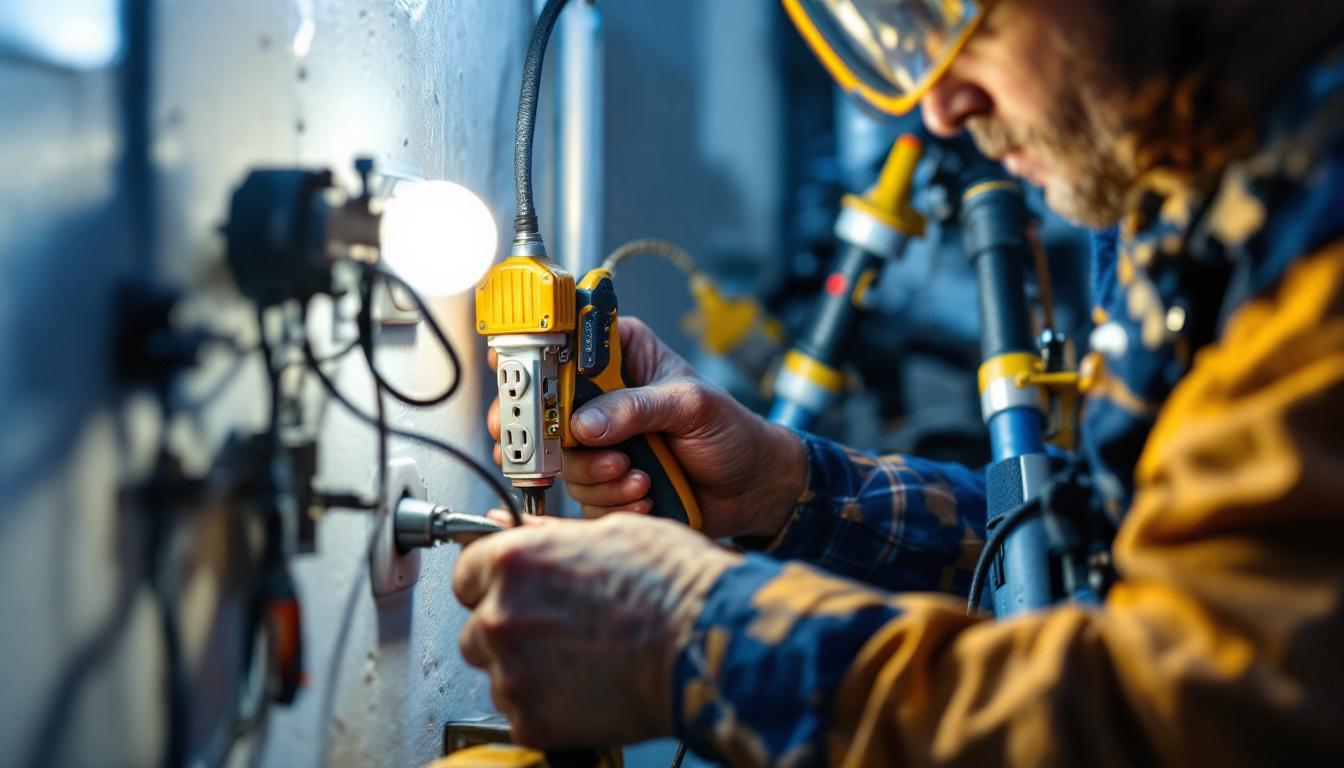
In the lighting industry, the term “lower outlet” often refers to electrical outlets or junction boxes positioned closer to the floor or at a lower height than traditional outlets. For lighting contractors, understanding the implications of installing lower outlets is essential for both residential and commercial projects. These outlets can influence the aesthetics, functionality, safety, and overall installation complexity of lighting systems.
As lighting technology evolves and building codes become more stringent, contractors must weigh the benefits and drawbacks of using lower outlets. This article explores the pros and cons of lower outlets to help lighting contractors make informed decisions that align with client needs, regulatory requirements, and industry best practices.
One significant advantage of lower outlets is their accessibility. For individuals with mobility challenges or disabilities, lower outlets can provide easier access to power sources for lighting controls, ensuring that everyone can enjoy the benefits of well-lit spaces. Additionally, these outlets can facilitate the use of innovative lighting solutions, such as floor lamps or plug-in wall sconces, which can enhance the overall design and functionality of a room. By strategically placing lower outlets, contractors can create a more inclusive environment that caters to a wider range of users.
On the flip side, the installation of lower outlets may pose certain challenges. For instance, they can be more susceptible to damage from furniture or foot traffic, leading to potential safety hazards or increased maintenance costs. Furthermore, lower outlets may require additional planning to ensure that they comply with local building codes and electrical standards. Contractors must also consider the impact of lower outlets on overall room aesthetics, as visible wiring or bulky junction boxes can detract from a clean and polished look. Balancing these factors is crucial for successful lighting installations that meet both functional and aesthetic goals.
Advantages of Installing Lower Outlets
Enhanced Accessibility and Convenience
One of the primary benefits of lower outlets is improved accessibility. For environments such as homes with elderly residents, commercial spaces designed with accessibility in mind, or areas where floor lamps and low-height lighting fixtures are common, outlets positioned closer to the floor make it easier to plug in devices without requiring excessive bending or reaching.
In addition, lower outlets can be strategically placed to accommodate specific lighting needs, such as powering under-cabinet lights, floor lamps, or decorative lighting fixtures that are designed to be near the floor. This tailored approach can enhance user experience and functionality. For instance, in a kitchen, having outlets installed beneath cabinets allows for a seamless look while providing easy access for appliances like blenders or toasters, which are often used on countertops. This not only improves convenience but also keeps countertops free of clutter, promoting a more organized and efficient workspace.
Improved Aesthetic Integration
Lower outlets can contribute to a cleaner and more streamlined aesthetic, particularly in modern or minimalist design schemes. By placing outlets near the floor and often behind furniture or baseboards, the visual clutter of electrical outlets is minimized. This can be especially valuable in high-end residential or commercial projects where design integrity is paramount.
Lighting contractors can work closely with interior designers and architects to ensure that lower outlets complement the overall design, maintaining the balance between utility and visual appeal. Moreover, the integration of lower outlets can be further enhanced by using decorative outlet covers that match the surrounding decor, allowing them to blend seamlessly into the environment. This thoughtful approach to design not only elevates the overall aesthetic but also reflects a commitment to quality and attention to detail, which can be a significant selling point for prospective buyers or clients.
Compliance with Specific Building Codes and Standards
In some jurisdictions, building codes or accessibility standards such as the Americans with Disabilities Act (ADA) recommend or require outlets to be installed at certain heights to accommodate all users. Lower outlets can help ensure compliance with these regulations, reducing the risk of costly modifications or penalties during inspections.
Lighting contractors who stay informed about local code requirements can leverage lower outlets as a proactive solution to meet or exceed regulatory expectations, thereby enhancing their professional reputation and client trust. Additionally, by advocating for lower outlet installations, contractors can play a vital role in promoting inclusivity in design, ensuring that spaces are accessible to individuals with mobility challenges. This commitment to accessibility not only fulfills legal obligations but also fosters a sense of community and belonging, making spaces more welcoming for everyone.
Challenges and Drawbacks of Lower Outlets
Potential Safety Concerns
While lower outlets offer accessibility advantages, they can also present safety challenges. Outlets positioned near the floor are more susceptible to damage from water spills, cleaning activities, or physical impacts. This is particularly critical in areas prone to moisture, such as kitchens, bathrooms, or basements, where the risk of electrical hazards increases.
Lighting contractors must ensure that lower outlets installed in such environments are equipped with appropriate protective features, such as Ground Fault Circuit Interrupters (GFCIs) or weather-resistant covers, to mitigate these risks. Additionally, it is essential for homeowners and businesses to educate their occupants about the potential hazards associated with lower outlets, especially in high-traffic areas. Simple practices, such as keeping the area around the outlet clear of obstructions and ensuring that spills are promptly cleaned, can significantly reduce the risk of accidents.
Increased Installation Complexity and Cost
Installing outlets at lower heights can sometimes complicate the wiring process. Depending on the building’s structure, contractors might need to navigate around obstacles like floor joists, plumbing, or HVAC systems, which can increase labor time and material costs.
Additionally, retrofitting lower outlets in existing buildings often requires more invasive work, such as cutting into walls or floors, which can disrupt other trades and extend project timelines. Lighting contractors must factor these complexities into project bids and schedules to maintain profitability and client satisfaction. Moreover, the need for additional labor can lead to increased costs for the client, who may not have initially budgeted for such extensive modifications. This necessitates clear communication between contractors and clients to ensure that all parties are aligned on expectations and financial implications.
Limitations on Outlet Usage and Placement
Lower outlets may not be suitable for all lighting applications. For example, ceiling-mounted or high-wall lighting fixtures typically require power sources positioned higher on the wall or near the ceiling. Relying solely on lower outlets can limit flexibility in fixture placement and design options.
Furthermore, in commercial environments with heavy foot traffic, lower outlets can be at risk of accidental damage or obstruction, which may affect ongoing maintenance and functionality. In addition to physical damage, lower outlets can also pose aesthetic challenges. For instance, the visibility of cords and plugs can detract from the overall design of a space, leading designers to seek alternative solutions that may not align with the practicality of lower outlet installations. As such, careful planning and consideration of both functionality and design are crucial when determining the placement of electrical outlets in any setting.
Best Practices for Lighting Contractors When Working with Lower Outlets
Thorough Planning and Coordination
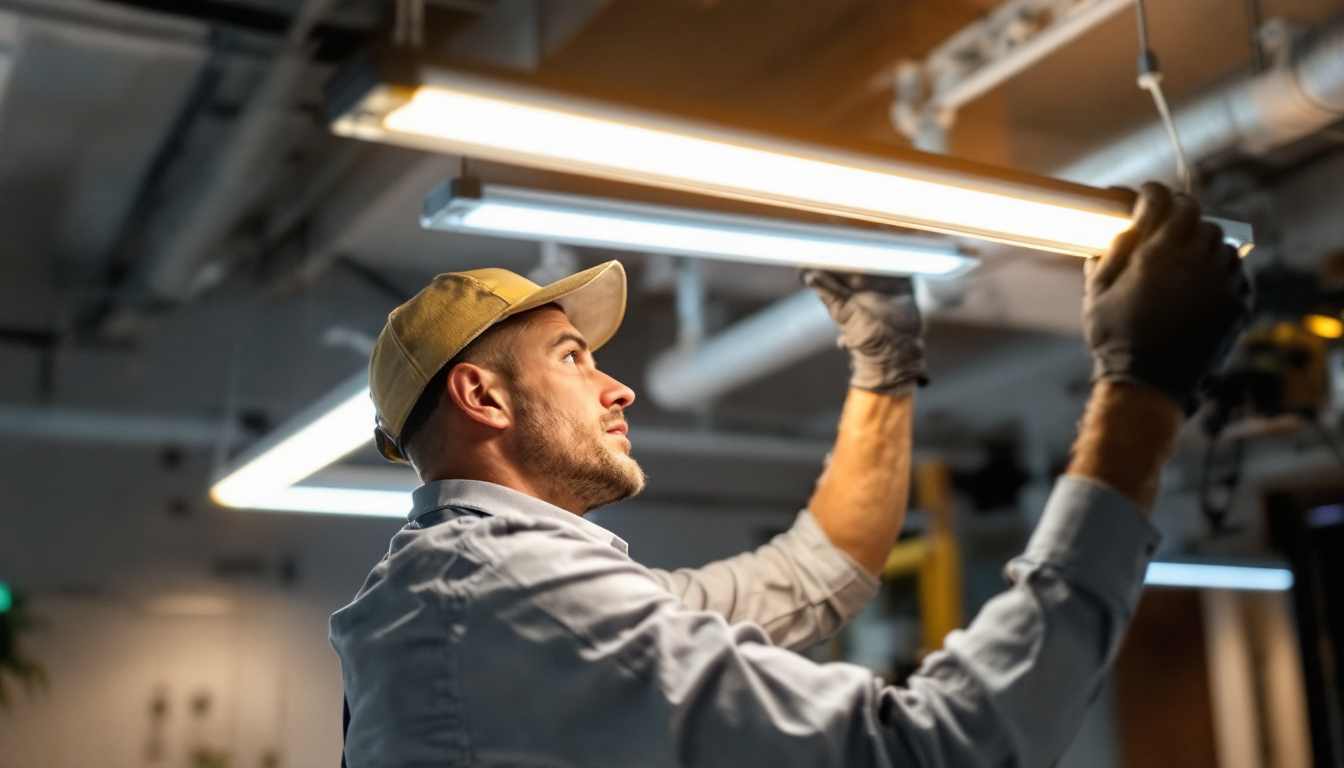
Effective planning is crucial when integrating lower outlets into lighting projects. Contractors should collaborate closely with electricians, architects, and interior designers early in the design phase to determine optimal outlet locations that balance accessibility, aesthetics, and safety.
This coordination helps avoid costly changes later and ensures that outlet placement supports the intended lighting design and user experience.
Adherence to Safety Standards and Use of Protective Devices
Ensuring safety is paramount when installing lower outlets. Lighting contractors should always use outlets with built-in safety features like GFCIs in moisture-prone areas and install protective covers to prevent debris or liquids from entering the outlet.
Regular training on updated electrical codes and safety protocols can help contractors maintain high standards and reduce liability risks associated with improper outlet installations.
Client Education and Transparent Communication
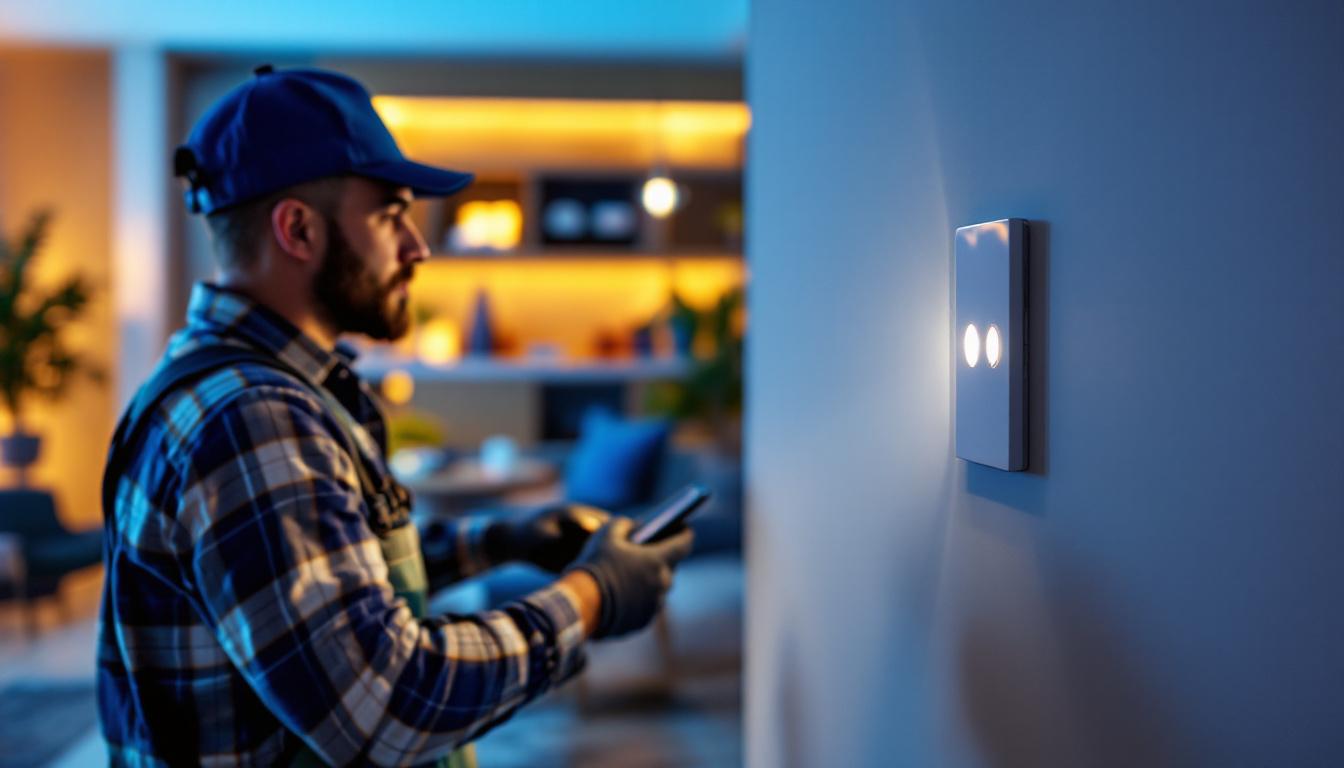
Clients may not always understand the implications of outlet placement on lighting functionality and safety. Lighting contractors should take the time to explain the pros and cons of lower outlets, providing clear recommendations based on the client’s specific needs and the project’s context.
Transparent communication fosters trust and helps clients make informed decisions, ultimately leading to higher satisfaction and fewer post-installation issues.
Case Studies and Industry Insights
Residential Lighting Project: Balancing Design and Accessibility
In a recent upscale residential project, a lighting contractor successfully integrated lower outlets to accommodate floor lamps and decorative lighting near seating areas. By working closely with the interior designer, the contractor ensured that the outlets were discreetly placed behind furniture and included child-safe covers for added protection.
This approach enhanced both the functionality and aesthetics of the living space, demonstrating how lower outlets can be a valuable addition when carefully planned.
Commercial Office Installation: Navigating Code Compliance
For a commercial office building, the contractor faced stringent ADA requirements for outlet placement to ensure accessibility for all employees. Installing lower outlets in conference rooms and workstations allowed the lighting system to meet these standards while providing convenient power sources for task lighting.
The contractor also incorporated GFCI outlets in areas near sinks and break rooms, addressing safety concerns without compromising design or usability.
Conclusion: Weighing the Pros and Cons for Optimal Outcomes
Lower outlets present both opportunities and challenges for lighting contractors. Their advantages in accessibility, aesthetics, and code compliance make them a valuable tool in many lighting projects. However, potential safety risks, increased installation complexity, and limitations in outlet usage require careful consideration.
By adopting best practices such as thorough planning, adherence to safety standards, and clear client communication, lighting contractors can effectively leverage lower outlets to enhance their projects. Ultimately, understanding when and how to use lower outlets ensures that lighting installations are both functional and visually appealing, meeting the diverse needs of clients and regulatory bodies alike.
Discover Unmatched Lighting Solutions with LumenWholesale
Ready to elevate your lighting installations with the best products on the market? Look no further than LumenWholesale for all your lighting needs. Our extensive selection of spec-grade lighting products is designed to meet the highest industry standards, ensuring you deliver reliable and high-performance lighting for every project. With unbeatable wholesale prices and the convenience of free shipping on bulk orders, you can provide your clients with the accessibility and aesthetic appeal of lower outlets without breaking the bank. Explore our collection now and experience the best value in wholesale lighting.