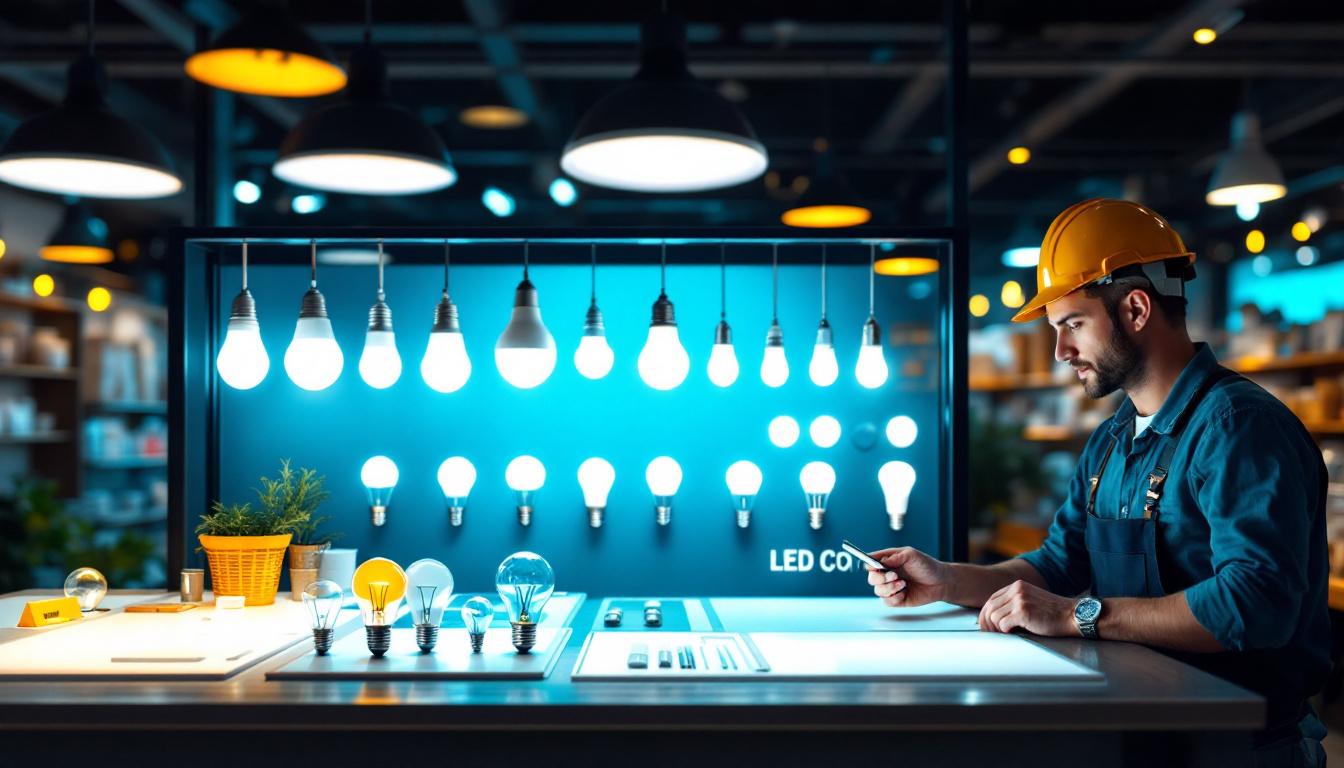
The Origins of the Light Bulb: A Revolution in Illumination
The invention of the light bulb marked a pivotal moment in human history, transforming the way people illuminate their homes, workplaces, and public spaces. While many associate the light bulb with a single inventor, its development was the result of cumulative efforts by several pioneers in the late 19th century. Early experiments with electric lighting date back to the early 1800s, but it was the refinement of a practical, long-lasting incandescent bulb that truly revolutionized lighting.
This breakthrough replaced traditional sources such as gas lamps and candles, which were less efficient, more hazardous, and limited in their application. The light bulb’s introduction enabled extended working hours, improved safety, and enhanced quality of life. For lighting contractors, understanding this historical context is essential, as it underscores the evolution of lighting technology and the ongoing drive toward efficiency and innovation.
Key Figures and Technological Milestones
The journey to the modern light bulb involved multiple inventors who contributed critical advancements. Early prototypes demonstrated the feasibility of electric lighting but suffered from short lifespans and inefficiency. The development of a carbon filament and the creation of a vacuum inside the bulb were crucial steps that extended bulb life and brightness.
These innovations laid the groundwork for widespread adoption, setting the stage for further improvements such as tungsten filaments and the eventual transition to more energy-efficient lighting technologies. For contractors, recognizing these milestones helps appreciate the complexity and ingenuity behind the tools they work with daily. Additionally, the light bulb’s impact extended beyond mere illumination; it sparked a cultural shift, inspiring new forms of entertainment and social gatherings that thrived in well-lit environments. Theatres, cafes, and public squares began to flourish after dark, creating vibrant nighttime economies and changing the rhythm of daily life.
Moreover, the light bulb’s influence permeated various industries, leading to advancements in electrical engineering and manufacturing processes. The demand for reliable lighting spurred innovations in electrical infrastructure, including the development of power generation and distribution systems. This interconnectedness of technology not only facilitated the growth of urban centers but also laid the foundation for the modern electrical grid we rely on today. Understanding these broader implications is vital for lighting contractors, as it highlights the importance of their role in maintaining and evolving the systems that support contemporary society.
How the Light Bulb Transformed the Lighting Industry
Before the light bulb, lighting contractors primarily dealt with gas fixtures, oil lamps, and early electrical systems that were cumbersome and limited in scope. The advent of the incandescent bulb simplified installation and maintenance while providing a safer and more reliable source of light.
This transformation expanded the role of lighting contractors from mere installers to critical advisors in lighting design and energy management. The light bulb’s invention catalyzed the growth of electrical infrastructure, enabling contractors to integrate lighting solutions into broader electrical systems.
Impact on Installation and Maintenance Practices
With incandescent bulbs, lighting contractors could offer clients more consistent and controllable lighting options. The bulbs were easier to replace and required less frequent maintenance than previous lighting methods. This shift improved operational efficiency and reduced downtime for clients, enhancing contractor reputation and service quality.
Moreover, the standardization of bulb sockets and voltage requirements streamlined inventory management and installation processes. Contractors could stock a range of bulbs suitable for various applications, from residential to commercial settings, increasing their versatility and market reach.
The introduction of the light bulb also spurred innovation in lighting design. Contractors began to explore different lighting styles and fixtures, leading to the development of decorative lamps and elaborate chandeliers that not only illuminated spaces but also served as focal points in interior design. This creative evolution allowed contractors to collaborate closely with architects and designers, further solidifying their role as essential partners in the construction and renovation processes.
Additionally, the rise of the light bulb paved the way for advancements in energy efficiency. As technology progressed, lighting contractors began to embrace newer options such as fluorescent and LED bulbs, which offered even greater longevity and lower energy consumption. This shift not only benefited the environment but also allowed contractors to provide cost-saving solutions to their clients, reinforcing their value in an increasingly eco-conscious market.
Advancements in Lighting Efficiency: From Incandescent to LED
While the incandescent bulb was a major leap forward, its energy consumption and heat generation presented challenges. Lighting contractors have witnessed a continuous evolution toward more efficient technologies, culminating in the widespread adoption of light-emitting diode (LED) lighting. The transition has not only revolutionized the way we illuminate our spaces but has also sparked a broader conversation about energy conservation and sustainability in the construction and design industries.
LEDs offer significant advantages over traditional bulbs, including longer lifespan, lower energy usage, and reduced heat output. These benefits translate directly into cost savings and improved sustainability for clients, positioning contractors as key players in energy-efficient lighting solutions. Moreover, the versatility of LED technology allows for a wide range of applications, from residential to commercial and industrial settings, enabling contractors to tailor solutions to meet specific client needs and preferences.
Energy Savings and Environmental Benefits
Lighting accounts for a substantial portion of energy consumption in residential and commercial buildings. Transitioning from incandescent to LED lighting can reduce energy use by up to 80%, according to recent studies. For lighting contractors, promoting LED installations not only meets growing environmental regulations but also appeals to clients seeking to reduce utility costs. This shift is particularly crucial in the context of rising energy prices and the global push for carbon neutrality, making energy-efficient lighting a priority for many businesses and homeowners alike.
Additionally, LEDs contain no hazardous materials like mercury, which is present in some older lighting technologies. This makes disposal safer and aligns with increasing environmental stewardship expectations within the industry. The longevity of LEDs also means fewer replacements, contributing to reduced waste and a smaller carbon footprint over time. As awareness of environmental issues continues to grow, contractors who prioritize sustainable lighting solutions can enhance their reputation and attract a more eco-conscious clientele.
Enhanced Control and Smart Lighting Integration
Modern lighting systems often incorporate smart technologies, allowing for advanced control features such as dimming, scheduling, and remote operation. LEDs are particularly compatible with these innovations, enabling contractors to offer clients customized lighting environments that improve comfort and productivity. The integration of smart technology not only enhances user experience but also provides opportunities for energy monitoring and management, which can lead to further savings and efficiency gains.
Smart lighting also facilitates data collection on energy usage, helping clients optimize their lighting strategies over time. For contractors, this opens new avenues for value-added services and ongoing client engagement beyond initial installation. By providing clients with insights into their energy consumption patterns, contractors can foster a deeper relationship built on trust and expertise, positioning themselves as indispensable partners in the journey toward smarter, more efficient living and working environments. As the technology continues to evolve, the potential for innovation in lighting design and functionality remains vast, promising exciting developments in the years to come.
Practical Implications for Lighting Contractors Today
Understanding the historical evolution of the light bulb and its impact on efficiency equips lighting contractors to better serve their clients. Knowledge of different lighting technologies, their benefits, and limitations enables contractors to recommend solutions tailored to specific project needs.
Moreover, staying informed about emerging trends, such as human-centric lighting and integration with building automation systems, positions contractors as trusted advisors in an increasingly competitive market.
Optimizing Project Outcomes Through Technology Selection
Choosing the right lighting technology involves balancing factors such as initial cost, energy efficiency, maintenance requirements, and aesthetic considerations. Contractors who can navigate these complexities and communicate the long-term value of efficient lighting solutions build stronger client relationships and foster repeat business.
For example, in commercial projects, specifying LED lighting with smart controls can dramatically reduce operational costs and enhance occupant satisfaction. In residential settings, combining efficient bulbs with user-friendly controls improves convenience and energy awareness.
Training and Certification: Staying Ahead in the Industry
As lighting technologies evolve, ongoing education is critical for contractors. Certifications in energy-efficient lighting design and familiarity with the latest codes and standards ensure compliance and quality. Many industry organizations offer training programs that help contractors deepen their expertise and differentiate themselves.
Investing in professional development not only improves technical skills but also enhances credibility with clients and suppliers. This commitment to excellence is increasingly important as lighting projects become more complex and integrated with other building systems.
The Future of Lighting: Innovations Lighting Contractors Should Watch
The light bulb’s invention was just the beginning of a dynamic journey toward smarter, more sustainable lighting. Emerging technologies such as organic LEDs (OLEDs), laser-based lighting, and advanced sensor integration promise to further revolutionize the industry.
Lighting contractors who stay abreast of these developments can anticipate client needs and offer cutting-edge solutions that improve efficiency and user experience.
Human-Centric and Circadian Lighting
Recent research highlights the impact of lighting on human health and well-being. Human-centric lighting adjusts color temperature and intensity throughout the day to support natural circadian rhythms, enhancing mood, productivity, and sleep quality.
Contractors incorporating these principles into their designs can deliver lighting systems that go beyond illumination, contributing to holistic building performance and occupant satisfaction.
Integration with Renewable Energy and Smart Grids
The convergence of lighting with renewable energy sources and smart grid technologies offers new opportunities for efficiency and resilience. Lighting systems can be programmed to respond dynamically to energy availability, reducing demand during peak periods and maximizing the use of clean energy.
For contractors, this integration requires a multidisciplinary approach and collaboration with other building professionals, expanding the scope of their expertise and service offerings.
Conclusion: Embracing the Legacy and Future of Lighting
The invention of the light bulb was a transformative event that reshaped the lighting industry and created new possibilities for lighting contractors. From simplifying installation and maintenance to enabling energy-efficient and smart lighting solutions, the light bulb’s legacy continues to influence the profession profoundly.
By understanding the historical context, technological advancements, and emerging trends, lighting contractors can enhance their efficiency, deliver superior value to clients, and remain competitive in a rapidly evolving market. Embracing innovation while honoring the foundational principles of lighting design ensures a bright future for contractors and the communities they serve.
Illuminate Your Projects with LumenWholesale
As you embrace the legacy and future of lighting, LumenWholesale is here to support your journey. We provide lighting contractors with top-quality, spec-grade lighting products at unbeatable wholesale prices. Our commitment to cutting out the middleman means you get superior lighting products without inflated markups, and our extensive selection meets the highest industry standards. With LumenWholesale, bulk buying is hassle-free, and free shipping ensures you get premium lighting at the best price — without hidden fees or compromises. Elevate your lighting projects and experience the perfect blend of quality, affordability, and convenience. Discover Wholesale Lighting at the Best Value today and light up your world with efficiency and style.