The Enduring Charm of Antique Gas Street Lights
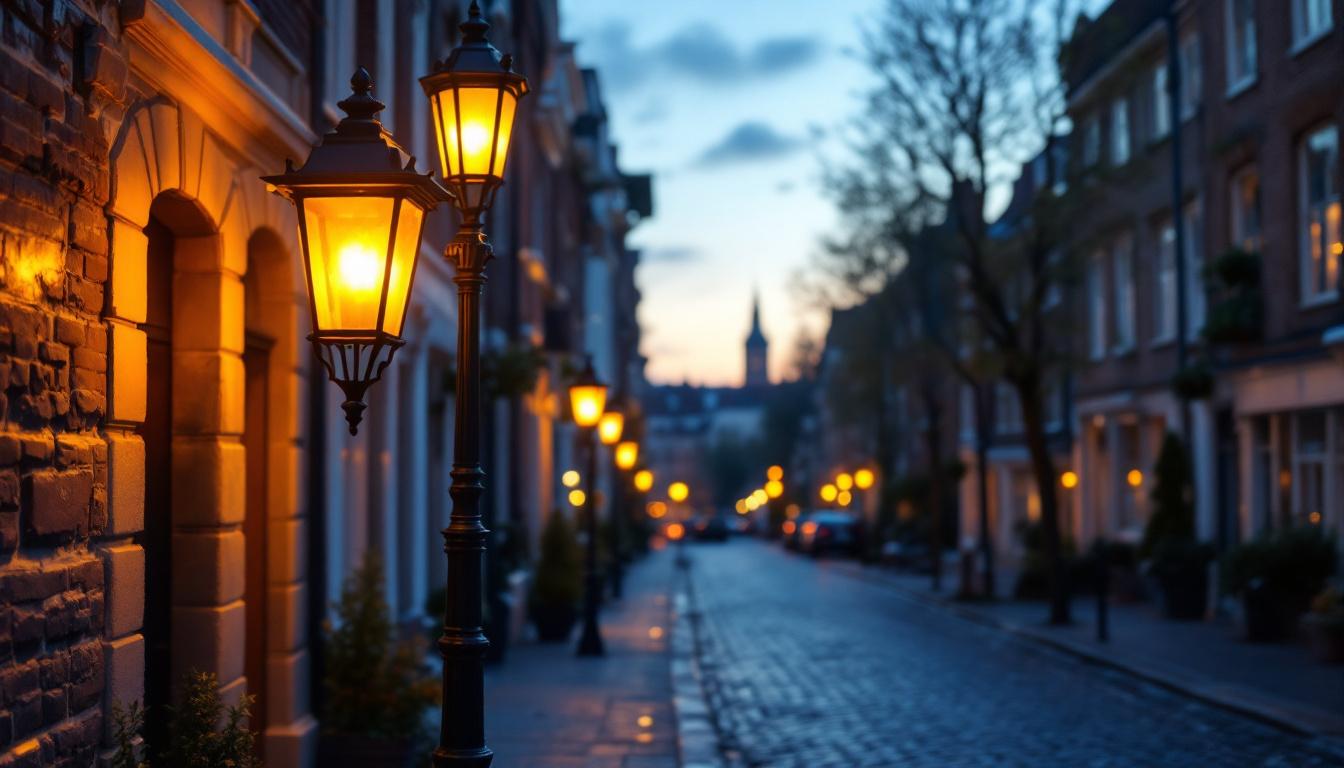
Antique gas street lights evoke a sense of nostalgia and timeless elegance that modern lighting often struggles to replicate. These fixtures, once the hallmark of urban illumination, continue to captivate lighting contractors and urban planners alike due to their distinctive design and historical significance. While their original function relied on gas, many of these lamps have been adapted for contemporary use, blending classic aesthetics with modern technology. The intricate craftsmanship of these lights, often featuring ornate metalwork and glass globes, serves as a testament to the artistry of the past, making them not just sources of light but also conversation pieces that tell stories of bygone eras.
For lighting contractors, understanding the appeal and functionality of antique gas street lights is essential. These fixtures are not only decorative elements but also represent an opportunity to merge heritage with energy efficiency. Incorporating antique designs into modern lighting projects can enhance the ambiance of historic districts, parks, and upscale residential areas while meeting current energy standards. Moreover, the warm glow emitted by these lights creates a welcoming atmosphere that stark white LED lights often fail to achieve. This quality makes them particularly desirable in settings where mood and aesthetic are paramount, such as in romantic city squares or quaint village streets.
Furthermore, the resurgence of interest in sustainable practices has led to innovative adaptations of these vintage fixtures. Many municipalities are now retrofitting antique gas street lights with LED bulbs that mimic the soft, warm light of gas, significantly reducing energy consumption while preserving the historical integrity of the design. This not only helps in lowering carbon footprints but also ensures that the charm of these lights remains intact for future generations to enjoy. The combination of old-world charm and modern efficiency illustrates a growing trend in urban design, where heritage and sustainability coexist harmoniously, enriching the character of our cities.
Historical Context and Design Features
Origins and Evolution
Gas street lighting was a revolutionary development in urban infrastructure, providing safer and more reliable illumination compared to oil lamps and candles. The design of antique gas street lights often features ornate cast iron posts, decorative finials, and glass globes or lanterns that diffuse light softly. These elements were crafted not only for utility but also to contribute to the streetscape’s aesthetic appeal. The introduction of gas lighting in the early 19th century marked a significant shift in urban life, allowing cities to extend their activities into the evening hours, thus fostering a vibrant nightlife and enhancing public safety.
Over time, as electrical lighting became prevalent, many gas lamps were either decommissioned or converted to electric operation. However, the original design principles remain influential, inspiring contemporary fixtures that seek to preserve the charm of yesteryear while embracing modern efficiency. The nostalgia associated with these antique lights often leads to their preservation in historical districts, where they serve as a reminder of the past while still providing functional illumination. In many cities, efforts have been made to restore and maintain these fixtures, allowing residents and visitors alike to appreciate the craftsmanship and historical significance they embody.
Key Design Characteristics
Antique gas street lights typically exhibit several defining features:
- Material Quality: Heavy-duty cast iron or wrought iron for durability and intricate detailing.
- Glass Enclosures: Often hand-blown or molded glass that creates a warm, inviting glow.
- Decorative Elements: Scrollwork, fluted posts, and finials that add artistic value.
- Height and Scale: Designed to provide optimal light distribution for pedestrian and vehicular traffic.
For contractors, these features present both opportunities and challenges when integrating antique fixtures into modern lighting schemes. The challenge lies not only in ensuring that the fixtures meet current safety and efficiency standards but also in maintaining the historical integrity of the design. The process often involves careful restoration techniques that respect the original materials and craftsmanship, ensuring that the lights remain functional while preserving their historical charm. Additionally, the aesthetic appeal of these lights can enhance property values and contribute to a city’s character, making them a desirable feature in urban planning and development.
Moreover, the resurgence of interest in sustainable urban design has led to a renewed appreciation for gas street lighting. As cities look for ways to reduce their carbon footprint, the potential for retrofitting these antique fixtures with modern, energy-efficient gas technologies is being explored. This blend of old and new not only honors the historical significance of gas lighting but also aligns with contemporary values of sustainability, creating a unique dialogue between past and present in urban environments.
Energy Efficiency and Modern Adaptations
Retrofitting Antique Fixtures
One of the primary concerns when working with antique gas street lights is energy efficiency. Original gas lamps are inherently inefficient by today’s standards, consuming fossil fuels and requiring manual maintenance. However, many lighting contractors have successfully retrofitted these fixtures with LED technology, which drastically reduces energy consumption and maintenance costs.
LED retrofitting involves replacing the gas burner or incandescent bulb with an LED module designed to fit within the existing fixture. This approach preserves the exterior appearance while delivering superior performance. LEDs offer benefits such as lower heat output, longer lifespan, and customizable color temperatures that can replicate the warm glow of gas lighting. Furthermore, the retrofitting process is often designed to be reversible, allowing for the restoration of the original gas fixtures if desired in the future, thus maintaining the integrity of historical aesthetics.
Energy Savings and Environmental Impact
Transitioning antique gas street lights to LED technology can reduce energy consumption by up to 80%, a significant improvement that aligns with sustainability goals and regulatory requirements. Additionally, LED lighting eliminates the emissions associated with burning gas, contributing to cleaner urban air quality. This transition not only benefits the environment but also leads to substantial cost savings for municipalities, which can redirect those funds toward other community projects or infrastructure improvements.
For contractors, promoting energy-efficient retrofits can enhance project value and appeal to municipalities and private clients seeking to balance heritage preservation with environmental responsibility. The integration of smart technology into these retrofitted fixtures further enhances their appeal; features such as dimming capabilities, motion sensors, and remote monitoring systems can be incorporated, allowing for even greater energy savings and adaptability to changing urban landscapes. As cities evolve, the ability to adjust lighting based on real-time needs not only improves safety but also fosters a more sustainable approach to urban planning.
Installation and Maintenance Considerations
Challenges in Working with Antique Fixtures
Installing or retrofitting antique gas street lights requires specialized knowledge and careful handling. The materials, often aged and fragile, demand gentle treatment to avoid damage. Moreover, the original wiring and mounting hardware may not meet current electrical codes, necessitating upgrades or replacements.
Contractors must also consider the compatibility of LED modules with the fixture’s size and shape. Custom adapters or modifications may be needed to ensure a secure fit and optimal light distribution.
Maintenance Best Practices
While LED retrofits reduce routine maintenance, antique fixtures still require periodic inspection to preserve their structural integrity and appearance. This includes:
- Cleaning glass enclosures to maintain light quality.
- Checking for corrosion or paint deterioration on metal components.
- Ensuring electrical connections remain secure and compliant with safety standards.
Establishing a maintenance schedule helps prolong the life of the fixture and ensures consistent performance.
Case Studies: Successful Integration of Antique Gas Street Lights
Historic District Revitalization
In several historic urban districts, lighting contractors have played a pivotal role in revitalizing streetscapes by restoring antique gas street lights with modern LED technology. These projects often involve collaboration with preservation societies and municipal authorities to ensure that upgrades respect the original design while meeting contemporary lighting needs.
One notable example includes a downtown heritage area where retrofitted gas lamps enhanced pedestrian safety and extended nighttime commercial activity without compromising the district’s historic character. Energy savings from LED conversion also contributed to reduced municipal operating costs.
Residential and Commercial Applications
Beyond public spaces, antique gas street lights have found new life in upscale residential neighborhoods and commercial properties seeking to convey a classic ambiance. Lighting contractors have adapted these fixtures to provide efficient, decorative lighting for walkways, gardens, and parking areas.
These installations demonstrate that antique designs can be both functional and energy-conscious, offering clients a unique blend of style and sustainability.
Regulatory and Compliance Factors
Meeting Modern Standards
Lighting contractors must navigate various regulations when working with antique gas street lights, especially when retrofitting or installing in public areas. Compliance with electrical codes, energy efficiency standards, and safety requirements is mandatory.
Understanding local ordinances related to historic preservation and lighting is equally important. Some jurisdictions may impose restrictions on altering the appearance of antique fixtures, while others encourage energy-efficient upgrades.
Incentives and Funding Opportunities
Many municipalities and government agencies offer incentives or grants for energy-efficient lighting projects, including those involving historic fixtures. Contractors should explore these opportunities to offset retrofit costs and promote sustainable practices.
Leveraging such programs can enhance project feasibility and appeal to clients focused on environmental stewardship.
Conclusion: Balancing Heritage and Efficiency
Antique gas street lights represent more than just a lighting solution; they are cultural artifacts that enrich the urban environment. For lighting contractors, mastering the integration of these fixtures with modern energy-efficient technologies is a valuable skill that addresses both aesthetic and functional demands.
By retrofitting antique gas street lights with LED technology, contractors can deliver projects that honor historical design while achieving substantial energy savings and reducing environmental impact. This balance of heritage and innovation positions antique gas street lights as a must-know element in the evolving landscape of energy-efficient lighting.
Embracing these fixtures within contemporary lighting strategies not only preserves the past but also illuminates a sustainable future.
Illuminate Your Projects with LumenWholesale
Ready to blend heritage charm with modern efficiency in your next lighting project? LumenWholesale is here to support your endeavors with an extensive selection of spec-grade lighting products at unbeatable wholesale prices. Our commitment to quality and affordability ensures that you can incorporate antique gas street light designs seamlessly with energy-efficient LED technology, without compromising on performance or budget. With free shipping on bulk orders, we make it easy for you to access premium lighting solutions. Elevate your lighting projects by choosing LumenWholesale – where quality meets affordability. Discover our range and take advantage of the best value in wholesale lighting by visiting Wholesale Lighting at the Best Value.