Understanding the Importance of Kitchen Lighting
Lighting in the kitchen is more than just a functional necessity; it plays a critical role in setting the ambiance, enhancing safety, and improving the overall usability of the space. For lighting contractors, delivering a lighting solution that balances aesthetics with practicality is essential. Kitchens are one of the most frequently used areas in any home, and the right lighting can significantly impact how the space is experienced. Whether you’re cooking a family meal, entertaining guests, or simply enjoying a cup of coffee, the lighting can influence mood and functionality.
Traditional lighting methods often fall short in kitchens due to shadows, uneven illumination, or glare. This is where LED recessed lighting shines, offering a modern, efficient, and flexible approach to kitchen lighting. Understanding the nuances of kitchen lighting needs is the first step in leveraging LED recessed fixtures effectively. These fixtures can be strategically placed to highlight work areas, such as countertops and islands, ensuring that every task is performed with clarity and precision. Additionally, the ability to dim LED lights allows homeowners to create the perfect atmosphere, whether it’s a bright, energetic environment for meal prep or a soft, cozy glow for intimate gatherings.
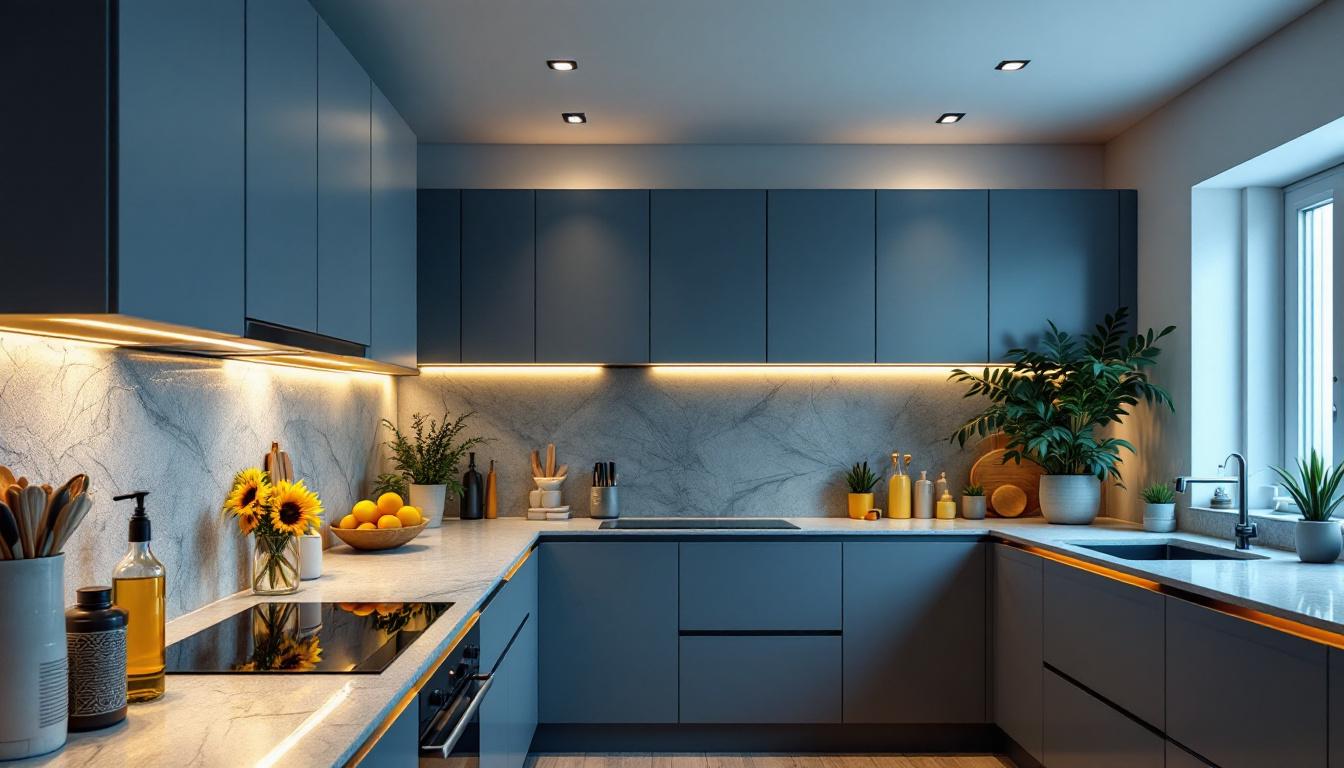
Moreover, the integration of task lighting, accent lighting, and ambient lighting can transform a kitchen from a purely functional space into a warm and inviting hub of the home. Task lighting, such as under-cabinet lights, provides direct illumination for chopping vegetables or reading recipes, while pendant lights over an island can serve as both a focal point and a source of ambient light. Accent lighting, such as LED strips along shelves or inside glass-front cabinets, can showcase decorative items and add a touch of personality to the kitchen design. The interplay of these different lighting types not only enhances the visual appeal but also ensures that every corner of the kitchen is well-lit and usable.
Why Choose LED Recessed Lighting for Kitchens?
Energy Efficiency and Longevity
LED technology is renowned for its energy efficiency, consuming up to 75% less energy compared to incandescent bulbs. For kitchens, which often require lighting for extended periods during meal preparation and social gatherings, this translates to significant cost savings on electricity bills. Additionally, LED recessed lights have a longer lifespan, often exceeding 25,000 hours, reducing the frequency of replacements and maintenance efforts. This longevity not only benefits homeowners by minimizing the hassle of changing bulbs but also contributes to a more sustainable environment by decreasing waste associated with burned-out bulbs.
Moreover, many LED recessed lights are now designed with smart technology features, allowing users to control their lighting remotely or set schedules through mobile apps. This added convenience means that homeowners can optimize their energy use even further, ensuring that lights are only on when needed. The combination of energy efficiency, longevity, and smart capabilities makes LED recessed lighting a wise investment for any kitchen.
Design Flexibility and Aesthetics
Recessed lighting offers a clean, streamlined look that blends seamlessly into kitchen ceilings. This unobtrusive design is highly favored in modern kitchen layouts where minimalism and sleek finishes are prioritized. LED recessed fixtures come in various sizes, color temperatures, and beam angles, allowing contractors to customize lighting schemes that complement different kitchen styles—from traditional to contemporary. This versatility enables homeowners to create a cohesive look that enhances the overall design of their space.
Additionally, the ability to choose between warm and cool color temperatures allows for the creation of different atmospheres within the kitchen. A warmer light can evoke a cozy, inviting environment ideal for family gatherings, while cooler tones can enhance focus and alertness during meal prep. The strategic placement of recessed lights can also highlight architectural features, artwork, or decorative elements, further elevating the kitchen’s aesthetic appeal.
Improved Light Quality and Directionality
LED recessed lights provide excellent directional lighting, which is crucial in kitchens where task lighting is paramount. Unlike overhead fixtures that may cast shadows, recessed LEDs can be strategically placed to illuminate countertops, islands, and cooking areas with precision. The availability of adjustable trims and dimmable options further enhances control over light intensity and distribution. This adaptability allows homeowners to tailor their lighting to suit various activities, from intricate cooking tasks to casual dining.
Furthermore, the high color rendering index (CRI) of LED lights ensures that colors appear vibrant and true to life, which is particularly important in a kitchen setting where food presentation plays a significant role. With the right lighting, fresh produce, meats, and baked goods can be showcased beautifully, making the kitchen not just a functional space but also a visual delight. The combination of quality light and strategic placement can transform the kitchen into a well-lit haven that inspires creativity and enjoyment in cooking and entertaining.
Key Considerations for Installing LED Recessed Lighting in Kitchens
Planning the Lighting Layout
Effective kitchen lighting begins with a well-thought-out plan. Lighting contractors should assess the kitchen’s size, shape, and workflow to determine optimal fixture placement. A common approach involves layering lighting into ambient, task, and accent categories:
- Ambient lighting: Provides general illumination for the entire kitchen space.
- Task lighting: Focuses on specific work areas such as countertops, sinks, and stoves.
- Accent lighting: Highlights architectural features or decorative elements.
Recessed LEDs are versatile enough to serve all three functions when placed thoughtfully. Contractors should ensure even spacing to avoid dark spots and consider ceiling height and cabinetry when determining fixture locations.
Choosing the Right Color Temperature
Color temperature significantly influences the kitchen’s atmosphere and functionality. LEDs are available in a range of color temperatures measured in Kelvins (K), typically from 2700K (warm white) to 5000K (daylight). For kitchens, a neutral white light around 3000K to 3500K is often ideal, providing a balance between warmth and clarity. This range enhances food presentation and creates a welcoming environment without causing eye strain.
Ensuring Proper Beam Angle and Brightness
The beam angle determines how wide or narrow the light spreads. Narrow beams (around 30 degrees) are suitable for focused task lighting, while wider beams (up to 120 degrees) work well for general illumination. Selecting the appropriate beam angle helps avoid glare and shadows, which are common issues in kitchen lighting. Brightness, measured in lumens, should also be tailored to the kitchen’s size and lighting needs, with contractors typically aiming for 300 to 400 lumens per square meter for effective illumination.
Installation Best Practices for LED Recessed Lighting
Compliance with Electrical Codes and Safety Standards
Lighting contractors must ensure that all installations comply with local electrical codes and safety standards. This includes using fixtures rated for damp or wet locations if the kitchen environment demands it, especially near sinks or cooking areas. Proper insulation contact (IC) rated fixtures should be used when recessed lights are installed in insulated ceilings to prevent fire hazards.
Integration with Smart Lighting Controls
Modern kitchens increasingly incorporate smart lighting controls to enhance convenience and energy efficiency. LED recessed lighting is compatible with dimmers, motion sensors, and programmable systems that allow homeowners to adjust lighting scenes based on time of day or activity. Contractors should recommend and install compatible control systems to future-proof the kitchen lighting setup.
Addressing Heat Management and Ventilation
Although LEDs generate less heat than traditional bulbs, heat dissipation remains important to maintain fixture longevity and performance. Proper spacing and ventilation around recessed fixtures help prevent overheating. Contractors should follow manufacturer guidelines for clearance and avoid enclosing LED fixtures in airtight spaces unless they are specifically rated for such conditions.
Common Challenges and Solutions in Kitchen LED Recessed Lighting
Eliminating Shadows and Glare
One of the main challenges in kitchen lighting is managing shadows caused by overhead cabinets or the cook’s body blocking light. To mitigate this, contractors can install multiple recessed lights with overlapping beams to ensure uniform coverage. Combining recessed lighting with under-cabinet LEDs can further reduce shadows on work surfaces.
Glare can be minimized by selecting fixtures with diffusers or adjustable trims that direct light away from reflective surfaces. Using dimmable LEDs also allows fine-tuning of light intensity to comfortable levels.
Balancing Aesthetics with Functionality
While recessed lighting offers a sleek appearance, over-installation can lead to a cluttered ceiling and detract from the kitchen’s design. Contractors should strike a balance by carefully calculating the number of fixtures needed and considering complementary lighting elements such as pendant lights or wall sconces. This layered approach enhances both form and function.
Addressing Retrofit Challenges
Retrofitting LED recessed lighting into existing kitchens can pose challenges related to ceiling construction, wiring, and fixture compatibility. Contractors should conduct thorough assessments to identify potential obstacles such as limited ceiling clearance or outdated electrical systems. Utilizing low-profile LED fixtures and wireless control options can simplify retrofits and reduce installation time.
Maximizing Client Satisfaction with LED Recessed Kitchen Lighting
Providing Customized Lighting Solutions
Each kitchen is unique, and lighting solutions should be tailored to the client’s lifestyle, preferences, and kitchen layout. Contractors can enhance client satisfaction by offering lighting design consultations, presenting 3D renderings or mockups, and demonstrating the benefits of different LED options. This collaborative approach ensures the final installation meets both aesthetic and functional expectations.
Educating Clients on Maintenance and Usage
Clients often appreciate guidance on how to maintain their LED recessed lighting and optimize its use. Contractors should explain the advantages of LED technology, such as low heat emission and long lifespan, and provide tips on cleaning fixtures and using dimmers or smart controls effectively. Clear communication helps clients feel confident and satisfied with their investment.
Highlighting Environmental and Economic Benefits
Emphasizing the energy-saving and environmental benefits of LED recessed lighting can be a strong selling point. Contractors can present data on reduced energy consumption and lower carbon footprints compared to traditional lighting. Additionally, highlighting long-term cost savings through decreased utility bills and maintenance reinforces the value proposition for clients.
Conclusion
For lighting contractors, mastering the art of kitchen LED recessed lighting is a gateway to delivering superior lighting solutions that enhance both the functionality and aesthetics of kitchens. By understanding the unique demands of kitchen environments, selecting the right fixtures, and employing best installation practices, contractors can create lighting schemes that delight clients and stand the test of time.
LED recessed lighting offers unmatched benefits in energy efficiency, design flexibility, and light quality, making it an indispensable tool in modern kitchen lighting design. When combined with thoughtful planning, compliance with safety standards, and client education, it becomes possible to transform kitchens into well-lit, inviting spaces that support everyday activities and elevate home experiences.
Illuminate Your Projects with LumenWholesale
Ready to elevate your kitchen lighting designs with the efficiency and elegance of LED recessed lighting? Look no further than LumenWholesale for all your lighting needs. We provide contractors with high-quality, specification-grade lighting products at unbeatable wholesale prices, ensuring you can bring your clients’ visions to life while staying on budget. With our extensive selection that meets the highest industry standards, you can trust in the reliability and performance of our lighting solutions. Plus, enjoy the convenience of bulk buying with free shipping, giving you premium lighting at the best value — without hidden fees. Take the next step in transforming kitchens into beautifully lit spaces by visiting Wholesale Lighting at the Best Value and discover the LumenWholesale difference today.