Understanding Line Voltage Dimmer Switches
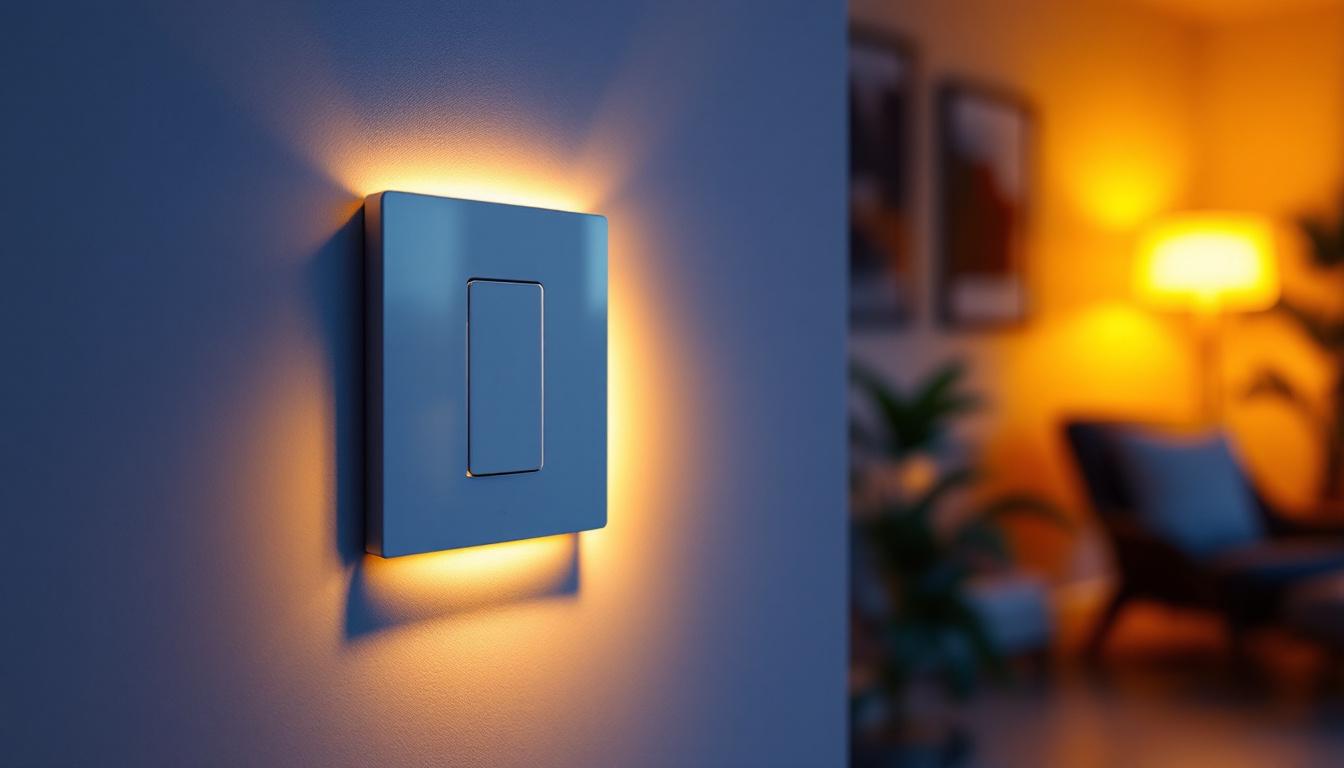
Line voltage dimmer switches control the brightness of lighting fixtures by adjusting the voltage supplied to the light source. Unlike low-voltage dimmers that operate at 12V or 24V, line voltage dimmers work directly with the standard household voltage—typically 120V or 240V depending on the region. This direct control eliminates the need for transformers or additional equipment, simplifying installation and reducing costs. Moreover, the straightforward design of line voltage dimmers allows for easy retrofitting into existing electrical systems, making them an attractive option for homeowners looking to upgrade their lighting without extensive renovations.
For lighting contractors, mastering line voltage dimmer switches is essential. These devices are compatible with a broad range of lighting types, including incandescent, halogen, and many LED fixtures designed for line voltage operation. Their versatility makes them a staple in both residential and commercial projects, allowing contractors to meet diverse client needs with a single solution. In addition, the ability to control the ambiance of a space through dimming can significantly enhance the overall aesthetic and functionality of a room, making it an appealing feature for potential buyers in real estate markets.
How Line Voltage Dimmers Work
Line voltage dimmers typically use a method called phase-cutting to regulate power. They reduce the amount of voltage delivered to the light by cutting part of the AC waveform. There are two main types: leading-edge (triac-based) and trailing-edge (electronic low voltage or ELV). Leading-edge dimmers have been around longer and are commonly used with incandescent and halogen bulbs. Trailing-edge dimmers offer smoother dimming and are better suited for modern LED and CFL lamps. The choice between these two types can also affect the overall energy efficiency of the lighting system, as trailing-edge dimmers often provide better performance with less energy waste.
Understanding these technical differences is crucial for lighting contractors. Selecting the correct dimmer type ensures optimal performance, prevents flickering, and extends the lifespan of lighting fixtures. It also helps avoid costly callbacks and client dissatisfaction. Furthermore, with the rise of smart home technology, many line voltage dimmers now come equipped with wireless capabilities, allowing users to control their lighting through smartphone apps or voice-activated devices. This integration not only adds convenience but also opens up new possibilities for energy management and personalized lighting experiences, making it an exciting time for both contractors and homeowners alike.
Advantages of Line Voltage Dimmer Switches in Modern Lighting Design
Line voltage dimmers offer several compelling benefits that make them attractive for contemporary lighting projects. Their ability to seamlessly integrate with existing wiring systems makes upgrades straightforward, especially in retrofit scenarios. Unlike low-voltage systems, they don’t require additional transformers or power supplies, which simplifies both design and installation.
Energy efficiency is another significant advantage. Dimming lights reduces power consumption, which translates into lower utility bills and a smaller carbon footprint. While the exact savings depend on usage patterns and fixture types, dimming can reduce energy use by up to 30-40% in many setups.
Enhanced Lighting Control and Ambiance
One of the most valued features of line voltage dimmers is the ability to customize lighting levels to suit different moods and activities. Whether it’s creating a cozy atmosphere in a living room or providing focused task lighting in a workspace, dimmers offer flexibility that fixed-level switches cannot match.
For contractors, this means they can offer clients more sophisticated lighting solutions that add value to their homes or businesses. Integrating dimmers with smart home systems further enhances control possibilities, allowing users to adjust lighting remotely or automate scenes based on time of day or occupancy. This integration can also include voice-activated controls, making it even more convenient for users to manage their lighting without needing to physically interact with a switch. The result is a more intuitive and user-friendly lighting experience that aligns with the demands of modern lifestyles.
Moreover, line voltage dimmers can improve the longevity of light bulbs. By reducing the voltage supplied to the bulbs, dimmers can decrease the wear and tear on the filament in incandescent bulbs or the electronic components in LED fixtures. This not only extends the lifespan of the lighting elements but also enhances the overall sustainability of the lighting design. With the growing emphasis on eco-friendly practices, choosing line voltage dimmers can be a proactive step toward reducing waste and promoting energy conservation in both residential and commercial spaces.
Installation Considerations for Lighting Contractors
Installing line voltage dimmer switches requires careful attention to wiring, load compatibility, and safety standards. Contractors must verify that the dimmer is rated for the total wattage of the connected lights. Overloading a dimmer can cause overheating and premature failure. It’s also crucial to consider the type of lighting being used, as different fixtures may have varying power requirements that can affect the overall performance of the dimmer switch.
Wiring is straightforward but must comply with local electrical codes. Proper grounding and secure connections are essential to prevent electrical hazards. Additionally, some dimmers require a neutral wire, which may not be present in older homes. In such cases, contractors may need to run new wiring or select dimmers designed for no-neutral installations. Understanding the layout of the existing wiring is vital, as it can save time and reduce potential complications during installation.
Compatibility with LED and Other Modern Fixtures
LED lighting has become the dominant technology in many projects due to its efficiency and longevity. However, not all LEDs are compatible with traditional line voltage dimmers. Contractors should choose dimmers specifically designed for LED loads to ensure smooth dimming without flicker or noise. Furthermore, the dimming range can vary significantly between different LED products, making it important for contractors to educate clients on the capabilities and limitations of their chosen fixtures.
Testing is a critical step. Even when specifications indicate compatibility, real-world performance can vary based on the brand and model of both the dimmer and the LED fixture. Lighting contractors should maintain a selection of tested dimmer and bulb combinations to recommend reliable pairings to clients. This not only enhances customer satisfaction but also builds trust in the contractor’s expertise. Additionally, staying updated on the latest advancements in dimming technology, such as smart dimmers that can be controlled via mobile apps, can provide clients with innovative options that enhance their lighting experience while ensuring optimal performance and energy efficiency.
Emerging Trends and Technologies in Line Voltage Dimming
The lighting industry continues to innovate, and line voltage dimmer switches are evolving alongside. Smart dimmers that integrate with Wi-Fi, Zigbee, or Z-Wave networks are becoming standard. These devices offer advanced features such as voice control, scheduling, and energy monitoring, which enhance user experience and convenience. With the rise of smart home ecosystems, users can now control their lighting through various platforms, including smartphones and voice-activated assistants, making it easier than ever to create the perfect ambiance for any occasion.
Another trend is the development of universal dimmers capable of handling a wider range of lighting technologies without compromising performance. These products simplify inventory and installation decisions for contractors by reducing the need to stock multiple specialized dimmers. Moreover, this versatility allows homeowners to switch between different types of lighting—such as LED, incandescent, and halogen—without worrying about compatibility issues, thus future-proofing their lighting systems as new technologies emerge.
Integration with Building Automation Systems
In commercial and high-end residential projects, line voltage dimmers are increasingly integrated into building automation systems. This allows centralized control of lighting, HVAC, and security systems, improving energy management and occupant comfort. By utilizing sensors and smart algorithms, these systems can automatically adjust lighting levels based on occupancy or natural light availability, leading to significant energy savings and enhanced user satisfaction.
For contractors, familiarity with these systems opens new business opportunities. Installing and programming integrated dimming solutions requires additional skills but positions contractors as valuable partners in smart building projects. As the demand for energy-efficient solutions grows, contractors who can offer expertise in line voltage dimming and building automation will be at the forefront of the industry. Furthermore, as sustainability becomes a priority for many businesses, the ability to provide tailored dimming solutions that contribute to LEED certification or other green building standards can set contractors apart in a competitive market.
Challenges and Solutions in Line Voltage Dimmer Implementation
Despite their advantages, line voltage dimmers present challenges. Compatibility issues with certain LED fixtures can lead to flickering or limited dimming ranges. Electrical noise from dimmers may interfere with sensitive equipment in some environments.
To address these issues, contractors should conduct thorough load assessments and select dimmers with appropriate filtering and surge protection features. Educating clients about the limitations and benefits of dimming technology helps set realistic expectations and ensures satisfaction.
Training and Staying Updated
Continuous education is vital for contractors working with line voltage dimmers. Manufacturers frequently update product lines and introduce new standards. Participating in training sessions and industry seminars helps contractors stay informed about best practices and emerging technologies.
Building relationships with suppliers and manufacturers also provides access to technical support and product samples, facilitating smoother installations and troubleshooting.
Conclusion: Embracing Line Voltage Dimmers for Future-Proof Lighting
Line voltage dimmer switches represent a critical component in modern lighting design and installation. Their compatibility with a wide range of fixtures, energy efficiency benefits, and enhanced control capabilities make them indispensable tools for lighting contractors.
By understanding the technical nuances, installation requirements, and emerging trends, contractors can deliver lighting solutions that meet evolving client demands. Investing time in mastering line voltage dimmers not only improves project outcomes but also positions contractors at the forefront of lighting innovation.
Illuminate Your Projects with LumenWholesale
Ready to elevate your lighting installations with the latest line voltage dimmer switches? At LumenWholesale, we provide lighting contractors with the highest quality, spec-grade lighting products at prices that can’t be beaten. Say goodbye to unnecessary markups and hello to a diverse selection of reliable, high-performance lighting essentials that meet your project’s needs. Plus, with free shipping on bulk orders, you can stock up on premium lighting solutions at the best value — all without hidden fees or compromises. Don’t miss out on the opportunity to enhance your lighting designs. Discover the perfect blend of quality, affordability, and convenience at LumenWholesale — your partner in future-proof lighting.