The Critical Role of Street Light Poles in Urban Infrastructure
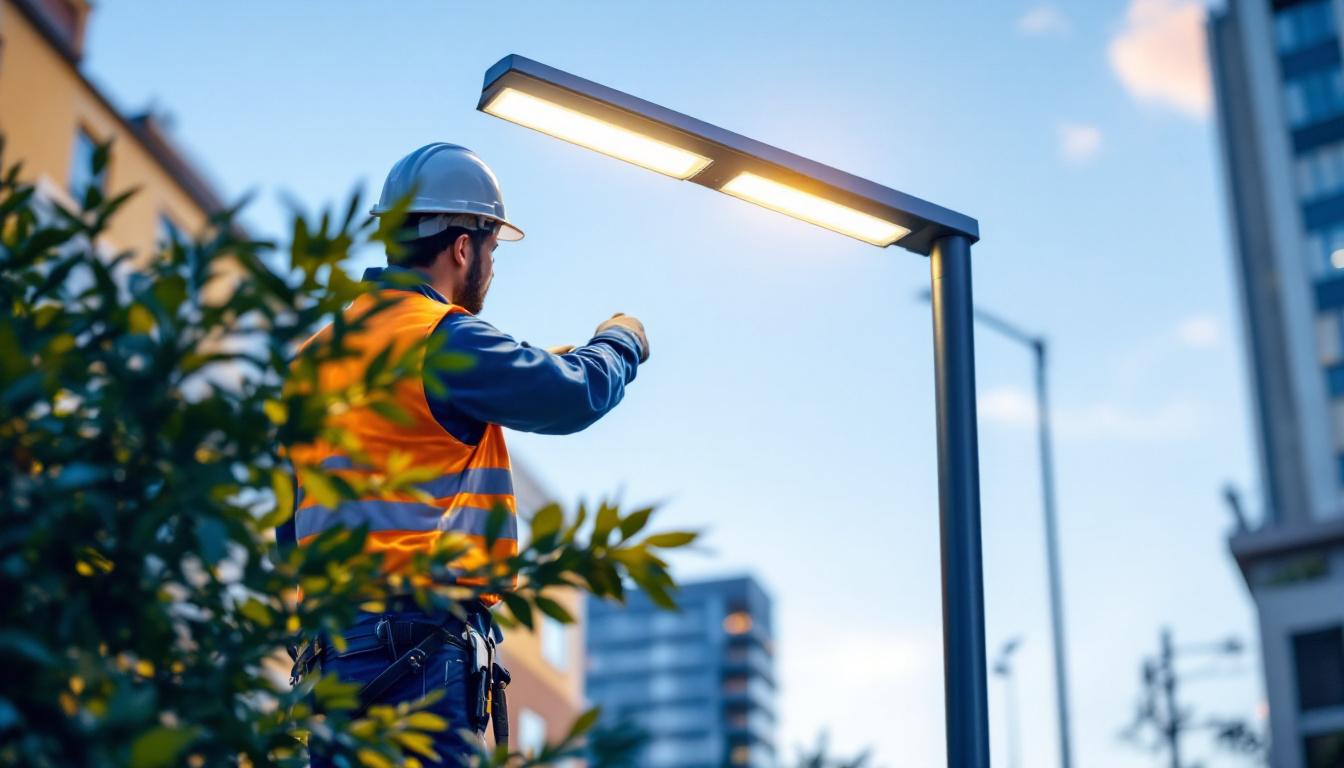
Street lighting is a fundamental component of urban infrastructure, contributing significantly to public safety, traffic management, and the overall aesthetic of communities. While much attention is often given to the lighting fixtures themselves, the poles that support these fixtures are equally crucial. For lighting contractors, understanding the importance of street light poles is essential to delivering durable, effective, and compliant lighting solutions.
Street light poles serve as the backbone of any lighting system, providing the necessary height and stability to ensure optimal light distribution. Their design, material, and installation directly impact the longevity and performance of the lighting system. Moreover, poles must withstand environmental stresses such as wind, corrosion, and accidental impacts, making their selection and maintenance a vital focus area for contractors.
In addition to their structural role, street light poles can also play a part in enhancing the urban landscape. With a variety of designs available, from sleek modern styles to more traditional looks, these poles can complement the architectural character of a neighborhood. Some municipalities even incorporate artistic elements into their street light poles, turning them into functional pieces of public art that reflect local culture and history. This dual function not only improves the visual appeal of streets but can also foster a sense of community pride and identity.
Furthermore, advancements in technology are influencing the evolution of street light poles. Many modern poles are now equipped with smart technology, allowing for features such as adaptive lighting that adjusts based on the time of day or pedestrian presence. This not only enhances energy efficiency but also improves safety by ensuring that areas are well-lit when needed. Additionally, some poles are being designed to accommodate other urban infrastructure needs, such as housing surveillance cameras, Wi-Fi hotspots, or even charging stations for electric vehicles. This multifunctionality represents a significant shift in how urban planners and lighting contractors approach the design and implementation of street lighting systems.
Key Reasons Lighting Contractors Must Prioritize Street Light Poles
1. Safety and Compliance Standards
Safety is paramount in any public lighting project. Street light poles must comply with stringent industry standards and local regulations to ensure they do not pose hazards to pedestrians, motorists, or maintenance personnel. For example, poles must be designed to withstand specific wind loads and seismic conditions relevant to their geographic location.
Additionally, lighting contractors must ensure that poles meet electrical safety codes, including proper grounding and insulation to prevent electrical faults. Failure to adhere to these standards can result in costly legal liabilities and jeopardize public safety. Regular inspections and maintenance routines are also essential to identify any potential issues before they escalate, ensuring that the lighting infrastructure remains safe and reliable for community use.
2. Material Selection and Durability
The choice of material for street light poles significantly affects their durability and maintenance costs. Common materials include galvanized steel, aluminum, concrete, and fiberglass, each with distinct advantages and limitations.
Galvanized steel poles offer excellent strength and are relatively cost-effective but require proper coating to resist corrosion. Aluminum poles are lightweight and corrosion-resistant but may have lower structural strength. Concrete poles provide robustness and longevity but can be more challenging to install due to their weight. Fiberglass poles offer corrosion resistance and flexibility but may not be suitable for all load requirements.
Lighting contractors must evaluate environmental conditions such as humidity, salt exposure in coastal areas, and potential vandalism when selecting pole materials to ensure long-term performance. Furthermore, understanding the lifecycle of these materials can help contractors make informed decisions that align with sustainability goals, as well as budget constraints, ultimately leading to more eco-friendly and economically viable projects.
3. Installation Challenges and Best Practices
Proper installation is critical to the functionality and safety of street light poles. Contractors must consider soil conditions, foundation design, and pole alignment during installation. For instance, poles installed in sandy or loose soils require deeper or reinforced foundations to prevent tilting or collapse.
Furthermore, the installation process must minimize disruption to traffic and pedestrians, often necessitating night work or phased construction. Employing advanced equipment and adhering to detailed project plans can help contractors optimize installation efficiency and safety. Training crews on best practices for installation can also enhance overall project quality, ensuring that each pole is installed to the highest standards and that any potential issues are addressed proactively.
4. Integration with Smart Lighting Technologies
The rise of smart city initiatives has transformed street lighting into a platform for advanced technologies such as sensors, cameras, and communication modules. Poles now often serve as mounting points for these devices, requiring contractors to accommodate additional wiring, power supplies, and structural considerations.
Lighting contractors must be proficient in integrating these technologies without compromising the pole’s structural integrity or aesthetic appeal. This includes planning for future upgrades and ensuring easy access for maintenance personnel. Moreover, as cities evolve towards smarter infrastructure, contractors should stay informed about emerging technologies and trends, enabling them to offer innovative solutions that enhance urban living while maximizing energy efficiency and reducing operational costs.
5. Aesthetic and Community Impact
Street light poles contribute to the visual character of neighborhoods and commercial districts. Lighting contractors should collaborate with urban planners and architects to select pole designs that complement the local environment and community preferences.
Options range from classic ornamental poles to sleek, modern designs. Color, finish, and decorative elements can enhance the streetscape, promoting community pride and potentially increasing property values. Balancing aesthetics with functionality is a key consideration for contractors aiming to deliver holistic lighting solutions. Engaging community stakeholders in the design process can further ensure that the final product resonates with local residents, fostering a sense of ownership and connection to the public spaces they inhabit.
Technical Considerations for Optimal Pole Performance
Wind Load and Structural Integrity
One of the primary technical challenges in pole design is ensuring resistance to wind loads. Poles must be engineered to withstand gusts without excessive sway or risk of failure. This involves calculating the wind pressure based on local meteorological data and selecting appropriate pole dimensions and materials.
Lighting contractors should work closely with structural engineers to verify that poles meet or exceed these requirements, particularly in regions prone to storms or hurricanes. Using finite element analysis (FEA) software can aid in predicting pole behavior under various stress scenarios. Additionally, the use of advanced materials such as high-strength steel or composite materials can enhance the pole’s ability to endure extreme weather conditions, providing a longer service life and reducing the likelihood of catastrophic failure.
Corrosion Protection and Maintenance Strategies
Corrosion is a leading cause of pole degradation, especially in environments with high humidity, pollution, or salt exposure. Protective coatings such as hot-dip galvanization, powder coating, or specialized paints extend the lifespan of poles significantly.
Regular inspection and maintenance programs are essential to identify early signs of corrosion or structural damage. Lighting contractors should advise clients on maintenance schedules and offer services that include cleaning, repainting, and component replacement to ensure ongoing safety and performance. Furthermore, implementing cathodic protection systems can provide an additional layer of defense against corrosion, particularly in coastal areas where saltwater exposure is prevalent. This proactive approach not only minimizes long-term costs but also enhances the reliability of lighting installations.
Foundation Design and Soil Compatibility
The foundation anchors the pole securely to the ground and must be designed based on soil type, pole height, and loading conditions. Common foundation types include concrete bases with anchor bolts or direct burial poles with embedded shafts.
Contractors must conduct soil testing or review geotechnical reports to determine the appropriate foundation design. Incorrect foundation sizing can lead to pole instability, posing safety risks and increasing maintenance costs. Moreover, considering the effects of frost heave in colder climates is crucial, as it can significantly impact the integrity of the foundation over time. Incorporating drainage solutions around the foundation can also mitigate water accumulation, further ensuring the stability and longevity of the pole installation. By addressing these factors, contractors can optimize pole performance and enhance overall project durability.
Economic and Environmental Benefits of Focusing on Street Light Poles
Cost Efficiency Through Longevity
Investing in high-quality poles and proper installation reduces the frequency of replacements and repairs, resulting in lower lifecycle costs. Although premium materials and designs may have higher upfront costs, the extended service life and reduced maintenance justify the investment.
Lighting contractors who emphasize durable pole solutions can differentiate themselves in the market by offering clients long-term value and reliability.
Energy Efficiency and Reduced Carbon Footprint
Modern street light poles can incorporate features that enhance energy efficiency, such as integrated solar panels or designs optimized for LED fixtures. These innovations contribute to reducing municipal energy consumption and carbon emissions.
Contractors should stay informed about emerging technologies and collaborate with manufacturers to provide environmentally friendly lighting solutions that align with sustainability goals.
Supporting Smart City and IoT Initiatives
By focusing on poles that can accommodate smart lighting and Internet of Things (IoT) devices, contractors enable municipalities to implement adaptive lighting controls, monitor energy usage, and improve public safety through connected infrastructure.
This forward-thinking approach positions contractors as leaders in the evolving landscape of urban lighting, opening opportunities for new projects and partnerships.
Conclusion: Why Lighting Contractors Must Prioritize Street Light Poles
Street light poles are far more than simple supports for lighting fixtures; they are critical infrastructure elements that impact safety, aesthetics, technology integration, and economic efficiency. For lighting contractors, focusing on the selection, installation, and maintenance of these poles is essential to delivering high-quality, compliant, and future-ready lighting solutions.
By understanding material properties, adhering to safety standards, embracing technological advancements, and considering community impact, contractors can enhance their reputation and contribute meaningfully to urban development. Prioritizing street light poles ultimately leads to safer streets, satisfied clients, and sustainable urban environments.
Illuminate Your Projects with LumenWholesale
Ready to elevate your lighting projects with poles that promise safety, durability, and smart technology integration? Look no further than LumenWholesale for all your lighting needs. We provide contractors with spec-grade lighting products that meet the highest industry standards, ensuring your installations stand the test of time. Take advantage of our unbeatable wholesale prices, bulk buying convenience, and free shipping to get the best value for your investment. Don’t let hidden fees dim your project’s potential. Choose LumenWholesale for quality, affordability, and convenience. Wholesale Lighting at the Best Value is just a click away.