Understanding Brick Mailbox Lights: An Overview for Lighting Contractors
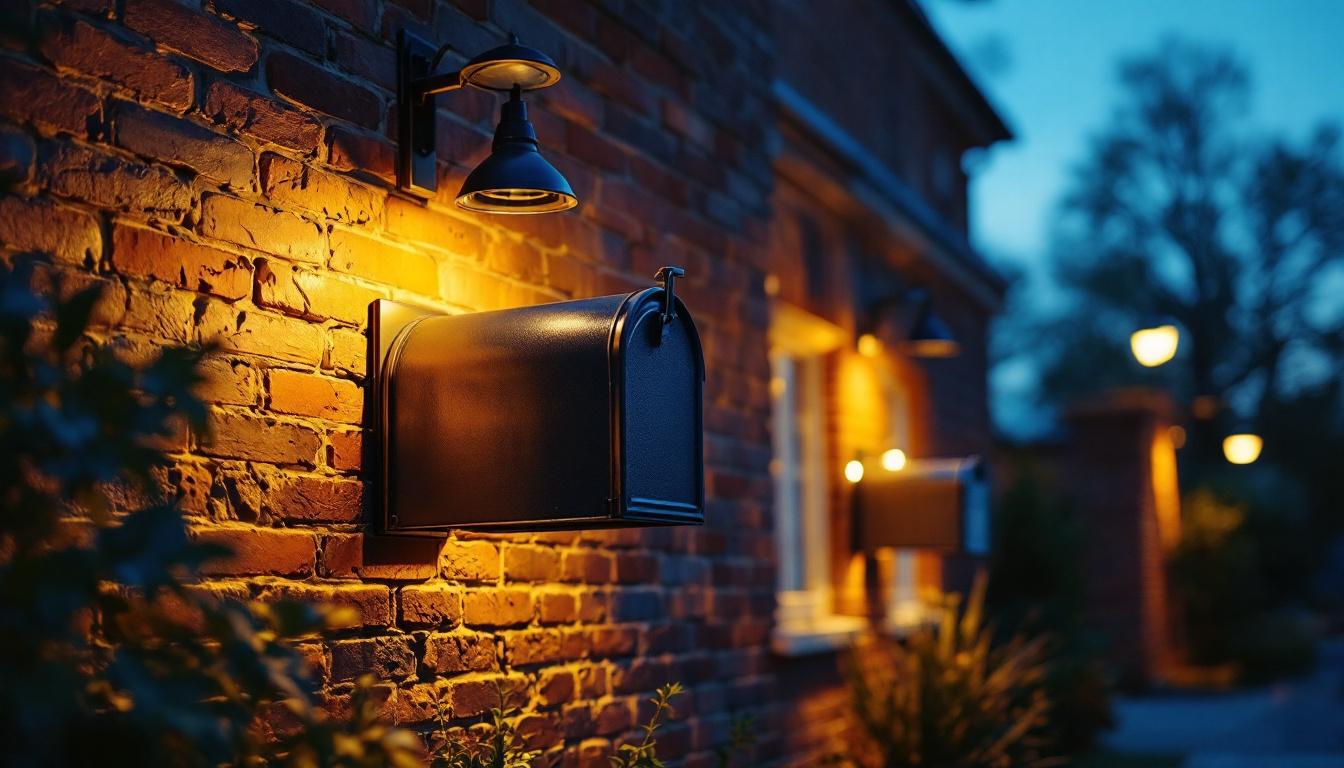
Brick mailbox lights are a popular choice among homeowners and contractors alike for their durability, aesthetic appeal, and functionality. These lighting fixtures not only illuminate the mailbox area for better visibility but also enhance curb appeal and contribute to home safety. For lighting contractors, understanding the nuances of brick mailbox lights is essential to provide expert advice, ensure proper installation, and troubleshoot common issues.
Unlike traditional post-mounted mailbox lights, brick mailbox lights are integrated into or mounted directly on brick structures, requiring specific installation techniques and considerations. This article addresses the most frequently asked questions by lighting contractors, offering insights into design choices, electrical requirements, installation best practices, and maintenance tips.
When selecting brick mailbox lights, contractors should consider the various styles and finishes available, as these can significantly impact the overall look of a property. From sleek modern designs to more ornate, traditional fixtures, the choice of lighting can complement the architectural style of the home and the surrounding landscape. Additionally, energy-efficient options such as LED lighting are becoming increasingly popular, not only for their longevity but also for their reduced environmental impact. These choices can help homeowners save on energy costs while still achieving the desired aesthetic.
Furthermore, understanding the electrical requirements for brick mailbox lights is crucial. Contractors must ensure that the wiring is properly insulated and rated for outdoor use, as exposure to the elements can lead to deterioration and safety hazards. It’s also important to consider the placement of the light fixtures to avoid shadows and ensure adequate illumination. By taking the time to assess the specific needs of each project, lighting contractors can enhance their service offerings and ensure customer satisfaction with well-lit, functional, and visually appealing mailbox areas.
What Are the Key Design Considerations for Brick Mailbox Lights?
Choosing the Right Fixture Style and Material
When selecting a brick mailbox light, contractors must consider both the fixture’s style and material to complement the brickwork and the overall exterior design. Popular styles range from classic lanterns to sleek, modern LED fixtures. Materials such as cast aluminum, brass, and stainless steel are preferred for their weather resistance and longevity. Each material brings its unique aesthetic and functional benefits; for instance, brass develops a beautiful patina over time, adding character, while stainless steel offers a contemporary look with minimal maintenance.
It’s important to select fixtures that can withstand outdoor elements, including rain, snow, and UV exposure, without corroding or fading. Additionally, the fixture’s size and light output should be proportional to the mailbox and surrounding area to avoid overpowering or under-lighting the space. A well-chosen fixture not only enhances visibility but also serves as a decorative element that ties together the landscaping and architectural features of the home. For instance, a rustic lantern-style light can harmonize beautifully with a traditional brick mailbox, while a minimalist LED design might suit a modern home more appropriately.
Light Temperature and Brightness
Lighting contractors often debate the ideal color temperature for mailbox lights. Warm white (2700K to 3000K) is generally favored for residential settings because it creates a welcoming ambiance and complements the natural tones of brick. However, cooler temperatures (4000K to 5000K) may be chosen for more modern aesthetics or enhanced visibility. The choice of color temperature can significantly impact the mood of the entrance; warmer lights tend to evoke a cozy, inviting feel, while cooler lights can create a more energetic and vibrant atmosphere.
Brightness is measured in lumens, and a range of 100 to 300 lumens is typically sufficient for mailbox lighting. Overly bright lights can cause glare, while insufficient illumination defeats the purpose of the fixture. Selecting fixtures with adjustable brightness or dimming capabilities can offer flexibility to homeowners. Furthermore, incorporating motion sensors or timers can enhance functionality, ensuring that the lights are only on when needed, which not only saves energy but also prolongs the lifespan of the fixtures. This thoughtful approach to lighting design not only improves safety and visibility but also contributes to the overall aesthetic appeal of the property, making the mailbox a focal point rather than an afterthought.
What Are the Electrical and Installation Requirements?
Power Sources: Hardwired vs. Solar
Brick mailbox lights can be powered either through hardwired electrical connections or solar panels. Each option has its advantages and challenges.
Hardwired Lights: These require running electrical wiring through or alongside the brick structure, often necessitating drilling and conduit installation. Hardwired fixtures provide consistent, reliable lighting and can be integrated with home automation systems or timers. However, installation is more labor-intensive and may require permits or inspections depending on local codes.
Solar-Powered Lights: Solar fixtures are easier to install since they don’t require wiring, making them ideal for retrofit projects or locations without nearby power sources. Modern solar mailbox lights incorporate efficient photovoltaic cells and rechargeable batteries, offering several hours of illumination after sunset. The downside is that solar performance depends on sunlight exposure, and battery life may degrade over time.
Wiring Considerations and Safety
For hardwired installations, lighting contractors must ensure compliance with the National Electrical Code (NEC) and local regulations. This includes using outdoor-rated wiring, proper grounding, and weatherproof junction boxes. GFCI (Ground Fault Circuit Interrupter) protection is often recommended to prevent electrical hazards in wet environments.
When running wiring through brick, contractors should use masonry drill bits to create clean holes and avoid damaging the brick or mortar. Sealing around wiring entry points with waterproof caulk prevents moisture intrusion, which can cause electrical shorts or corrosion.
Mounting Techniques
Proper mounting is critical for the stability and longevity of brick mailbox lights. Contractors often use masonry anchors, expansion bolts, or specialized mounting brackets designed for brick surfaces. The mounting hardware must be rust-resistant and capable of supporting the fixture’s weight.
Aligning the fixture correctly ensures optimal light distribution and prevents water pooling on or around the fixture. Additionally, mounting height and angle should be planned to minimize shadows and maximize mailbox visibility.
How to Address Common Installation Challenges?
Dealing with Brick and Mortar Variations
Brick mailboxes vary widely in construction, from solid brick walls to hollow brick columns. These differences affect how fixtures are mounted and how wiring is routed. Contractors should assess the mailbox structure before installation to determine the best approach.
In cases where the brick is hollow, it may be possible to run wiring internally, concealing cables for a cleaner look. For solid brick, surface-mounted conduit or raceways might be necessary. Careful planning minimizes damage to the mailbox and preserves its aesthetic integrity.
Managing Weatherproofing and Durability
Exposure to weather can cause common issues such as water ingress, rust, and fixture loosening. Contractors should ensure all electrical components have appropriate IP (Ingress Protection) ratings, ideally IP65 or higher for outdoor use.
Applying silicone sealant around fixture bases and wiring entry points prevents moisture penetration. Regular inspection and maintenance, such as tightening screws and cleaning lenses, help maintain performance and extend the fixture’s lifespan.
Ensuring Proper Light Coverage
One frequent concern is whether the light adequately illuminates the mailbox and surrounding area. Contractors can use photometric tools or smartphone apps to measure light levels during installation. Adjusting fixture position or selecting different beam angles can optimize coverage.
In some cases, adding supplemental lighting, such as pathway lights or motion sensors, enhances safety and usability without overwhelming the mailbox light itself.
Maintenance and Troubleshooting Tips for Brick Mailbox Lights
Routine Maintenance Practices
Regular maintenance is essential to keep brick mailbox lights functioning effectively. Cleaning the fixture’s lens removes dirt, pollen, and debris that diminish light output. Checking for corrosion or damage to mounting hardware prevents fixture instability.
For solar lights, replacing batteries every few years ensures consistent performance. Hardwired lights benefit from periodic electrical inspections to detect wiring wear or moisture-related issues.
Common Problems and Solutions
Light Flickering or Not Turning On: This may indicate loose wiring, faulty switches, or degraded bulbs. Contractors should inspect connections, replace bulbs with compatible types, and test switches for proper operation.
Water Ingress: Moisture inside the fixture can cause electrical shorts or corrosion. Re-sealing the fixture and ensuring proper drainage usually resolves this issue.
Solar Lights Not Charging: Check for shading on solar panels and clean the panel surface. Battery replacement might be necessary if the fixture no longer holds a charge.
Enhancing Customer Satisfaction with Expert Advice
Lighting contractors play a vital role in guiding homeowners through the selection, installation, and maintenance of brick mailbox lights. Providing clear explanations about fixture options, power sources, and expected performance helps set realistic expectations and reduces service calls.
Offering maintenance plans or seasonal check-ups can also build long-term relationships and ensure the mailbox lighting continues to function safely and attractively. Educating clients on the benefits of proper lighting—such as improved security, convenience, and curb appeal—reinforces the value of professional installation.
Conclusion
Brick mailbox lights combine functionality and style, making them a sought-after feature for residential properties. For lighting contractors, mastering the technical and aesthetic aspects of these fixtures is crucial to delivering high-quality service. Understanding design preferences, electrical requirements, installation challenges, and maintenance needs empowers contractors to address common questions confidently and efficiently.
By staying informed about the latest lighting technologies and best practices, contractors can enhance their expertise, improve customer satisfaction, and contribute to safer, more attractive neighborhoods.
Illuminate Your Projects with LumenWholesale
Ready to elevate your lighting installations with the perfect blend of quality and value? Look no further than LumenWholesale for all your brick mailbox lighting needs. Our spec-grade lighting products are designed to meet the highest industry standards, ensuring your projects shine with reliability and performance. Take advantage of our unbeatable wholesale prices and free shipping on bulk orders to get the best lighting solutions for your clients. Don’t let hidden fees dim your business—choose LumenWholesale for Wholesale Lighting at the Best Value and light up your projects with confidence.