Understanding Pole Light Heads: The Foundation of Effective Outdoor Lighting
Pole light heads are a critical component in outdoor lighting systems, serving as the interface between the light source and the environment. For lighting contractors, mastering the selection, installation, and maintenance of pole light heads is essential to delivering high-quality, durable, and energy-efficient lighting solutions.
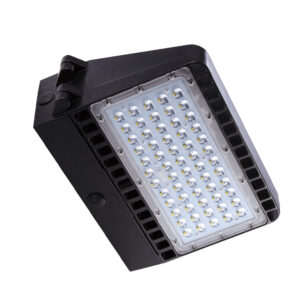
These fixtures are designed to mount atop poles, commonly used in parking lots, roadways, parks, and commercial properties. Their design influences light distribution, energy consumption, and aesthetic appeal. A deep understanding of pole light heads enables contractors to tailor lighting projects to client needs while adhering to safety and regulatory standards.
Types of Pole Light Heads
There are several types of pole light heads, each suited for specific applications and lighting goals:
- Floodlight Heads: Provide wide, intense illumination ideal for security and large open spaces.
- Area Light Heads: Designed for uniform lighting over parking lots and pedestrian areas.
- Decorative Light Heads: Combine functionality with aesthetic design, often used in streetscapes and parks.
- LED vs. Traditional Heads: LED pole light heads are increasingly popular due to their energy efficiency, longevity, and controllability compared to traditional metal halide or high-pressure sodium options.
In addition to the basic types of pole light heads, there are also variations that cater to specific environmental conditions and user preferences. For instance, some pole light heads are designed with advanced optics that minimize light pollution and enhance visual comfort, making them ideal for residential neighborhoods or areas with strict lighting regulations. Others may feature smart technology, allowing for remote control and monitoring, which can significantly reduce energy costs and improve maintenance efficiency.
Moreover, the choice of materials used in pole light heads can greatly impact their performance and longevity. Fixtures made from corrosion-resistant materials, such as aluminum or stainless steel, are preferred in coastal areas where saltwater can accelerate deterioration. Additionally, the finish of the light head can be customized to blend seamlessly with the surrounding architecture or landscape, further enhancing the overall aesthetic of the lighting installation. Understanding these nuances allows contractors to provide tailored solutions that not only meet functional requirements but also complement the visual identity of the spaces they illuminate.
Key Factors Lighting Contractors Should Consider When Selecting Pole Light Heads
Choosing the right pole light head is not merely a matter of picking a fixture that fits a pole. Lighting contractors must evaluate multiple factors to ensure optimal performance and client satisfaction.
Light Distribution and Beam Angle
The distribution pattern of a pole light head determines how light is spread across the target area. Contractors should consider beam angles carefully to avoid dark spots or excessive glare. For example, a narrow beam angle may be suitable for focused lighting on pathways, while a wide beam angle is better for expansive parking lots.
Understanding photometric data and consulting manufacturers’ IES files can help contractors predict light patterns and optimize fixture placement. Additionally, the color temperature of the light emitted can significantly affect visibility and ambiance. Warmer temperatures (around 3000K) create a welcoming atmosphere, ideal for residential areas, while cooler temperatures (5000K and above) enhance visibility and alertness, making them suitable for commercial and industrial settings.
Energy Efficiency and Sustainability
With increasing emphasis on sustainability, energy-efficient lighting solutions are a priority. LED pole light heads consume significantly less power than traditional fixtures and offer longer service life, reducing maintenance costs. Additionally, many modern fixtures come with smart controls such as dimming capabilities and motion sensors, enabling further energy savings.
Contractors should also be aware of local energy codes and incentive programs that encourage the use of efficient lighting technologies. Beyond just energy savings, opting for sustainable lighting can enhance a project’s reputation, appealing to environmentally conscious clients. Furthermore, integrating solar-powered options can be a game-changer in remote areas where traditional power sources are limited, providing an eco-friendly alternative that reduces reliance on the grid.
Durability and Environmental Resistance
Outdoor lighting fixtures must withstand harsh weather conditions, including rain, wind, dust, and temperature fluctuations. Pole light heads with robust materials such as die-cast aluminum and corrosion-resistant coatings ensure longevity. IP ratings (Ingress Protection) indicate the fixture’s resistance to dust and water, which is critical for outdoor installations. A higher IP rating not only guarantees better performance but also minimizes the risk of failure due to environmental factors.
Moreover, contractors should consider the impact of UV radiation on the materials used in pole light heads. Prolonged exposure can lead to fading and degradation, so selecting UV-resistant materials can extend the lifespan and maintain the aesthetic appeal of the fixtures. Additionally, features like impact-resistant lenses can protect against vandalism and accidental damage, making them ideal for high-traffic or high-risk areas.
Compliance with Lighting Standards and Regulations
Adhering to local, state, and national lighting standards is essential. This includes compliance with the Illuminating Engineering Society (IES) guidelines, dark sky initiatives to reduce light pollution, and safety codes. Lighting contractors must stay updated on these regulations to avoid costly rework and ensure client trust.
Furthermore, understanding the nuances of zoning laws and neighborhood regulations can be critical, especially in residential areas where light trespass may be a concern. Engaging with local authorities early in the planning process can help identify any potential issues and streamline approvals. By prioritizing compliance, contractors not only safeguard their projects but also contribute to the overall well-being of the community, fostering a harmonious balance between functional lighting and environmental stewardship.
Installation Best Practices for Pole Light Heads
Proper installation is as important as selecting the right pole light head. Lighting contractors must follow best practices to ensure safety, functionality, and ease of maintenance.
Pre-Installation Planning
Before installation, a thorough site survey and lighting design plan should be developed. This includes determining pole heights, fixture mounting heights, and spacing based on the intended lighting levels and uniformity requirements. Using lighting design software can assist in simulating the layout and identifying potential issues. Additionally, considering the surrounding environment—such as nearby trees, buildings, and existing infrastructure—is essential. These factors can affect light distribution and may necessitate adjustments in pole placement or fixture type to avoid unwanted shadows or light pollution.
Electrical Considerations
Proper wiring and grounding are vital for safety and fixture performance. Contractors should verify voltage requirements and ensure compatibility with the electrical supply. Using weatherproof connectors and conduit protects wiring from environmental damage. Furthermore, it’s advisable to conduct a load analysis to ensure the electrical system can handle the additional demand from the new fixtures. This proactive approach can prevent overloading circuits and reduce the risk of electrical failures in the future.
Additionally, integrating surge protection devices can safeguard pole light heads from voltage spikes caused by lightning or power fluctuations. Regular maintenance checks on these protective devices can help ensure they remain functional, providing an extra layer of safety for the lighting system.
Mounting and Alignment
Accurate mounting and alignment of pole light heads are crucial for achieving the desired light distribution. Fixtures should be securely fastened to poles using manufacturer-recommended hardware. Contractors should use levels and alignment tools to ensure fixtures are positioned correctly, minimizing glare and maximizing coverage. It is also beneficial to consider the angle of the fixtures; slight adjustments can significantly impact the effectiveness of the lighting, particularly in areas with high pedestrian traffic or where visibility is paramount.
Testing and Commissioning
After installation, thorough testing ensures all fixtures operate correctly. This includes verifying light output, checking for flickering or dimming issues, and confirming control systems function as intended. Documenting test results provides a reference for future maintenance and client reporting. Moreover, it is wise to conduct a post-installation review with the client, allowing them to provide feedback on the lighting performance and make any necessary adjustments. This collaborative approach not only enhances client satisfaction but also fosters a stronger working relationship for future projects.
Maintenance Strategies to Maximize Pole Light Head Performance
Regular maintenance extends the lifespan of pole light heads and maintains optimal lighting conditions. Lighting contractors should educate clients on maintenance schedules and offer services to support long-term performance.
Routine Cleaning
Accumulated dirt, dust, and debris can reduce light output and affect fixture appearance. Cleaning lenses and housings periodically ensures maximum illumination and aesthetic appeal. Contractors should use appropriate cleaning agents and methods to avoid damaging fixture components.
Inspection and Repairs
Scheduled inspections help identify issues such as corrosion, loose connections, or damaged components early. Prompt repairs prevent more extensive damage and downtime. Replacing worn seals or gaskets maintains the fixture’s environmental resistance.
Upgrading and Retrofits
As lighting technology evolves, contractors can offer retrofit services to upgrade existing pole light heads to more efficient or advanced models. This not only improves energy efficiency but can also enhance lighting quality and control capabilities, providing added value to clients.
Leveraging Technology and Innovation in Pole Light Heads
Technological advancements continue to transform the outdoor lighting landscape. Lighting contractors who stay abreast of innovations can offer cutting-edge solutions that meet modern demands.
Smart Lighting Controls
Integration of smart controls such as dimmers, occupancy sensors, and remote management platforms allows for dynamic lighting adjustments. These systems optimize energy use and improve user experience by adapting lighting to real-time conditions.
Adaptive Lighting and IoT Integration
Internet of Things (IoT) technology enables pole light heads to communicate with centralized systems, facilitating predictive maintenance and data-driven lighting management. Adaptive lighting systems can adjust brightness based on traffic flow or ambient light, enhancing safety and efficiency.
Advances in LED Technology
New LED developments offer higher efficacy, improved color rendering, and longer lifespans. Lighting contractors should evaluate emerging LED technologies to recommend fixtures that deliver superior performance and client satisfaction.
Conclusion: Mastering Pole Light Heads for Successful Lighting Projects
For lighting contractors, mastering pole light heads is a multifaceted endeavor involving careful selection, precise installation, diligent maintenance, and embracing technological innovation. By focusing on these areas, contractors can deliver lighting solutions that are efficient, durable, compliant, and aesthetically pleasing.
Staying informed about industry trends, regulations, and emerging technologies empowers contractors to exceed client expectations and build a reputation for excellence in outdoor lighting projects. Ultimately, expertise in pole light heads is a cornerstone of professional success in the lighting industry.
Illuminate Your Projects with LumenWholesale
Ready to elevate your lighting projects with the expertise you’ve gained on pole light heads? Look no further than LumenWholesale for all your lighting needs. Our extensive selection of spec-grade lighting products is designed to meet the highest industry standards, ensuring that every installation shines with reliability and performance. Say goodbye to inflated markups and hello to unbeatable wholesale prices, free shipping, and the convenience of hassle-free bulk buying. Make your next project a beacon of quality and value. Discover the perfect blend of quality, affordability, and convenience at Wholesale Lighting at the Best Value with LumenWholesale.