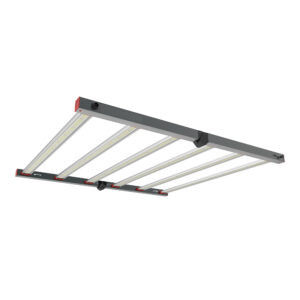
Understanding LED Flatlight Technology
LED flatlights have revolutionized commercial and residential lighting by offering sleek, energy-efficient solutions that blend seamlessly with modern interiors. For lighting contractors, mastering the nuances of LED flatlight technology is essential to deliver high-quality installations that meet client expectations and regulatory standards.
Unlike traditional fluorescent troffers, LED flatlights provide uniform illumination with minimal glare, making them ideal for offices, retail spaces, healthcare facilities, and educational institutions. Their slim profile and versatile mounting options—recessed, surface-mounted, or suspended—allow for flexible design integration. This adaptability not only enhances aesthetic appeal but also maximizes the functionality of the space, ensuring that every corner is well-lit and inviting.
Key to their performance is the use of high-quality LEDs and advanced optics, which ensure consistent light distribution and color rendering. Contractors should be familiar with specifications such as lumen output, color temperature, color rendering index (CRI), and dimmability features to select the right product for each project. Additionally, understanding the thermal management of LED flatlights is crucial, as effective heat dissipation can significantly extend the lifespan of the fixtures and maintain their efficiency over time.
Moreover, the integration of smart technology into LED flatlights has further enhanced their appeal. Many modern flatlights now come equipped with features such as occupancy sensors and daylight harvesting capabilities, which not only contribute to energy savings but also promote a more sustainable approach to lighting design. By adjusting the brightness based on the presence of individuals in a room or the amount of natural light available, these systems can optimize energy use and create a more comfortable environment for occupants. As a result, lighting contractors must stay informed about the latest advancements in smart lighting solutions to provide clients with cutting-edge options that align with their sustainability goals.
Pre-Installation Considerations
Assessing Project Requirements
Before installation, a thorough assessment of the project’s lighting requirements is crucial. This includes understanding the space’s purpose, ceiling type, electrical infrastructure, and desired ambiance. For example, healthcare environments often require high CRI lighting for accurate color perception, while educational spaces benefit from balanced, glare-free illumination to reduce eye strain.
Contractors should collaborate closely with architects, interior designers, and electrical engineers to ensure the LED flatlight specifications align with the overall design and functionality goals. Reviewing lighting layouts and photometric data can help optimize fixture placement and spacing. Furthermore, considering the psychological impact of lighting can enhance the overall user experience; for instance, warmer tones can create a welcoming atmosphere in hospitality settings, while cooler tones may promote alertness in office environments. Engaging stakeholders early in the design process can yield insights into specific lighting needs that may not be immediately apparent, leading to a more tailored solution.
Evaluating Electrical Compatibility
LED flatlights operate on low voltage DC power, typically supplied through integrated drivers that convert AC mains voltage. It’s essential to verify the compatibility of the LED drivers with the building’s electrical system, including voltage ratings, surge protection, and dimming protocols such as 0-10V, DALI, or DMX.
Ensuring proper electrical compatibility prevents premature fixture failure and supports advanced lighting control systems, which are increasingly common in commercial installations for energy management and occupant comfort. Additionally, it’s beneficial to evaluate the existing wiring and circuit load to prevent overloading and ensure that the installation adheres to safety standards. Conducting a load analysis can help identify potential issues and allow for adjustments before installation, ensuring a seamless integration of the new lighting system into the existing infrastructure.
Compliance with Codes and Standards
Lighting contractors must ensure that LED flatlight installations comply with local building codes, energy efficiency regulations, and industry standards. For instance, adherence to standards such as the Illuminating Engineering Society (IES) guidelines and ENERGY STAR certifications can influence product selection and installation methods.
Additionally, understanding fire safety codes and accessibility requirements is vital, especially in public and commercial buildings. Proper documentation and certification can facilitate inspections and approvals, minimizing project delays. It is also important to stay updated on evolving regulations, such as those related to sustainability and energy conservation, which may affect future projects. Engaging with local regulatory bodies early in the planning phase can provide clarity on compliance requirements and help streamline the approval process, ultimately contributing to a more efficient project timeline.
Installation Best Practices
Preparing the Installation Site
Prior to installation, the site should be prepared to accommodate the flatlights safely and efficiently. This involves verifying ceiling grid dimensions for recessed fixtures or ensuring adequate mounting surfaces for surface-mounted and suspended models. Electrical wiring should be inspected and, if necessary, upgraded to meet the load and safety requirements of the LED fixtures.
Contractors should also plan for adequate workspace and lighting during installation, especially in large-scale projects where multiple fixtures are installed simultaneously. Additionally, it is beneficial to conduct a thorough walk-through of the installation area to identify any potential obstacles or hazards, such as existing ductwork or plumbing that may interfere with the placement of the fixtures. This proactive approach not only streamlines the installation process but also minimizes the risk of costly delays or rework.
Handling and Mounting LED Flatlights
LED flatlights are delicate electronic devices that require careful handling to avoid damage to the LEDs, drivers, or lenses. It is recommended to wear gloves to prevent fingerprints and oils from affecting light output or fixture finish. Moreover, using appropriate lifting techniques and tools can further reduce the risk of damage during transportation and installation.
When mounting, ensure that fixtures are securely fastened according to manufacturer guidelines. Recessed flatlights should fit snugly within ceiling grids without gaps that could cause light leakage or reduce aesthetic appeal. Surface-mounted and suspended fixtures require sturdy anchors and proper alignment to maintain a professional appearance and safety. It is also advisable to double-check the level of each fixture during installation, as even slight misalignments can be noticeable in the final installation, detracting from the overall visual impact of the lighting design.
Electrical Connections and Testing
Making electrical connections must be performed by qualified personnel following all safety protocols. Proper wiring techniques, including secure connections, grounding, and strain relief, are essential to prevent electrical hazards and ensure fixture longevity. Additionally, using wire connectors that are rated for the specific load and environment can enhance the reliability of the connections and reduce the risk of overheating or failure.
After installation, comprehensive testing should be conducted to verify that all fixtures operate correctly, dimming controls function as intended, and light levels meet design specifications. Documenting these tests can provide valuable records for future maintenance and troubleshooting. Furthermore, it is prudent to educate the end-users on the operation and maintenance of the LED flatlights, including how to adjust settings and recognize potential issues, ensuring they can enjoy optimal performance and longevity from their lighting system.
Post-Installation Maintenance and Troubleshooting
Routine Maintenance Guidelines
Although LED flatlights require less maintenance compared to traditional lighting, regular cleaning and inspection help maintain optimal performance. Dust and dirt accumulation on lenses can reduce light output and affect color quality. Contractors should advise clients on appropriate cleaning methods using non-abrasive materials and mild detergents. Additionally, it’s beneficial to educate clients on the importance of avoiding harsh chemicals that could degrade the lens material over time. A simple routine of wiping down fixtures with a soft cloth every few months can significantly enhance the longevity and efficiency of the lighting system.
Periodic checks of electrical connections and driver functionality can preempt failures. Establishing a maintenance schedule tailored to the environment—such as more frequent inspections in dusty or humid locations—can extend fixture lifespan. It is also advisable to keep a log of maintenance activities, noting any changes in performance or issues encountered. This documentation can be invaluable for identifying patterns that may indicate underlying problems, thereby allowing for more proactive maintenance strategies.
Common Issues and Solutions
Lighting contractors may encounter issues such as flickering, dimming failures, or uneven illumination. Flickering often results from incompatible dimmers or loose wiring, while dimming failures may indicate driver incompatibility or control system malfunctions. In some cases, updating the firmware of the control system can resolve these issues, as manufacturers frequently release updates to improve compatibility and performance. Contractors should stay informed about the latest advancements in lighting technology to provide the best solutions to their clients.
Uneven illumination can be caused by improper fixture spacing or defective LEDs. Troubleshooting involves systematic inspection of electrical components, verifying control settings, and replacing faulty parts as needed. Additionally, it may be beneficial to conduct a light level measurement using a lux meter to assess the uniformity of light distribution across the space. Maintaining good communication with manufacturers can facilitate warranty claims and technical support. Furthermore, sharing insights and experiences with other contractors can lead to discovering new techniques and solutions that enhance service quality and customer satisfaction.
Maximizing Energy Efficiency and Client Satisfaction
Leveraging Lighting Controls
Integrating LED flatlights with advanced lighting controls enhances energy savings and occupant comfort. Automated systems using occupancy sensors, daylight harvesting, and programmable schedules optimize light usage based on real-time conditions.
Lighting contractors should be proficient in configuring these controls and educating clients on their benefits. Proper commissioning of control systems ensures they operate as intended and deliver measurable energy reductions.
Providing Value-Added Services
Beyond installation, contractors can differentiate themselves by offering services such as lighting audits, retrofit consultations, and ongoing maintenance contracts. These services help clients maximize the return on investment from LED flatlight installations and promote sustainable lighting practices.
Staying informed about emerging technologies and industry trends enables contractors to recommend innovative solutions tailored to client needs, fostering long-term relationships and repeat business.
Conclusion
LED flatlights represent a significant advancement in lighting technology, offering aesthetic appeal, energy efficiency, and versatility. For lighting contractors, a comprehensive checklist—from understanding product specifications and regulatory compliance to meticulous installation and maintenance—is essential to ensure successful project outcomes.
By adhering to best practices and embracing continuous learning, contractors can deliver superior lighting solutions that enhance environments, satisfy clients, and contribute to sustainable building practices.
Illuminate Your Projects with LumenWholesale
Ready to elevate your lighting installations with the latest LED flatlight technology? Look no further than LumenWholesale for all your lighting needs. Our commitment to providing contractors with superior, spec-grade lighting products at unbeatable wholesale prices ensures that you can deliver exceptional quality to your clients while maximizing your profits. With our extensive selection that meets the highest industry standards and the convenience of free shipping on bulk orders, you can trust LumenWholesale to light up your projects with reliability and style. Don’t compromise on quality or value—discover wholesale lighting at the best value today and make every installation shine.