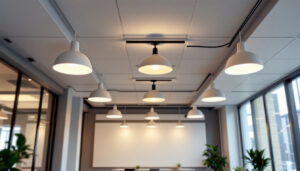
Understanding the Unique Challenges of Basement Lighting
Basements present a distinct set of challenges when it comes to lighting design and installation. Unlike above-ground spaces, basements often lack natural light, have lower ceiling heights, and may feature moisture-prone environments. For lighting contractors, recognizing these factors is crucial to selecting and installing fixtures that not only illuminate effectively but also enhance the basement’s functionality and safety.
One of the primary challenges is the absence of windows or limited natural light sources, which means artificial lighting must compensate entirely for visibility and ambiance. Additionally, basements often have lower ceilings, which restricts the use of bulky or hanging fixtures that could impede movement or create a cramped feeling. Moisture and temperature variations in basements also require fixtures that are rated for damp or wet locations to ensure longevity and safety.
Key Considerations for Basement Lighting
When planning basement lighting, contractors must evaluate the space’s purpose—whether it’s a recreational area, home office, storage, or utility room. Each use case demands different lighting levels and fixture types. For example, a home theater basement benefits from dimmable, indirect lighting, while a workshop area requires bright, focused task lighting.
Energy efficiency is another critical factor. Basements can consume significant electricity due to constant lighting needs, so selecting LED fixtures with high lumens per watt ratings can reduce operational costs and environmental impact. Furthermore, ease of installation and maintenance should be considered, especially in tight or hard-to-reach basement spaces.
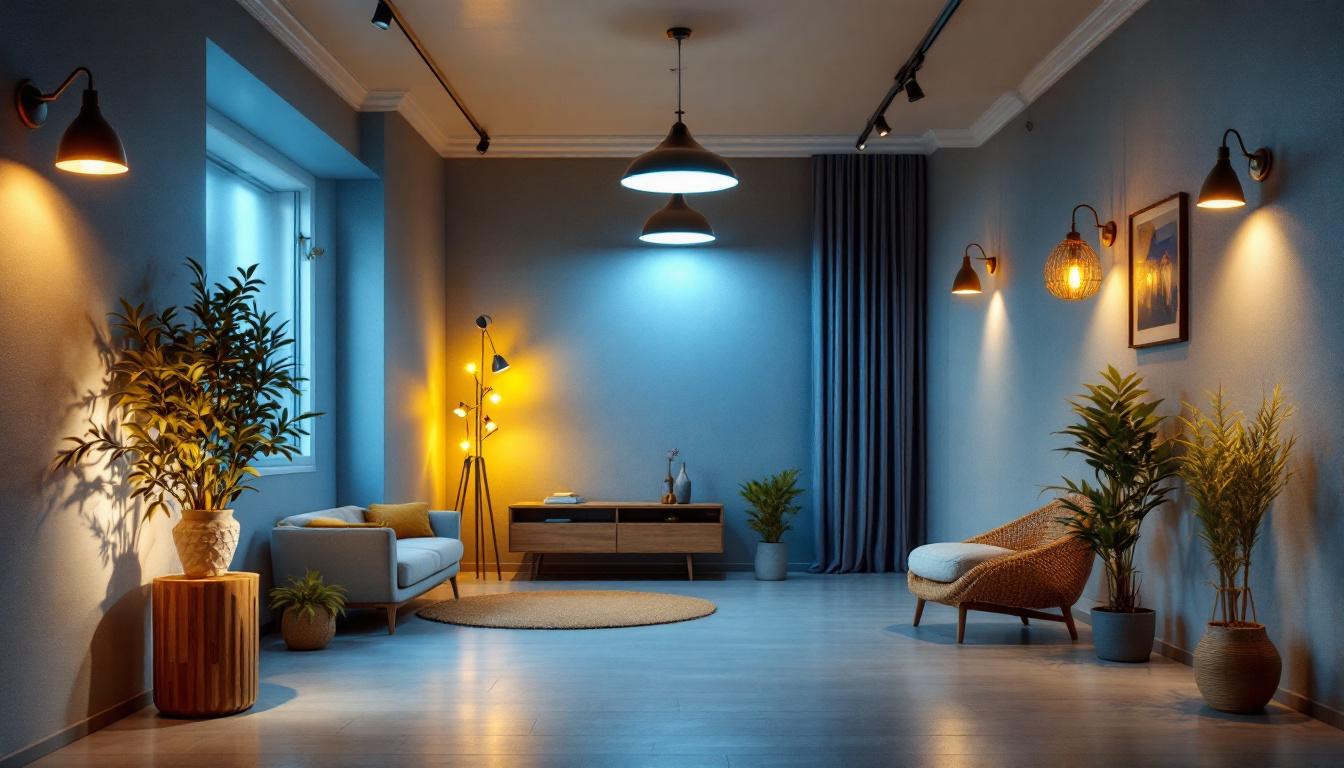
Another important aspect to consider is the color temperature of the lighting. Warmer tones can create a cozy atmosphere, ideal for spaces meant for relaxation or entertainment, while cooler tones are better suited for work areas where clarity and focus are paramount. Additionally, layering different types of lighting—ambient, task, and accent—can enhance the overall aesthetic and functionality of the basement. For instance, using wall sconces to highlight architectural features or artwork can add character and depth to an otherwise utilitarian space.
Finally, incorporating smart lighting solutions can also be beneficial in basement environments. With the advent of smart home technology, contractors can offer clients the option to control their basement lighting via mobile apps or voice commands. This not only adds convenience but also allows for customizable lighting scenarios that can adapt to various activities, from movie nights to family gatherings. As basements continue to evolve into multifunctional spaces, the importance of thoughtful lighting design becomes even more pronounced.
Types of Light Fixtures Ideal for Basement Installations
Choosing the right type of fixture is foundational to achieving effective basement lighting. Below are some of the most suitable options for basement environments, along with their benefits and typical applications.
Recessed Lighting
Recessed lights, also known as can lights or downlights, are a staple for basement lighting due to their low-profile design. Installed flush with the ceiling, they preserve headroom and provide a clean, modern look. These fixtures are excellent for general ambient lighting and can be strategically placed to avoid dark corners.
LED recessed lights with adjustable trims offer flexibility in directing light where it’s most needed. Additionally, selecting fixtures with a high Color Rendering Index (CRI) ensures colors appear natural, which is important in living spaces or work areas. The ability to install dimmer switches with recessed lighting can further enhance the atmosphere, allowing homeowners to create a cozy environment for movie nights or a bright space for hobbies and projects.
Surface-Mounted Fixtures
In basements with very low ceilings or exposed joists, surface-mounted fixtures provide a practical solution. These fixtures attach directly to the ceiling or beams, offering a variety of styles from utilitarian to decorative. Surface-mounted LED panels or flush mounts can deliver bright, even illumination without requiring extensive ceiling modifications.
For contractors, the ease of installation on existing surfaces makes these fixtures a cost-effective choice. Moisture-resistant models are particularly suitable for basements prone to humidity. Moreover, surface-mounted fixtures can be found in a range of designs, from sleek and modern to vintage-inspired, allowing homeowners to express their personal style while ensuring adequate lighting. This versatility makes them a popular choice for multifunctional spaces, such as laundry rooms or home gyms.
Track Lighting
Track lighting systems are highly versatile and allow for adjustable, directional lighting. They are ideal for basements used as art studios, galleries, or multipurpose rooms where lighting needs may change over time. Tracks can be mounted on ceilings or walls, and fixtures can be repositioned or swapped out without rewiring.
Contractors should ensure that the track system is compatible with LED bulbs and rated for the basement’s environmental conditions. Incorporating dimmable drivers can enhance user control over ambiance and energy use. Additionally, track lighting can be used to create visual interest; by angling the fixtures, homeowners can highlight specific areas or features, such as a bar or a reading nook, making the space feel more dynamic and inviting.
Wall Sconces and Accent Lighting
While not typically the primary source of illumination, wall sconces and accent lights add depth and warmth to basement spaces. They can highlight architectural features, artwork, or create cozy zones within larger rooms. For contractors, integrating these fixtures requires careful planning to balance ambient and accent lighting without overcomplicating the electrical layout.
Low-profile, moisture-resistant sconces with LED technology are preferred for basements, especially in areas near moisture sources or where space is limited. Furthermore, the strategic placement of sconces can enhance the overall design by drawing the eye upward, making ceilings appear higher and rooms more spacious. Using dimmable options for sconces can also provide flexibility in mood-setting, allowing homeowners to transition from bright, functional lighting to softer, more intimate lighting for gatherings or relaxation.
Technical Specifications and Safety Standards
Lighting contractors must adhere to technical specifications and safety standards when selecting and installing basement fixtures. This ensures compliance with building codes, enhances occupant safety, and guarantees fixture performance over time.
IP Ratings and Moisture Resistance
Basements can have elevated humidity levels or occasional water exposure, especially in unfinished or flood-prone areas. Fixtures with appropriate Ingress Protection (IP) ratings are essential. For example, an IP44 rating indicates protection against splashing water, suitable for damp basements, while IP65 or higher is recommended for wet locations.
Using fixtures with proper moisture resistance prevents corrosion, electrical hazards, and premature failure, protecting both the property and its occupants.
Voltage and Wiring Considerations
Basements often require careful planning of voltage and wiring to accommodate various fixture types and control systems. Lighting contractors should evaluate whether low-voltage lighting (such as LED strips) or standard line voltage fixtures are more appropriate based on the project scope.
Additionally, integrating smart lighting controls or dimmers requires compatible wiring and fixture drivers. Ensuring that all components meet local electrical codes and standards is critical to avoid costly rework or safety issues.
Energy Efficiency and Certification
Energy efficiency is increasingly important in lighting design. Contractors should prioritize fixtures that carry certifications such as ENERGY STAR or DLC (DesignLights Consortium), which indicate verified performance and efficiency. These certifications can also provide incentives or rebates for homeowners and builders.
LED technology dominates the basement lighting market due to its longevity, low heat output, and energy savings. Selecting fixtures with a high efficacy (lumens per watt) and long rated life reduces maintenance frequency and operational costs.
Installation Best Practices for Basement Light Fixtures
Proper installation is as vital as choosing the right fixtures. Lighting contractors must follow best practices to ensure optimal performance, safety, and customer satisfaction.
Planning and Layout
Before installation, conduct a thorough assessment of the basement space, including ceiling height, room dimensions, and intended use. Use lighting design software or manual calculations to determine the number and placement of fixtures needed to achieve uniform illumination and avoid shadows.
Consider zoning the lighting to allow different areas to be lit independently. For example, installing separate switches or dimmers for task areas, general lighting, and accent lights enhances usability and energy efficiency.
Addressing Moisture and Environmental Factors
Ensure all fixtures are rated appropriately for the basement’s moisture conditions. Seal any ceiling penetrations and use moisture-resistant wiring and connectors. In flood-prone basements, consider installing fixtures above potential water levels or using waterproof housings.
Ventilation and humidity control should also be coordinated with lighting plans to prevent condensation on fixtures and electrical components.
Electrical Safety and Compliance
Adherence to local electrical codes and standards is non-negotiable. Use ground-fault circuit interrupters (GFCIs) in circuits serving basement lighting to protect against electrical shock. Verify that all wiring is properly grounded and that circuit loads are within safe limits.
Document all installations with detailed diagrams and specifications to facilitate future maintenance and inspections.
Emerging Trends and Technologies in Basement Lighting
The lighting industry continues to evolve, offering contractors new tools and technologies to enhance basement lighting solutions.
Smart Lighting Integration
Smart lighting systems enable homeowners to control basement lighting remotely via smartphones or voice assistants. Features such as programmable schedules, scene settings, and occupancy sensors improve convenience and energy savings. For contractors, installing smart-compatible fixtures and control hubs adds value and future-proofs the installation.
Human-Centric Lighting
Human-centric lighting (HCL) mimics natural daylight patterns to support circadian rhythms and improve well-being. In windowless basements, HCL can enhance mood and productivity by adjusting color temperature and intensity throughout the day. Incorporating tunable white LED fixtures and compatible controls is an advanced option for specialized basement environments.
Wireless and Battery-Powered Fixtures
Wireless lighting solutions reduce the need for extensive wiring, simplifying installation in challenging basement layouts. Battery-powered LED fixtures with rechargeable options are ideal for emergency lighting or temporary setups. Contractors should evaluate the feasibility and reliability of such systems based on client needs and building constraints.
Conclusion: Delivering Optimal Basement Lighting Solutions
For lighting contractors, mastering basement lighting requires a comprehensive understanding of the space’s unique demands, appropriate fixture selection, adherence to safety standards, and awareness of emerging technologies. By focusing on energy-efficient, moisture-resistant, and versatile lighting solutions, contractors can transform basements into functional, inviting spaces that meet client expectations.
Successful basement lighting projects combine technical expertise with thoughtful design, ensuring that every fixture contributes to a safe, comfortable, and visually appealing environment. Staying current with industry trends and maintaining rigorous installation standards will position contractors as trusted professionals in this specialized niche of residential and commercial lighting.
Get Your Basement Lighting Fixtures at LumenWholesale
Ready to elevate your basement lighting projects with fixtures that blend quality, efficiency, and value? Look no further than LumenWholesale. Our extensive selection of spec-grade lighting products is designed to meet the unique challenges of basement environments, ensuring you deliver optimal solutions to your clients. With unbeatable wholesale prices and the convenience of free shipping on bulk orders, LumenWholesale is your go-to source for premium lighting without the premium price tag. Don’t compromise on quality or cost—discover the best value in wholesale lighting today and make your next installation a shining success.