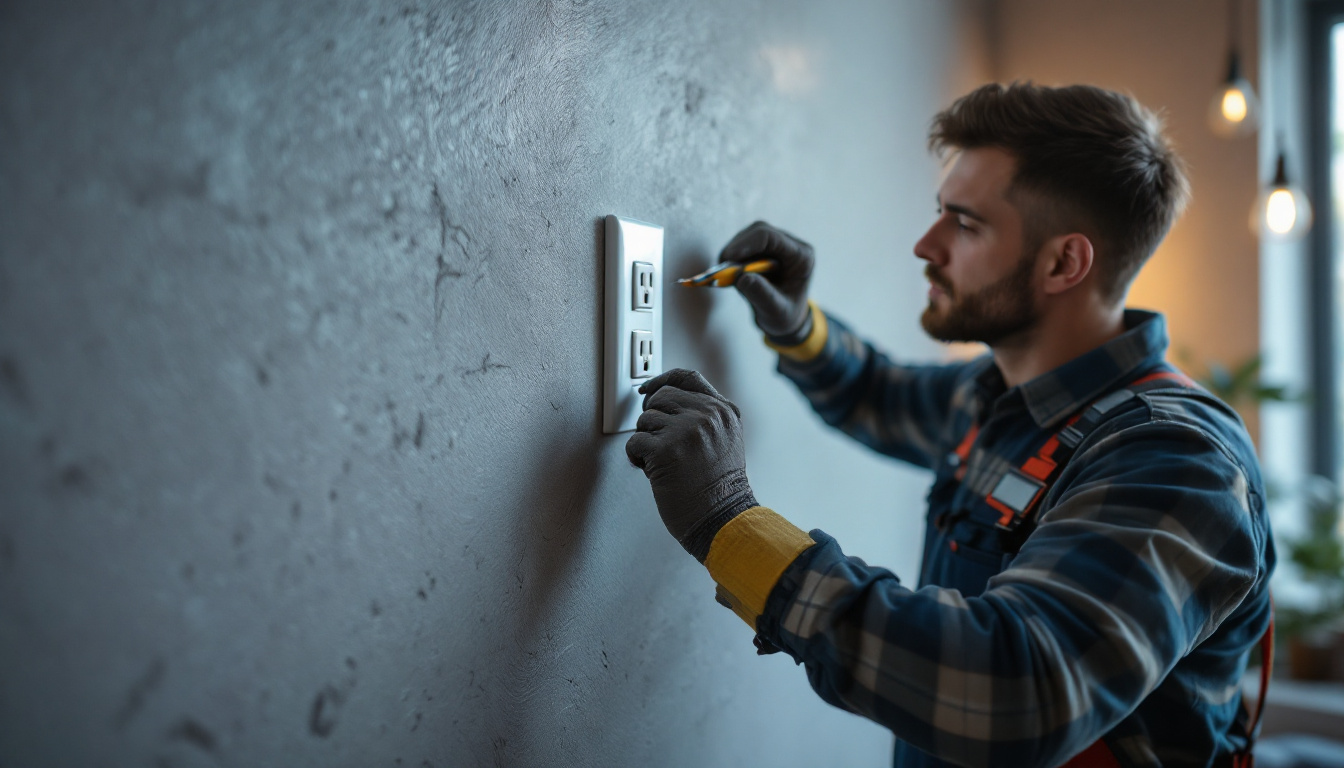
Introduction to Motion Sensors with Timers in Lighting
Lighting contractors are continually seeking innovative solutions that improve efficiency, enhance user experience, and reduce energy consumption. Among the most transformative technologies in recent years is the integration of motion sensors with timers in lighting systems. These devices not only automate lighting control but also provide a level of precision and adaptability that traditional switches cannot match.
Motion sensors with timers have become a cornerstone in smart lighting design, offering contractors the ability to deliver customized, energy-efficient solutions for a wide range of applications. Understanding their capabilities and benefits is essential for lighting professionals aiming to stay ahead in a competitive market.
These advanced systems utilize a combination of infrared, ultrasonic, or dual-technology sensors to detect movement within a designated area. This means that lights can be programmed to turn on automatically when someone enters a room and turn off after a set period of inactivity, significantly reducing wasted energy. For instance, in commercial spaces such as offices or conference rooms, motion sensors can ensure that lights are only active when necessary, aligning with sustainability goals and reducing operational costs. Additionally, the integration of timers allows for further customization, enabling users to set specific schedules that align with their daily routines, thereby enhancing convenience and comfort.
Moreover, the versatility of motion sensors with timers extends beyond just energy savings; they also enhance security in residential and commercial settings. For example, outdoor lighting systems equipped with these sensors can deter potential intruders by illuminating pathways and entry points when movement is detected. This not only provides safety for occupants but also adds a layer of sophistication to the property. As smart home technology continues to evolve, the ability to control these systems remotely through smartphone applications or home automation systems further elevates the user experience, allowing for seamless integration into modern lifestyles.
How Motion Sensors with Timers Work
The Technology Behind Motion Detection
Motion sensors detect movement within a specified range using technologies such as passive infrared (PIR), ultrasonic, microwave, or a combination of these. PIR sensors, for example, detect changes in infrared radiation caused by body heat, making them highly effective for indoor environments. Ultrasonic sensors, on the other hand, emit sound waves and measure their reflection off moving objects, which allows them to detect motion even in complete darkness. Microwave sensors work similarly but use electromagnetic waves, providing a broader detection range and the ability to penetrate obstacles like walls. The choice of technology often depends on the specific application and environment, as each has its own strengths and weaknesses.
When motion is detected, the sensor sends a signal to activate the lighting fixture. The integration of a timer allows the light to remain on for a predetermined period after the last detected movement, ensuring the space remains illuminated as needed without manual intervention. This feature is particularly useful in areas where hands-free operation is essential, such as restrooms or stairwells, enhancing both convenience and safety. Additionally, some systems can be linked to smart home networks, enabling users to monitor and control lighting remotely through mobile applications, further enhancing the functionality of motion sensors.
Timer Functionality and Customization
The timer component is critical for optimizing energy consumption. Lighting contractors can program the duration the light stays on, ranging from a few seconds to several minutes or longer, depending on the use case. This customization ensures that lights are not left on unnecessarily, reducing wasted energy and lowering operational costs. For instance, in commercial settings, a longer timer may be beneficial during peak hours when foot traffic is high, while shorter durations can be set during off-peak hours to conserve energy. This adaptability not only promotes sustainability but also aligns with modern energy efficiency standards.
Advanced models offer adjustable sensitivity and detection range, allowing further refinement to suit specific environments such as hallways, offices, warehouses, or outdoor areas. Some sensors are equipped with daylight harvesting capabilities, which means they can adjust their operation based on the ambient light levels. For example, if there is sufficient natural light during the day, the sensor can prevent artificial lighting from activating, thus maximizing energy savings. Furthermore, integration with other smart devices, such as security cameras and alarms, can enhance overall safety and security, making motion sensors an essential component of modern building automation systems.
Benefits for Lighting Contractors
Enhanced Energy Efficiency and Sustainability
One of the most compelling reasons for lighting contractors to adopt motion sensors with timers is the significant energy savings they enable. According to industry studies, lighting accounts for nearly 20% of commercial energy use, and motion-activated lighting can reduce this by up to 50% in certain applications.
By installing these systems, contractors help clients meet sustainability goals and comply with increasingly stringent energy codes and standards. This not only adds value to projects but also positions contractors as forward-thinking professionals committed to environmental responsibility. Furthermore, the integration of smart technologies, such as IoT-enabled sensors, allows for real-time energy monitoring and analytics, empowering clients to make informed decisions about their energy consumption. As businesses strive for greener operations, contractors who can provide these advanced solutions will be highly sought after in the marketplace.
Improved Client Satisfaction and Safety
Clients benefit from the convenience and safety provided by motion sensor lighting. Automatic illumination reduces the risk of accidents in poorly lit areas and enhances security by deterring unauthorized access. For residential clients, it offers a hands-free experience, while commercial clients appreciate the operational cost savings and improved workplace safety.
Lighting contractors who deliver these benefits often see increased referrals and repeat business, strengthening their market reputation. Additionally, the ability to customize lighting settings based on specific client needs—such as adjusting sensitivity and duration—can further enhance user experience. This level of personalization not only boosts client satisfaction but also fosters a sense of ownership and pride in the installed systems, encouraging clients to advocate for the contractor’s services within their networks.
Streamlined Installation and Maintenance
Modern motion sensors with timers are designed for easy installation, often compatible with existing lighting infrastructure. This reduces labor time and costs, allowing contractors to complete projects more efficiently. Additionally, many systems feature diagnostic tools and remote control capabilities, simplifying ongoing maintenance and troubleshooting.
Moreover, the trend towards smart lighting solutions means that contractors can offer clients the added benefit of remote access and control through smartphone apps. This not only enhances user convenience but also allows for timely updates and adjustments without the need for on-site visits. By embracing these technological advancements, contractors can position themselves as leaders in the lighting industry, ready to tackle the evolving demands of their clients while maximizing operational efficiency.
Applications Across Different Environments
Commercial and Industrial Spaces
In commercial buildings, motion sensor lighting with timers is ideal for areas such as restrooms, corridors, conference rooms, and storage areas where occupancy is intermittent. Industrial facilities benefit from improved safety in warehouses and loading docks, while reducing energy expenses during off-peak hours.
Contractors can tailor solutions to meet the specific operational patterns of these environments, maximizing both performance and cost-effectiveness.
Residential Installations
Homeowners increasingly demand smart lighting solutions that enhance convenience and security. Motion sensors with timers are perfect for entryways, garages, basements, and outdoor spaces. Lighting contractors who incorporate these systems can offer clients modern, energy-efficient homes that adapt to their lifestyle.
Outdoor and Public Spaces
Outdoor lighting in parking lots, pathways, and parks benefits greatly from motion sensor timers. These systems provide illumination only when needed, reducing light pollution and energy consumption. For public safety, they ensure that areas are well-lit during occupancy, deterring crime and accidents.
Key Considerations for Lighting Contractors
Selecting the Right Sensor Technology
Choosing the appropriate sensor technology is vital for optimal performance. PIR sensors are excellent for detecting human presence indoors, while ultrasonic or microwave sensors may be better suited for areas with obstacles or where heat signatures are less reliable.
Contractors should evaluate the environment, expected traffic patterns, and potential sources of interference to select the most effective sensor type.
Programming and Integration
Proper programming of timer settings is essential to balance convenience and energy savings. Lighting contractors must work closely with clients to understand usage patterns and tailor configurations accordingly.
Integration with building management systems or smart home platforms can further enhance functionality, enabling remote monitoring and control, scheduling, and data analytics.
Compliance and Standards
Adhering to local electrical codes and energy standards is non-negotiable. Many jurisdictions now mandate the use of occupancy sensors in commercial buildings as part of energy conservation measures.
Contractors should stay informed about relevant regulations and ensure that all installations meet or exceed these requirements, providing documentation as needed.
Future Trends and Innovations
Advancements in Sensor Accuracy and AI Integration
Emerging technologies are enhancing the precision and adaptability of motion sensors. Artificial intelligence and machine learning algorithms enable systems to distinguish between different types of movement, reducing false triggers and optimizing lighting schedules.
These advancements allow lighting contractors to offer cutting-edge solutions that provide superior user experiences and further energy reductions.
Wireless and IoT Connectivity
The proliferation of wireless communication and Internet of Things (IoT) devices is transforming lighting control. Motion sensors with timers can now be integrated into comprehensive smart building ecosystems, allowing centralized management and real-time data collection.
This connectivity empowers contractors to provide value-added services such as predictive maintenance and energy usage reporting, enhancing client relationships.
Conclusion: Embracing Motion Sensor Timers for a Competitive Edge
Motion sensors with timers represent a significant advancement in lighting technology, offering lighting contractors the tools to deliver smarter, more efficient, and user-friendly lighting solutions. By understanding the technology, benefits, applications, and future trends, contractors can position themselves as leaders in the industry.
Adopting these systems not only meets growing client demands for sustainability and convenience but also opens new business opportunities through innovation and enhanced service offerings. As the lighting landscape continues to evolve, motion sensor timers will remain a vital component in the contractor’s toolkit.
Get the Best in Motion Sensor Lighting at LumenWholesale
Ready to elevate your lighting projects with the latest in motion sensor technology? Look no further than LumenWholesale for all your lighting needs. Our extensive selection of spec-grade lighting products, including advanced motion sensors with timers, is available at unbeatable wholesale prices. Say goodbye to middleman markups and hello to superior quality and performance that fits your budget. Plus, with free shipping on bulk orders, you can stock up on premium lighting solutions without worrying about hidden fees. Don’t compromise on quality or value—choose LumenWholesale for a seamless blend of affordability and convenience. Wholesale Lighting at the Best Value is just a click away.