Understanding the Shift from 250W Metal Halide to LED Technology
Lighting contractors are witnessing a significant transformation in commercial and industrial lighting, driven by the shift from traditional 250W metal halide lamps to advanced LED alternatives. Metal halide lamps have long been favored for their high-intensity discharge and bright white light, making them ideal for large spaces such as warehouses, parking lots, and sports arenas. However, the rise of LED technology offers compelling advantages that are reshaping lighting strategies.
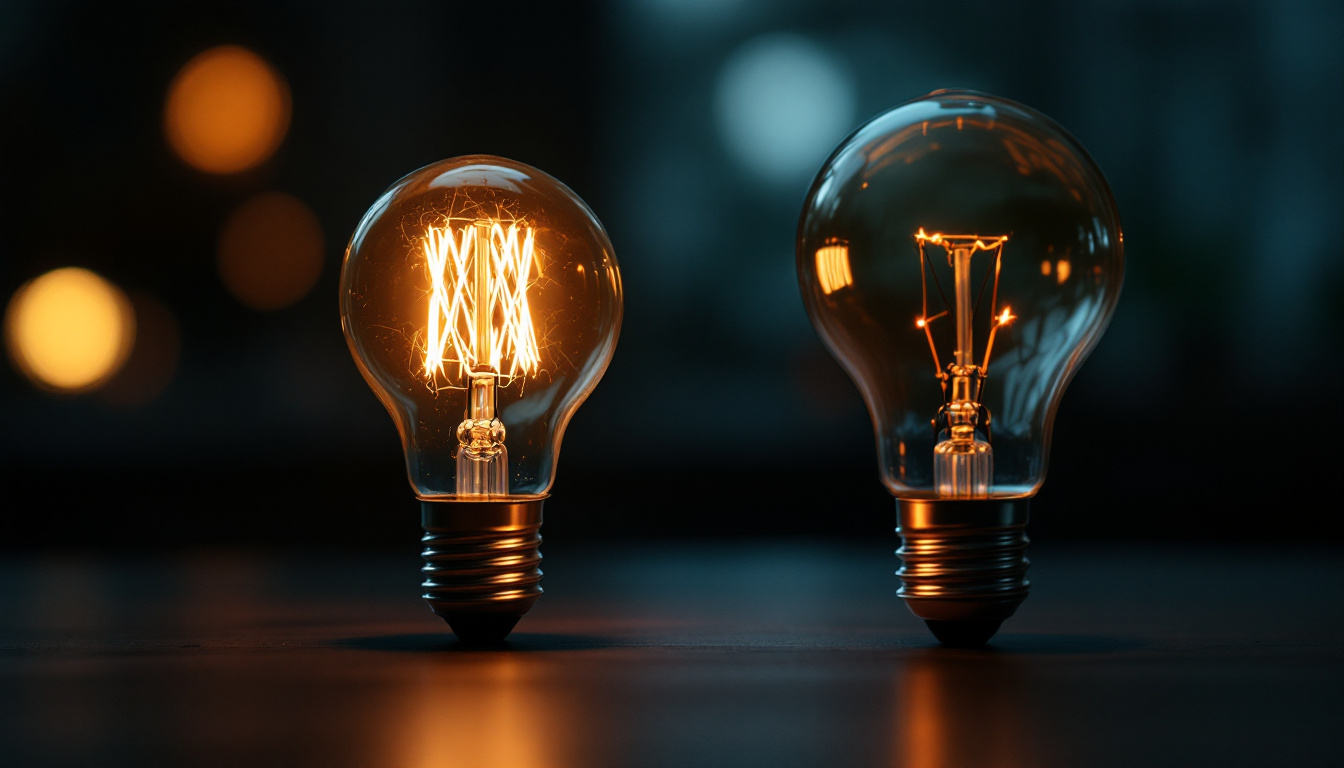
Metal halide lamps typically consume 250 watts of power and provide a luminous efficacy ranging between 75 to 100 lumens per watt. Despite their brightness, these lamps have several drawbacks, including long warm-up times, frequent maintenance due to shorter lifespans, and higher energy consumption. LEDs, on the other hand, deliver comparable or superior brightness with significantly lower wattage, enhanced durability, and instant-on capabilities.
For lighting contractors, understanding these differences is critical to advising clients on efficient, cost-effective lighting solutions that meet modern standards and regulations. The transition to LED technology not only aligns with sustainability goals but also significantly reduces operational costs. For instance, the longevity of LED fixtures—often exceeding 50,000 hours—means that businesses can save on replacement costs and labor associated with changing bulbs. Additionally, the reduced heat output of LEDs minimizes the load on HVAC systems, further enhancing energy savings and contributing to a more comfortable environment.
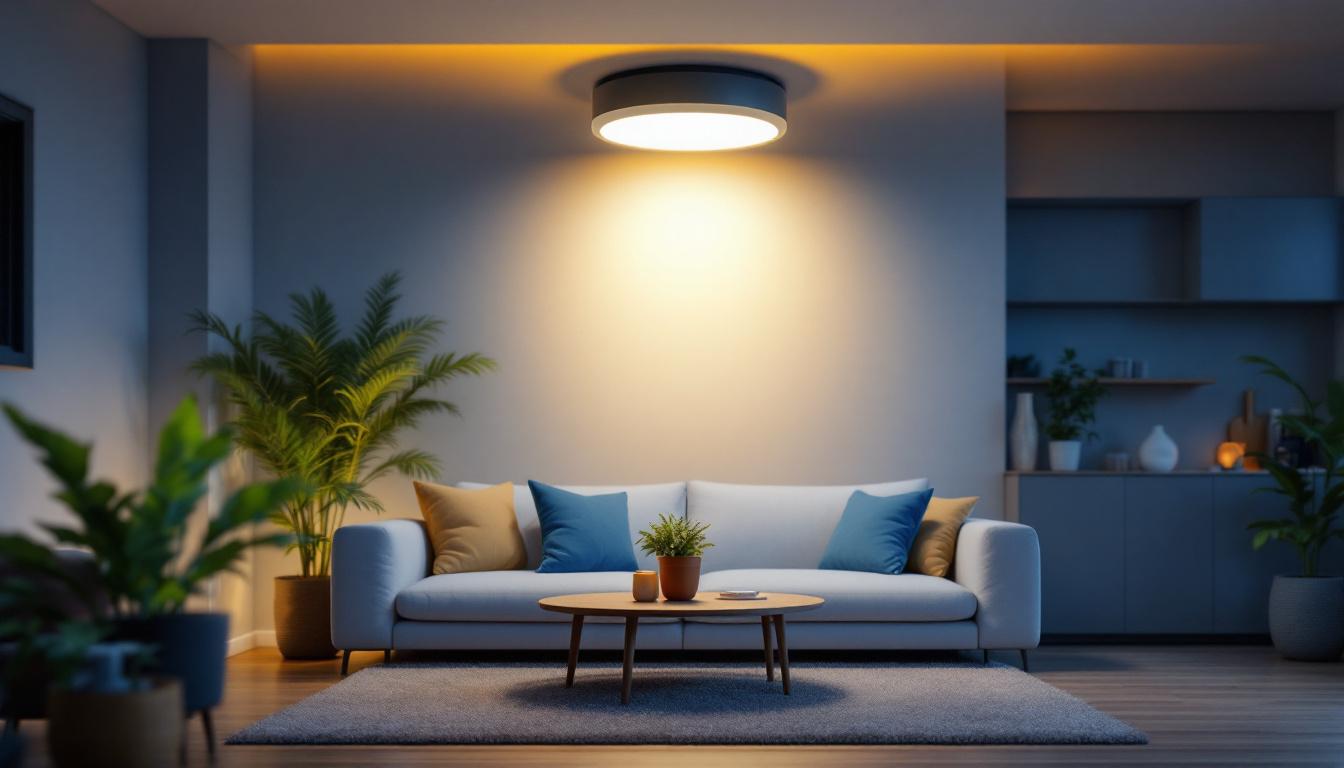
Moreover, the versatility of LED technology allows for innovative lighting designs that were previously unattainable with metal halide lamps. With options for dimming, color temperature adjustments, and smart lighting integrations, LEDs can be tailored to meet specific needs, enhancing both functionality and aesthetics. This adaptability is particularly beneficial in spaces that require dynamic lighting solutions, such as retail environments where mood and ambiance can significantly influence customer behavior. As lighting contractors embrace these advancements, they are not only improving the quality of light but also paving the way for smarter, more sustainable building practices.
Key Benefits of Using LED Equivalents for 250W Metal Halide Fixtures
Energy Efficiency and Cost Savings
One of the most compelling reasons to switch from 250W metal halide lamps to LED equivalents is energy efficiency. LEDs can achieve the same or higher lumen output while consuming only 100 to 150 watts, translating to energy savings of up to 40-60%. Over time, this reduction in power consumption significantly decreases operational costs, especially in facilities where lights operate for extended hours.
For example, a warehouse using 100 metal halide fixtures at 250W each consumes 25,000 watts in total. Replacing these with 120W LED equivalents reduces the total power draw to 12,000 watts, cutting energy expenses nearly in half. This kind of saving is particularly attractive to commercial clients looking to reduce overhead costs and improve sustainability. Furthermore, the lower energy consumption not only benefits the bottom line but also contributes to a smaller carbon footprint, aligning with the growing trend of corporate responsibility towards environmental stewardship.
Longer Lifespan and Reduced Maintenance
Metal halide lamps generally have a lifespan of around 10,000 to 15,000 hours, which necessitates frequent replacements and maintenance. In contrast, LED fixtures can last upwards of 50,000 hours or more. This extended lifespan means fewer service calls, less downtime, and reduced labor costs for lighting contractors and facility managers alike.
Additionally, LEDs are more robust and resistant to shock and vibration, making them ideal for industrial environments where metal halide bulbs may be prone to damage. The durability of LED technology means that facilities can operate with greater reliability, minimizing the risk of unexpected outages that could disrupt operations. This reliability is particularly crucial in environments such as warehouses and factories, where consistent lighting is essential for safety and productivity. Moreover, the reduced need for replacements and maintenance translates into less waste, further enhancing the environmental benefits of switching to LED technology.
Improved Light Quality and Control
LEDs offer superior color rendering index (CRI) values compared to metal halide lamps, often exceeding 80-90 CRI. This results in better color accuracy and visual clarity, which can be crucial in settings such as manufacturing plants, retail spaces, and sports facilities. The enhanced light quality not only improves the visual experience for workers and customers but also contributes to better productivity and safety in the workplace.
Moreover, LEDs provide instant illumination without warm-up time, unlike metal halides that require several minutes to reach full brightness. The ability to integrate LEDs with dimming controls and smart lighting systems further enhances energy savings and user comfort. Facilities can tailor their lighting to specific tasks or times of day, creating an adaptable environment that meets the needs of various activities. This level of control is particularly beneficial in multi-use spaces, where lighting requirements can change throughout the day. Additionally, the potential for smart technology integration allows for automated systems that can adjust lighting based on occupancy or natural light levels, further optimizing energy use and enhancing the overall efficiency of the lighting system.
Determining the Right LED Equivalent for 250W Metal Halide Fixtures
Evaluating Lumen Output and Wattage
When selecting an LED replacement for a 250W metal halide lamp, lumen output is the primary metric to consider. A typical 250W metal halide lamp produces approximately 18,000 to 22,000 lumens. The LED equivalent should match or exceed this lumen output to maintain adequate illumination levels.
LED fixtures designed to replace 250W metal halide lamps usually range between 100W and 150W, depending on the quality and efficiency of the LED chips used. Lighting contractors should prioritize products with verified lumen output data from reputable manufacturers to ensure performance consistency.
Color Temperature and Application Suitability
Color temperature plays a vital role in the ambiance and functionality of a space. Metal halide lamps typically emit light in the 4000K to 6000K range, which is a cool white to daylight spectrum. LED replacements are available in a broad range of color temperatures, allowing contractors to tailor lighting to specific environments.
For example, a retail environment might benefit from warmer color temperatures (3000K to 4000K) to create a welcoming atmosphere, whereas warehouses and industrial spaces often require cooler temperatures (5000K to 6000K) for better visibility and safety.
Fixture Compatibility and Retrofit Considerations
Lighting contractors must assess whether the existing fixtures can accommodate LED retrofit kits or if full fixture replacements are necessary. Many LED retrofit kits are designed to fit into existing metal halide fixtures, simplifying installation and reducing upfront costs.
However, some older fixtures may not be compatible due to size constraints, heat dissipation requirements, or electrical incompatibilities. In such cases, replacing the entire fixture with an LED luminaire designed for the application may offer better long-term value and performance.
Installation Best Practices for LED Retrofits
Preparing the Site and Existing Fixtures
Before installation, contractors should conduct a thorough inspection of the existing metal halide fixtures to identify any damage or wear that could affect the retrofit. This includes checking the condition of sockets, ballasts, and wiring.
Since LED retrofits often bypass or remove existing ballasts, it is important to ensure that the electrical supply is compatible with the LED driver specifications. Proper labeling and documentation during this phase help avoid confusion during installation and future maintenance.
Ensuring Proper Thermal Management
LEDs generate less heat than metal halide lamps, but they still require adequate heat dissipation to maintain performance and longevity. Contractors should verify that the retrofit or new fixture includes appropriate heat sinks or cooling mechanisms.
Improper thermal management can lead to premature LED failure and reduced light output, undermining the benefits of the upgrade. Installing fixtures in well-ventilated areas and adhering to manufacturer guidelines is essential.
Compliance with Electrical and Safety Standards
Lighting contractors must ensure that all LED retrofits comply with local electrical codes and safety standards. This includes proper grounding, wiring methods, and the use of certified components.
Additionally, verifying that the LED products have relevant certifications such as UL, DLC (DesignLights Consortium), or ENERGY STAR can provide assurance of quality and eligibility for utility rebates.
Maximizing Client Value Through Education and Support
Communicating Energy and Maintenance Savings
Clients often focus on upfront costs, but lighting contractors can differentiate themselves by educating clients on the long-term financial benefits of LED upgrades. Detailed energy consumption comparisons, payback period calculations, and maintenance cost reductions help build a compelling business case.
Providing case studies or real-world examples of similar projects can also reinforce confidence in the investment.
Offering Customized Lighting Solutions
Every facility has unique lighting needs. Contractors who take the time to analyze the space, usage patterns, and client preferences can recommend tailored LED solutions that optimize performance and satisfaction.
This might include integrating occupancy sensors, daylight harvesting controls, or programmable lighting schedules to further enhance efficiency and user experience.
Providing Ongoing Support and Warranty Services
Reliable after-sales support and clear warranty terms are vital for maintaining client trust. Lighting contractors should partner with manufacturers that offer robust warranties and responsive technical assistance.
Regular follow-ups and maintenance services can help identify and resolve issues early, ensuring the lighting system continues to deliver optimal results.
Conclusion
The transition from 250W metal halide lamps to LED equivalents represents a significant opportunity for lighting contractors to deliver enhanced value to their clients. By understanding the technical specifications, installation requirements, and long-term benefits of LED technology, contractors can confidently guide clients through the upgrade process.
Proven methods such as careful lumen matching, fixture compatibility assessment, and client education are key to successful projects. The result is not only improved energy efficiency and reduced maintenance but also superior lighting quality that meets the demands of modern commercial and industrial environments.
Embracing LED technology is no longer just an option—it is a strategic imperative for lighting contractors aiming to stay competitive and deliver sustainable, high-performance lighting solutions.
Upgrade Your Lighting Projects with LumenWholesale
Ready to elevate your lighting solutions and exceed client expectations? At LumenWholesale, we specialize in providing lighting contractors with the highest quality LED alternatives for 250W metal halide lamps, ensuring your projects shine with efficiency and cost-effectiveness. Our spec-grade lighting products come with the promise of unbeatable wholesale prices, free shipping, and the convenience of bulk buying. Don’t let inflated markups dim your potential—choose LumenWholesale for your lighting needs and experience the ideal combination of quality, affordability, and service. Start transforming your lighting projects today by visiting Wholesale Lighting at the Best Value.