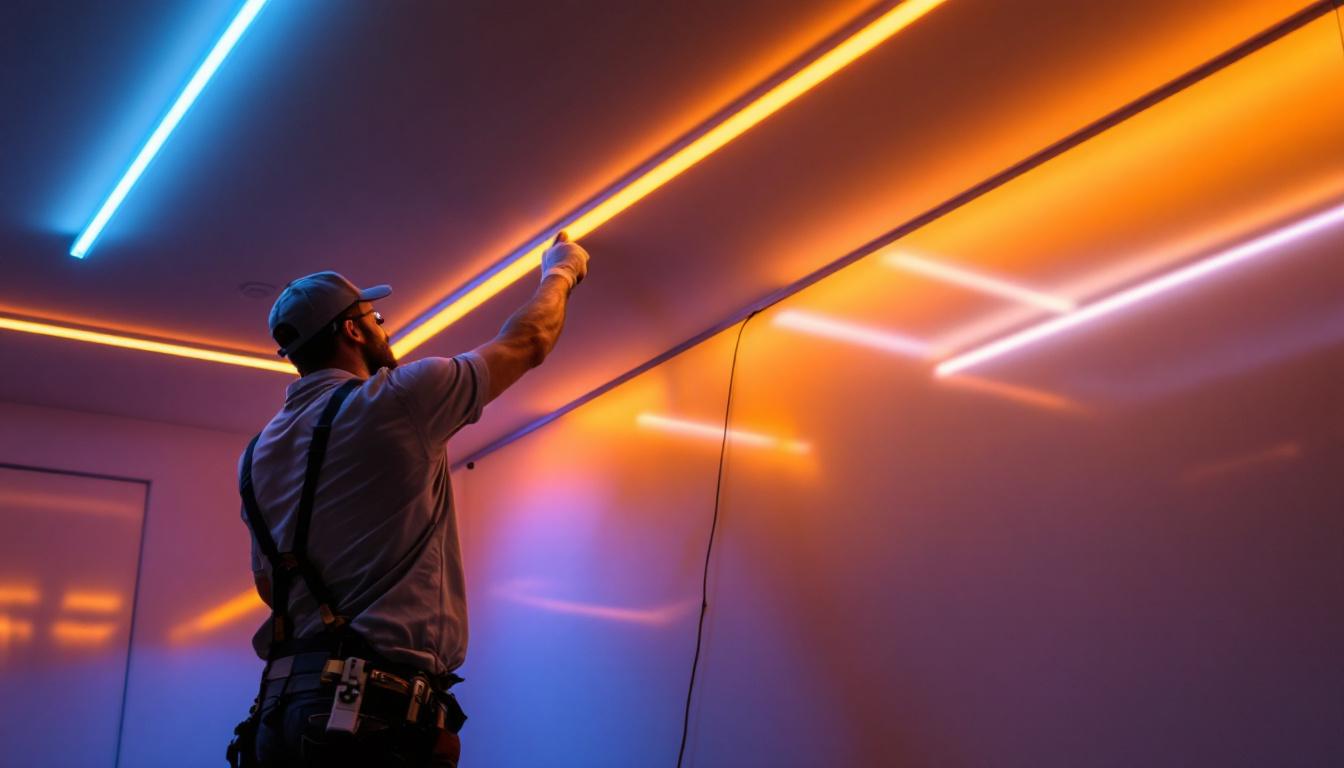
Understanding the Importance of Proper Office Lighting
Office lighting plays a pivotal role in creating a productive and comfortable work environment. For lighting contractors, recognizing the impact of well-designed lighting systems is essential. Effective lighting not only enhances visibility but also influences employee well-being, energy consumption, and overall aesthetics.
Studies have shown that poorly lit office spaces can lead to eye strain, headaches, and decreased productivity. Conversely, optimal lighting conditions can improve focus, reduce fatigue, and even elevate mood. As contractors, the responsibility extends beyond simply installing fixtures; it involves crafting lighting solutions that align with the unique needs of each office space.
Key Factors Affecting Office Lighting
Several elements influence the effectiveness of office lighting, including natural light availability, fixture placement, color temperature, and lighting controls. Balancing these factors ensures that the lighting system supports various tasks, from computer work to meetings and collaborative activities.
Natural daylight integration is particularly important. Spaces with ample daylight can reduce reliance on artificial lighting, leading to energy savings and enhanced occupant satisfaction. However, managing glare and heat gain from windows requires careful consideration during design and installation. The use of adjustable blinds or smart window films can help mitigate these issues while still allowing natural light to filter through, creating a more inviting atmosphere.
Moreover, the color temperature of the lighting is crucial in setting the right mood for different tasks. Cooler, bluish tones are often more suitable for focused work, as they mimic daylight and can help maintain alertness. In contrast, warmer tones can create a more relaxed environment, ideal for brainstorming sessions or informal meetings. By incorporating dimmable fixtures and smart lighting controls, contractors can offer flexible solutions that adapt to the changing needs of the workspace throughout the day, enhancing both functionality and comfort.
Choosing the Right Light Bulbs for Office Spaces
Selecting appropriate light bulbs is a fundamental aspect of office lighting projects. The choice impacts energy efficiency, maintenance costs, and the quality of light delivered.
LEDs: The Preferred Choice
Light Emitting Diodes (LEDs) have become the industry standard for office lighting due to their longevity, energy efficiency, and versatility. LEDs consume significantly less power compared to traditional incandescent or fluorescent bulbs, reducing operational costs over time.
Moreover, LEDs offer a wide range of color temperatures, allowing contractors to tailor lighting to the desired ambiance. For office environments, bulbs with a color temperature between 3500K and 5000K are typically recommended, as they provide a neutral to cool white light conducive to concentration and alertness. This is particularly beneficial in open-plan offices where consistent lighting can help minimize distractions and enhance productivity. Additionally, many LED options now come with dimming capabilities, enabling employees to adjust the brightness according to their specific tasks or personal preferences, further enhancing comfort and efficiency.
Considerations for Color Rendering Index (CRI)
The Color Rendering Index measures a light source’s ability to reveal the true colors of objects. In office settings, a CRI of 80 or higher is advisable to ensure that colors appear natural and vibrant, which can be critical for tasks involving design, printing, or product evaluation.
It’s worth noting that the CRI is particularly important in environments where color accuracy is paramount, such as graphic design studios or fashion showrooms. In these settings, poor color rendering can lead to misjudgments in color matching, ultimately affecting the quality of work produced. Furthermore, the psychological impact of lighting should not be overlooked; well-rendered colors can improve mood and motivation among employees, fostering a more creative and engaged workforce. Therefore, when selecting light bulbs, it’s essential to consider not just the technical specifications but also how they will influence the overall atmosphere and productivity of the office space.
Installation Best Practices for Lighting Contractors
Proper installation is crucial to maximize the benefits of office lighting systems. Contractors should adhere to industry standards and employ best practices to ensure safety, functionality, and client satisfaction.
Planning and Layout
Before installation, conduct a thorough assessment of the office layout, considering workstation arrangements, ceiling height, and existing electrical infrastructure. Utilizing lighting design software can aid in simulating lighting levels and identifying optimal fixture placement.
Uniform lighting distribution prevents shadows and glare, which can cause discomfort and reduce productivity. Incorporating layered lighting—ambient, task, and accent lighting—allows for flexibility and adaptability to different work scenarios. For instance, in collaborative spaces, adjustable lighting can create a more inviting atmosphere, while in focused work areas, brighter task lighting can enhance concentration. Furthermore, considering the color temperature of the lights can significantly influence the mood and productivity of employees; cooler temperatures are often associated with alertness, while warmer tones can create a more relaxed environment.
Energy Codes and Compliance
Compliance with local energy codes and regulations is non-negotiable. Many jurisdictions mandate specific lighting efficiency standards and the use of controls such as occupancy sensors and daylight harvesting systems. Staying updated with these requirements not only ensures legality but also enhances the sustainability profile of the installation. Additionally, integrating energy-efficient LED fixtures not only meets these standards but also reduces long-term operational costs for clients, making it a win-win scenario. Contractors should also consider the lifecycle of the lighting products used, as selecting durable materials can minimize waste and maintenance needs over time.
Wiring and Safety Considerations
Ensure that wiring is executed according to electrical codes and manufacturer guidelines. Proper grounding, secure connections, and the use of appropriate circuit breakers are essential to prevent hazards. Additionally, documenting the installation process and providing clients with maintenance instructions fosters trust and facilitates future servicing. It is also advisable to conduct a post-installation inspection to verify that all systems are functioning correctly and to address any potential issues before the project is handed over to the client. This proactive approach not only enhances safety but also reinforces the contractor’s commitment to quality and reliability. Moreover, educating clients on the importance of regular maintenance checks can prolong the lifespan of the lighting system and ensure optimal performance throughout its use.
Maintenance Tips to Prolong Lighting System Life
Lighting contractors often provide ongoing maintenance services or guidance to clients. Proactive maintenance extends the lifespan of lighting systems and maintains optimal performance. By investing in regular upkeep, property owners can avoid costly replacements and ensure their lighting systems operate at peak efficiency, ultimately leading to enhanced safety and aesthetics in their spaces.
Routine Inspections and Cleaning
Regular inspections help identify issues such as flickering lights, dimming, or faulty controls early on. Dust and dirt accumulation on fixtures and bulbs can reduce light output by up to 30%, so cleaning is a simple yet effective maintenance task. In addition to physical cleaning, it’s also beneficial to check for signs of corrosion or wear, particularly in outdoor fixtures exposed to the elements. This proactive approach not only enhances the performance of the lighting but also contributes to energy savings and prolongs the life of the entire system.
Timely Replacement of Components
While LEDs have long lifespans, other components like drivers and sensors may require replacement. Monitoring these parts and responding promptly to failures prevents disruptions and maintains energy efficiency. Furthermore, staying ahead of component wear can help in planning budgets more effectively, as unexpected failures can lead to emergency repairs that are often more costly. Keeping an inventory of essential spare parts can also streamline the replacement process, minimizing downtime and ensuring that lighting systems remain functional and reliable.
In addition to these strategies, it’s worth considering the implementation of smart lighting controls, which can enhance both maintenance and energy efficiency. By utilizing sensors and timers, property owners can automate lighting schedules, reducing unnecessary usage and extending the life of the fixtures. Regularly updating software for smart systems is also crucial, as manufacturers often release improvements that can optimize performance and security. This holistic approach to maintenance not only safeguards the lighting system but also aligns it with modern energy standards and user convenience.
Leveraging Smart Lighting Technologies
The integration of smart lighting systems is revolutionizing office environments. As a lighting contractor, staying informed about these technologies can provide a competitive edge and deliver enhanced value to clients. The shift towards smart lighting not only enhances the aesthetic appeal of workspaces but also contributes to the overall well-being and productivity of employees. With the right implementation, these systems can create a more dynamic and responsive environment that caters to the diverse needs of modern businesses.
Benefits of Smart Controls
Smart lighting systems offer features such as automated dimming, occupancy sensing, and remote control via mobile devices. These capabilities optimize energy use by adjusting lighting based on occupancy and natural light availability, leading to significant cost savings. Moreover, the ability to customize lighting scenes for different activities—such as brainstorming sessions, presentations, or relaxation breaks—can significantly enhance the work experience for employees, fostering creativity and focus.
Additionally, smart systems can collect data on usage patterns, enabling facility managers to make informed decisions about lighting schedules and maintenance needs. This data-driven approach not only helps in identifying peak usage times but also assists in predicting when maintenance is required, ultimately prolonging the lifespan of lighting fixtures and reducing downtime.
Implementation Considerations
When integrating smart technologies, ensure compatibility with existing infrastructure and prioritize user-friendly interfaces. Providing training or documentation to clients enhances adoption and maximizes the benefits of the system. It’s also crucial to involve stakeholders in the planning process to understand their specific needs and preferences, ensuring that the final solution aligns with the overall goals of the organization.
Furthermore, consider the scalability of the smart lighting system. As businesses grow and evolve, their lighting needs may change, and having a system that can easily adapt to these changes is essential. Investing in modular components that can be added or upgraded over time will not only future-proof the installation but also provide clients with peace of mind, knowing they can expand their smart lighting capabilities as needed.
Conclusion: Delivering Value Through Expertise
Lighting contractors play a crucial role in shaping office environments that are efficient, comfortable, and sustainable. By understanding the nuances of office lighting design, selecting the right bulbs, adhering to best installation practices, and embracing maintenance and smart technologies, contractors can deliver exceptional results.
Staying current with industry trends and regulations ensures that lighting solutions not only meet but exceed client expectations, fostering long-term partnerships and a strong professional reputation.
Illuminate Your Projects with LumenWholesale
Ready to elevate your lighting projects with the best in the business? At LumenWholesale, we provide lighting contractors with exceptional, spec-grade lighting products at prices that shine. Say goodbye to local distributor markups and hello to our expansive selection that meets rigorous industry standards. With free shipping on bulk orders, LumenWholesale is your go-to source for premium lighting solutions that combine quality, affordability, and convenience. Don’t compromise on your lighting needs—explore our wholesale lighting options and secure the best value for your next project today.