Understanding the Unique Challenges of Church Lighting
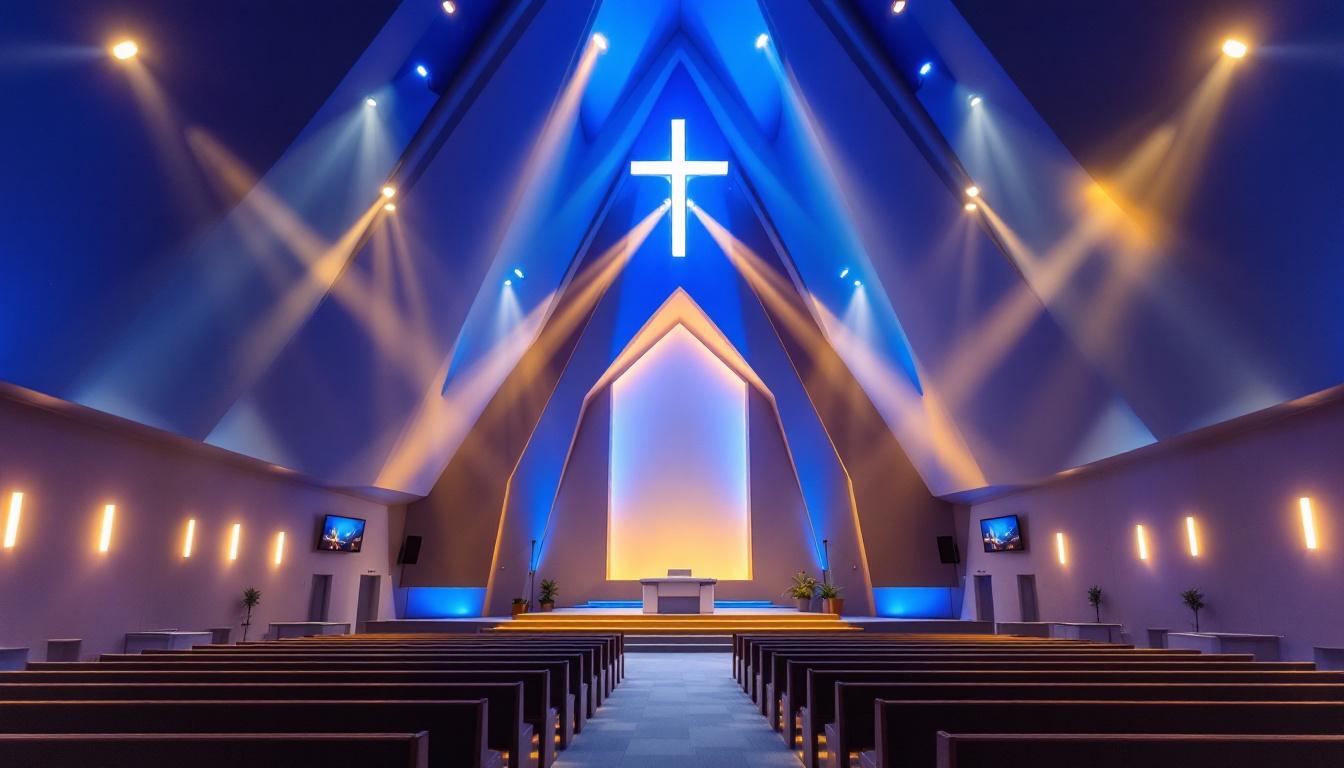
Churches present a distinct set of challenges when it comes to lighting design and installation. Unlike typical commercial or residential spaces, churches often combine architectural grandeur, historical preservation, and a need for versatile lighting to accommodate various services and events. Lighting contractors must navigate these complexities to deliver solutions that enhance the worship experience while respecting the building’s character.
One of the primary challenges is balancing aesthetics with functionality. Churches often feature intricate architectural details such as stained glass windows, vaulted ceilings, and ornate woodwork that require careful lighting to highlight without causing glare or damage. Additionally, these spaces must support multiple lighting modes—from bright illumination for reading hymnals to dim, contemplative lighting for prayer and reflection.
The Importance of Historical and Architectural Sensitivity
Many churches are historic landmarks, which means lighting contractors must work within strict preservation guidelines. Installing fixtures that are too modern or intrusive can detract from the building’s heritage and may not be permitted by preservation authorities. Contractors should collaborate closely with architects and preservationists to select fixtures that complement the style and materials of the church.
For example, using LED fixtures designed to mimic the warm glow of traditional candlelight can maintain the ambiance while providing energy efficiency and longevity. Additionally, discreet mounting options help preserve the visual integrity of the space.
Moreover, the use of adaptive lighting technology can significantly enhance the church’s versatility. Smart lighting systems allow for programmable settings that can be adjusted for different services, events, or even seasonal decorations. This adaptability not only supports the diverse activities held within the church—from weddings and baptisms to concerts and community gatherings—but also ensures that the lighting can be tailored to create the desired mood for each occasion. With the right technology, lighting can transition seamlessly from bright and welcoming to soft and reflective, enhancing the overall experience for congregants and visitors alike.
Furthermore, the integration of natural light is another crucial aspect of church lighting design. Many churches are designed to harness daylight through large windows and skylights, which can create a spiritual atmosphere during daylight hours. However, this presents its own set of challenges, as the intensity and angle of sunlight can vary throughout the day and across seasons. Lighting designers often need to consider how to balance artificial lighting with natural light, ensuring that the interior remains inviting and warm, regardless of the time of day. This delicate interplay can elevate the worship experience, making the space feel alive and connected to the outside world.
Key Considerations When Selecting Modern Church Lighting Fixtures
Choosing the right fixtures is critical for achieving the desired atmosphere and functionality. Lighting contractors must evaluate several factors to ensure the selected products meet the unique needs of church environments.
Color Temperature and Light Quality
Color temperature plays a vital role in setting the mood within a church. Warmer color temperatures (2700K to 3000K) tend to create a welcoming, intimate atmosphere, ideal for worship and reflection. Cooler temperatures may be appropriate for task lighting in offices or classrooms within the church complex but are generally avoided in the sanctuary.
Beyond temperature, the color rendering index (CRI) of fixtures is crucial. High CRI lighting (above 90) ensures that colors, such as those in stained glass or altar decorations, appear vibrant and true to life. This enhances the visual experience and maintains the integrity of the church’s artwork. Furthermore, the interplay of light and shadow can be utilized to highlight architectural features, such as vaulted ceilings or intricate woodwork, creating a dynamic visual experience that captivates congregants and visitors alike.
Energy Efficiency and Sustainability
Modern churches increasingly prioritize sustainability, making energy-efficient lighting solutions a top consideration. LED fixtures are the industry standard due to their low power consumption, long lifespan, and reduced maintenance requirements. Lighting contractors should recommend fixtures that comply with energy codes and consider integrating daylight harvesting controls to maximize natural light use.
Additionally, incorporating dimmable LEDs and smart lighting controls allows for flexible lighting scenes, reducing energy use during less active periods while maintaining appropriate illumination levels. The use of sensors can also enhance efficiency, automatically adjusting lighting based on occupancy or the amount of available daylight. This not only conserves energy but also aligns with the stewardship values many churches uphold, promoting a message of environmental responsibility to their congregations.
Fixture Placement and Lighting Control Systems
Proper fixture placement is essential to avoid shadows, glare, and uneven lighting. Churches often have complex layouts with balconies, naves, and chapels that require tailored lighting strategies. Contractors should conduct thorough site assessments and use lighting simulation software to plan fixture locations effectively.
Advanced lighting control systems enable seamless transitions between lighting modes for different services and events. Programmable scenes can adjust light intensity and color temperature, enhancing both functionality and ambiance. Integration with audio-visual systems further elevates the worship experience. For instance, during special occasions such as weddings or holiday services, lighting can be adjusted to reflect the significance of the event, creating a more immersive atmosphere. Moreover, incorporating user-friendly interfaces for church staff ensures that they can easily manage lighting settings, allowing them to focus more on the service and less on technical adjustments.
Common Installation Issues and How to Prevent Them
Despite careful planning, lighting contractors may encounter challenges during installation. Awareness of common pitfalls can help avoid costly mistakes and ensure a smooth project delivery.
Inadequate Wiring and Electrical Infrastructure
Older church buildings often have outdated electrical systems that may not support modern lighting loads or control technologies. Contractors should perform comprehensive electrical assessments before installation to identify necessary upgrades.
Failing to address wiring limitations can lead to flickering lights, circuit overloads, or system failures. Upgrading panels, adding dedicated circuits, and using surge protection devices are prudent measures to ensure reliability and safety.
Poor Fixture Compatibility and Integration
Mixing incompatible fixtures or control components can cause operational issues such as flickering, inconsistent dimming, or communication failures. Contractors must verify compatibility between fixtures, dimmers, and control systems, preferably sourcing components from the same manufacturer or certified integrators.
Testing equipment prior to installation and conducting a pilot setup can identify potential issues early, saving time and expense during full deployment.
Ignoring Acoustic and Glare Considerations
Lighting can inadvertently impact the acoustics and visual comfort within a church. Harsh or improperly aimed fixtures may create glare that distracts congregants or interfere with audio clarity by reflecting sound off surfaces.
Contractors should select fixtures with appropriate beam angles and use shielding or diffusers to minimize glare. Coordinating with acoustic consultants ensures that lighting installations complement the overall sensory environment.
Best Practices for Successful Church Lighting Projects
Adopting proven strategies enhances project outcomes and client satisfaction. Lighting contractors can benefit from the following best practices tailored to church environments.
Collaborate Early and Often with Stakeholders
Engaging church leaders, architects, preservationists, and end-users early in the design process fosters alignment on goals and expectations. Regular communication helps address concerns about aesthetics, functionality, and budget constraints before installation begins.
Workshops or mock-ups demonstrating lighting effects can provide valuable feedback and ensure the final design resonates with the congregation’s needs.
Leverage Technology for Design and Visualization
Utilizing advanced lighting design software allows contractors to create detailed simulations of proposed lighting schemes. This aids in optimizing fixture selection, placement, and control programming before physical installation.
Virtual walkthroughs help stakeholders visualize the impact of lighting choices, facilitating informed decision-making and reducing revisions.
Prioritize Training and Support
Modern lighting systems often involve sophisticated controls and programming. Providing thorough training for church staff on operating and maintaining the system ensures longevity and satisfaction.
Offering ongoing technical support and maintenance services can prevent downtime and extend the life of the installation, reinforcing the contractor’s reputation for reliability.
Case Studies: Successful Modern Church Lighting Installations
Examining real-world examples illustrates how lighting contractors have effectively addressed the unique demands of church lighting projects.
Revitalizing a Historic Cathedral with LED Retrofits
A lighting contractor was tasked with upgrading the lighting in a centuries-old cathedral while preserving its historic character. By selecting LED fixtures with warm color temperatures and high CRI, the team enhanced the visibility of stained glass windows and intricate stone carvings.
Discreet mounting and dimmable controls allowed for flexible lighting scenes, supporting everything from daily services to special ceremonies. The retrofit resulted in a 60% reduction in energy consumption and significantly lower maintenance costs.
Implementing Smart Lighting Controls in a Multi-Use Church Complex
In a large church complex with worship spaces, offices, and classrooms, a contractor installed a centralized lighting control system. The solution integrated occupancy sensors, daylight harvesting, and programmable scenes tailored to different activities.
This approach improved energy efficiency and user convenience, enabling staff to adjust lighting easily for events ranging from worship services to community meetings. The project demonstrated how technology can enhance both sustainability and functionality.
Conclusion
Modern church lighting fixtures offer tremendous opportunities to enhance worship spaces, but they require careful consideration and expertise from lighting contractors. By understanding the unique challenges of church environments, selecting appropriate fixtures, anticipating installation issues, and following best practices, contractors can deliver lighting solutions that respect tradition while embracing innovation.
Successful projects not only improve the visual and spiritual experience for congregations but also contribute to energy savings and operational efficiency. Lighting contractors who invest in collaboration, technology, and education position themselves as trusted partners in the evolving landscape of church lighting.
Illuminate Your Church Projects with LumenWholesale
Ready to elevate your church lighting installations with fixtures that blend tradition and innovation? At LumenWholesale, we provide lighting contractors with an exceptional range of spec-grade lighting products designed to meet the unique challenges of church environments. Our commitment to quality and affordability ensures that you can access the best lighting solutions at wholesale prices, without the burden of inflated markups. Plus, with the convenience of free shipping on bulk orders, you can trust that you’re getting premium value with every purchase. Don’t compromise on quality or cost—visit LumenWholesale today and discover the ideal lighting for your next project at the best value.