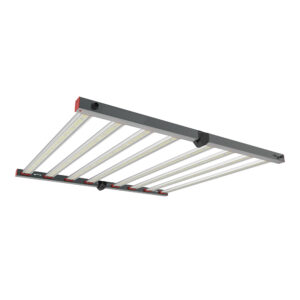
Understanding Linear High Bay Lights: A Foundation for Contractors
Linear high bay lights have become a cornerstone in commercial and industrial lighting solutions. Designed for spaces with ceilings typically 20 feet or higher, these fixtures provide broad, uniform illumination ideal for warehouses, manufacturing plants, gymnasiums, and large retail environments. For lighting contractors, mastering the nuances of linear high bay lighting is essential for delivering efficient, reliable, and cost-effective installations.
Unlike traditional high bay fixtures that often rely on bulky, circular designs, linear high bay lights feature elongated, streamlined profiles. This design not only enhances aesthetic appeal but also improves light distribution, reducing shadows and glare. Their adaptability to various mounting options—such as pendant, surface, or chain mount—allows contractors to tailor installations to specific site requirements.
Key Benefits for Contractors and Clients
From a contractor’s perspective, linear high bay lights offer several advantages. Their modular nature simplifies installation and maintenance, often reducing labor time and associated costs. Moreover, many models come with integrated LED technology, delivering superior energy efficiency compared to traditional metal halide or fluorescent fixtures. This translates into lower utility expenses and aligns with growing client demands for sustainable solutions.
Clients benefit from improved workplace safety and productivity due to enhanced visibility. Additionally, the long lifespan of LED-based linear high bay lights minimizes downtime and replacement frequency, further justifying the initial investment.
Furthermore, the versatility of linear high bay lights extends beyond mere functionality; they can be equipped with smart technology features, such as motion sensors and dimming capabilities. These enhancements allow for dynamic lighting adjustments based on occupancy and natural light levels, further optimizing energy consumption. For contractors, this opens up new avenues for offering value-added services, as clients increasingly seek intelligent lighting solutions that not only meet their immediate needs but also adapt to future demands.
Moreover, the aesthetic versatility of linear high bay lights allows them to seamlessly integrate into various architectural styles. This adaptability means that contractors can confidently recommend these fixtures for a range of projects, from modern industrial spaces to more traditional settings. The availability of different color temperatures and finishes enables customization that can enhance the overall ambiance of a space, making it not just functional but also visually appealing. As a result, contractors can elevate their service offerings by providing tailored lighting solutions that resonate with clients’ design visions while maintaining high performance standards.
Strategic Planning for Linear High Bay Lighting Projects
Effective project planning is the bedrock of successful lighting installations. Lighting contractors must approach linear high bay projects with a comprehensive strategy that encompasses site assessment, lighting design, and compliance with industry standards.
Conducting Thorough Site Assessments
Before selecting fixtures, contractors should perform detailed site evaluations. This includes measuring ceiling heights, assessing ambient light conditions, and understanding the functional requirements of the space. For example, a warehouse prioritizing inventory accuracy may require higher lumen output and tighter beam angles than a gymnasium focused on general illumination.
Environmental factors such as temperature extremes, dust, and moisture levels also influence fixture choice. Many linear high bay lights come with varying IP ratings, ensuring durability in challenging conditions. Selecting the appropriate rating protects the installation and prolongs fixture life. Additionally, it is crucial to consider the layout of the space, including obstructions like beams or shelving that may cast shadows or disrupt light distribution. By mapping out these elements, contractors can better anticipate potential challenges and tailor their lighting solutions accordingly.
Designing for Optimal Light Distribution
Lighting design software tools have become indispensable for contractors aiming to optimize fixture placement and quantity. By simulating light patterns and intensities, contractors can avoid common pitfalls such as under-illumination, glare, or uneven coverage.
One effective strategy involves layering lighting zones to accommodate different tasks within the same space. For instance, brighter illumination can be allocated to workstations, while storage aisles receive moderate lighting. This approach not only enhances functionality but also conserves energy. Furthermore, integrating smart lighting controls can provide an additional layer of efficiency, allowing for adjustments based on occupancy or natural light availability. Such systems can help reduce energy costs significantly while ensuring that the lighting adapts to the dynamic needs of the environment.
Ensuring Compliance and Safety
Adherence to regulatory standards is non-negotiable. Contractors must ensure that their lighting designs comply with guidelines such as those from the Illuminating Engineering Society (IES) and local building codes. These standards dictate minimum illumination levels, uniformity ratios, and energy efficiency benchmarks.
Moreover, proper installation practices—including secure mounting and correct wiring—are critical to safety and fixture performance. Contractors should also consider incorporating emergency lighting features where required, ensuring the space remains safely illuminated during power outages. Regular maintenance schedules should also be established post-installation, as this not only ensures ongoing compliance with safety standards but also helps in identifying and addressing any issues before they escalate. This proactive approach can significantly extend the lifespan of the lighting system and maintain optimal performance throughout its operational life.
Installation Best Practices for Linear High Bay Lights
Installation is where planning meets execution. Lighting contractors can leverage several best practices to ensure smooth, efficient, and high-quality installations.
Preparation and Coordination
Pre-installation preparation includes verifying all materials, tools, and documentation are on-site. Coordination with other trades—such as electricians and HVAC technicians—is vital to prevent conflicts and delays. For example, ensuring that electrical circuits are properly rated and accessible can save significant troubleshooting time.
Contractors should also conduct a pre-installation walkthrough with clients to confirm expectations and address any last-minute concerns. Clear communication at this stage fosters trust and reduces the likelihood of costly changes later.
Efficient Mounting Techniques
Linear high bay lights offer versatile mounting options, but each requires specific considerations. Pendant mounts are popular for their adjustability and ease of access, while surface mounts provide a clean, flush appearance. Chain mounts offer flexibility in height adjustment but require secure anchoring to support fixture weight.
Contractors should use manufacturer-recommended hardware and follow torque specifications to ensure secure installation. Additionally, verifying that fixtures are level and properly aligned contributes to uniform light distribution and professional aesthetics.
Wiring and Electrical Connections
Proper wiring is critical for both safety and performance. Lighting contractors must ensure that connections comply with the National Electrical Code (NEC) and local regulations. Using high-quality connectors and ensuring tight, corrosion-resistant terminations prevents electrical faults and extends fixture lifespan.
For LED linear high bay lights with dimming or smart controls, contractors should carefully follow wiring diagrams and test control systems thoroughly before project closeout. This ensures that clients can fully leverage advanced lighting features such as occupancy sensing and daylight harvesting.
Maintenance and Troubleshooting Strategies
Long-term client satisfaction depends heavily on effective maintenance and prompt troubleshooting. Lighting contractors who provide comprehensive support services differentiate themselves in a competitive market.
Routine Inspection and Cleaning
Periodic inspections help identify issues such as dust accumulation, fixture misalignment, or wiring degradation. Linear high bay lights, especially those installed in dusty or humid environments, benefit from regular cleaning to maintain optimal light output.
Contractors should advise clients on recommended maintenance schedules and provide clear instructions or service contracts. Proactive maintenance reduces the risk of unexpected failures and extends fixture longevity.
Common Troubleshooting Scenarios
Typical issues encountered with linear high bay lights include flickering, dimming, or complete outages. Flickering often results from loose connections or incompatible dimmers, while dimming may indicate driver failure or voltage fluctuations.
Contractors should approach troubleshooting systematically, starting with visual inspections and progressing to electrical testing. Keeping detailed records of past installations and repairs can expedite diagnosis and resolution.
Upgrading and Retrofitting Opportunities
As lighting technology evolves, clients may seek upgrades to improve efficiency or integrate smart controls. Contractors can capitalize on these opportunities by offering retrofit solutions that replace older fixtures with modern linear high bay lights without extensive rewiring.
Highlighting the benefits of upgrades—such as energy savings, enhanced control, and improved light quality—can help contractors build ongoing client relationships and generate repeat business.
Emerging Trends and Technologies Impacting Linear High Bay Lighting
Staying abreast of industry trends enables lighting contractors to offer cutting-edge solutions and maintain competitive advantage.
Integration of Smart Lighting Controls
Smart controls are revolutionizing high bay lighting by enabling dynamic adjustment based on occupancy, daylight levels, and scheduling. These systems not only reduce energy consumption but also improve user comfort and operational flexibility.
Contractors should familiarize themselves with popular protocols such as DALI, Zigbee, and Bluetooth Mesh to effectively design and install smart lighting networks. Offering training and support on these technologies can further enhance client satisfaction.
Advancements in LED Technology
Continuous improvements in LED efficacy and color rendering have made linear high bay lights more versatile and appealing. High CRI (Color Rendering Index) LEDs enhance visual clarity, which is particularly important in tasks requiring color discrimination.
Additionally, innovations in thermal management and driver design have increased fixture reliability and lifespan, reducing maintenance burdens for clients.
Sustainability and Energy Codes
With increasing emphasis on sustainability, many jurisdictions have adopted stringent energy codes that impact lighting design. Contractors must stay informed about these regulations to ensure compliance and to advise clients on incentives and rebates available for energy-efficient installations.
Emphasizing the environmental benefits of linear high bay lights—such as reduced carbon footprint and lower waste generation—can resonate with eco-conscious clients and support corporate social responsibility goals.
Conclusion: Mastering Linear High Bay Lighting for Contracting Success
For lighting contractors, expertise in linear high bay lighting encompasses more than just fixture installation. It requires a holistic approach involving careful planning, precise execution, ongoing maintenance, and staying current with technological advancements. By adopting the strategies outlined above, contractors can deliver superior lighting solutions that meet client needs, enhance operational efficiency, and foster long-term business growth.
As the demand for energy-efficient, high-quality industrial and commercial lighting continues to rise, contractors equipped with comprehensive knowledge and practical skills in linear high bay lighting will be well-positioned to lead the market and drive innovation.
Get Your Premium Linear High Bay Lights at LumenWholesale
Ready to elevate your lighting projects with the best in linear high bay lighting? Look no further than LumenWholesale. We provide contractors with exceptional, spec-grade lighting products at the most competitive wholesale prices. By eliminating the middleman, we ensure you don’t pay extra, giving you access to top-tier lighting without the premium markup. Our expansive inventory adheres to the strictest industry standards, guaranteeing dependable, high-performance lighting solutions for any job. Plus, with free shipping on bulk orders, you can stock up on superior lighting effortlessly and affordably. Make the smart choice for your business and visit Wholesale Lighting at the Best Value to discover how LumenWholesale can support your success with quality, value, and convenience.