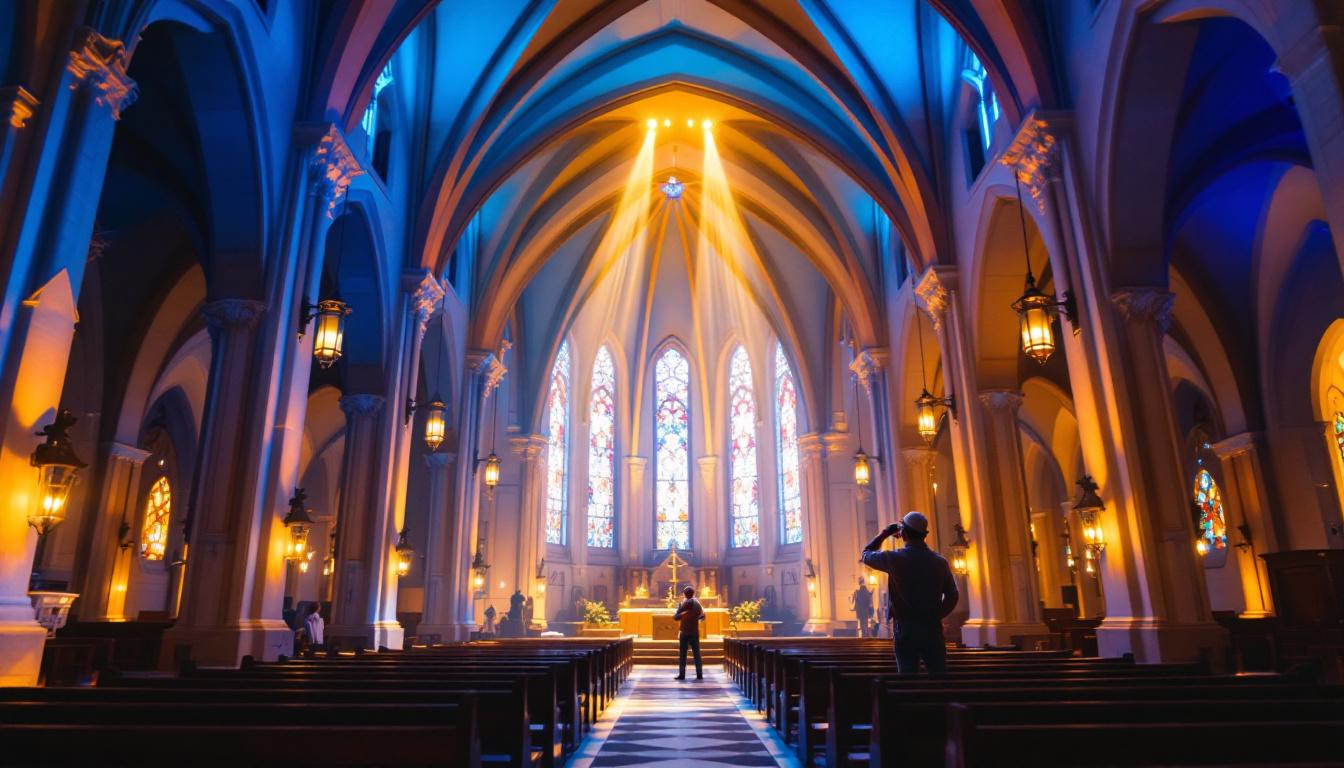
The Unique Challenges of Cathedral Lighting Projects
Cathedral lighting is a specialized segment within the lighting industry that presents both unique challenges and lucrative opportunities for lighting contractors. Unlike typical commercial or residential lighting projects, cathedrals demand a careful balance between preserving historical integrity, enhancing architectural beauty, and meeting modern lighting standards. These factors significantly influence project scope, timelines, and ultimately, the contractor’s bottom line.
One of the primary challenges is the scale and complexity of cathedral structures. With soaring ceilings, intricate stained glass windows, and detailed stonework, lighting installations must be meticulously planned to avoid damage and to highlight the building’s architectural features. This often requires specialized equipment such as scaffolding, lifts, and custom fixtures, which can increase labor and material costs. The sheer height of these spaces also poses a logistical challenge, as contractors must ensure that the lighting is not only effective but also safely installed at great heights, often necessitating a team of skilled professionals trained in working in such environments.
Moreover, many cathedrals are protected landmarks, requiring contractors to navigate strict preservation regulations and collaborate closely with historical societies or preservation boards. Compliance with these regulations can extend project timelines and necessitate more detailed documentation, impacting profitability. In addition to regulatory hurdles, contractors must also consider the impact of their work on the community, as cathedrals often serve as focal points for local culture and heritage. Engaging with community stakeholders can be essential in ensuring that the lighting design resonates with the values and expectations of those who cherish these historic spaces.
Preservation and Compliance Requirements
Working within the constraints of preservation laws means lighting contractors must use non-invasive installation techniques and reversible modifications wherever possible. This often limits the choice of fixtures and mounting methods, sometimes requiring custom solutions that add to project expenses. Additionally, lighting designs must respect the cathedral’s original aesthetic, which can restrict the use of modern, high-intensity lighting technologies without careful integration. The challenge lies in finding innovative ways to incorporate energy-efficient solutions while maintaining the historical ambiance that worshippers and visitors expect. This often involves extensive research into the types of lighting that were historically used, as well as consultation with experts in historical architecture.
Contractors must also ensure that all electrical work complies with both contemporary safety codes and the specific requirements of heritage buildings. This dual compliance can lead to additional inspections, certifications, and potential rework, all of which affect project costs and schedules. Furthermore, the integration of modern technology, such as smart lighting systems that can adjust based on the time of day or the presence of individuals, requires careful consideration to avoid disrupting the existing electrical infrastructure. Each decision made during the planning and implementation phases must be weighed against the potential impact on the cathedral’s integrity, creating a delicate balance between innovation and preservation.
Impact on Project Costs and Profit Margins
Cathedral lighting projects typically command higher budgets than standard commercial lighting due to the specialized nature of the work. However, the increased costs do not always translate directly into proportional profit increases. Lighting contractors need to carefully manage expenses and pricing strategies to maintain healthy profit margins.
Labor costs are a significant factor. Skilled electricians with experience in heritage buildings often command premium wages, and the extended project durations common in cathedral lighting further increase labor expenses. Additionally, the need for specialized equipment rentals and custom fixture fabrication can inflate material costs. The complexity of the architectural elements in cathedrals, such as high ceilings, intricate stonework, and stained glass windows, necessitates a level of precision and care that can further drive up labor costs, as workers must often navigate these challenges while adhering to strict safety protocols.
Despite these challenges, cathedral lighting projects can be highly profitable when managed effectively. Contractors who invest in thorough project planning, risk assessment, and client communication can minimize costly delays and change orders. Leveraging expertise in preservation-friendly lighting solutions also allows contractors to differentiate themselves in a competitive market, justifying premium pricing. Furthermore, the aesthetic and historical significance of these projects often leads to high visibility and prestige, which can enhance a contractor’s reputation and lead to future opportunities in similar high-profile projects.
Strategies for Cost Control
Effective cost control begins with detailed site assessments and collaboration with architects, preservationists, and clients to define clear project parameters. Early identification of potential obstacles, such as restricted access areas or fragile materials, enables contractors to plan accordingly and avoid unexpected expenses. This proactive approach not only helps in budgeting but also fosters a collaborative environment that can lead to innovative solutions, ensuring that all stakeholders are aligned on project goals and expectations.
Utilizing energy-efficient LED technology can reduce long-term operational costs for cathedral clients, making projects more attractive and potentially allowing contractors to negotiate better contracts. Additionally, investing in training for staff on heritage-sensitive installation techniques can reduce the risk of damaging the structure, which can lead to costly repairs and liability issues. Moreover, incorporating smart lighting controls can enhance the functionality and adaptability of the lighting systems, allowing for dynamic lighting scenarios that can be tailored for different events or times of day. This not only adds value to the project but also positions contractors as forward-thinking leaders in the industry, capable of providing cutting-edge solutions that respect the integrity of these magnificent structures while meeting modern lighting needs.
Technological Innovations Transforming Cathedral Lighting
Advancements in lighting technology have opened new possibilities for cathedral lighting, enabling contractors to deliver more sophisticated and energy-efficient solutions that enhance both aesthetics and functionality. These innovations can positively impact contractors’ bottom lines by reducing installation complexity and offering value-added services. The shift towards modern lighting solutions not only caters to the visual needs of these grand structures but also aligns with sustainability goals, making it a win-win for both contractors and the environment.
LED lighting has become the cornerstone of modern cathedral lighting projects. Its low heat emission, long lifespan, and energy efficiency make it ideal for preserving delicate materials and reducing maintenance costs. Additionally, LED fixtures can be customized to mimic the warm glow of traditional incandescent bulbs, maintaining the historic ambiance while providing superior performance. Beyond aesthetics, the ability to adjust brightness and color temperature allows for seasonal adaptations, enhancing the spiritual experience during different liturgical periods.
Smart Lighting Controls and Integration
Smart lighting systems allow for dynamic control of light intensity, color temperature, and scheduling, which can dramatically enhance the visitor experience and energy management in cathedrals. Lighting contractors who can design and install integrated control systems add significant value to their services, often commanding higher fees. These systems can be programmed to create specific moods or themes, such as soft, warm lighting for evening services or vibrant hues for festive occasions, thereby enriching the atmosphere and drawing in larger crowds.
For example, programmable lighting can highlight architectural details during special events or adjust automatically based on natural light levels, optimizing energy use. The integration of sensors and automation also reduces manual intervention, lowering operational costs for cathedral maintenance teams. Furthermore, these smart systems can be monitored remotely, allowing for real-time adjustments and diagnostics, which can prevent potential issues before they escalate, ensuring that the cathedral remains a welcoming space for all visitors.
3D Modeling and Simulation Tools
Another technological advancement benefiting lighting contractors is the use of 3D modeling and lighting simulation software. These tools enable precise visualization of lighting effects before installation, helping to avoid costly errors and rework. Contractors can present clients with realistic renderings, facilitating approvals and enhancing client satisfaction. This level of detail not only aids in the decision-making process but also fosters a collaborative environment where clients feel more engaged in the design process.
By investing in these digital tools, contractors can streamline project workflows, improve accuracy in material ordering, and reduce on-site adjustments, all of which contribute to better profit margins. Additionally, the ability to simulate various lighting scenarios allows for more informed discussions about energy consumption and sustainability, aligning the project with the cathedral’s mission and values. As a result, these advancements not only elevate the quality of the lighting design but also serve to educate and inspire stakeholders about the potential of modern technology in preserving historical architecture.
Market Trends and Opportunities for Lighting Contractors
The demand for cathedral lighting projects is influenced by broader trends in heritage preservation, tourism, and sustainability. Lighting contractors who understand these market drivers can position themselves to capitalize on emerging opportunities and grow their business.
Many cathedrals are investing in lighting upgrades to attract visitors, improve safety, and reduce energy consumption. This trend is fueled by increased public and private funding for cultural preservation, as well as the growing importance of sustainable building practices. Contractors who offer expertise in energy-efficient, preservation-compliant lighting solutions are well-placed to win these contracts.
Expanding Service Offerings
Beyond installation, lighting contractors can expand their service portfolio to include maintenance, lighting audits, and retrofitting existing systems. Ongoing maintenance contracts provide steady revenue streams and foster long-term client relationships. Additionally, offering lighting design consultation tailored to heritage buildings can differentiate contractors in a competitive marketplace.
Training and certification in heritage lighting standards can also enhance a contractor’s credibility and open doors to prestigious projects. Networking with preservation societies, architects, and cultural institutions is crucial for gaining referrals and staying informed about upcoming opportunities.
Collaborative Project Management
Successful cathedral lighting projects often require collaboration among multiple stakeholders, including architects, engineers, preservationists, and clergy. Lighting contractors who excel at managing these relationships and coordinating complex workflows can reduce project risks and improve profitability.
Implementing robust project management practices, such as clear communication protocols, detailed scheduling, and risk mitigation strategies, helps ensure projects are delivered on time and within budget. This professionalism not only safeguards margins but also enhances reputation, leading to repeat business and referrals.
Conclusion: Maximizing Profitability in Cathedral Lighting
Cathedral lighting projects present a distinctive blend of challenges and opportunities for lighting contractors. The complexity of working within historic structures, combined with evolving technological innovations and market demands, requires contractors to adopt specialized skills and strategic approaches.
By understanding the unique requirements of cathedral lighting, investing in advanced technologies, and cultivating strong stakeholder relationships, lighting contractors can enhance their project outcomes and improve their bottom line. In this niche market, expertise, precision, and professionalism are not just advantages—they are essential for sustained success and profitability.
Illuminate Your Cathedral Projects with LumenWholesale
Ready to elevate your cathedral lighting projects with the finest selection of spec-grade lighting products? At LumenWholesale, we provide lighting contractors with exceptional quality and value, ensuring every installation shines with professionalism and historical reverence. Our commitment to cutting out the middleman means you get the best wholesale prices without compromising on quality. Plus, with free shipping on bulk orders, you can trust that you’re getting premium lighting solutions at the best value. Don’t let inflated markups dim your project’s potential. Visit LumenWholesale today and discover how we can help you achieve stunning results while enhancing your bottom line.