Introduction to Recessed Floor Lighting
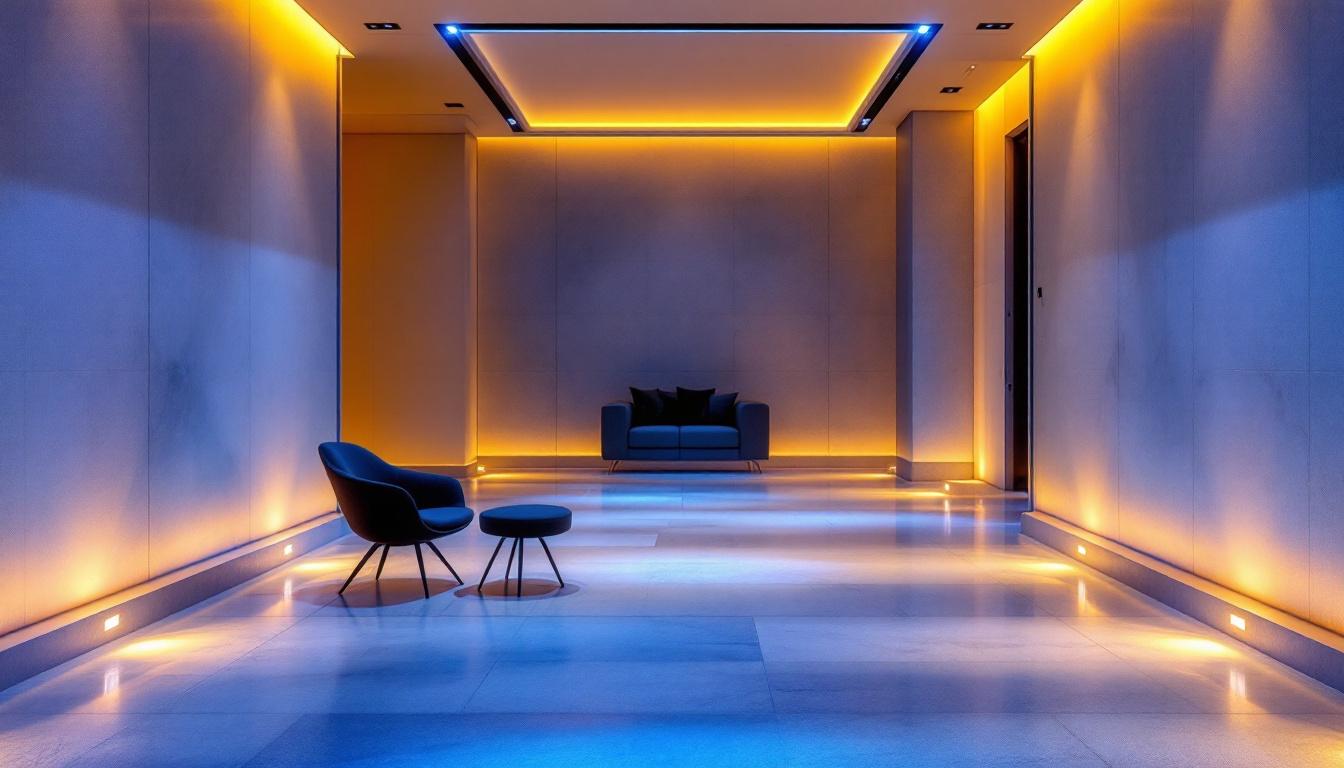
Recessed floor lighting has become an increasingly popular choice in both residential and commercial lighting design. For lighting contractors, understanding the science behind these fixtures is essential to ensure proper installation, optimal performance, and client satisfaction. Unlike traditional lighting methods, recessed floor lights are integrated into the floor surface, providing subtle illumination that enhances safety, aesthetics, and ambiance without cluttering wall or ceiling space.
From guiding pathways in hospitality settings to accentuating architectural features in luxury homes, recessed floor lighting offers versatility and a modern appeal. However, the success of these installations depends heavily on a contractor’s knowledge of the underlying technology, materials, and environmental considerations.
One of the key advantages of recessed floor lighting is its ability to create a seamless look that complements various design styles, from contemporary to traditional. The fixtures can be installed in a variety of formats, including round, square, or linear designs, allowing for customization based on the specific needs of a space. Additionally, many recessed floor lights are now available with LED technology, which not only provides energy efficiency but also offers a longer lifespan compared to traditional incandescent bulbs. This advancement in technology has made it easier for contractors to recommend solutions that align with sustainable building practices, appealing to environmentally conscious clients.
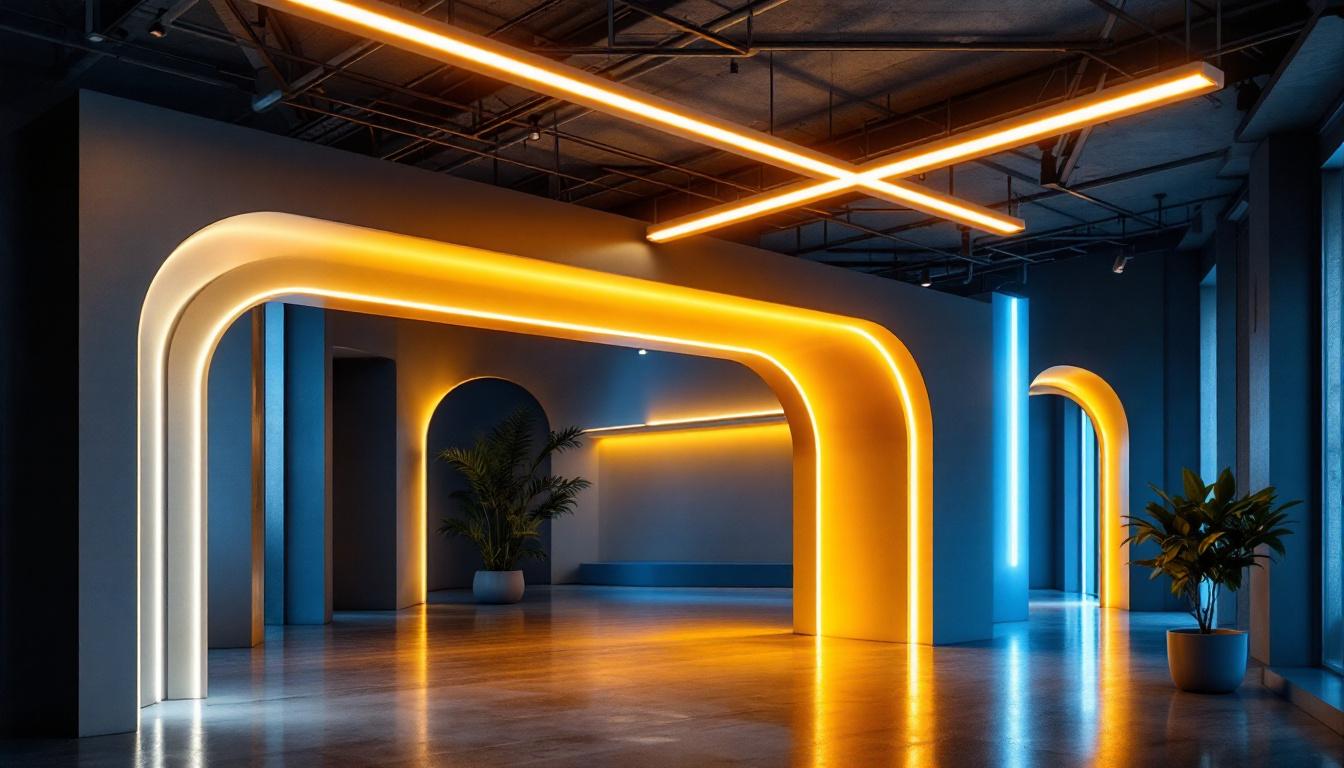
Moreover, the placement of recessed floor lighting can significantly influence the mood and functionality of a space. For instance, strategically placed lights can highlight artwork or architectural details, creating focal points that draw the eye and enhance the overall aesthetic. In outdoor settings, these lights can illuminate pathways or driveways, ensuring safety while also adding a touch of elegance to landscaping. The ability to control the brightness and color temperature of recessed floor lights through smart home systems further enhances their appeal, allowing homeowners to easily adjust the lighting to suit different occasions or times of day.
The Science of Light Emission and Optics in Recessed Floor Fixtures
Understanding Light Sources: LED vs. Traditional Bulbs
Most recessed floor lighting today utilizes LED technology due to its energy efficiency, longevity, and compact size. LEDs emit light through electroluminescence, where electrons recombine with electron holes within a semiconductor, releasing photons. This process is highly efficient compared to incandescent or halogen bulbs, which generate light through heat. Furthermore, LEDs have a significantly longer lifespan, often lasting up to 25,000 hours or more, which translates to reduced maintenance costs and less frequent replacements.
For lighting contractors, recognizing the advantages of LEDs is crucial. LEDs provide directional light, reducing glare and improving the quality of illumination on floors. Additionally, LEDs can be tuned to various color temperatures, from warm white to cool daylight, allowing customization based on the environment and client preferences. This flexibility is particularly beneficial in settings such as galleries or retail spaces, where the color rendering index (CRI) can enhance the appearance of products or artworks. The ability to adjust color temperatures also means that lighting can be adapted to different times of day, creating a more inviting atmosphere as natural light changes.
Optical Design and Beam Angles
Recessed floor lights often incorporate specialized lenses or reflectors to control beam spread and intensity. The beam angle determines how the light disperses across the floor surface. Narrow beam angles (15° to 30°) are ideal for highlighting specific features or creating accent lighting, while wider beams (60° and above) provide general illumination for pathways or larger areas. The choice of beam angle can significantly influence the overall ambiance of a space, as well as its functionality, making it essential for contractors to consider the specific needs of each project.
Lighting contractors must select fixtures with appropriate optics to achieve the desired lighting effect. Misjudging beam angles can result in uneven lighting, excessive glare, or insufficient coverage, negatively impacting both functionality and aesthetics. Moreover, the integration of dimming capabilities with these fixtures can further enhance the versatility of recessed floor lighting. By allowing users to adjust the brightness, spaces can be transformed from vibrant and energetic during the day to soft and intimate in the evening, catering to various activities and moods. Additionally, the use of smart lighting controls can enable automated adjustments based on occupancy or time of day, further optimizing energy use and enhancing user experience.
Thermal Management and Material Science
Heat Dissipation in Enclosed Floor Fixtures
One of the challenges with recessed floor lighting is managing heat generated by the light source, particularly LEDs, which, despite their efficiency, still produce heat that can affect performance and lifespan. Proper thermal management ensures the fixture maintains optimal operating temperatures, preventing premature failure.
Fixtures are typically designed with heat sinks made from materials like aluminum, which efficiently conduct heat away from the LED. For lighting contractors, understanding the importance of adequate ventilation and heat dissipation is vital during installation, especially when embedding fixtures in materials such as concrete or wood that can trap heat.
Durability and Material Selection for Floor Fixtures
Floor lighting fixtures must withstand foot traffic, environmental exposure, and potential impacts. Therefore, materials used in the fixture housing and lens cover are critical. Tempered glass is commonly used for lens covers due to its strength and resistance to scratching, while stainless steel or anodized aluminum housings offer corrosion resistance and structural integrity.
Contractors should ensure that the chosen fixtures meet industry standards for ingress protection (IP ratings), particularly for outdoor or wet environments. An IP67 rating, for example, indicates the fixture is dust-tight and protected against temporary immersion in water, making it suitable for many floor lighting applications.
Electrical Considerations and Installation Best Practices
Wiring and Power Supply Requirements
Recessed floor lighting installations often require low-voltage power supplies to enhance safety and energy efficiency. Transformers or drivers convert standard line voltage to the appropriate level for LED fixtures. Lighting contractors must calculate the total wattage and voltage drop across the wiring to ensure consistent brightness and prevent damage.
Proper cable management is essential to avoid interference with other building systems and to facilitate maintenance. Using conduit and junction boxes rated for floor installations can protect wiring from mechanical damage and moisture ingress.
Installation Techniques and Site Preparation
Successful recessed floor lighting installation begins with thorough site assessment. Contractors should verify floor material compatibility, structural support, and moisture conditions. When embedding fixtures in concrete or tile, precise cutting and sealing are necessary to maintain floor integrity and prevent water infiltration.
Leveling the fixtures flush with the floor surface is critical to avoid tripping hazards and ensure uniform illumination. Additionally, contractors should consider accessibility for future maintenance or replacement, which may involve installing removable covers or access panels.
Safety Standards and Compliance
Regulatory Requirements for Floor Lighting
Lighting contractors must adhere to local electrical codes and safety standards when installing recessed floor lighting. These regulations often dictate wiring methods, grounding, fixture ratings, and emergency lighting requirements. Compliance ensures not only legal operation but also the safety of occupants.
For example, in commercial buildings, recessed floor lighting used for egress paths may need to meet specific luminance levels and be connected to emergency power sources. Familiarity with these standards enables contractors to design and install systems that pass inspections and serve their intended purpose effectively.
Mitigating Risks: Trip Hazards and Glare
While recessed floor lighting reduces clutter, improper installation can introduce safety risks. Fixtures protruding above the floor surface or unevenly illuminated areas can cause trips and falls. Additionally, glare from poorly aimed or overly bright fixtures can impair vision, especially in public spaces.
Contractors should follow best practices such as ensuring fixture flushness, selecting appropriate brightness levels, and using diffusers or shields to minimize glare. Conducting post-installation assessments during different lighting conditions helps identify and address potential hazards.
Emerging Trends and Technologies in Recessed Floor Lighting
Smart Lighting Integration
The rise of smart building technologies has influenced recessed floor lighting design. Fixtures now often include integrated sensors for motion detection, daylight harvesting, and color tuning. These features enhance energy efficiency and user experience by adapting lighting levels automatically based on occupancy and ambient light.
Lighting contractors should familiarize themselves with smart lighting protocols such as DALI, Zigbee, or Bluetooth Mesh to effectively install and program these systems. Understanding interoperability and control options allows contractors to offer advanced solutions that meet modern client expectations.
Innovations in Materials and Energy Efficiency
Advancements in materials science have led to more robust, lightweight, and sustainable fixture components. For example, the use of composite materials and advanced coatings improves durability and reduces environmental impact. Additionally, the continuous improvement of LED efficiency and driver technology lowers energy consumption and heat output.
Contractors who stay informed about these innovations can recommend cutting-edge products that provide long-term value and align with green building standards such as LEED or WELL.
Conclusion: Mastering Recessed Floor Lighting for Optimal Outcomes
For lighting contractors, mastering the science behind recessed floor lighting is key to delivering installations that are safe, efficient, and visually appealing. A comprehensive understanding of light emission, thermal management, material durability, electrical requirements, and safety standards empowers contractors to make informed decisions throughout the project lifecycle.
Moreover, embracing emerging technologies and industry best practices positions contractors as trusted experts capable of meeting the evolving demands of clients and building codes. Ultimately, recessed floor lighting is not just about illumination—it’s about enhancing spaces in a subtle yet impactful way that reflects professionalism and technical excellence.
Illuminate Your Projects with LumenWholesale
Ready to elevate your lighting installations with the science and art of recessed floor lighting? At LumenWholesale, we provide lighting contractors with the highest quality, spec-grade lighting products at exceptional wholesale prices. Our extensive selection is designed to meet rigorous industry standards, ensuring that every project shines with reliability and high performance. Plus, with the convenience of free shipping on bulk orders, you can secure premium lighting solutions at the best value — all without hidden fees or compromises. Enhance your professional offerings and delight your clients by choosing Wholesale Lighting at the Best Value with LumenWholesale.