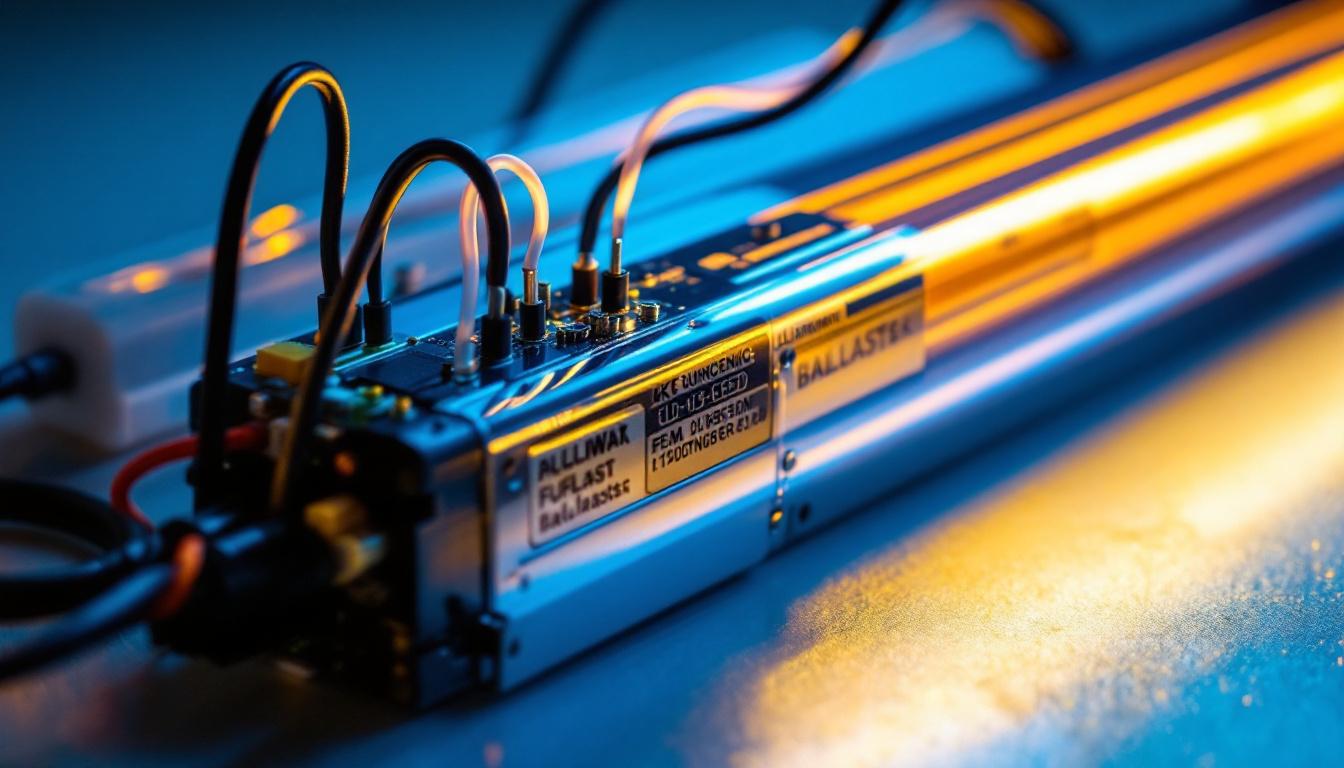
Understanding LED T8 Fixtures: The Foundation for Effective Training
LED T8 fixtures have revolutionized the lighting industry by offering energy-efficient, long-lasting alternatives to traditional fluorescent tubes. For lighting contractors, mastering the nuances of these fixtures is critical—not only to ensure quality installations but also to provide clients with the best possible lighting solutions. Before training your team, it’s essential to build a solid understanding of LED T8 technology, its advantages, and common applications.
LED T8 tubes are designed to fit into standard T8 fluorescent fixtures but operate on LED technology, which consumes significantly less power and offers better durability. These fixtures come in various configurations, including direct wire (ballast bypass), plug-and-play (compatible with existing ballasts), and hybrid models. Each type requires different installation techniques and safety considerations, making comprehensive training indispensable.
For contractors, knowing how to distinguish between these types and understanding the electrical requirements is paramount. This foundational knowledge ensures that your team can confidently recommend and install the appropriate LED T8 fixtures tailored to specific project needs, reducing callbacks and increasing customer satisfaction.
Moreover, the benefits of LED T8 fixtures extend beyond mere energy savings. These fixtures provide superior light quality, with options available in various color temperatures to suit different environments, from warm white for cozy residential spaces to cool white for commercial settings. This versatility allows contractors to cater to a wide range of client preferences, enhancing the overall aesthetic and functionality of the spaces they illuminate. Additionally, LED T8 fixtures have a significantly longer lifespan compared to traditional fluorescent tubes, often lasting up to 50,000 hours or more. This longevity not only reduces the frequency of replacements but also minimizes waste, aligning with growing sustainability goals in the construction and renovation sectors.
Furthermore, understanding the impact of LED T8 fixtures on health and well-being is becoming increasingly important. Unlike fluorescent lights, which can flicker and emit harsh light, LED T8 fixtures provide a more stable and pleasant lighting experience. This is particularly beneficial in work environments, where poor lighting can lead to eye strain and decreased productivity. Training your team to recognize these health benefits can empower them to advocate for LED T8 solutions that enhance both the functionality and comfort of workspaces, ultimately leading to happier clients and a stronger reputation for your contracting business.
Structuring a Comprehensive Training Program for Your Team
Assessing Current Skill Levels and Knowledge Gaps
Before diving into training, evaluate your team’s existing expertise with LED lighting technologies. Conducting a skills assessment or survey can help identify knowledge gaps and tailor the training content accordingly. For example, some technicians may be proficient in traditional fluorescent installations but unfamiliar with ballast bypass wiring or LED driver specifications.
Understanding these gaps allows you to focus on critical areas such as electrical safety, fixture compatibility, and troubleshooting LED-specific issues. This targeted approach ensures efficient use of training time and resources while maximizing learning outcomes. Additionally, consider implementing a mentorship program where more experienced team members can guide those who are less familiar with the technology. This not only fosters a collaborative learning environment but also strengthens team cohesion and morale.
Developing Training Modules
Effective training programs should be modular, allowing your team to absorb information in manageable segments. Suggested modules include:
- Introduction to LED Technology: Covering basic principles, energy savings, and environmental benefits.
- Types of LED T8 Fixtures: Differentiating between direct wire, plug-and-play, and hybrid models.
- Installation Procedures: Step-by-step guides for each fixture type, including safety protocols.
- Electrical Considerations: Understanding wiring diagrams, ballast compatibility, and voltage requirements.
- Troubleshooting and Maintenance: Identifying common issues and solutions.
- Client Communication: Educating customers on benefits and maintenance to build trust and satisfaction.
Incorporate hands-on demonstrations and real-world scenarios to enhance engagement and retention. Utilizing visual aids like wiring diagrams, videos, and product samples can also make complex concepts more accessible. Furthermore, consider integrating interactive elements such as quizzes or group discussions after each module to reinforce learning and encourage participation. This active involvement can significantly improve knowledge retention and application in real-world situations.
Utilizing Expert Resources and Certifications
Partnering with manufacturers or industry organizations can provide valuable resources and certification opportunities. Many LED fixture manufacturers offer training sessions, technical manuals, and online courses tailored for contractors. Certifications not only validate your team’s expertise but also enhance your company’s credibility in the marketplace.
Encourage your team to pursue certifications such as the Lighting Certified™ credential or similar industry-recognized programs. These credentials demonstrate a commitment to professional development and can be a competitive advantage when bidding on projects. Additionally, consider hosting guest speakers from the industry to share insights on emerging trends and technologies. This exposure not only broadens your team’s knowledge but also keeps them updated on the latest advancements in LED lighting, ensuring they remain at the forefront of the industry.
Key Technical Skills for LED T8 Fixture Installation
Electrical Wiring and Safety Protocols
Proper electrical wiring is the backbone of successful LED T8 fixture installation. Training should emphasize the differences between wiring for fluorescent tubes and LED tubes, especially when dealing with ballast bypass models. Safety must be a top priority—incorrect wiring can lead to fixture failure, electrical hazards, or code violations.
Teach your team to identify the type of fixture and ballast before installation. For direct wire LED tubes, technicians must safely remove or bypass the ballast and rewire the fixture to line voltage. This process requires a thorough understanding of local electrical codes and standards, such as the National Electrical Code (NEC) in the United States.
Incorporate practical exercises that simulate these wiring scenarios, reinforcing safe practices and attention to detail. Highlight the importance of using appropriate personal protective equipment (PPE) and verifying power is off before beginning work. Additionally, it’s crucial to educate your team about the potential risks associated with electrical installations, including arc flash hazards and the importance of maintaining a clean and organized workspace to prevent accidents.
Furthermore, understanding the implications of working in different environments—such as commercial versus residential settings—can influence installation techniques and safety measures. For instance, installations in commercial spaces may require adherence to stricter regulations and standards, necessitating a higher level of expertise and caution.
Fixture Compatibility and Selection
Not all LED T8 tubes are compatible with every fixture or ballast. Training should cover how to evaluate existing fixtures and select the correct LED replacement. This includes understanding lumen output, color temperature, color rendering index (CRI), and beam angle to meet client requirements.
Encourage your team to review manufacturer specifications carefully and consult compatibility charts. Misapplication can result in flickering, reduced lifespan, or voided warranties. Additionally, understanding dimmable versus non-dimmable fixtures is essential when designing lighting systems. It’s also beneficial to discuss the impact of different color temperatures on mood and productivity, particularly in workplace environments where lighting can significantly affect employee performance and well-being.
Moreover, training should include the importance of energy efficiency ratings and how to communicate these benefits to clients. By understanding the long-term cost savings associated with LED technology, technicians can better advocate for the adoption of LED solutions, enhancing their value as trusted advisors in the lighting industry.
Troubleshooting Common Issues
Despite careful installation, issues such as flickering, dimming, or no light output may arise. Your training should equip technicians with diagnostic techniques to quickly identify and resolve these problems. Common causes include incorrect wiring, incompatible ballasts, or defective tubes.
Teach your team to use tools like multimeters to check voltage and continuity, and to systematically isolate components to pinpoint faults. Emphasizing a methodical approach reduces downtime and enhances customer satisfaction. Additionally, it may be helpful to introduce troubleshooting flowcharts that guide technicians through common issues step-by-step, ensuring they have a reliable reference during installations.
Encourage your team to document any recurring issues and their resolutions, as this information can be invaluable for future installations and troubleshooting. Creating a knowledge base or sharing experiences among team members can foster a culture of continuous learning and improvement, ultimately leading to more efficient and effective service delivery.
Enhancing Team Communication and Customer Interaction
Effective Internal Communication
Training isn’t solely about technical skills; fostering clear communication within your team is equally important. Encourage open dialogue about challenges encountered during installations and share best practices. Regular team meetings and debrief sessions can help identify recurring issues and improve processes.
Implementing digital tools such as project management software or communication apps can streamline information sharing and ensure everyone stays updated on project requirements and client preferences.
Educating Clients on LED Benefits and Maintenance
Lighting contractors often serve as trusted advisors to clients. Training your team to effectively communicate the benefits of LED T8 fixtures—such as energy savings, reduced maintenance costs, and improved lighting quality—can influence purchasing decisions positively.
Equip your team with clear, jargon-free explanations and visual aids to help clients understand the value proposition. Additionally, providing guidance on routine maintenance and warranty terms builds long-term trust and can lead to repeat business or referrals.
Measuring Training Effectiveness and Continuous Improvement
Implementing Assessment and Feedback Mechanisms
To ensure your training program delivers results, establish methods to assess knowledge retention and practical skills. Written quizzes, hands-on evaluations, and on-the-job performance reviews can provide valuable insights into individual and team progress.
Solicit feedback from participants about the training content, delivery, and relevance. Use this information to refine future sessions and address any lingering knowledge gaps or challenges.
Staying Current with Industry Trends and Innovations
The lighting industry is dynamic, with continuous advancements in LED technology, controls, and standards. Encourage your team to stay informed through industry publications, webinars, and trade shows. Incorporating updates into your training ensures your team remains competitive and can offer cutting-edge solutions to clients.
Regular refresher courses and advanced training modules can deepen expertise and inspire innovation within your workforce.
Conclusion: Building a Skilled Team for LED T8 Fixture Success
Training your team in LED T8 fixture technology is an investment that pays dividends in quality, safety, and customer satisfaction. By establishing a structured, comprehensive training program that covers technical skills, safety, communication, and continuous learning, lighting contractors can position themselves as industry leaders.
With the right knowledge and tools, your team will confidently navigate the complexities of LED T8 installations, troubleshoot effectively, and provide clients with superior lighting solutions that meet evolving demands. This commitment to excellence not only enhances your company’s reputation but also drives sustainable business growth in a competitive market.
Equip Your Team with LumenWholesale’s Superior Lighting Solutions
Ready to elevate your lighting projects with the highest quality LED T8 fixtures? Look no further than LumenWholesale, where we provide contractors with spec-grade lighting products at unbeatable wholesale prices. By choosing us, you eliminate the middleman and enjoy superior lighting without inflated markups. Our extensive selection not only meets but exceeds industry standards, ensuring reliable and high-performance lighting for every project. Plus, with free shipping on bulk orders, you can stock up on premium lighting at the best value — without hidden fees or compromises. Don’t miss out on the perfect blend of quality, affordability, and convenience. Wholesale Lighting at the Best Value is just a click away!